
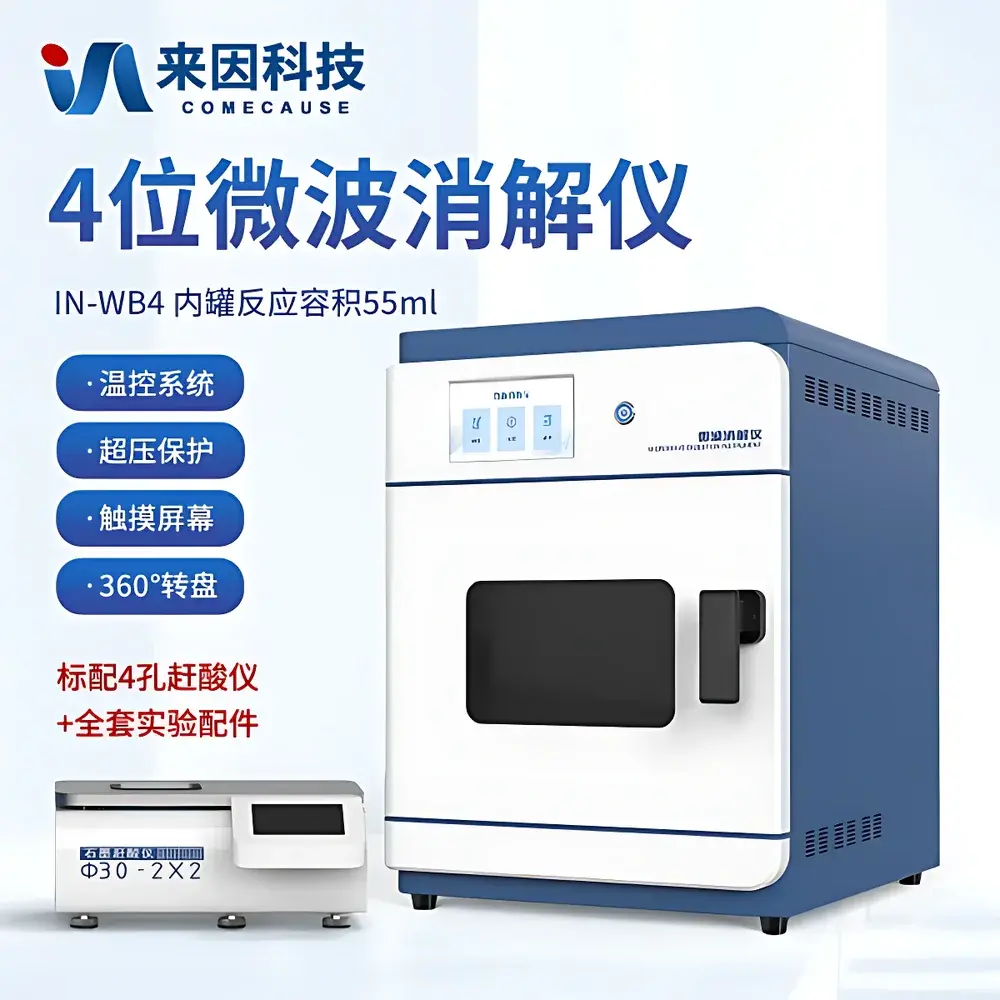
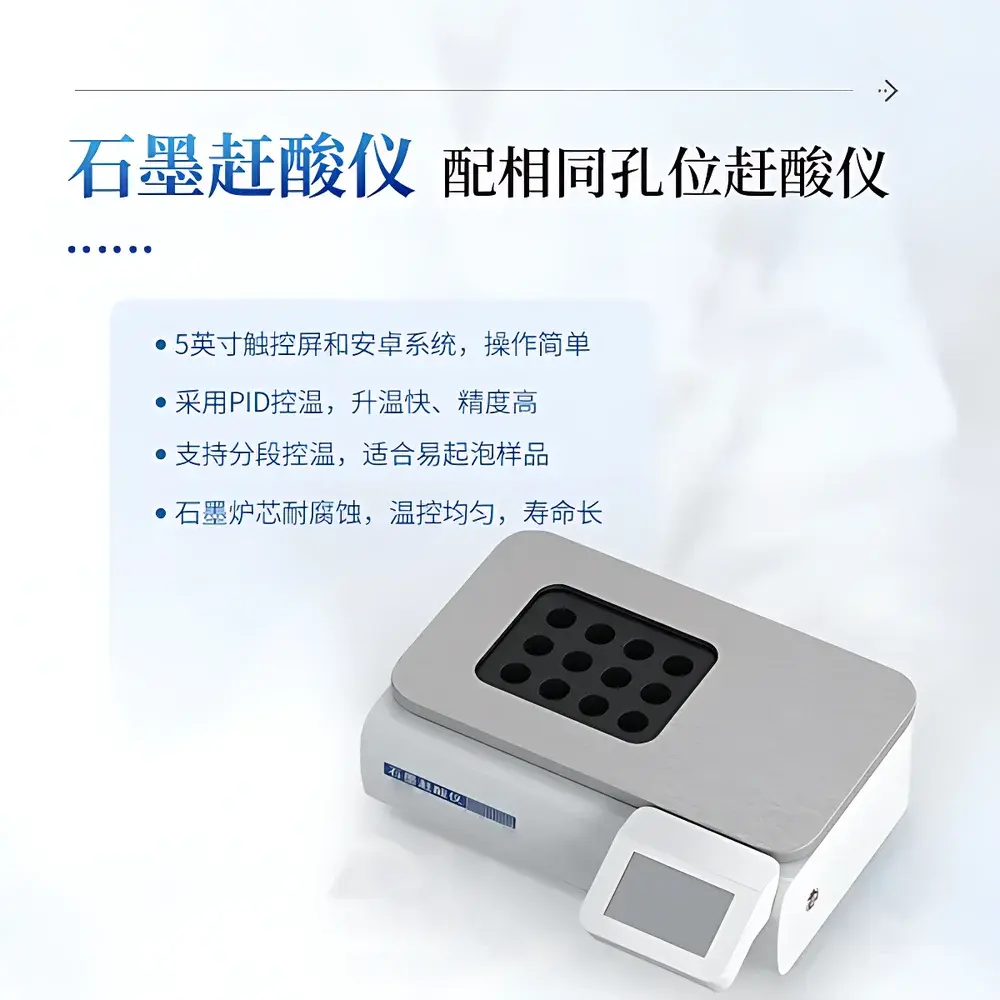
COMECAUSE IN-WB4 Industrial-Grade Automated Microwave Digestion System
| Brand | COMECAUSE |
|---|---|
| Origin | Shandong, China |
| Manufacturer Type | Direct Manufacturer |
| Country of Origin | China |
| Model | IN-WB4 |
| Price | USD 3,950 (FOB) |
| Cavity Class | Industrial-Grade |
| Batch Capacity | ≥4 Samples |
| Max Temperature | 300 °C |
| Max Pressure | 1500 psi |
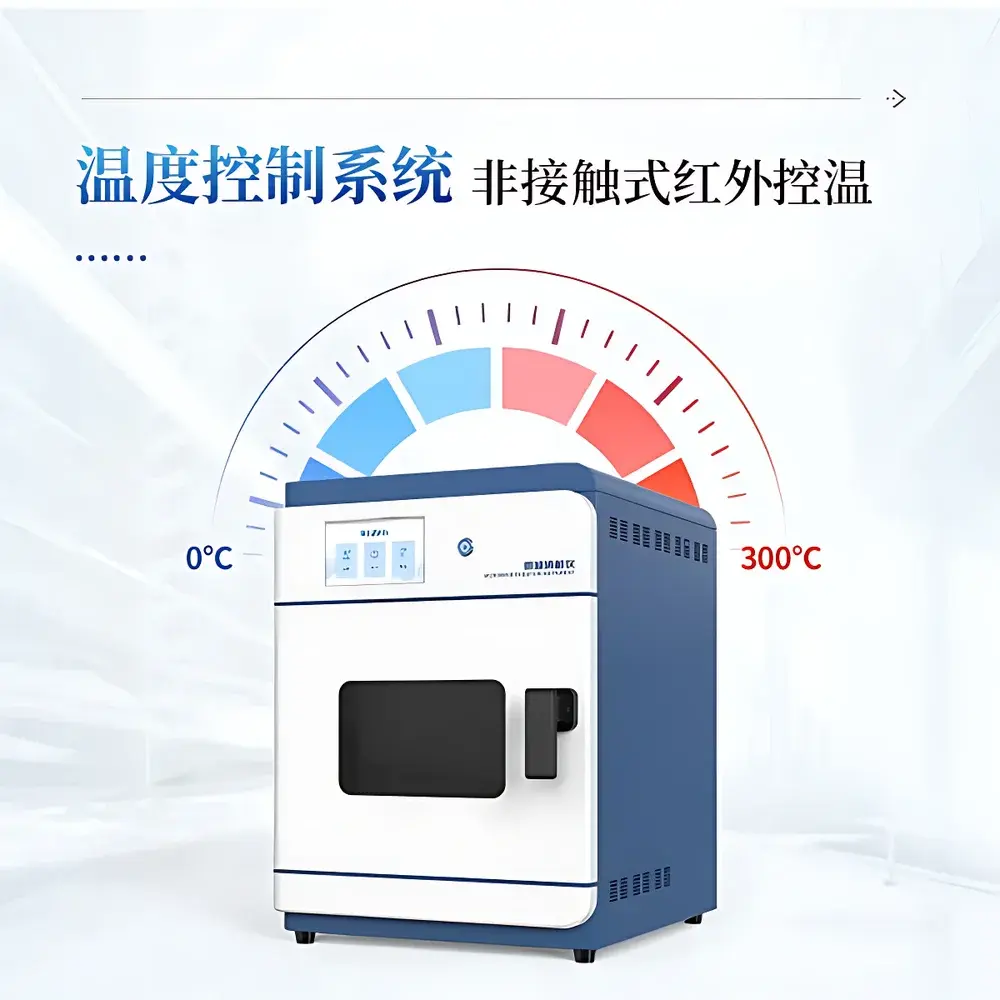
| Temperature Control | Non-contact Infrared Sensor, Range 0–300 °C, Accuracy ±0.5 °C |
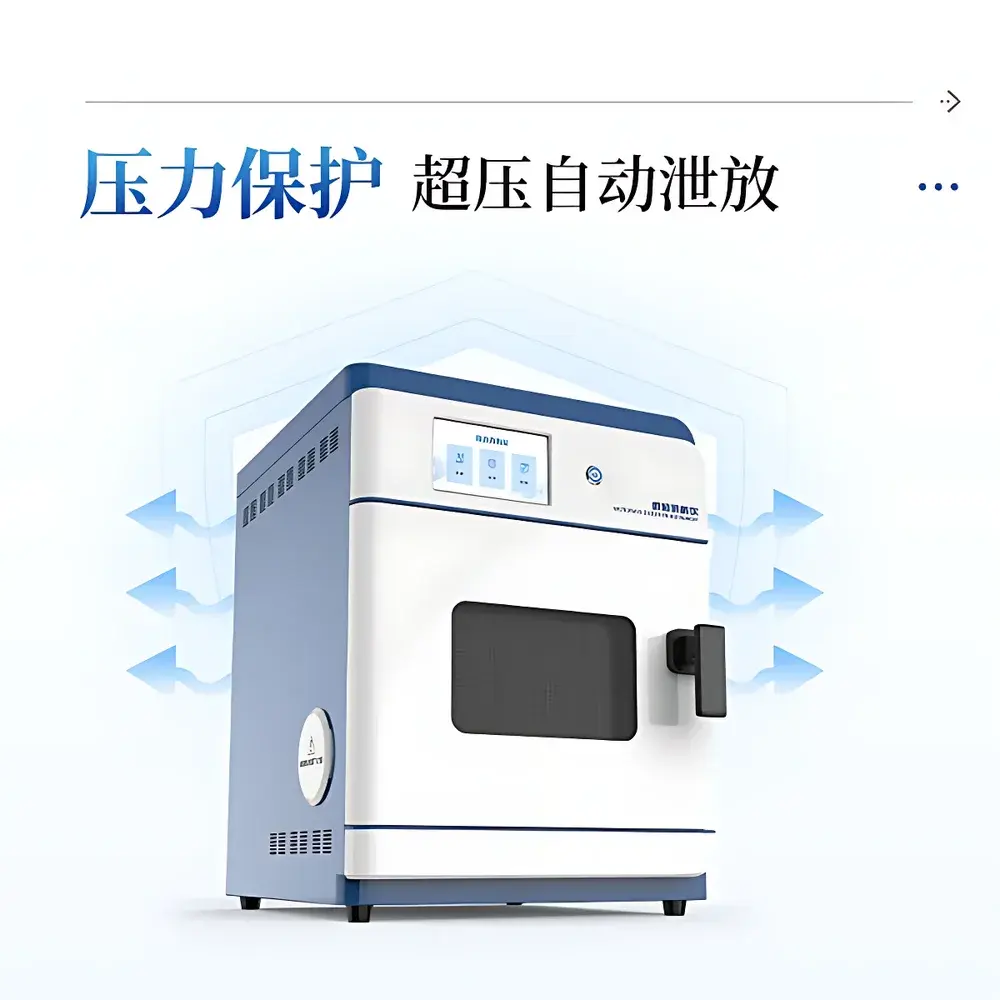
| Pressure Safety | Automatic Overpressure Release |
| Dimensions (L×W×H) | 507 × 619.5 × 666 mm |
| Net Weight | 50 kg |
| Vessel Material | PTFE Inner Vessels, PEEK Reinforced Outer Sleeves |
| Vessel Volume | 55 mL |
| Rotation | 360° Continuous Unidirectional Turntable |
| Includes | Digestion Unit, Parallel Acid Evaporation Unit (Matching 4-position), 4× PTFE/PEEK Vessel Sets, Rotating Tray, User Manual, Certificate of Conformance |
Overview
The COMECAUSE IN-WB4 Industrial-Grade Automated Microwave Digestion System is a fully integrated, benchtop microwave-assisted sample preparation platform engineered for high-throughput, reproducible acid digestion under controlled temperature and pressure conditions. It operates on the fundamental principles of dielectric heating—where microwave energy (2450 MHz) couples directly with polar molecules (e.g., H₂O, HNO₃, HCl) and ionic species in the digestion matrix, inducing rapid molecular rotation and interionic friction. This volumetric, non-contact heating mechanism enables uniform thermal energy transfer throughout sealed reaction vessels, significantly reducing digestion time compared to conventional hotplate or block heater methods. Designed for routine compliance-driven workflows, the IN-WB4 supports standardized digestion protocols aligned with EPA Method 3051A, ISO 11466, ASTM D5511, and GB/T 5009 series for trace metal analysis in environmental, food, clinical, and industrial samples.
Key Features
- Industrial-class microwave cavity with magnetron power output optimized for stable, long-duration operation and minimal field leakage (≤1 mW/cm² at 5 cm distance, per IEC 61000-3-2)
- Non-contact infrared temperature monitoring system providing real-time, vessel-specific thermal profiling with ±0.5 °C accuracy across the full 0–300 °C range
- Active pressure monitoring and automatic overpressure release mechanism calibrated to 1500 psi maximum working pressure, ensuring fail-safe operation during aggressive HNO₃/HF/H₂O₂ digestions
- 360° continuous unidirectional rotation of the turntable—eliminating cold spots and guaranteeing identical microwave field exposure for all ≥4 parallel samples per batch
- PTFE inner vessels (55 mL capacity) housed within reinforced PEEK outer sleeves, delivering exceptional chemical resistance against aqua regia, hydrofluoric acid, and high-concentration oxidants
- Integrated software-controlled ramp-hold temperature programming, with up to 10 customizable digestion methods stored locally and exportable via USB
Sample Compatibility & Compliance
The IN-WB4 accommodates solid, semi-solid, and liquid matrices—including soils, sediments, biological tissues, food composites, polymers, and pharmaceutical excipients—when prepared according to validated acidic digestion schemes. Its vessel configuration complies with ISO/IEC 17025 requirements for method validation and uncertainty estimation in accredited testing laboratories. All hardware and firmware support audit-ready data integrity: temperature/pressure logs are timestamped, non-editable, and retain full traceability per FDA 21 CFR Part 11 (electronic records and signatures) when paired with optional networked LIMS integration. The system meets CE electromagnetic compatibility (EMC) directives and conforms to RoHS 2.0 material restrictions.
Software & Data Management
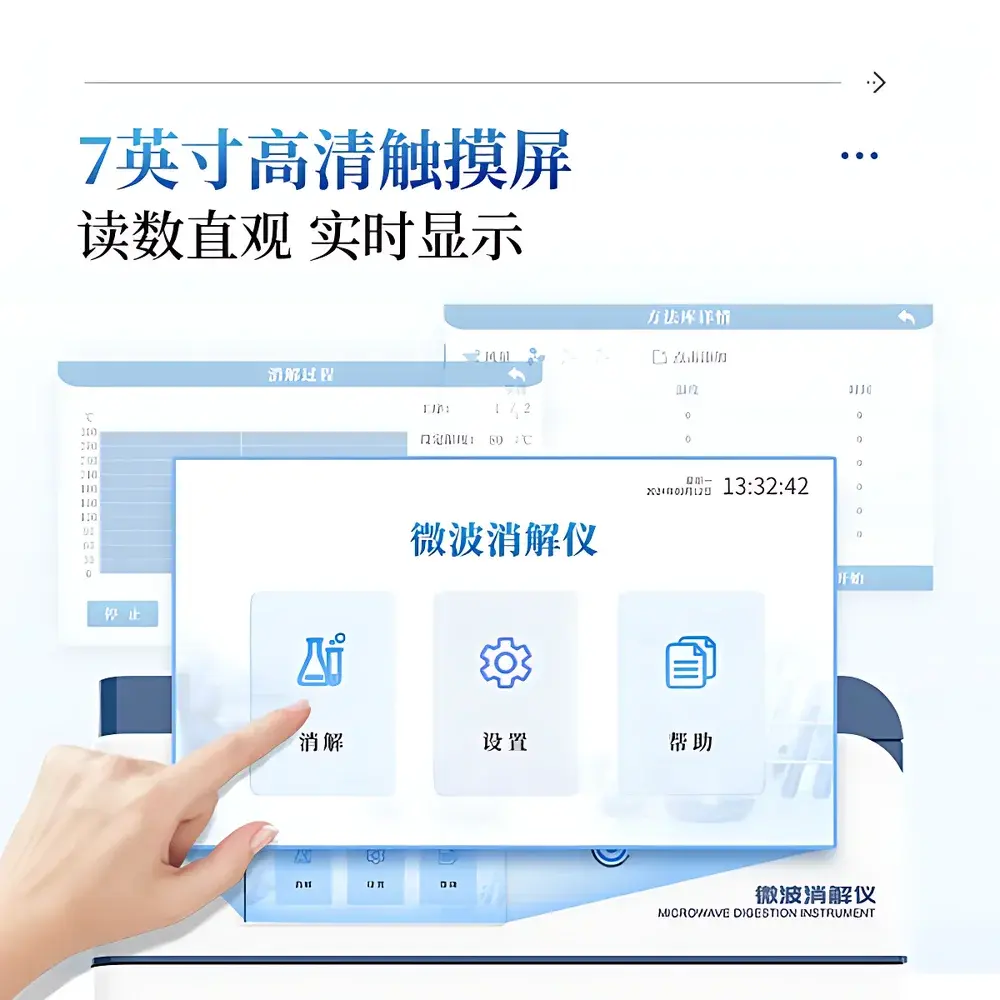
The embedded control interface provides intuitive method setup, real-time graphical display of temperature/pressure curves, and automated post-run cooling sequencing. Raw acquisition data—including time-stamped thermal profiles, pressure transients, and power modulation history—is saved in .CSV format for external statistical analysis (e.g., JMP, Minitab) or import into laboratory information management systems (LIMS). Optional PC-based software enables remote monitoring, multi-user access control, electronic signature capture, and GLP/GMP-compliant audit trail generation—including operator ID, method version, vessel ID, and calibration event logs.
Applications
- Preparation of environmental samples (soil, sludge, fly ash) for ICP-MS/OES quantification of As, Cd, Cr, Pb, Hg, and Se per EPA 6020B
- Routine digestion of food and feedstuffs for nutritional mineral profiling (Ca, Mg, Fe, Zn, Cu) and contaminant screening (Al, Ni, Sn)
- Pharmaceutical raw material digestion prior to heavy metal testing under USP / elemental impurities guidelines
- Decomposition of polymer composites and electronic waste (e-waste) for recovery analysis of precious metals (Au, Pd, Pt) and restricted substances (Br, Cl, Sb)
- High-precision clinical specimen digestion (urine, serum, tissue homogenates) supporting reference method development for clinical chemistry accreditation
FAQ
What safety certifications does the IN-WB4 hold?
The system is CE-marked for EMC and low-voltage directive compliance; it includes dual redundant pressure sensors, infrared thermal cutoff, and mechanical burst-disk protection meeting ISO 14118:2015 requirements for pressurized reaction equipment.
Can the IN-WB4 be used with hydrofluoric acid (HF)?
Yes—PTFE inner vessels and PEEK outer sleeves provide verified resistance to HF concentrations up to 10% v/v at ≤220 °C; however, HF digestion requires dedicated ventilation and PPE per OSHA 1910.1200 hazard communication standards.
Is method validation documentation available?
COMECAUSE supplies a comprehensive validation package—including precision/repeatability studies, spike recovery data across 12 certified reference materials (CRMs), and uncertainty budgets—upon request for ISO/IEC 17025 implementation.
How is firmware updated?
Updates are delivered via encrypted USB stick with digital signature verification; each release undergoes regression testing against all pre-installed digestion protocols.
Does the system support multi-step digestion programs?
Yes—the controller supports up to five sequential ramp-hold segments per method, enabling complex protocols such as low-T chelation followed by high-T oxidative decomposition.



