


COMECAUSE YMJ-P Imaging-Based Leaf Area Meter
| Brand | COMECAUSE |
|---|---|
| Model | YMJ-P |
| Type | Imaging-Based Leaf Area Analyzer |
| Origin | Shandong, China |
| Manufacturer | COMECAUSE (Domestic Producer) |
| Width Range | 0–155 mm |
| Length Range | 0–2000 mm |
| Measurement Range | 1–600 cm² |
| Max Leaf Length | 0–290 mm |
| Max Leaf Width | 0–210 mm |
| Hole Detection Threshold | ≥0.1 cm² |
| Area Resolution | 0.001 cm² |
| Linear Resolution | 0.01 cm |
| Accuracy | ±1% (for area >30 cm²), ±2% (for area ≤30 cm²) |
| Response Time | 100 ms (average) |
| Operating Temperature | −30°C to +80°C |
| Relative Humidity | 0–100% RH |
| Software Platform | Windows 10 or later (min. 2 GB RAM, 50 GB HDD, USB 2.0 interface) |
| Camera | 16 MP CMOS sensor with auto-focus and high-intensity adjustable LED illumination |
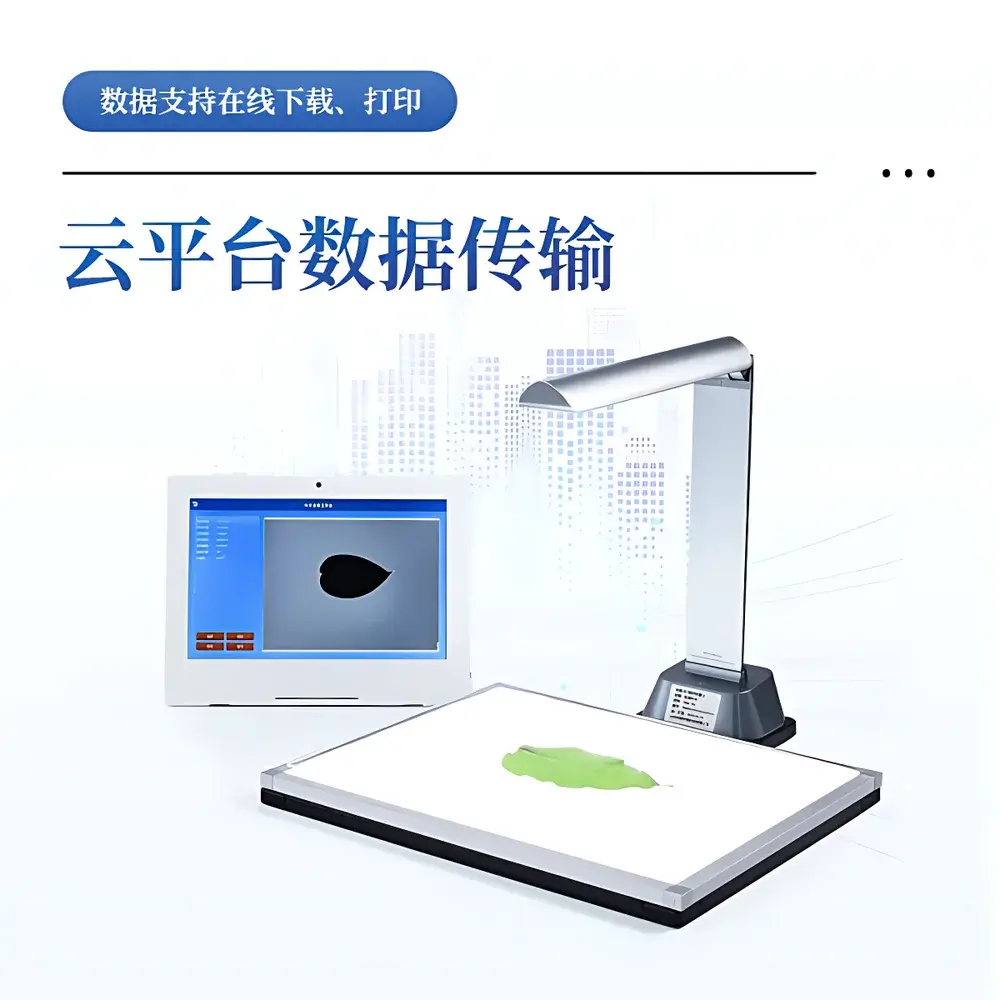
| Data Export | Excel (.xlsx), cloud-based time-series retrieval, trend visualization (line charts), audit-ready metadata logging |
Overview
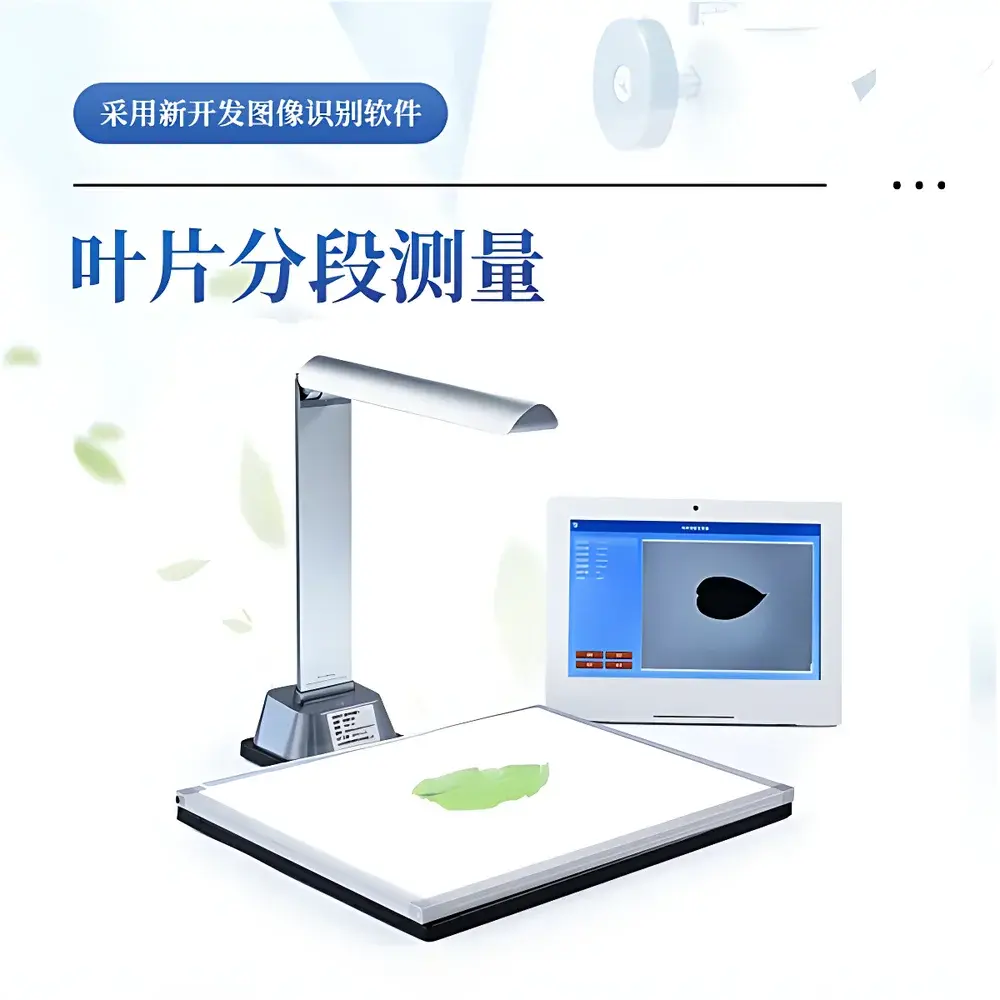
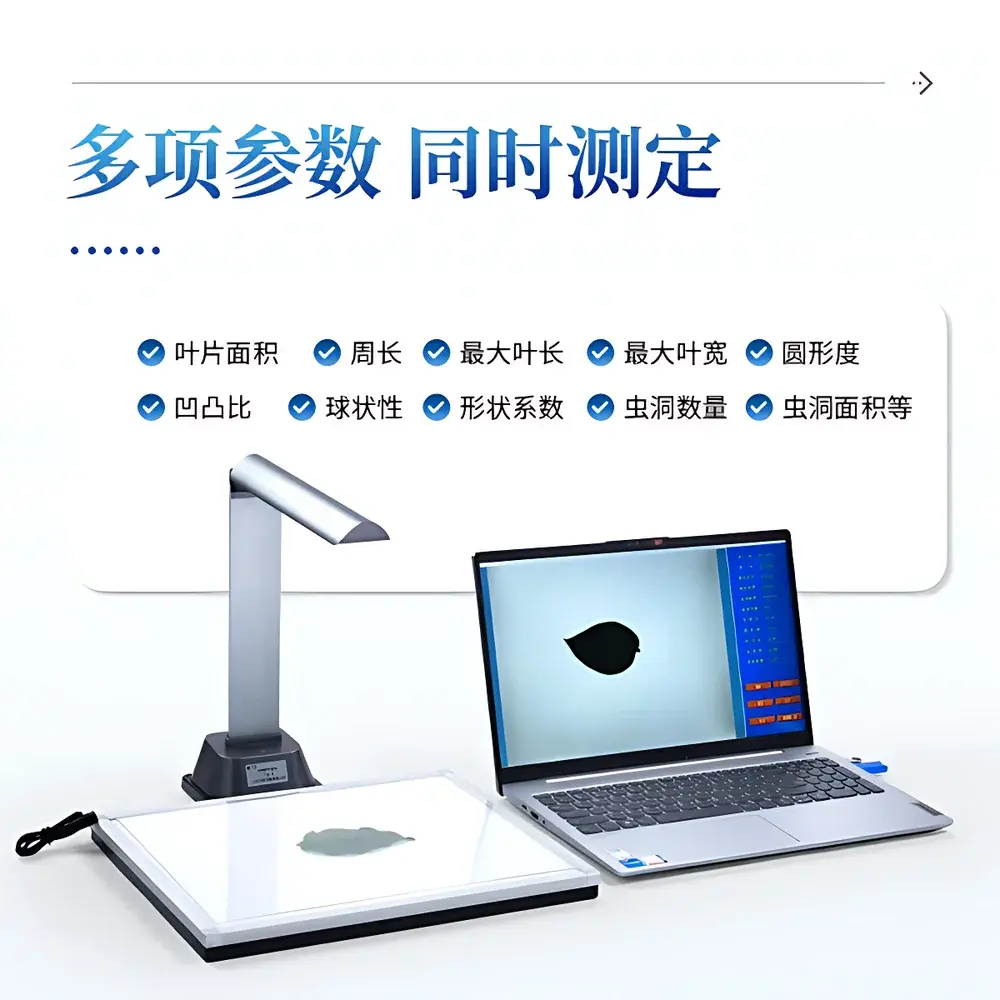
The COMECAUSE YMJ-P Imaging-Based Leaf Area Meter is a non-destructive, computer-vision-driven instrument engineered for precise morphometric analysis of plant leaves in field, greenhouse, and laboratory environments. It operates on the principle of digital image acquisition followed by algorithmic segmentation and geometric parameter extraction—leveraging edge detection, contour tracing, and pixel-to-physical-unit calibration to quantify leaf surface area, perimeter, maximum length and width, circularity, convexity ratio, sphericity, shape factor, and biotic damage metrics such as insect hole count and total lesion area. Unlike contact-based planimeters or destructive gravimetric methods, the YMJ-P eliminates physical handling artifacts and operator-induced variability, delivering reproducible, traceable, and spatially resolved measurements aligned with quantitative plant phenotyping standards.
Key Features
- High-fidelity 16 MP imaging module with auto-focus and intensity-tunable LED illumination ensures consistent contrast across diverse leaf textures, pigments, and lighting conditions.
- Proprietary image-processing engine performs real-time binary thresholding, noise suppression, and sub-pixel contour refinement—enabling reliable detection of holes ≥0.1 cm² and accurate quantification of irregular margins.
- Segmented large-leaf mode supports measurement of specimens exceeding native field-of-view (up to 2000 mm length); software automatically registers, stitches, and normalizes multi-frame acquisitions for unified morphometric reporting.
- Comprehensive output suite includes 12 standardized morphological descriptors—area, perimeter, max length/width, circularity, convexity ratio, sphericity, shape factor, rectangularity, hole count, total hole area, aspect ratio, and solidity—each traceable to NIST-traceable calibration protocols.
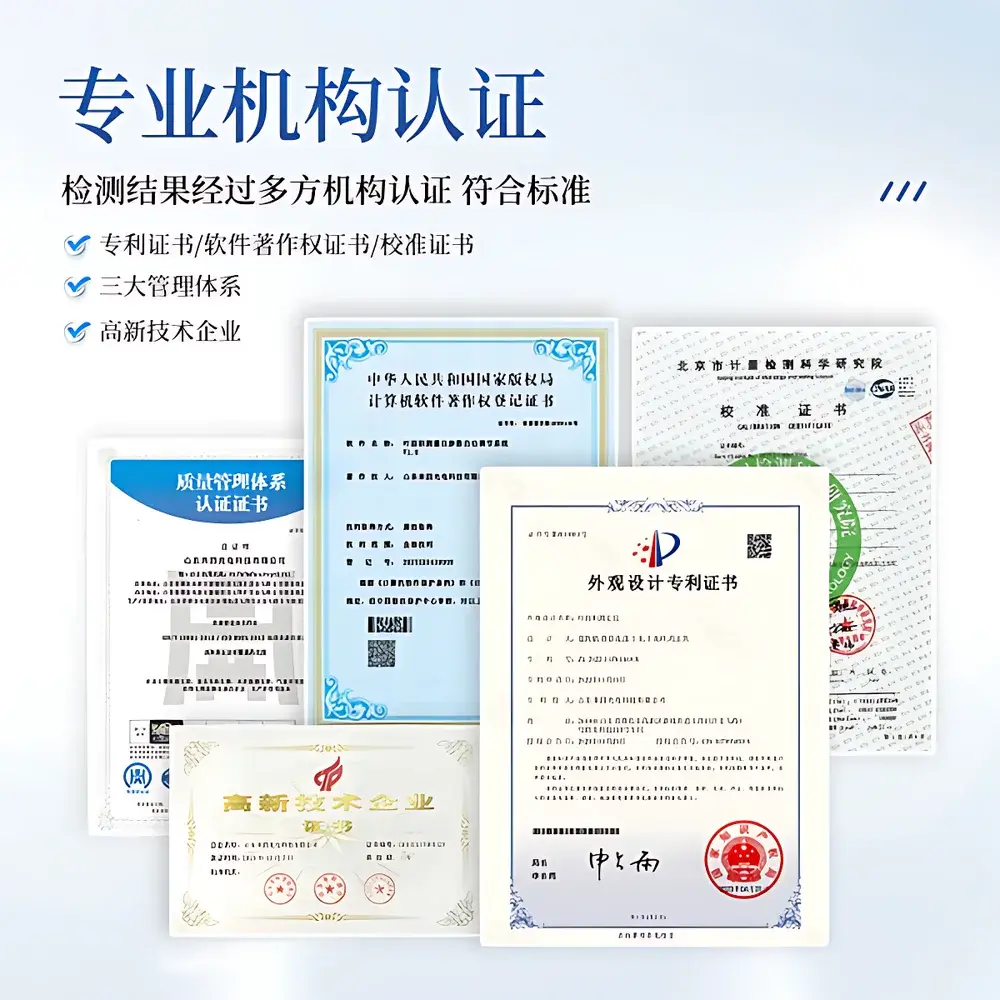
- Embedded metrological validation: accuracy certified at ±1% (area >30 cm²) and ±2% (area ≤30 cm²) under ISO 5725-2 repeatability conditions; long-term stability verified at <±2% drift over 12 months per internal QC logs.
Sample Compatibility & Compliance
The YMJ-P accommodates intact, damaged, or senescing leaves from angiosperms, gymnosperms, ferns, and monocots—including species with complex venation, pubescence, or translucency (e.g., Arabidopsis thaliana, Zea mays, Oryza sativa, Populus tremuloides). It complies with ASTM E2915-22 (Standard Practice for Evaluating Image-Based Morphometric Systems) and supports GLP-compliant workflows through timestamped, user-annotated, and immutable data capture. While not FDA 21 CFR Part 11-certified out-of-the-box, its audit trail architecture—including full metadata embedding (camera settings, calibration ID, operator ID, geotag if enabled), version-controlled software binaries, and encrypted local/cloud storage—facilitates validation for regulated agricultural research and breeding programs.
Software & Data Management
The YMJ-P software suite runs natively on Windows 10+ (minimum 2 GB RAM, 50 GB free disk space, USB 2.0 host port) and implements a tiered data architecture: raw TIFF images and processed JSON metadata are stored locally with configurable retention policies; anonymized aggregates synchronize securely to COMECAUSE’s ISO 27001-certified cloud platform via TLS 1.3. Users can query historical datasets by date range, treatment group, genotype, or phenotypic class; generate comparative line plots across parameters; export fully formatted Excel workbooks (with embedded units, uncertainty annotations, and calibration certificates); and schedule automated reports for longitudinal studies. All exported files retain embedded EXIF and XMP metadata compliant with MIAPPE v1.1 specifications.
Applications
- High-throughput phenotyping in crop improvement pipelines—tracking dynamic leaf expansion rates under drought, salinity, or nutrient stress.
- Entomological impact assessment—quantifying herbivory pressure via hole density, cumulative lesion area, and spatial distribution indices.
- Eco-physiological modeling—supplying validated inputs for stomatal conductance, photosynthetic capacity, and transpiration rate estimations.
- Herbarium digitization and taxonomic morphology—standardizing leaf shape descriptors for machine-learning–assisted species identification.
- Teaching laboratories—demonstrating principles of digital image analysis, geometric morphometrics, and experimental error reduction in plant science curricula.
FAQ
Does the YMJ-P require external calibration standards for routine use?
No—factory-applied pixel-to-mm calibration is retained across sessions; optional verification using NIST-traceable ceramic reference tiles (sold separately) is recommended quarterly for GLP audits.
Can the system process leaves with overlapping layers or folded edges?
It is optimized for single-layer, flat-lay placement; overlapping or severely curled specimens require manual pre-flattening or alternative modalities (e.g., 3D laser scanning).
Is offline operation supported without cloud connectivity?
Yes—full image capture, processing, and local export functions operate independently; cloud sync is optional and disabled by default.
What file formats are generated during measurement?
Raw: 16-bit TIFF (uncropped, unprocessed); Processed: JSON (metadata + parameters), PNG (binary mask + overlay), CSV (summary table).
How is measurement traceability ensured for regulatory submissions?
Each dataset embeds firmware version, calibration ID, operator login, acquisition timestamp (UTC), environmental log (if external sensors attached), and digital signature—fully exportable for audit packages.
Related Products




