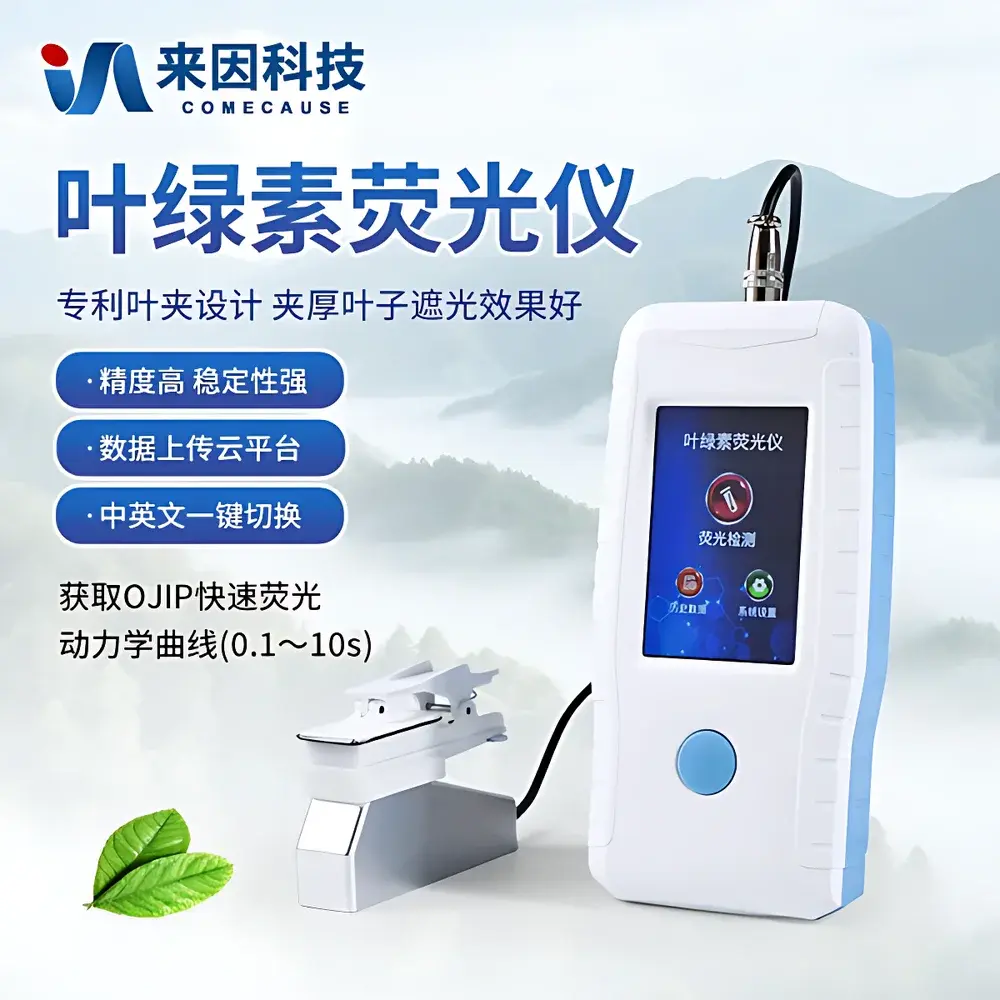
COMECAUSE IN-YS100 Handheld Chlorophyll Fluorescence Analyzer
| Brand | COMECAUSE |
|---|---|
| Origin | Shandong, China |
| Manufacturer | COMECAUSE (OEM/ODM Capable) |
| Model | IN-YS100 |
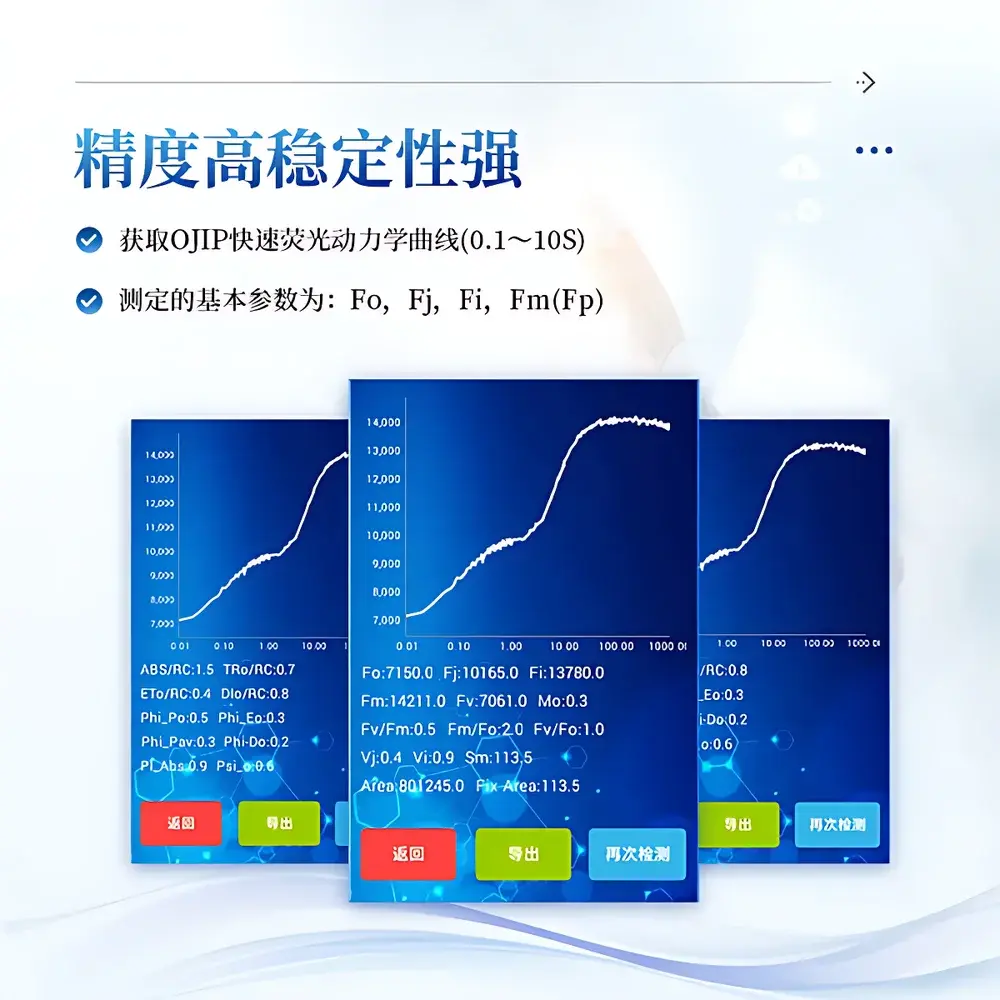
| Measurement Range | Fo, Fj, Fi, Fm (Fp) |
| Measurement Duration | ≤3 min per sample |
| ADC Resolution | 16-bit |
| Operating Temperature | −15–40 °C |
| Light Source | 455 nm LED (Blue) |
| Photosynthetic Photon Flux Density (PPFD) | 0–23,000 µmol·m⁻²·s⁻¹ |
| Sampling Interval | Down to 10 µs |
| Sensor Type | PIN photodiode with bandpass filter (emission >680 nm) |
| Gain Settings | 6 adjustable levels (1×, 2.3×, 4.2×, 5.6×, 15.6×, 20×) |
| Internal Storage | ≥99,999 datasets |
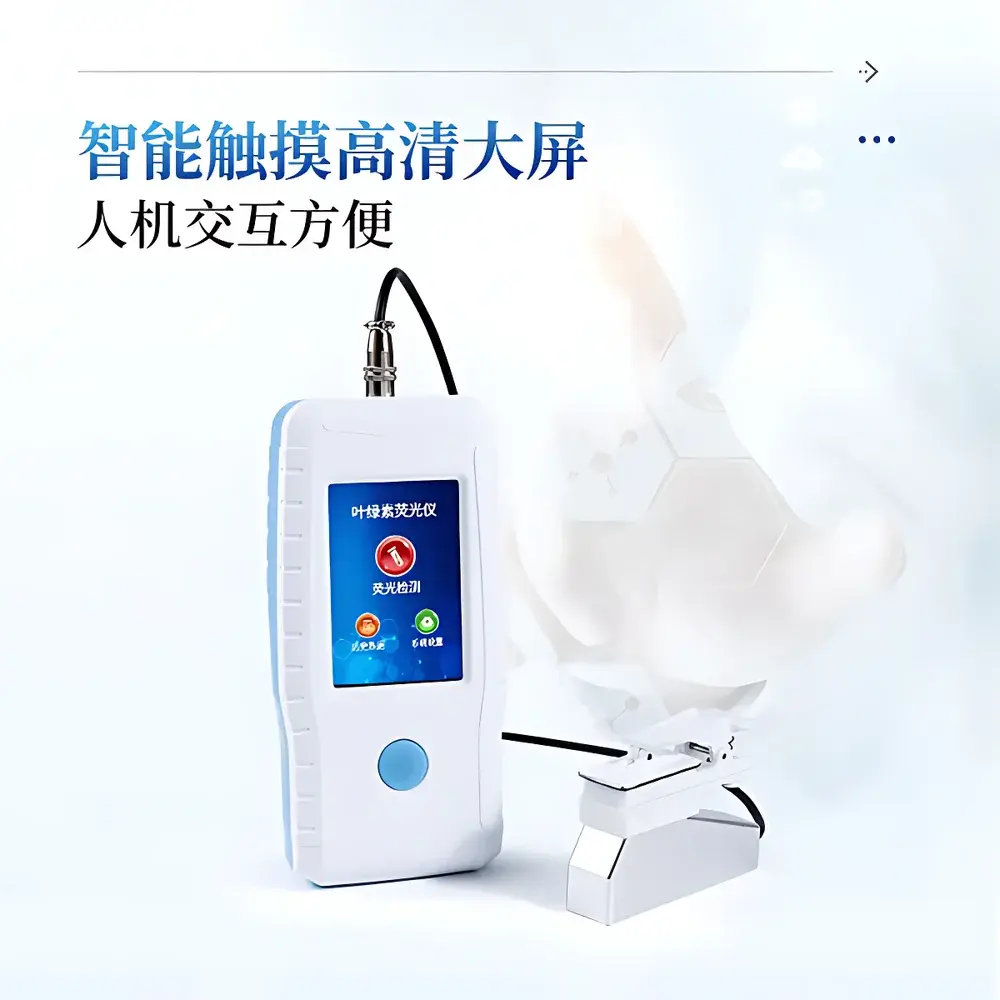
| Display | 3.5″ capacitive touchscreen (320 × 480 px) |
| Battery | 3.7 V / 10.5 Ah Li-ion, >20 h standby |
| Weight | 500 g (host: 380 g |
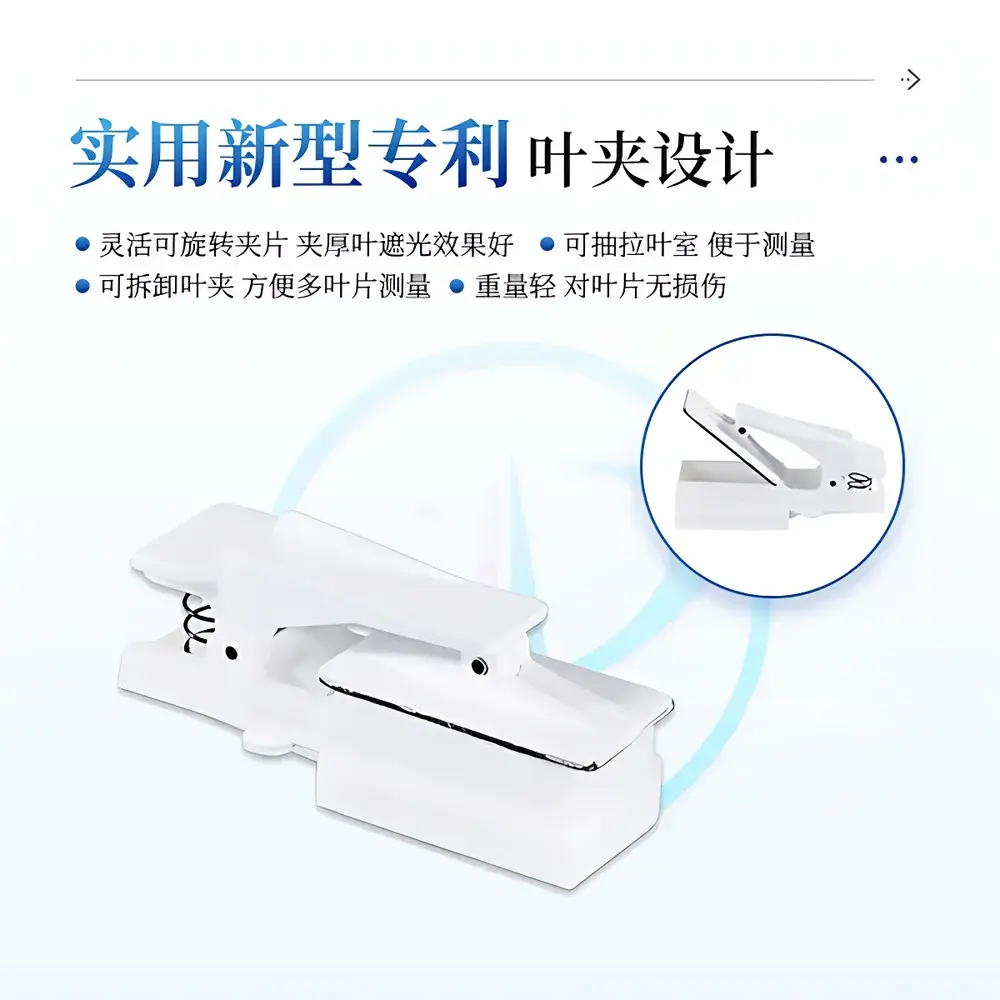
| probe | 120 g) |
| Dimensions (H×W×D) | 180 × 85 × 40 mm |
| Relative Humidity Range | 0–90% RH (non-condensing) |
| Storage Temperature | −20–50 °C |
Overview
The COMECAUSE IN-YS100 Handheld Chlorophyll Fluorescence Analyzer is a field-deployable, high-temporal-resolution instrument engineered for non-invasive assessment of photosynthetic performance in vivo. It operates on the principle of pulse-amplitude-modulated (PAM) chlorophyll a fluorescence kinetics, capturing the OJIP transient (0.1–10 s) following dark-adapted saturation pulses. By quantifying the redox state of Photosystem II (PSII) reaction centers and electron transport chain efficiency, the IN-YS100 delivers physiologically grounded metrics—including Fo (minimum fluorescence), Fj (fluorescence at 2 ms), Fi (fluorescence at 30 ms), and Fm (maximum fluorescence)—enabling robust diagnosis of photochemical stress, photoinhibition, nutrient limitation, and drought responses in terrestrial and aquatic plant systems.
Key Features
- High-speed acquisition with 10 µs minimum sampling interval—resolving early-phase fluorescence rise kinetics critical for J-step and I-step analysis.
- Calibrated 455 nm blue LED excitation source delivering PPFD up to 23,000 µmol·m⁻²·s⁻¹, compliant with ISO 10211:2021 requirements for standardized saturating pulse intensity.
- Six-step programmable sensor gain control (1× to 20×), ensuring optimal signal-to-noise ratio across diverse leaf thicknesses, pigment densities, and ambient light conditions.
- Integrated 16-bit analog-to-digital converter enabling precise quantification of fluorescence amplitude differences as low as 0.003% of Fm—essential for detecting subclinical stress signatures.
- Onboard computation of 26 biophysically validated parameters including Fv/Fm (maximal quantum yield), Mo (initial slope of OJIP curve), ABS/RC (absorption per reaction center), and PIAbs (performance index on absorption basis), all traceable to the Strasser–Tsimilli–Goltsev (STG) model.
- Ruggedized portable architecture: IP54-rated enclosure, −15–40 °C operational envelope, and 500 g total mass optimized for extended field surveys, canopy-level profiling, and greenhouse phenotyping workflows.
Sample Compatibility & Compliance
The IN-YS100 accommodates intact leaves from angiosperms, gymnosperms, bryophytes, and macroalgae without clipping or extraction. Its contactless measurement geometry (probe-to-leaf distance: 0–5 mm) preserves natural stomatal conductance and avoids mechanical perturbation artifacts. All fluorescence parameters adhere to the Minimal Fluorescence Protocol (MFP) defined in ASTM E2970-23 and align with the standardization framework of the International Society of Photosynthesis Research (ISPR). Firmware supports GLP-compliant metadata tagging (operator ID, GPS coordinates via paired smartphone, timestamp, ambient temperature/humidity logs) and meets audit-trail requirements for regulated environmental monitoring under ISO 17025-accredited laboratories.
Software & Data Management
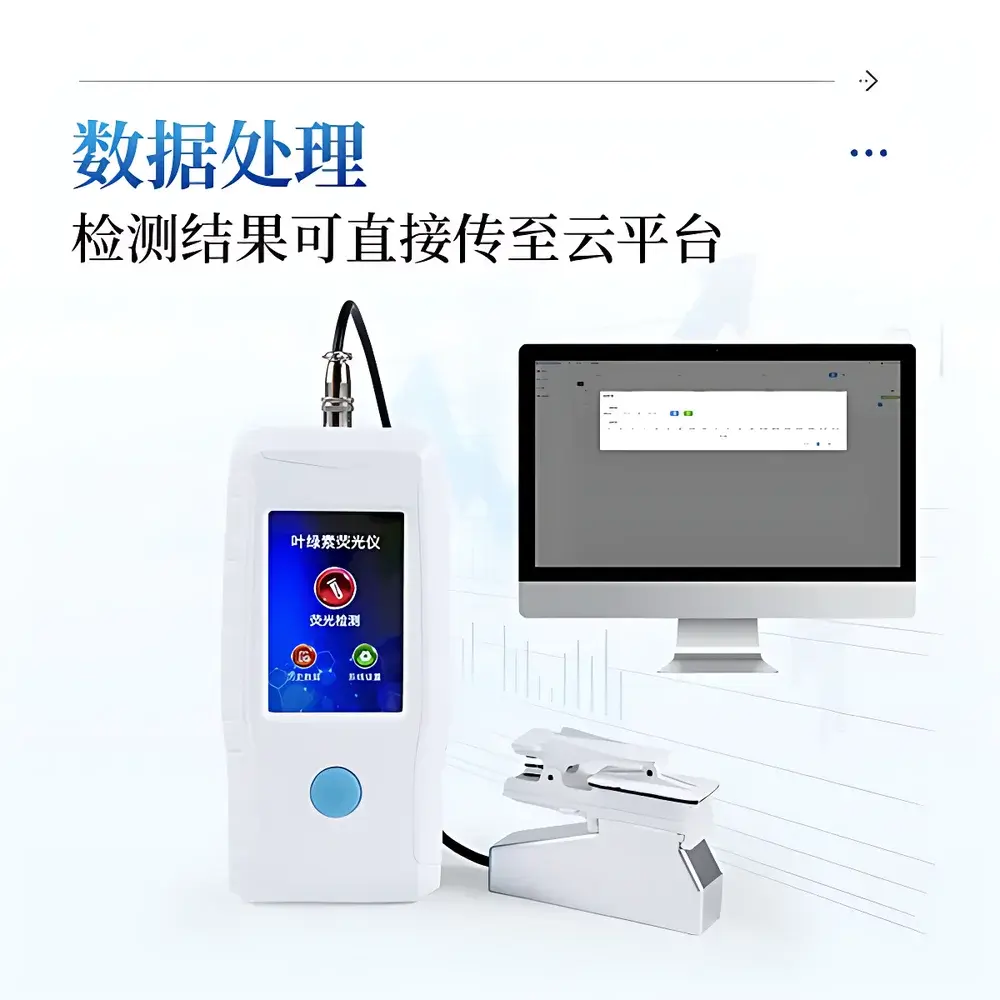
Data acquisition, visualization, and export are managed through an embedded Linux-based OS with dual-mode connectivity: Wi-Fi 802.11n for real-time upload to the COMECAUSE Cloud Platform (TLS 1.3 encrypted), and USB-C/USB-A interfaces for direct transfer to Windows/macOS workstations. The platform provides version-controlled firmware updates, batch processing of OJIP curves using Savitzky–Golay smoothing, and export of raw time-series (.csv), processed parameters (.xlsx), and annotated plots (.png/.pdf). Cloud-hosted datasets support role-based access control, automated QC flagging (e.g., Fo drift >5%, Fm saturation failure), and integration with third-party statistical tools (R, Python Pandas) via RESTful API. All data exports include full traceability headers compliant with FDA 21 CFR Part 11 electronic record requirements.
Applications
- Field-based screening of crop cultivars for abiotic stress tolerance (drought, salinity, heavy metals).
- Longitudinal monitoring of forest health during climate-induced dieback events.
- Validation of photosynthetic efficiency in controlled-environment agriculture (CEA) and vertical farming systems.
- Ecophysiological studies of invasive species establishment mechanisms under changing light regimes.
- Education and training in plant ecophysiology labs—supporting undergraduate and graduate curricula aligned with ASABE S576.1 standards.
- Pre-harvest quality assessment in viticulture and horticulture, correlating Fv/Fm with sugar accumulation and anthocyanin synthesis.
FAQ
What does “OJIP” refer to in chlorophyll fluorescence analysis?
OJIP denotes the characteristic fluorescence induction curve: O (origin, Fo), J (intermediate step at ~2 ms), I (inflection at ~30 ms), and P (peak, Fm). It reflects sequential reduction states of the PSII acceptor side and is mathematically linked to electron transport fluxes.
Is the IN-YS100 compatible with dark-adapted and light-adapted measurements?
Yes—the instrument supports both protocols. Dark adaptation (≥20 min) enables Fo/Fm determination; built-in actinic light mode permits rapid light-response curve (RLC) generation using incremental PAR steps.
How is calibration maintained across field deployments?
The system includes factory-calibrated reference diodes and user-accessible zero-offset correction routines. No consumables or external standards are required for routine operation.
Can multiple users share measurement protocols?
Yes—protocols (gain settings, pulse duration, sampling frequency) are saved as named templates and can be exported/imported via USB or cloud sync.
Does the device meet international regulatory requirements for environmental monitoring?
It conforms to IEC 61000-6-3 (EMC emissions) and IEC 61000-6-2 (immunity), and its data structure satisfies metadata requirements of the EU INSPIRE Directive Annex III (Environmental Monitoring).