
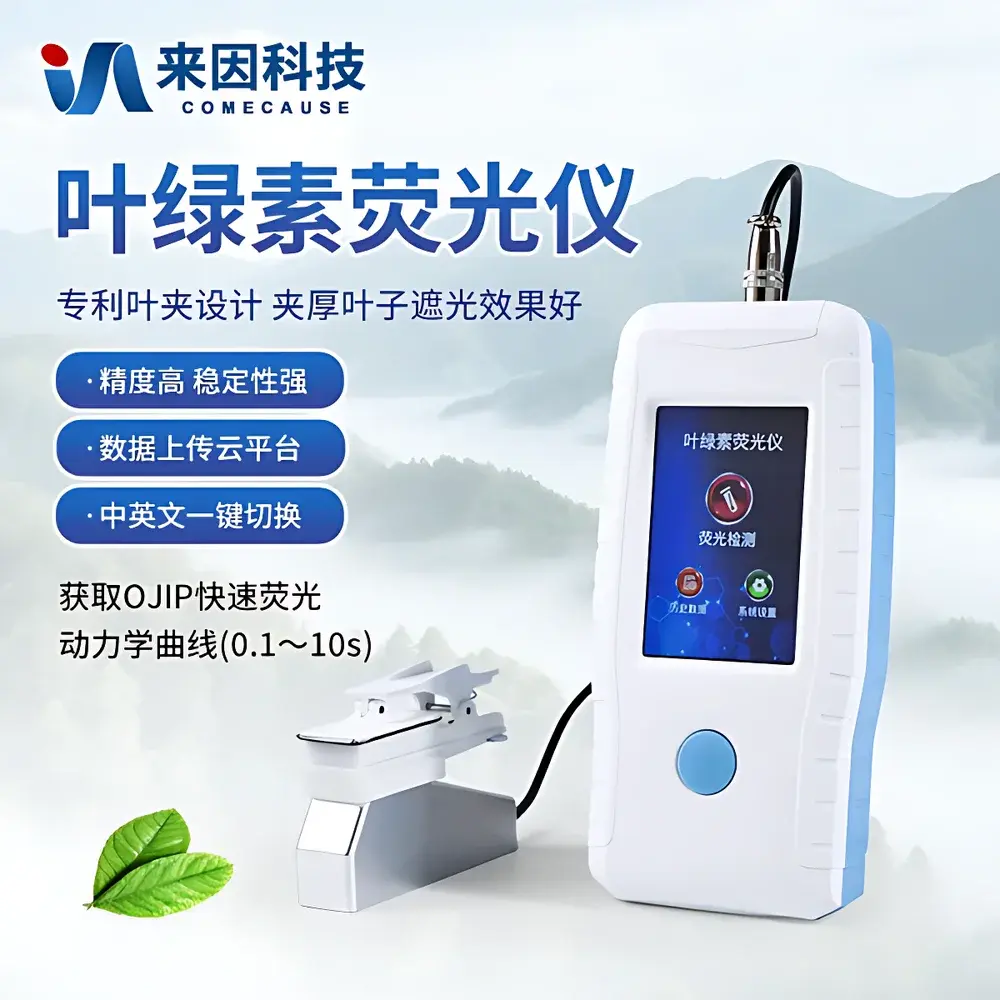
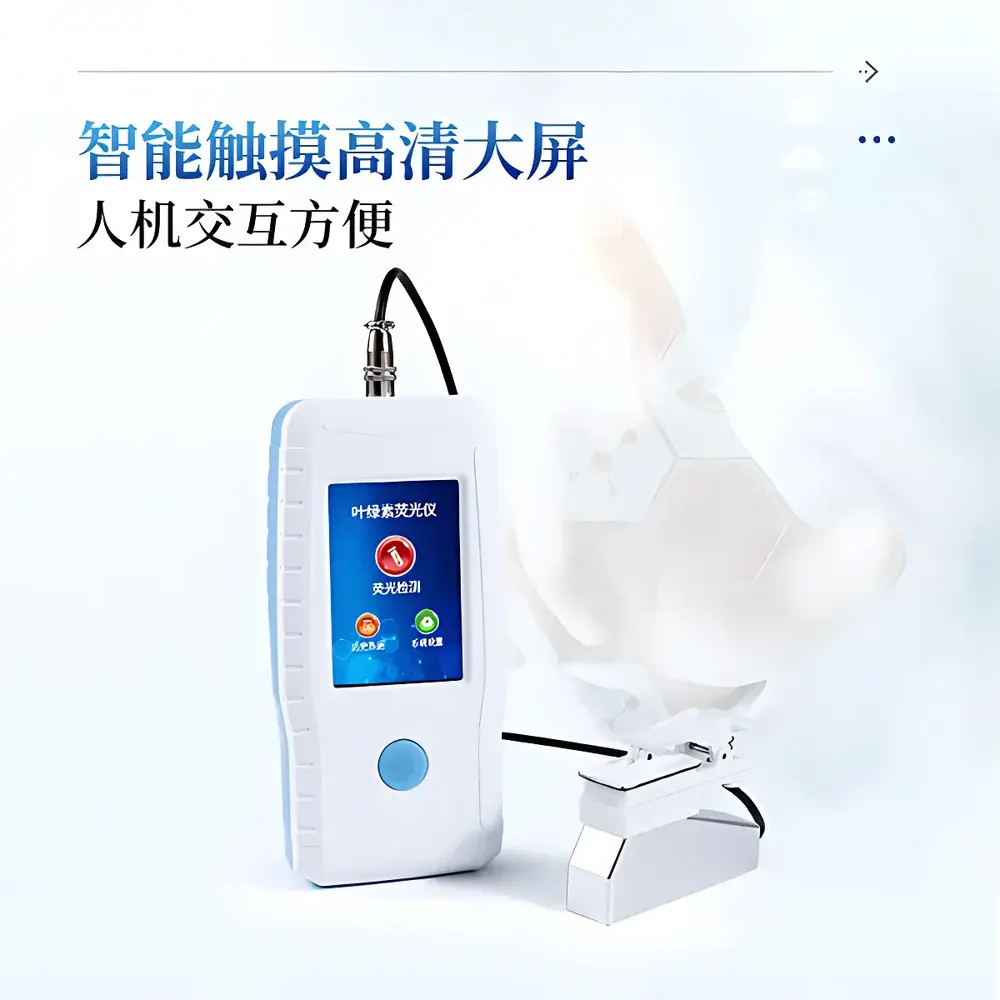
COMECAUSE IN-YS100 Portable Chlorophyll Fluorescence Analyzer
| Brand | COMECAUSE |
|---|---|
| Origin | Shandong, China |
| Manufacturer Type | Direct Manufacturer |
| Model | IN-YS100 |
| Measurement Range | Fo, Fj, Fi, Fm (Fp) |
| Measurement Duration | 3 minutes |
| ADC Resolution | 16-bit |
| Operating Temperature | −15 °C to 40 °C |
| Light Source | 455 nm LED |
| Maximum Actinic Irradiance | 23,000 μmol·m⁻²·s⁻¹ |
| Sampling Rate | 10 μs |
| Sensor | PIN photodiode with fluorescence bandpass filter |
| Gain Settings | 6 adjustable levels (1×, 2.3×, 4.2×, 5.6×, 15.6×, 20×) |
| Storage Capacity | 99,999 datasets |
| Display | 3.5″ capacitive touchscreen (320 × 480 px) |
| Power | Internal 3.7 V / 10.5 Ah Li-ion battery (20 h standby) |
| Weight | 500 g (host: 380 g |
| probe | 120 g) |
| Dimensions (H × W × D) | 18 × 8.5 × 4 cm |
| Humidity Range | 0–90% RH (non-condensing) |
| Storage Temperature | −20 °C to 50 °C |
Overview
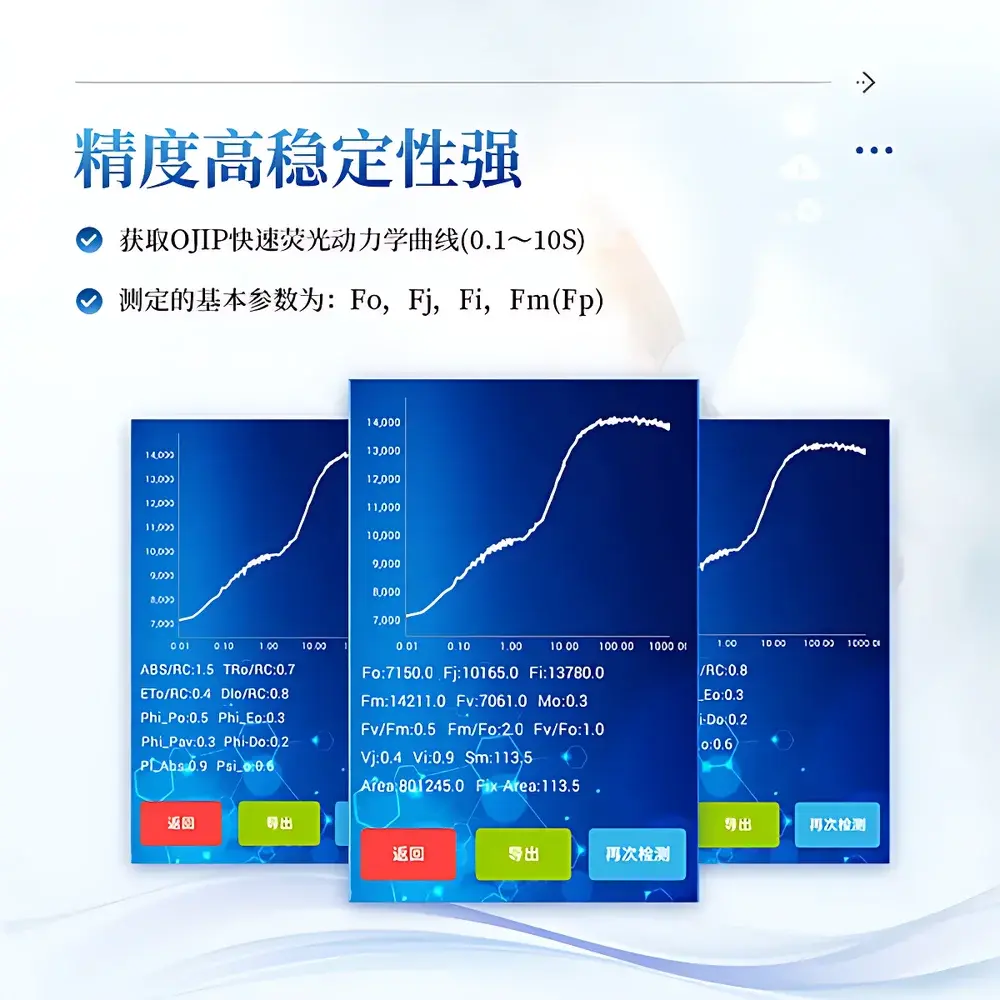
The COMECAUSE IN-YS100 is a portable, high-resolution chlorophyll fluorescence analyzer engineered for quantitative assessment of photosynthetic performance in vivo. It operates on the principle of pulse-amplitude modulated (PAM) fluorometry, leveraging a precisely controlled 455 nm blue LED excitation source and a spectrally optimized PIN photodiode sensor with narrow-band fluorescence filtering (typically centered at ~685 nm). The instrument captures the OJIP transient—a kinetic fluorescence rise curve spanning 0.1 to 10 seconds—enabling non-invasive evaluation of Photosystem II (PSII) photochemical efficiency, electron transport chain integrity, and stress-induced physiological perturbations. Its 16-bit analog-to-digital conversion and 10 µs minimum sampling interval ensure high temporal fidelity and signal reproducibility across diverse plant species and environmental conditions.
Key Features
- Full OJIP transient acquisition (0.1–10 s) with automated calculation of 26 biophysically meaningful parameters including Fo, Fj, Fi, Fm, Fv/Fm, ΦPo, PIAbs, ABS/RC, TRo/RC, ETo/RC, and ψEo
- Adjustable actinic irradiance up to 23,000 μmol·m⁻²·s⁻¹—compatible with both low-light acclimated and sun-exposed samples
- Six-step programmable sensor gain (1× to 20×) for optimal dynamic range adaptation across tissue types and chlorophyll densities
- Integrated thermal protection circuitry prevents LED spectral drift and output degradation during extended field use
- 3.5-inch capacitive touchscreen interface with intuitive menu navigation, real-time curve visualization, and on-device parameter annotation
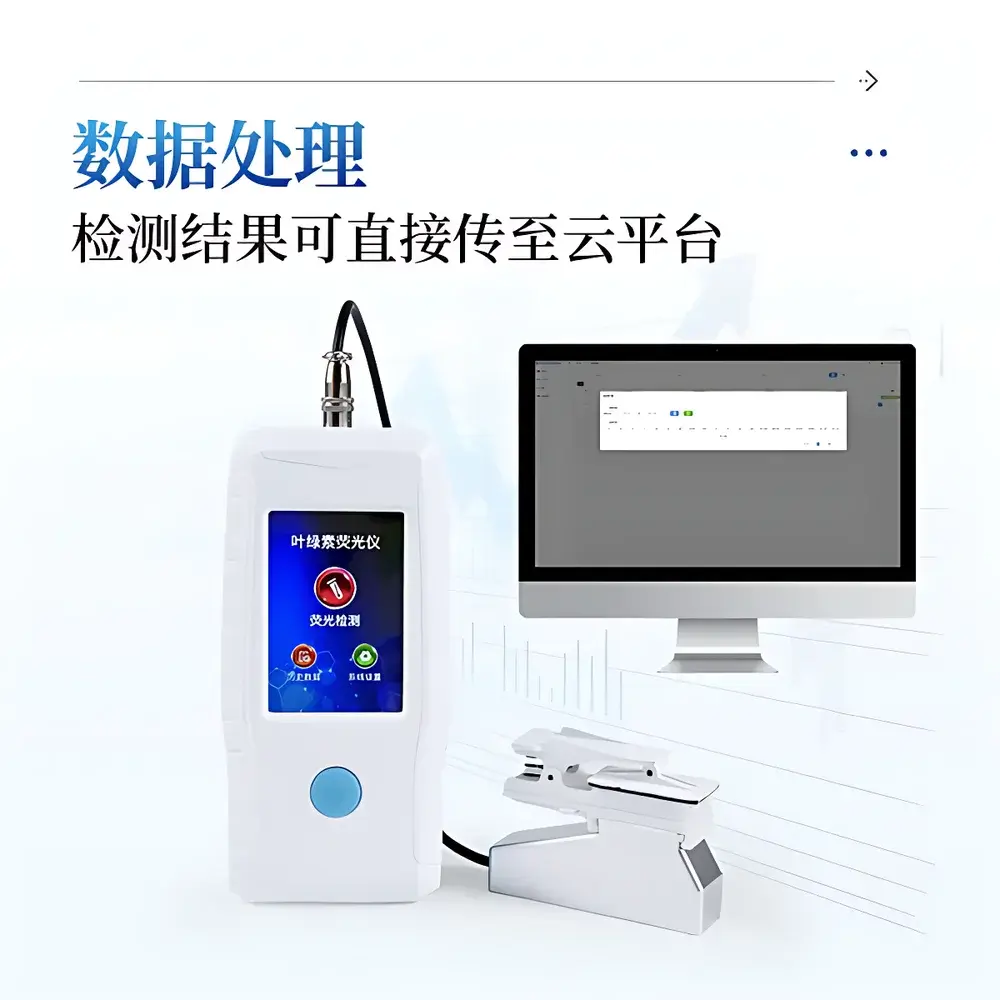
- Dual-mode data export: USB-C/USB-A wired transfer and secure Wi-Fi upload to cloud-based analytical platform with encrypted TLS 1.2 transmission
- Built-in timestamping, firmware version logging, and device ID tracking—supporting GLP-compliant experimental traceability
Sample Compatibility & Compliance
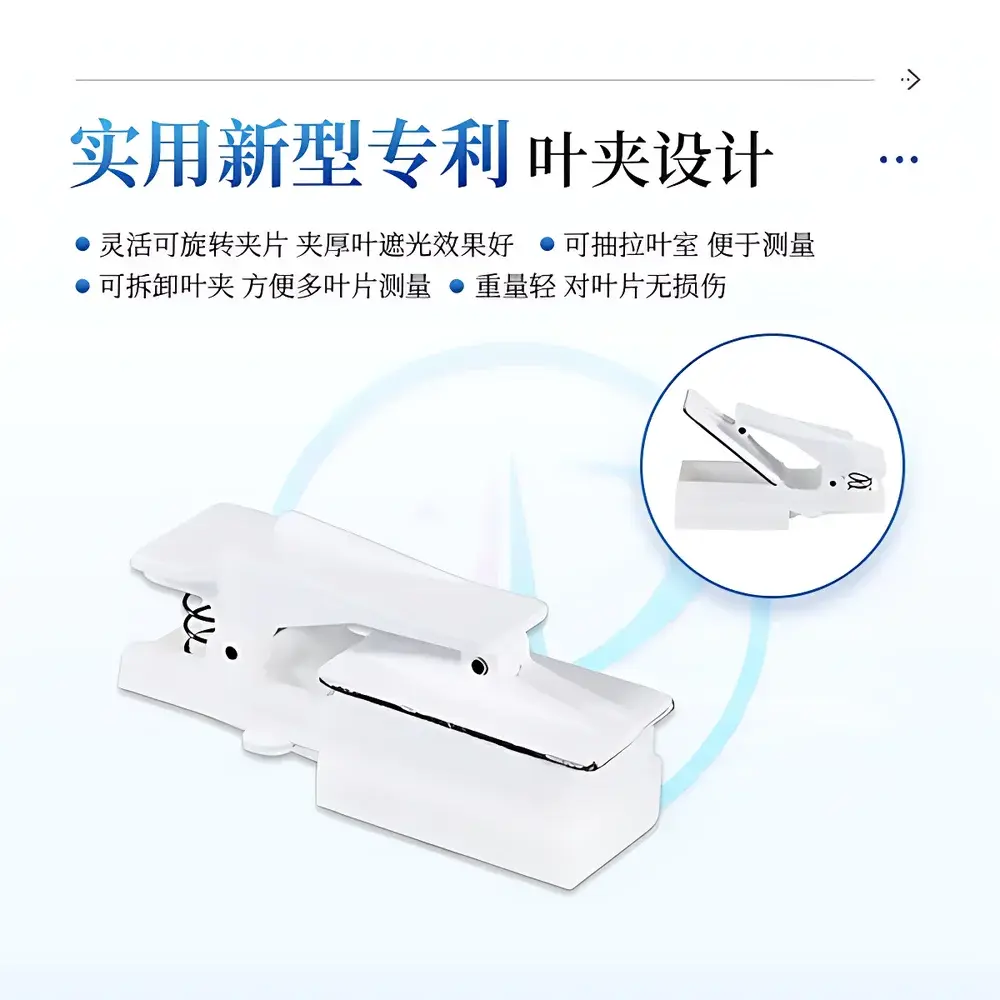
The IN-YS100 is validated for leaf-level measurements on herbaceous and woody angiosperms, gymnosperms, and bryophytes. Its compact probe design (120 g) enables stable clamping on leaves ≥1.5 cm wide without mechanical compression artifacts. The instrument meets IEC 61000-4-2 (ESD immunity) and IEC 60529 IP54 specifications for dust and splash resistance. Data acquisition workflows align with ISO 10211:2021 (plant stress phenotyping protocols) and support audit-ready documentation required under GLP and GMP-regulated botanical research environments. Firmware includes configurable metadata tagging (operator ID, location GPS coordinates via paired mobile app, treatment group assignment), facilitating FAIR (Findable, Accessible, Interoperable, Reusable) data practices.
Software & Data Management
On-device firmware supports local storage of up to 99,999 complete OJIP datasets with embedded timestamps, gain settings, and actinic intensity logs. Exported Excel (.xlsx) files contain raw fluorescence values (in arbitrary units), normalized transients, and all derived parameters in standardized column headers compliant with Plant Phenomics Data Exchange Format (PPDEF v2.1). The companion cloud platform provides cohort-level statistical aggregation, PCA-based clustering of stress response profiles, and automated generation of publication-ready figures (including JIP-test bar charts and energy flux diagrams). All user actions—including parameter edits, dataset deletions, and firmware updates—are recorded in an immutable audit trail satisfying FDA 21 CFR Part 11 requirements for electronic records and signatures.
Applications
- Early detection of abiotic stress responses (drought, salinity, heavy metal exposure, temperature extremes)
- Screening of crop germplasm for PSII resilience and photoprotective capacity
- Longitudinal monitoring of photosynthetic recovery post-stress or after herbicide application
- Validation of transgenic lines with altered non-photochemical quenching (NPQ) kinetics
- Ecophysiological studies in natural and managed ecosystems—including canopy-layer stratification analysis when combined with handheld GPS and spectral reflectance data
- Teaching laboratories: real-time demonstration of light-adaptation kinetics and Hill reaction principles
FAQ
What is the recommended calibration protocol for long-term measurement consistency?
The IN-YS100 does not require routine optical recalibration; however, users should perform daily dark-adaptation verification using a certified black reference cap and validate Fo stability across three consecutive measurements (CV ≤ 2.5%).
Can the device operate continuously during multi-day field campaigns?
Yes—the 10.5 Ah battery supports ≥12 hours of active measurement (at 3-min cycle intervals) and 20 hours of standby. Optional external power banks (5 V/3 A USB-PD compatible) enable uninterrupted operation.
Is the cloud platform accessible via institutional SSO or LDAP integration?
Enterprise-tier subscriptions support SAML 2.0–based single sign-on and role-based access control (RBAC) aligned with university or government IT security policies.
Does the instrument comply with ASTM E2912-21 for plant stress assay validation?
While not formally certified to ASTM E2912-21, its OJIP acquisition methodology, parameter definitions, and uncertainty propagation models are fully consistent with the standard’s technical annexes on fluorescence-based stress indices.
How is sensor drift compensated during extended thermal exposure?
Real-time ambient temperature feedback from dual NTC sensors (mounted adjacent to LED and detector) triggers automatic gain and offset compensation algorithms embedded in firmware v3.2+.




