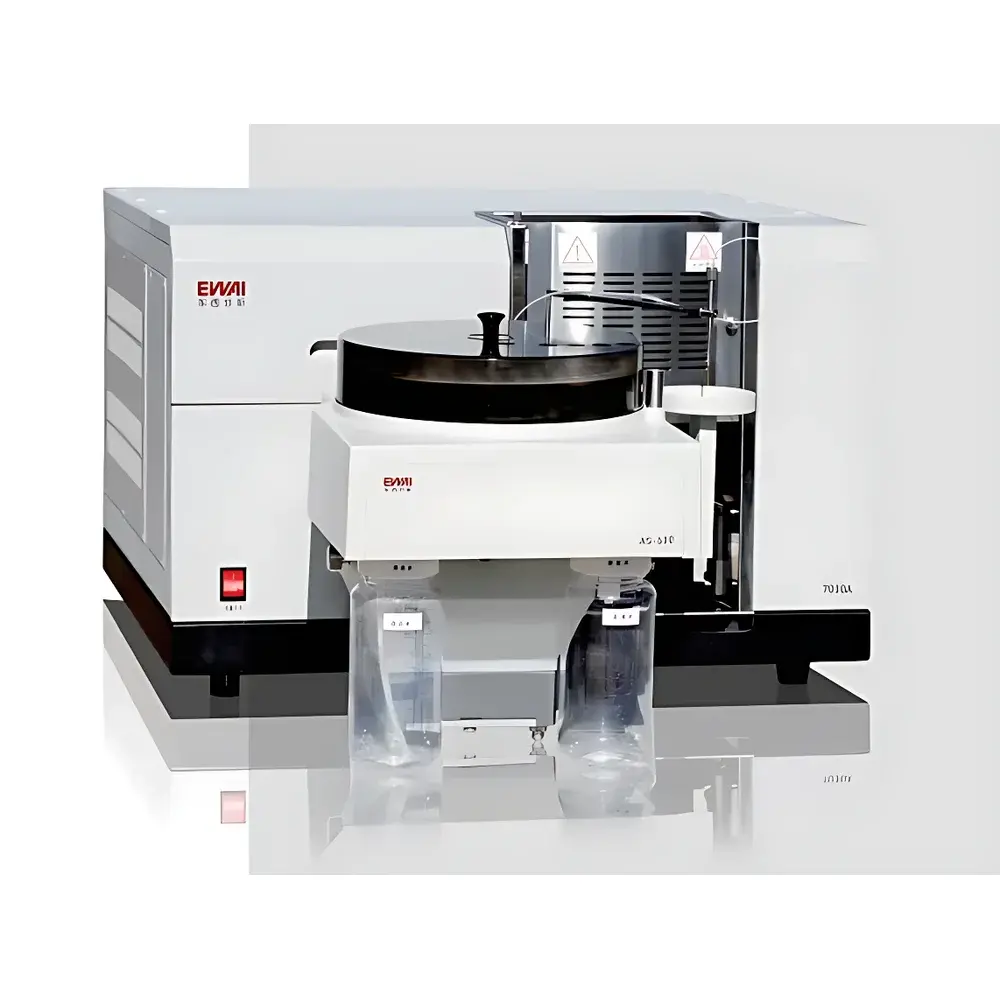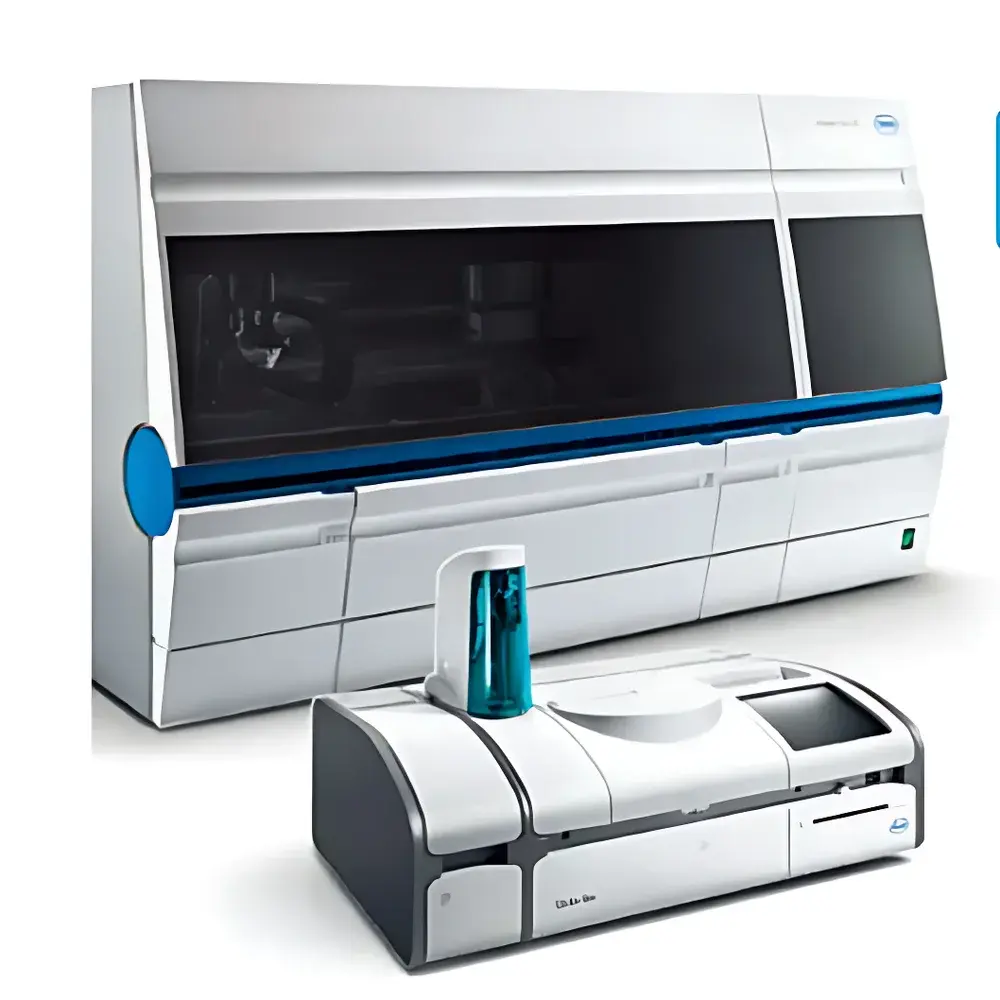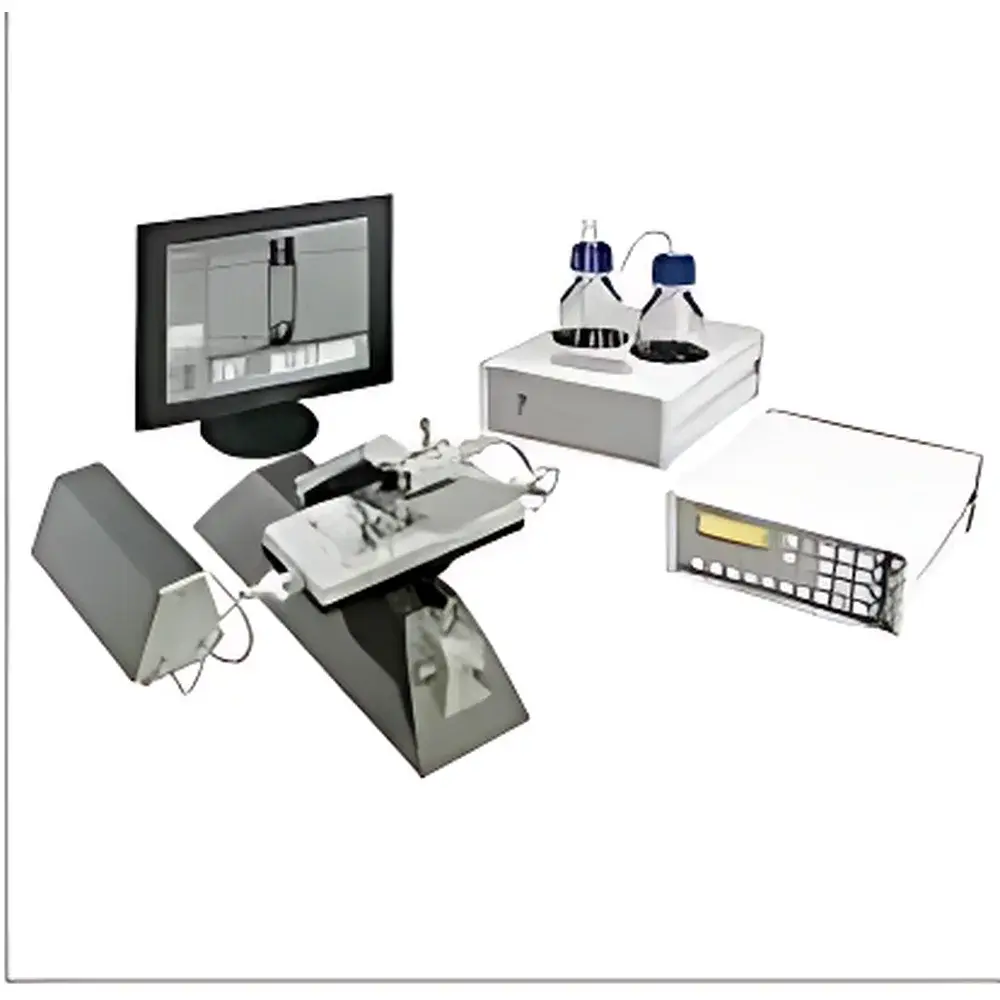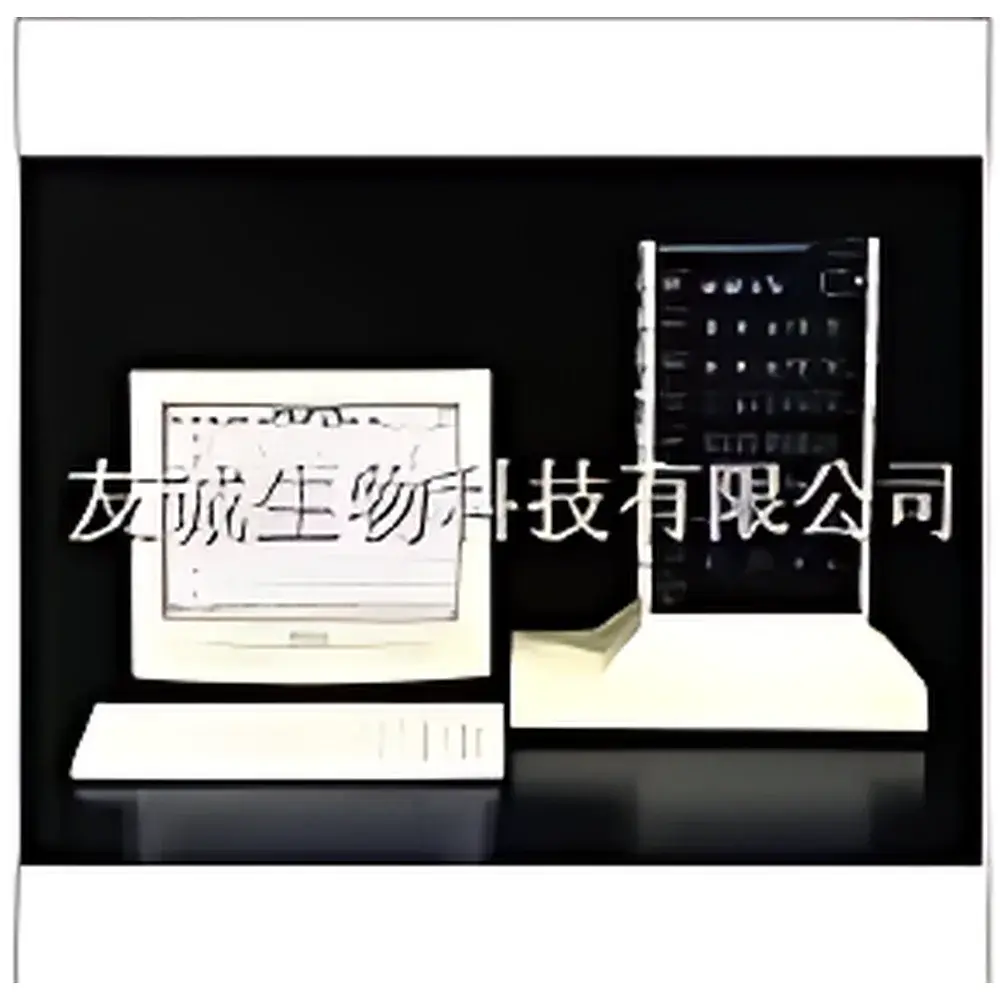
Coulbourn LabLincV Multi-Channel Physiological Data Acquisition System
| Origin | USA |
|---|---|
| Manufacturer Type | Distributor |
| Origin Category | Imported |
| Model | LabLincV |
| Pricing | Upon Request |
Overview
The Coulbourn LabLincV is a modular, medical-grade multi-channel physiological data acquisition system engineered for high-fidelity signal capture and real-time experimental control in preclinical, clinical, and translational research environments. Built upon a vertically stacked architecture with integrated safety interlocks, the system employs analog signal conditioning, low-noise amplification, and precision analog-to-digital conversion to support concurrent acquisition of electrophysiological, biomechanical, and autonomic signals—including ECG, respiration, skin conductance, blood flow, non-invasive blood pressure, temperature differentials, and strain gauge outputs. Its design adheres to fundamental principles of biomedical instrumentation: galvanic isolation for patient/subject safety, input-referred noise < 1.5 µV RMS (typical), common-mode rejection ratio > 100 dB at 60 Hz, and input impedance ≥ 10 GΩ per channel—ensuring minimal loading effects on biological sources. The LabLincV operates as a hardware platform compatible with both standalone monitoring and computer-based virtual instrumentation, supporting integration into GLP-compliant workflows where traceability and signal integrity are critical.
Key Features
- Modular vertical stacking architecture with medical-grade power base and mechanical safety interlock—prevents energization until modules are fully seated.
- Front-panel unobstructed layout: sensor/electrode inputs located along one side; module interconnects routed rearward to maximize visibility and tactile access.
- UL 60601-1 and AAMI ES60601-1 compliant patient-contact circuitry—validated for human and non-human subject use under IEC 60601-2-51 and ISO 14155 requirements.
- Distributed signal processing: each functional module (e.g., ECG/respiratory, skin conductance, strain bridge) performs dedicated analog conditioning prior to digitization, minimizing cross-talk and preserving dynamic range.
- Flexible computer interface options including LabLinc WinPAQ Port (V19-02), National Instruments E-Series DAQ compatibility (V19-22), and industrial-standard parallel I/O for deterministic timing-critical stimulus delivery.
- Scalable channel count: base configuration supports 8–32 simultaneously sampled channels depending on module selection; expandable via additional signal couplers and discriminators (e.g., V21-10 dual comparator/window discriminator).
Sample Compatibility & Compliance
The LabLincV system is validated for use with human subjects in IRB-approved clinical studies and with rodent, canine, porcine, and non-human primate models in AAALAC-accredited facilities. All patient-contact modules meet biocompatibility requirements per ISO 10993-1 and electrical safety standards per IEC 60601-1 Ed. 3.2. Signal acquisition pathways comply with FDA guidance for physiologic monitoring devices (CDRH Guidance #G97-1) and support audit-ready documentation when paired with compliant software environments. The system’s isolation barriers and leakage current limits (< 10 µA) satisfy requirements for direct cardiac and neural recording applications under ANSI/AAMI EC53 and ASTM F2503.
Software & Data Management
LabLincV interfaces natively with DATAQ WinDAQ software (included), providing real-time visualization, event-triggered acquisition, digital filtering (Butterworth, Bessel), and export to CSV, MATLAB (.mat), and EDF+ formats. For regulated environments, the system supports integration with third-party platforms compliant with 21 CFR Part 11—including electronic signatures, audit trails, and role-based access control—when used with validated drivers and configuration management protocols. All module configurations are stored as XML-based profiles, enabling reproducible setup across sessions and laboratories. Raw ADC data is timestamped with microsecond resolution using onboard crystal-controlled clocks synchronized to host PC time via IEEE 1588-compatible triggers.
Applications
- Autonomic nervous system assessment: simultaneous measurement of electrodermal activity (EDA), heart rate variability (HRV), respiratory sinus arrhythmia (RSA), and pupillometry.
- Preclinical cardiovascular pharmacology: non-invasive blood pressure trending (V72-34), pulse wave velocity analysis, and ventricular contractility indexing via strain gauge transducers (V72-25A).
- Neurobehavioral testing: integration with operant chambers and sensory stimulus generators for fear conditioning, startle reflex, and biofeedback paradigms.
- Hearing and vestibular research: precise timing synchronization between auditory stimuli (via V19-02 port) and evoked potential recordings.
- GMP-aligned method development: validation-ready signal paths for device equivalence testing and ISO 13485-compliant instrument qualification (IQ/OQ/PQ).
FAQ
Is the LabLincV system suitable for FDA-submitted clinical trial data collection?
Yes—when deployed with validated software (e.g., WinDAQ Pro+ under 21 CFR Part 11 configuration), documented calibration records, and controlled change management, it meets data integrity requirements for IDE and PMA submissions.
Can individual modules operate independently without the base station?
Certain signal couplers (e.g., V71-23, V73-22) include internal power regulation and analog output jacks, permitting standalone oscilloscope or chart recorder use—but full functionality (timing sync, digital output, software control) requires connection to the powered base.
What is the maximum sampling rate per channel?
Standard configurations support up to 10 kHz aggregate sampling across all active channels; higher rates (up to 100 kHz) are achievable with selective channel activation and optimized buffer settings.
Does Coulbourn provide installation qualification (IQ) documentation?
Yes—factory-issued IQ templates, cable schematics, module calibration certificates (NIST-traceable), and firmware revision logs are provided with each shipment.
Are replacement modules backward-compatible with legacy LabLinc systems?
LabLincV modules are mechanically and electrically incompatible with earlier LabLinc II or LabLinc III generations due to revised bus architecture and enhanced isolation standards—but signal output formats remain consistent for seamless data pipeline migration.