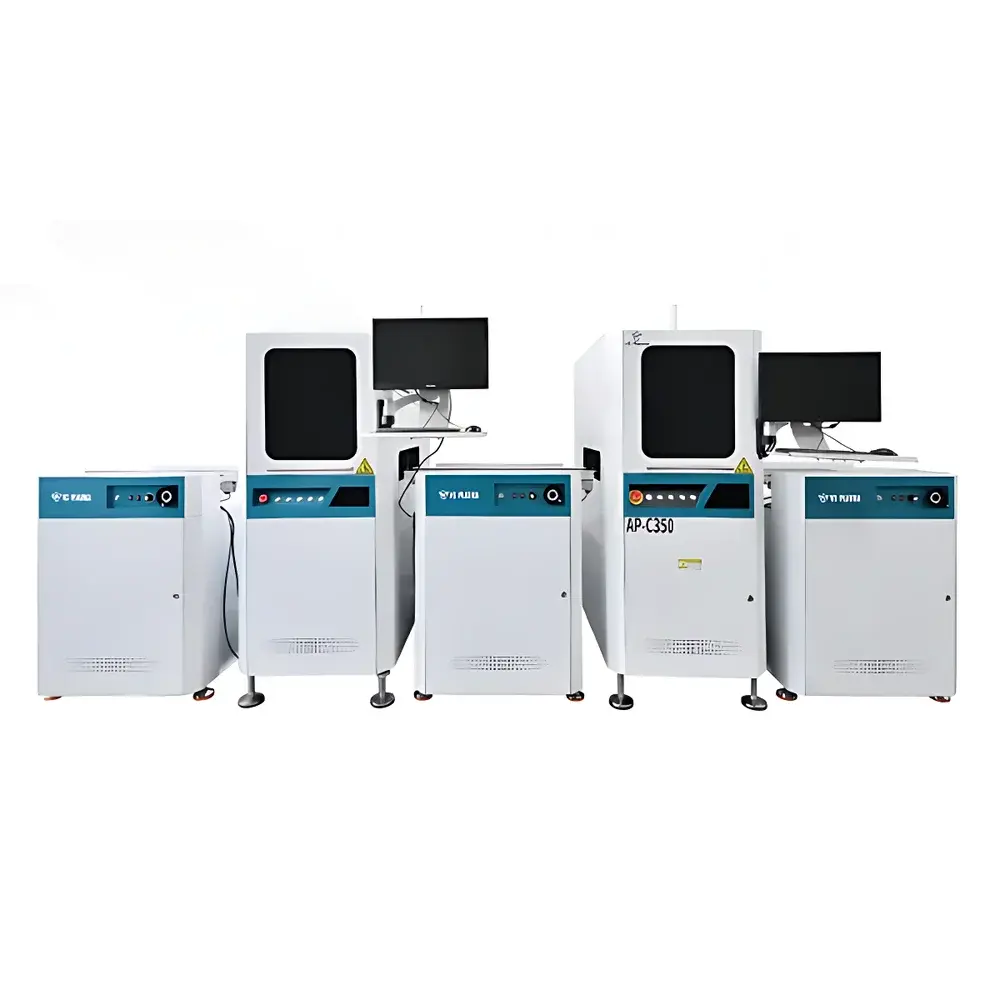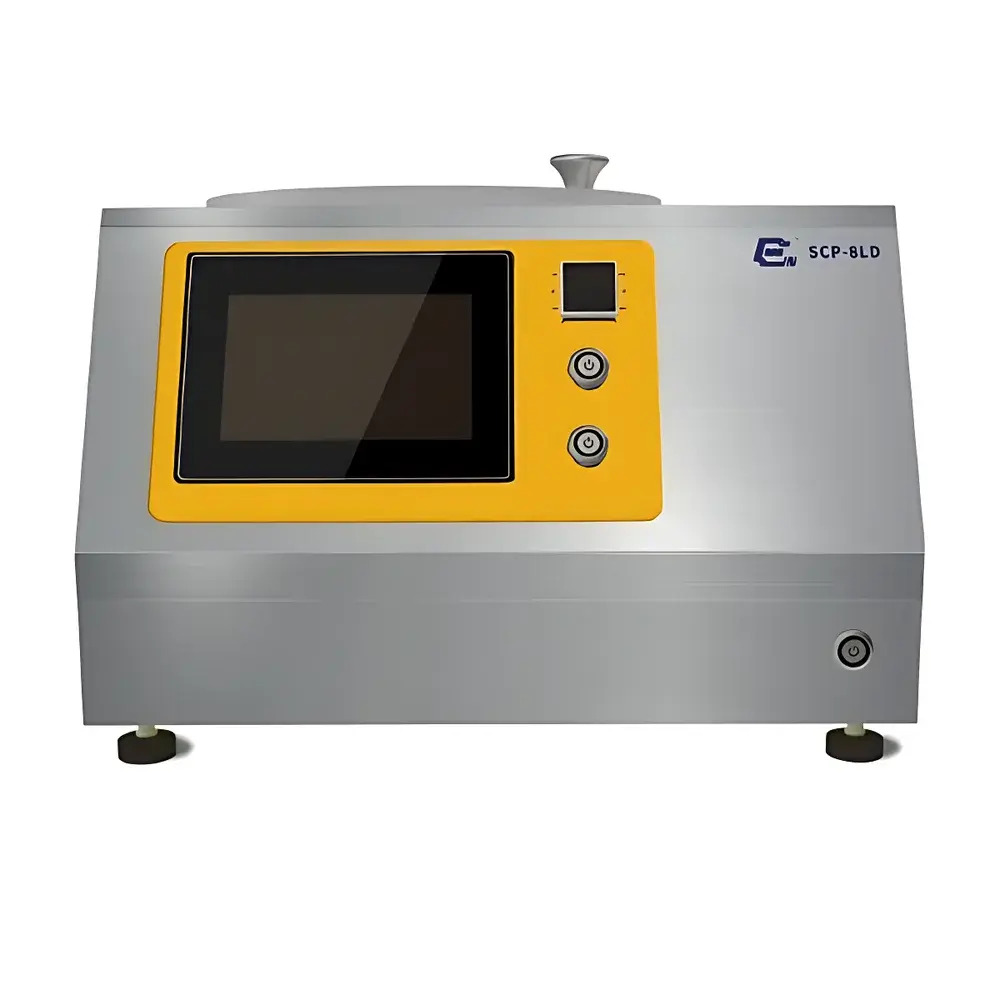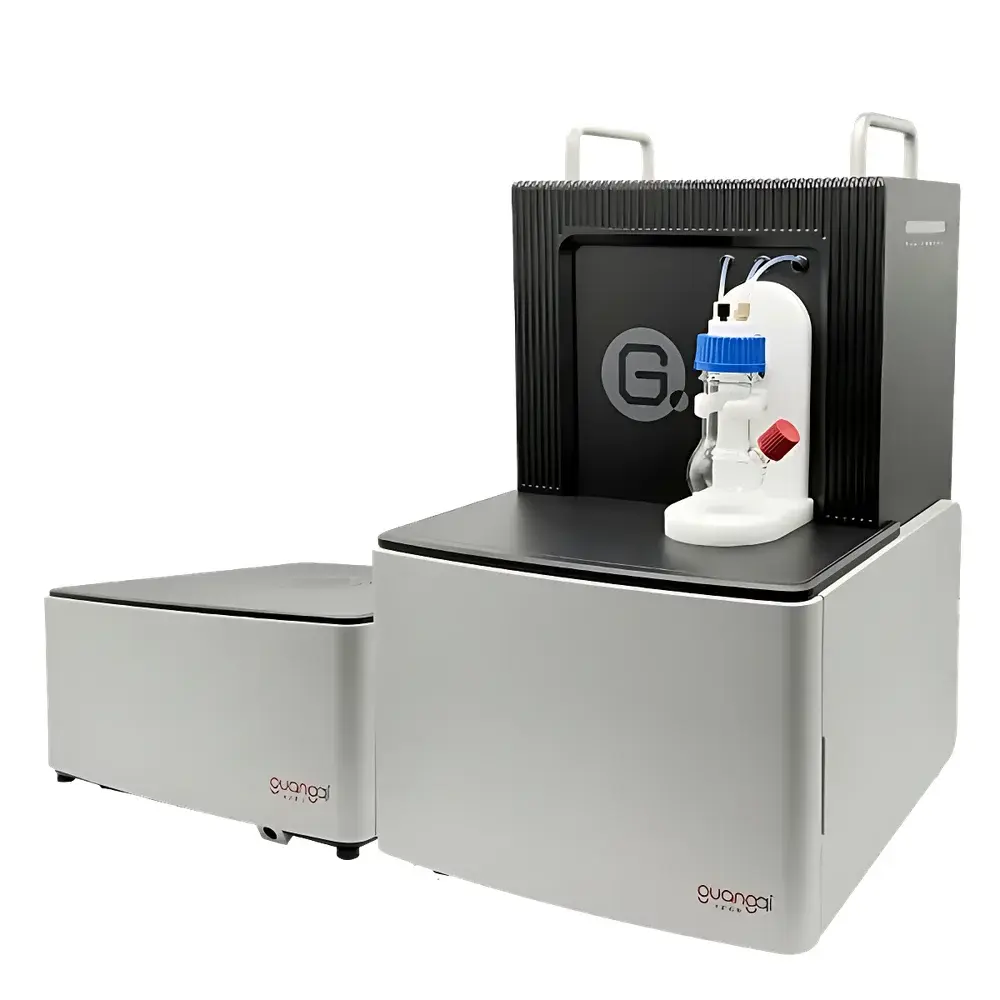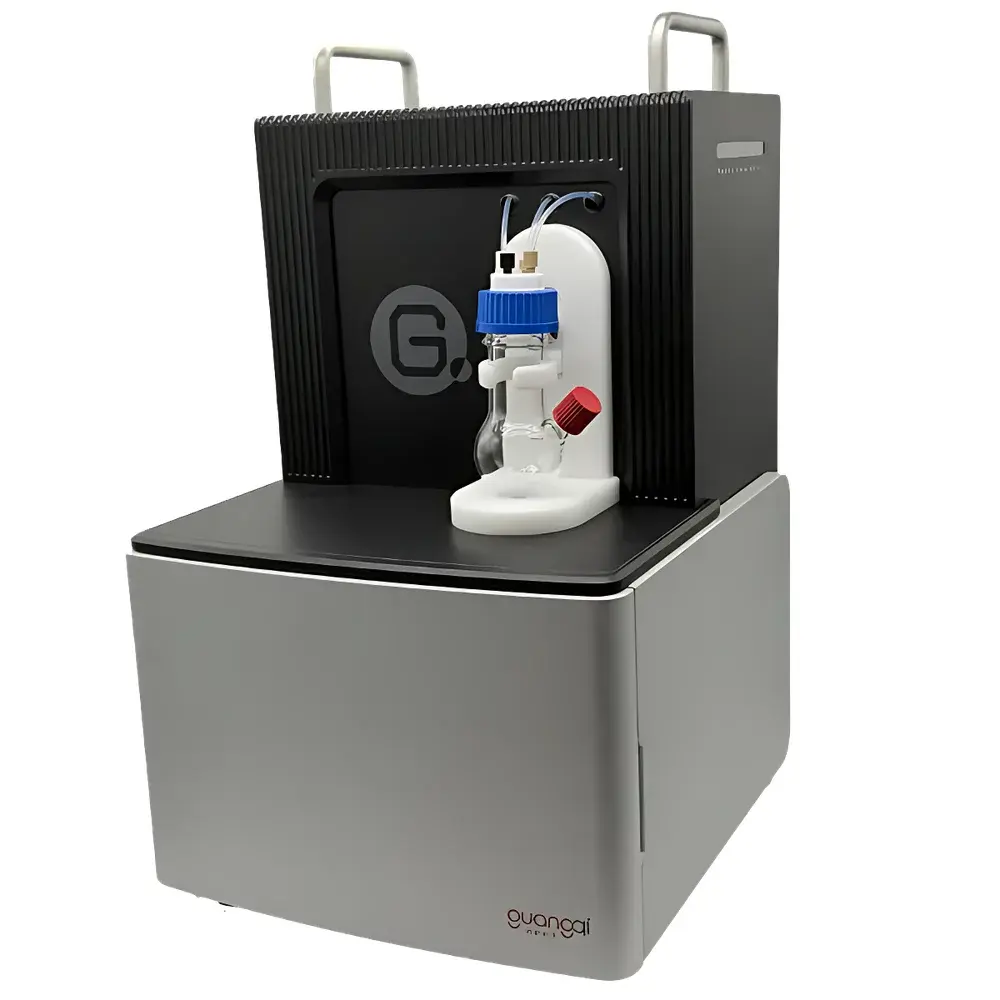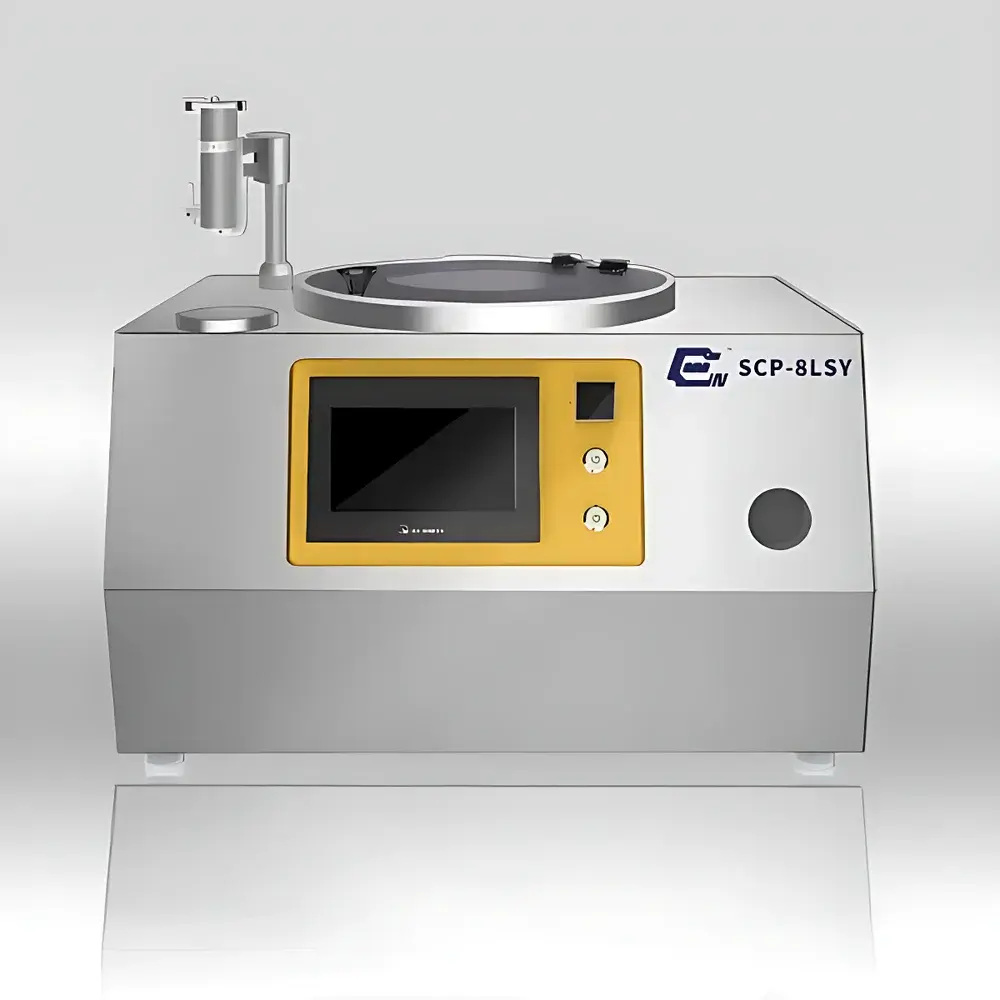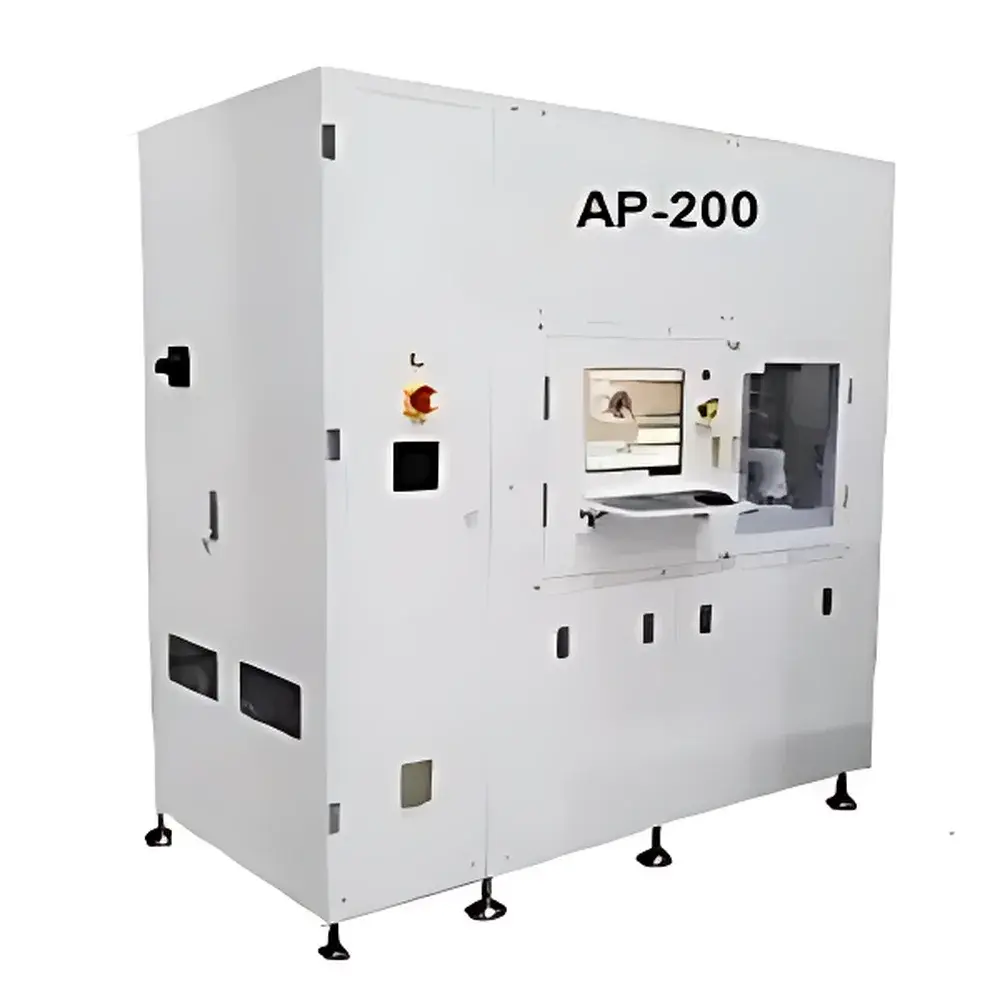
CTS AP200 Advanced Research-Grade Chemical Mechanical Polishing System
| Brand | CTS |
|---|---|
| Origin | South Korea |
| Model | AP200 |
| Wafer Size Compatibility | 4", 6", 8" |
| Platen Count | 1 |
| Platen Speed | 0–200 rpm |
| Polishing Head Speed | 0–200 rpm |
| Polishing Head Oscillation Range | ±15 mm |
| Pressure Control Zones | 3 (Center, Edge, Retaining Ring) |
| Pressure Range | 0.14–14 psi |
| Platen Diameter | 20 in |
| Slurry Flow Rate | 20–500 cc/min (via dual peristaltic pumps) |
| Conditioning Head | 10-zone segmented actuation |
| Conditioning Sweep Speed | 10 sweeps/min |
| Conditioning Downforce | 3–20 lbs |
| Conditioning Speed | 0–150 rpm |
| Within-Wafer Non-Uniformity (WIWNU, 5-mm edge exclusion) | <5% (1σ) |
| Wafer-to-Wafer Non-Uniformity (WTWNU, 5-mm edge exclusion) | <3% (1σ) |
| Dimensions (W×L×H) | 1000 × 2030 × 2100 mm |
Overview
The CTS AP200 is a research-grade chemical mechanical polishing (CMP) system engineered for precision process development in semiconductor fabrication and advanced materials R&D laboratories. Based on Couette-flow hydrodynamic principles and controlled solid–liquid–solid tribomechanical interaction, the AP200 enables quantitative investigation of material removal rate (MRR), surface topography evolution, defect generation, and planarization kinetics under tightly regulated mechanical load, slurry chemistry, and relative motion parameters. Designed to meet the metrological demands of early-stage technology node exploration—particularly for Si, oxide (BPSG, TEOS, ThOx), metal (Cu, W), and shallow trench isolation (STI) applications—the system supports full traceability, reproducible recipe execution, and integration with inline metrology platforms. Its modular architecture allows adaptation to both exploratory lab-scale studies and pilot-line process qualification.
Key Features
- Tri-zone pneumatic polishing head with independent pressure control for center, edge, and retaining ring—enabling systematic study of radial pressure gradient effects on WIWNU and defectivity.
- Automated wafer handling with dry-load/wet-polish/dry-unload sequencing, minimizing operator intervention and contamination risk during process transfer.
- 10-segmented conditioning head with distributed force sensing and closed-loop actuation—ensuring repeatable pad topography restoration across the full 20-inch platen surface.
- Dual operating modes for pad conditioning: real-time online conditioning synchronized with polishing rotation, and offline conditioning with independent kinematic control for pad characterization.
- Real-time acquisition of critical process variables—including head/platen speed, downforce, slurry flow rate, temperature, and acoustic emission—via integrated industrial I/O modules compliant with EtherCAT or Modbus TCP protocols.
- Recipe-based operation with secure storage of ≥100 process configurations, each supporting multi-step sequences, conditional logic, and parameter ramping profiles.
Sample Compatibility & Compliance
The AP200 accommodates standard silicon wafers from 100 mm (4″) to 200 mm (8″) diameter, including patterned and blanket substrates. It supports industry-standard carrier types (e.g., 3-point contact, vacuum chucks) and integrates with common slurry chemistries (oxidizer-based, abrasive-laden, pH-tuned formulations). All mechanical and fluidic subsystems conform to ISO 14644-1 Class 5 cleanroom compatibility when operated within appropriate enclosures. The control architecture satisfies functional safety requirements per IEC 61508 SIL2, and data logging functionality supports audit-ready records aligned with GLP and GMP documentation practices. While not pre-certified for FDA 21 CFR Part 11, the system’s software framework provides configurable electronic signature, role-based access control, and immutable audit trails—readily adaptable to regulated environments upon customer validation.
Software & Data Management
The AP200 runs on a deterministic real-time OS with a dedicated HMI interface built on Qt-based embedded software. Process data—including time-stamped sensor streams, actuator positions, and alarm states—are logged at ≥10 Hz resolution to internal SSD storage with optional network backup via SFTP or OPC UA server export. Raw datasets are exported in HDF5 format for interoperability with MATLAB, Python (Pandas/H5Py), or JMP. The system includes a built-in statistical process monitoring (SPM) module capable of calculating Cp/Cpk, X-bar/R charts, and multivariate correlation matrices between MRR, pressure, and slurry delivery stability. All firmware updates are digitally signed and validated prior to installation to ensure integrity and version traceability.
Applications
- Development and optimization of CMP slurries and pads for next-generation logic and memory nodes.
- Quantitative evaluation of film hardness, modulus, and interfacial adhesion effects on removal selectivity and dishing/erosion behavior.
- Correlation of mechanical parameters (oscillation amplitude, relative velocity, pressure distribution) with post-CMP surface roughness (Ra, Sq) and defect density (scratches, pits, residues).
- Process window analysis for STI, Cu dual-damascene, and Co/W barrier polishing under varying slurry pH, oxidizer concentration, and abrasive loading.
- Accelerated lifetime testing of consumables—including pad wear mapping, conditioner tip degradation, and slurry particle agglomeration kinetics.
FAQ
Does the AP200 support automated endpoint detection?
No—endpoint detection is not integrated; however, the system provides analog/digital I/O ports and Ethernet interfaces to synchronize with external optical interferometers, motor current analyzers, or eddy-current sensors for custom endpoint implementation.
Can the polishing head accommodate non-standard carriers or custom fixtures?
Yes—the chuck interface follows SEMI E19 mechanical standards, and the head assembly includes configurable mounting patterns for third-party carriers or specialized fixtures (e.g., thin-wafer carriers, SOI handling tools).
Is remote diagnostics and software update capability available?
Yes—via secure TLS-encrypted VPN tunneling, authorized engineers can perform remote health checks, log analysis, and over-the-air firmware updates with rollback support and checksum verification.
What level of technical documentation is provided with the system?
A complete set is delivered: hardware schematics (mechanical, pneumatic, electrical), PLC ladder logic diagrams, API reference manual for data export protocols, and a traceable calibration certificate for all pressure, flow, and rotational sensors.
Does CTS offer application support for process development?
Yes—CTS provides optional on-site or virtual application engineering services, including DOE design, slurry compatibility screening, and WIWNU/WTWNU root-cause analysis, under separate service agreement terms.