
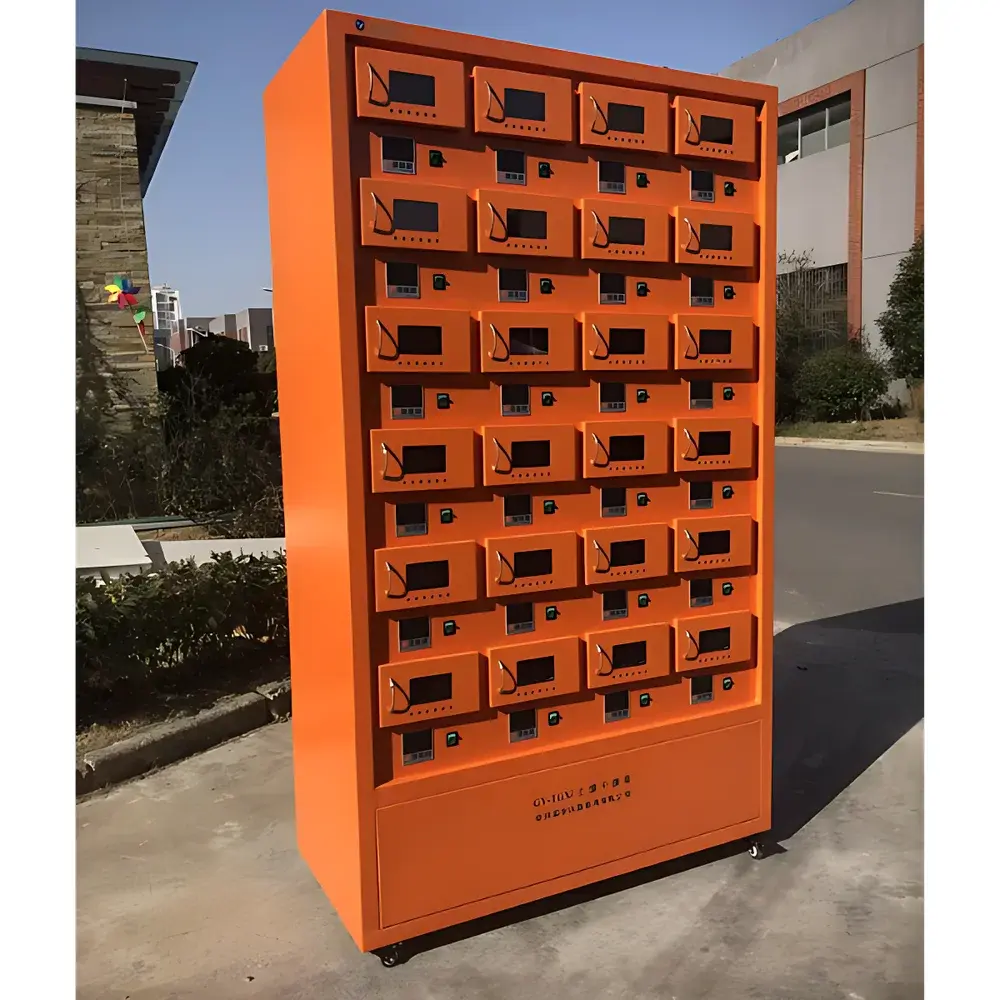
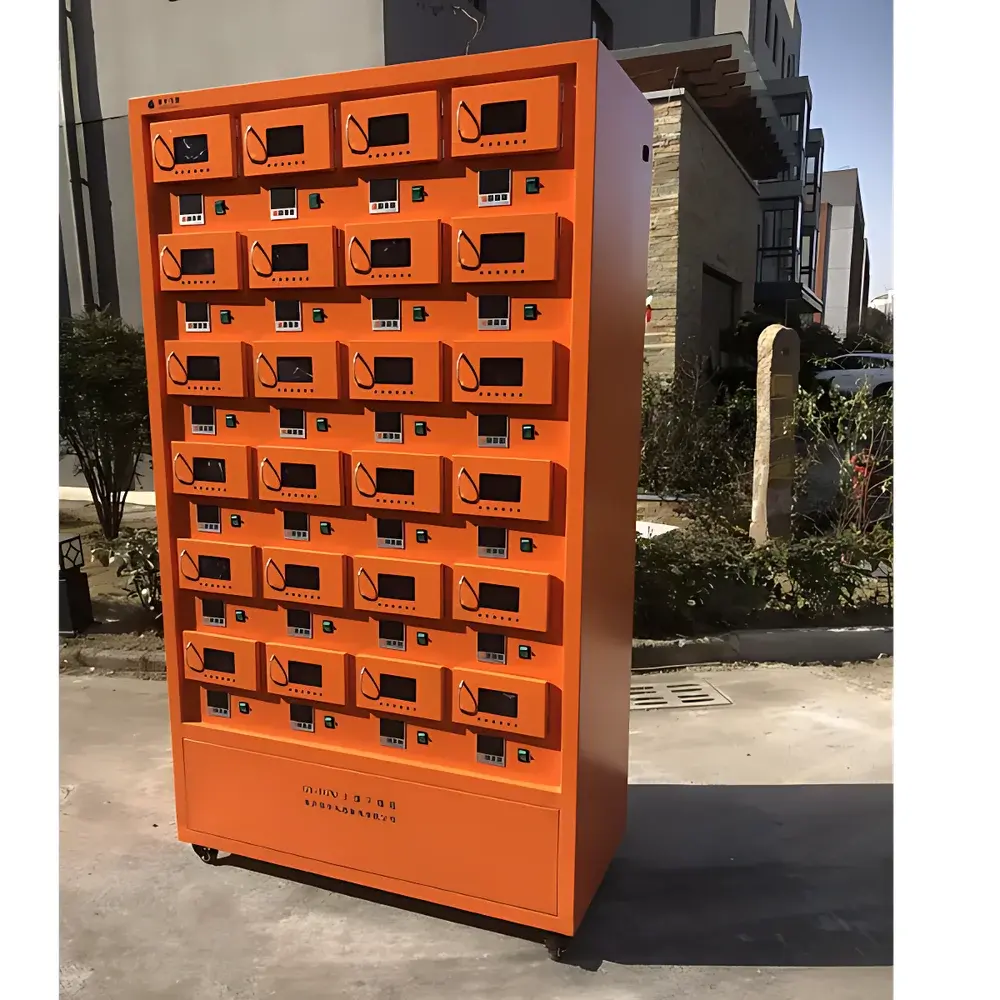
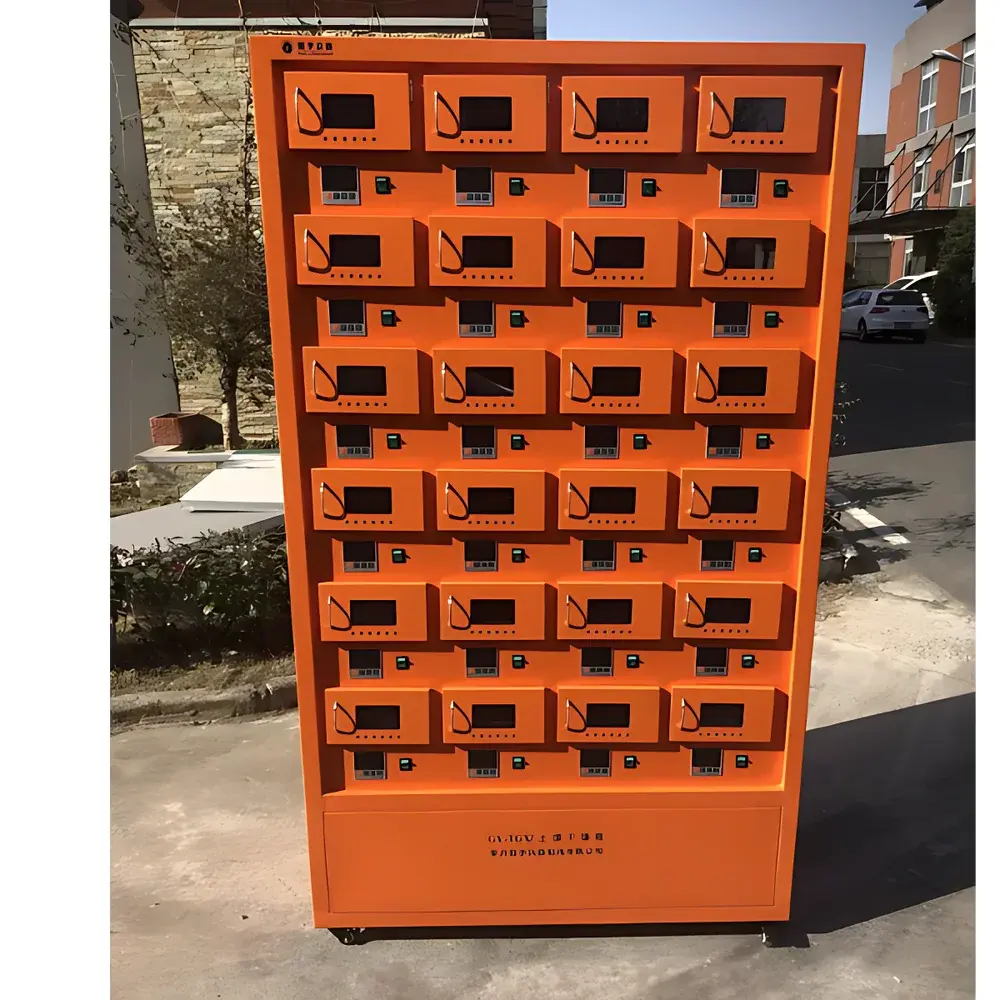
CZGY GY-TGX2 Soil Drying Oven
| Brand | CZGY |
|---|---|
| Origin | Jiangsu, China |
| Manufacturer Type | Direct Manufacturer |
| Country of Origin | China |
| Model | GY-TGX2 |
| Temperature Range | Ambient to 60 °C |
| Temperature Uniformity | ±1 °C |
| External Dimensions | 1150 × 540 × 2000 mm (W × D × H) |
| Internal Configuration | 24 Independent Stainless Steel Sample Chambers (200 × 120 × 300 mm each) |
| Chamber Material | 304 Stainless Steel |
| Heating Method | Electric Resistive Heating |
| Airflow System | Constant-Flow Purified & Dehumidified Air Supply (240 L/min total) |
| Power Supply | 220 V, 50 Hz |
| Rated Power | 2000 W |
| Max. Sample Load per Chamber | 1 kg |
| Operating Humidity Limit | ≤60% RH |
Overview
The CZGY GY-TGX2 Soil Drying Oven is an engineered solution for controlled, low-temperature air-drying of environmental solid samples—specifically soils, sediments, and solid waste—prior to elemental analysis (e.g., heavy metals by ICP-MS or AAS). Unlike conventional convection ovens, it employs a dual-mode drying principle: regulated thermal exposure combined with continuous, laminar airflow that simulates natural indoor air circulation (wind-drying). Air is drawn through a centralized conditioning unit comprising a desiccant-based dryer and multi-stage filtration (including PM2.5-grade particulate and chemical adsorption media), then distributed at constant flow (10 L/min per chamber) to 24 thermally isolated stainless steel chambers. This architecture eliminates cross-contamination, minimizes volatilization loss of semi-volatile analytes, and maintains sample integrity under GLP-aligned drying conditions—critical for regulatory compliance in environmental testing laboratories accredited to ISO/IEC 17025.
Key Features
- 24 independent sample chambers constructed from electropolished 304 stainless steel—resistant to acid leaching, organic adsorption, and corrosion from high-moisture sediments.
- Individual LED digital temperature display and control per chamber, enabling heterogeneous drying protocols across the same instrument run.
- Integrated air treatment system: desiccant dryer + HEPA-class particulate filter + activated carbon/chemical adsorption layer—validated for removal of moisture (H₂O), dust, VOCs, and reactive gases prior to sample exposure.
- Constant-flow air delivery (240 L/min total) with insulated ducting to minimize thermal loss and ambient interference during transport to chambers.
- Transparent observation windows on all chamber doors—allowing real-time visual monitoring without opening doors or disrupting airflow uniformity.
- Modular desiccant and filter housings with quick-release fittings and translucent viewing panels—enabling rapid status assessment and scheduled replacement (desiccant every 3–6 months; filters annually).
- Low-noise air pump with acoustic dampening enclosure—meets laboratory noise requirements (<55 dB(A) at 1 m).
- Full-height casters with locking brakes—supporting safe repositioning within analytical workflow zones without disassembly.
Sample Compatibility & Compliance
The GY-TGX2 accommodates heterogeneous environmental matrices including clay-rich soils, riverine sediments (up to 85% moisture content), sludge, fly ash, and contaminated construction debris. Each 200 × 120 × 300 mm chamber accepts standard 100 g–1 kg subsamples on included 304 stainless steel trays. The design aligns with key methodological standards: EPA Method 5035A (soil drying for volatile organic analysis), ISO 11464:2021 (pre-treatment of soil samples), and ASTM D4292 (drying of geotechnical specimens). Its closed-loop, filtered airflow prevents airborne contamination—essential for trace-metal analysis where blank control is governed by USP and EU Pharmacopoeia 2.4.20. Instrument calibration logs, temperature stability records, and maintenance history can be documented manually to support internal audit trails per GLP and ISO/IEC 17025 clause 7.7.
Software & Data Management
The GY-TGX2 operates as a standalone hardware platform with no embedded microprocessor or software interface. Temperature setpoints and real-time readings are managed via 24 discrete LED controllers—ensuring operational simplicity, electromagnetic immunity, and long-term reliability in electrically noisy lab environments. All temperature data are analog-displayed only; users maintain manual logbooks or integrate external calibrated data loggers (e.g., HOBO UX100 series) connected to chamber thermocouple ports (optional accessory). This architecture avoids validation complexities associated with computerized systems—making it suitable for labs operating under FDA 21 CFR Part 11 exemptions for non-GxP-critical sample preparation equipment.
Applications
- Preparation of soil/sediment samples for heavy metal quantification (Pb, Cd, As, Cr, Hg) per EPA 6010D and ISO 11885.
- Drying of field-collected solid waste prior to TCLP extraction (EPA Method 1311).
- Stabilization of moisture-sensitive reference materials (e.g., NIST SRM 2710a) during interim storage.
- Controlled dehydration of biologically active samples where enzymatic degradation must be minimized below 40 °C.
- Parallel drying of QA/QC duplicates and matrix spikes under identical thermal and aerodynamic conditions.
FAQ
Is the GY-TGX2 compliant with ISO/IEC 17025 requirements for environmental testing labs?
Yes—its physical design supports documented temperature uniformity (±1 °C), contamination control, and traceable maintenance. Users must establish SOPs for calibration, cleaning, and desiccant replacement to fulfill clause 7.7.
Can the unit be used for drying samples intended for organic contaminant analysis (e.g., PAHs, PCBs)?
Yes—provided drying temperatures remain ≤40 °C and airflow is verified free of VOC carryover (achieved via annual filter replacement and desiccant monitoring).
Does the instrument include temperature calibration certificates?
No—calibration is user-responsible. We recommend annual verification using NIST-traceable Class A PT100 probes placed centrally in representative chambers.
What is the expected service life of the desiccant and filter modules?
Desiccant: 3–6 months under continuous operation at 40–60 °C and 60% RH ambient; Filters: 12 months under typical lab air quality (ISO Class 8 cleanroom equivalent).
Are replacement trays and consumables available separately?
Yes—304 stainless steel trays (200 × 120 × 30 mm), desiccant cartridges (silica gel + indicator), and multi-layer filter assemblies are stocked and shipped globally.



