
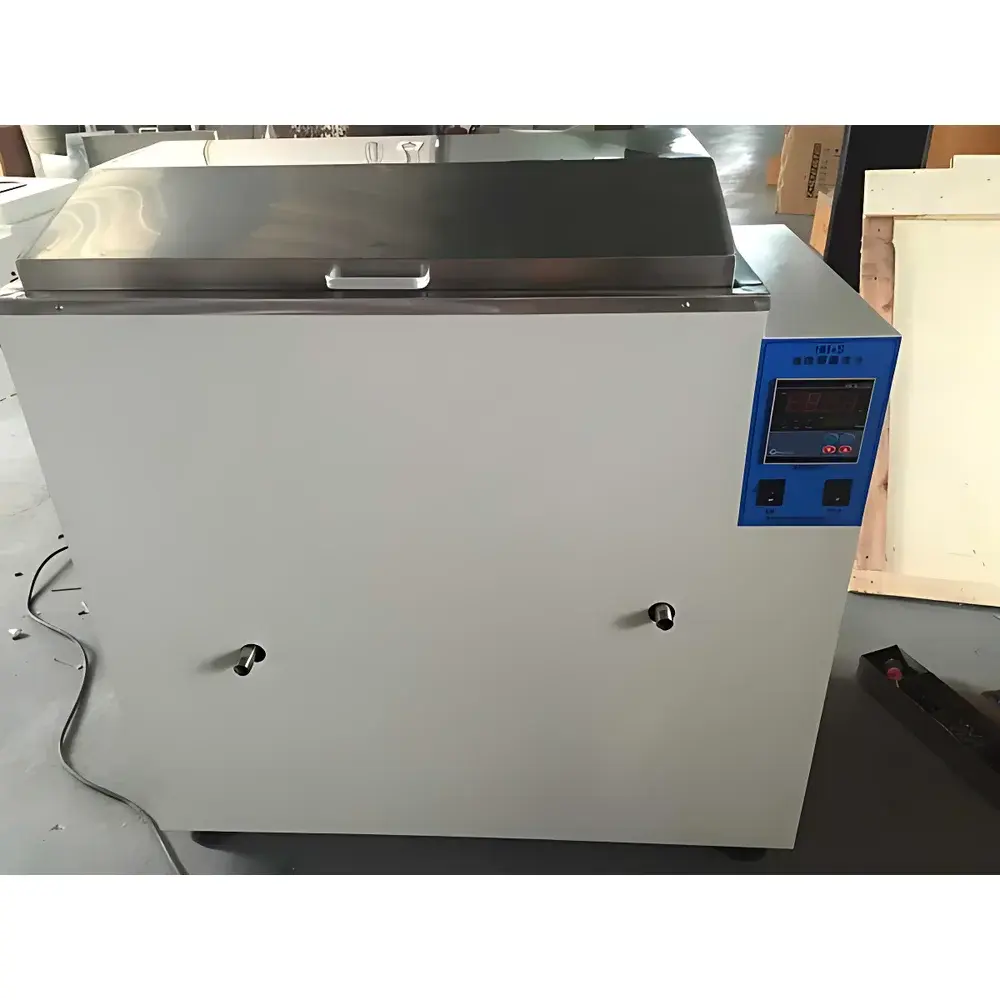
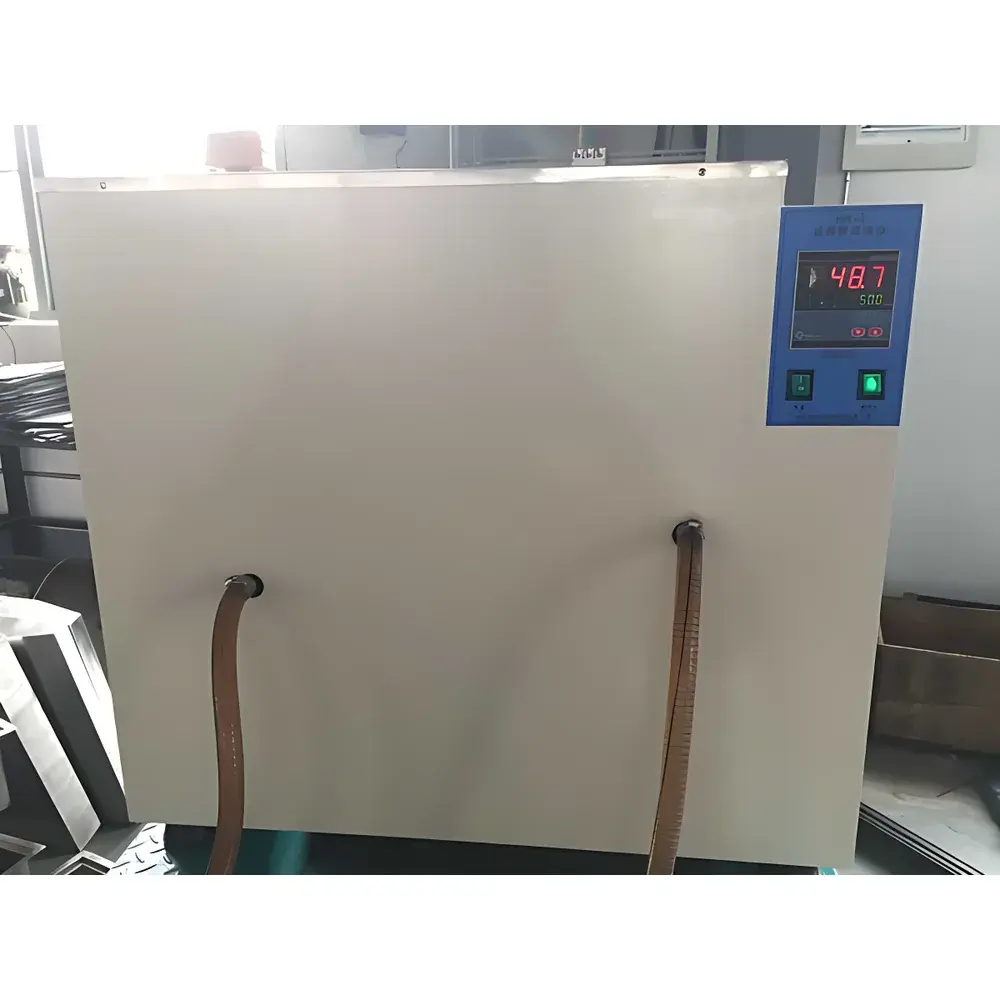
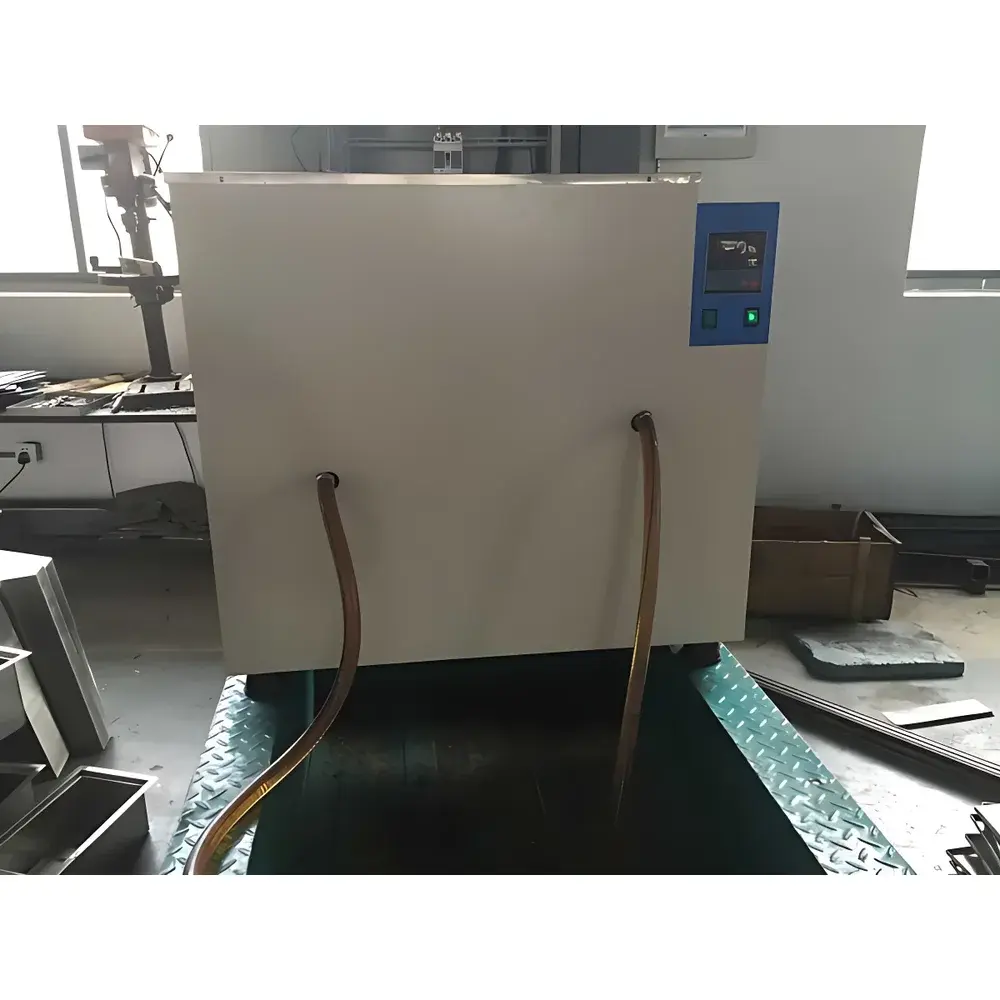
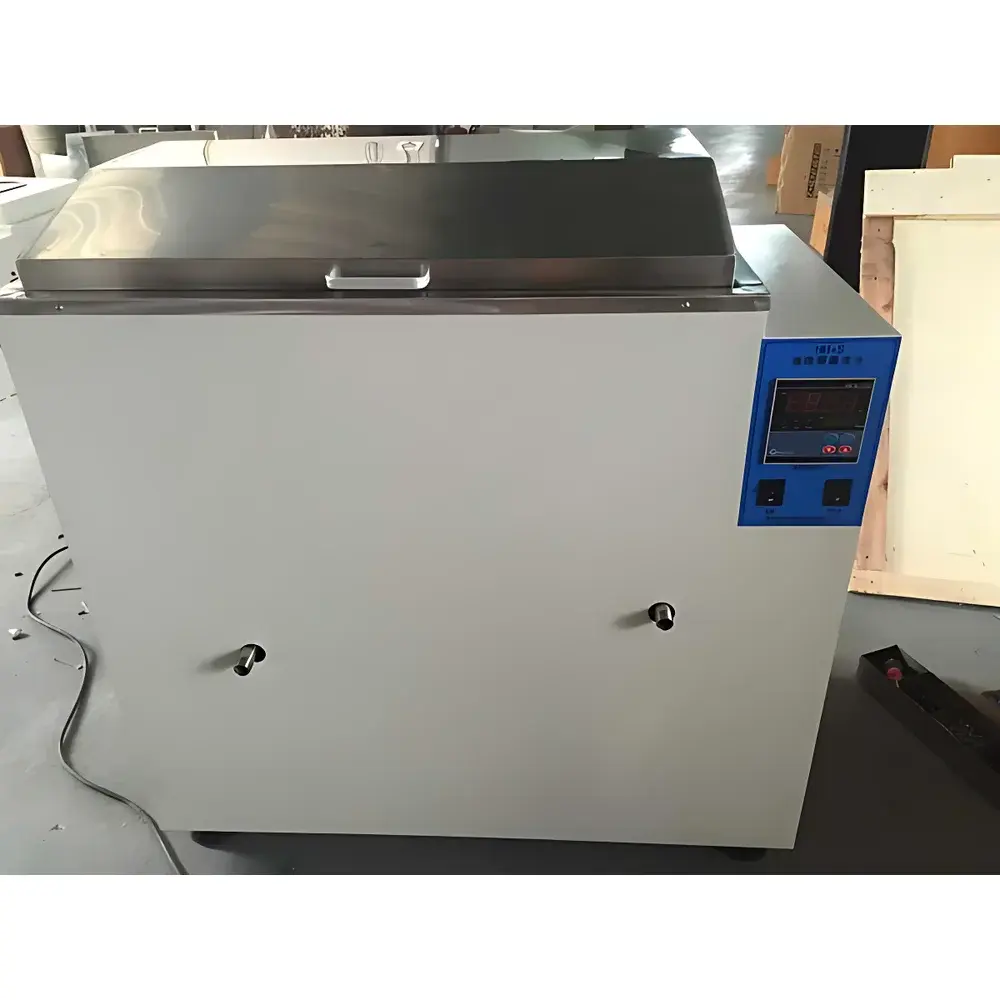
CZGY HH-SA Advanced Circulating Oil Bath for Reactor Heating Systems
| Brand | CZGY |
|---|---|
| Model | HH-SA |
| Type | Circulating Oil Bath Thermostat |
| Origin | Jiangsu, China |
| Manufacturer | CZGY Instrument Co., Ltd. |
| Tank Volume | 80 L or 100 L |
| Temperature Range | Ambient to 300 °C |
| Temperature Stability | ±0.5 °C |
| Heating Power | 5 kW / 6 kW |
| Circulation Flow Rate | 9 L/min |
| Circulation Mode | Internal & External Loop |
| Control Mode | Heating-Only PID Temperature Regulation |
| Power Supply | 380 V AC |
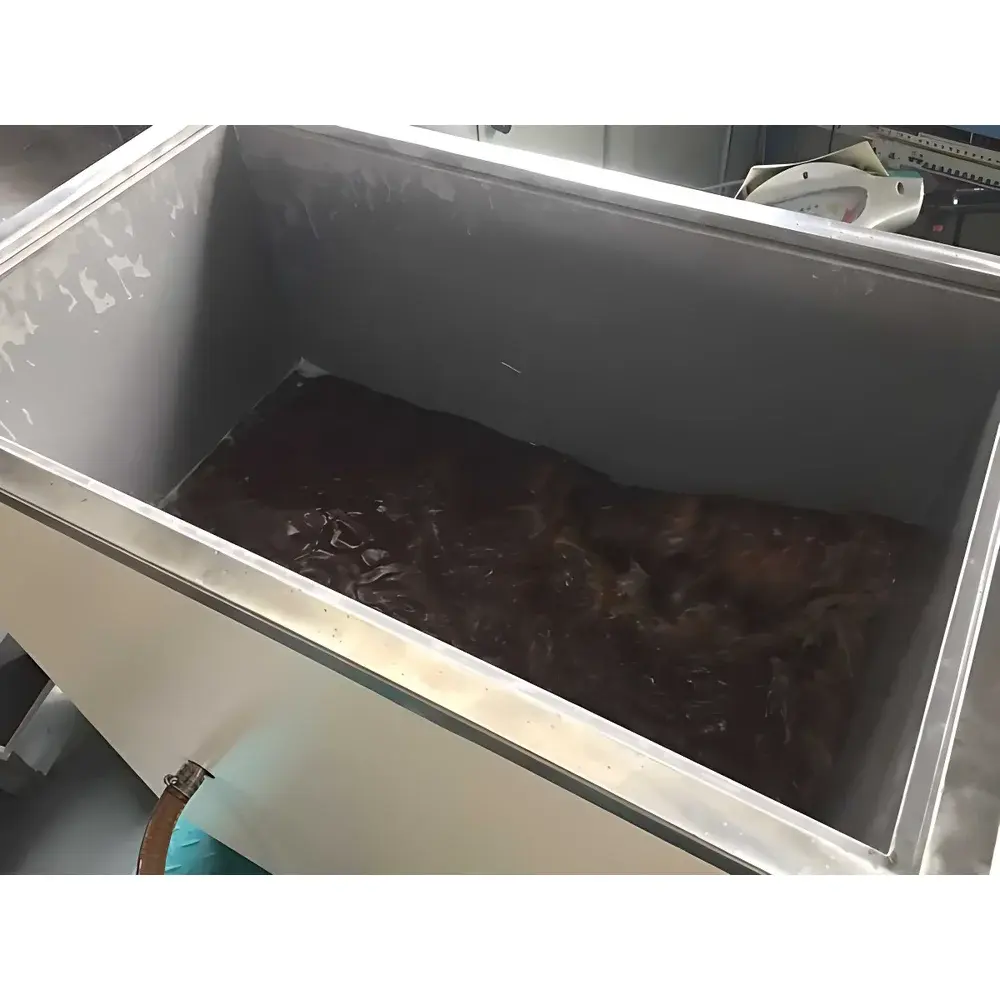
| Construction | Stainless Steel Inner Bath + Cold-Rolled Steel Outer Shell with Electrostatic Powder Coating |
| Insulation | High-Density Thermal Blanket Between Shell and Bath |
Overview
The CZGY HH-SA Advanced Circulating Oil Bath is an engineered thermal management system designed specifically to serve as a stable, high-temperature heat source for laboratory-scale chemical reactors—including double-layer glass reactors, stainless steel jacketed reactors, and enamel-coated reaction vessels. Unlike standard water baths, this unit operates with thermally stable silicone or mineral oil as the heat-transfer medium, enabling precise temperature control up to 300 °C via a robust resistive heating system and PID-based digital controller. Its core function is to maintain consistent thermal conditions in reactor jackets through forced convection using an integrated high-flow circulation pump (9 L/min), supporting both internal recirculation (for bath self-stabilization) and external loop delivery (to reactor jackets or other process equipment). The system’s architecture prioritizes thermal efficiency, mechanical durability, and operational safety—featuring a seamless 304 stainless steel inner tank, reinforced insulation layer, and grounded 380 V three-phase power interface suitable for industrial-lab environments.
Key Features
- Stainless steel (304) inner bath with corrosion-resistant finish and seamless weld construction for long-term compatibility with organic solvents and high-temperature oils
- Dual-mode circulation system: configurable internal loop for bath homogeneity or external loop for direct integration with reactor cooling/heating jackets
- PID-controlled heating-only regulation with ±0.5 °C temperature stability across full operating range (ambient to 300 °C)
- Thermal insulation layer composed of high-density, low-conductivity mineral wool between outer shell and inner bath—reducing standby heat loss by >40% versus non-insulated designs
- Electrostatic powder-coated cold-rolled steel housing offering mechanical resilience and resistance to ambient lab contaminants
- Modular tank capacity options: standard 80 L and 100 L configurations; custom volumes available upon engineering review
- High-capacity heating elements (5 kW or 6 kW rating) optimized for rapid ramp-up and steady-state maintenance under load
Sample Compatibility & Compliance
The HH-SA is not a sample analysis instrument but a thermal utility platform; therefore, it does not interact directly with chemical samples. Instead, it ensures controlled thermal environments for externally connected apparatus—primarily jacketed reactors used in synthesis, polymerization, catalysis, and extraction workflows. Its design conforms to general electrical safety requirements per IEC 61010-1 (Laboratory Equipment Safety) and incorporates grounding terminals, over-temperature cut-off protection, and leak-resistant fluid containment. While not certified to specific ISO/IEC 17025 metrological standards (as it is a support device, not a measuring instrument), its temperature stability (±0.5 °C) meets typical process validation thresholds for GLP-compliant reaction scale-up studies. Users integrating the HH-SA into GMP-regulated processes should perform in-situ calibration verification using traceable PT100 probes and document thermal uniformity profiles per ASTM E220 or equivalent protocol.
Software & Data Management
The HH-SA operates via a dedicated digital controller with LED display and tactile membrane keypad—no embedded software, network connectivity, or data logging capability. All setpoints, real-time bath temperature, and system status (e.g., heating active, alarm condition) are displayed locally. For laboratories requiring audit-ready thermal records, third-party data acquisition systems (e.g., LabVIEW, WinCC, or Modbus-compatible PLCs) may be interfaced via optional analog 4–20 mA output (available on upgraded controller variants). No firmware updates, user accounts, or electronic signature functionality are provided; the unit is intended for standalone operation in environments where manual process documentation satisfies regulatory requirements (e.g., traditional batch records under FDA 21 CFR Part 11 Annex 11 guidance).
Applications
- Providing uniform, controllable heating to double-wall glass reactors during exothermic/endothermic synthesis (e.g., Grignard reactions, esterifications, hydrogenations)
- Thermal conditioning of stainless steel or enamel-coated reactors used in pharmaceutical intermediate manufacturing
- Supporting solvent reflux, distillation, and extraction processes requiring sustained temperatures above 100 °C
- Acting as a heat source for calorimetric test rigs, viscometry cells, or material aging chambers
- Enabling temperature-programmed reaction kinetics studies when paired with programmable controllers and external thermocouple feedback loops
FAQ
What types of heat-transfer fluids are compatible with the HH-SA?
Silicone oils (e.g., Dow Corning 200 Fluid series), mineral oils (e.g., Marlotherm SH), and synthetic heat-transfer fluids rated for continuous use up to 300 °C are recommended. Water and glycol mixtures must not be used.
Can the HH-SA be used for cooling applications?
No—it is a heating-only system. For combined heating/cooling, a separate chiller or dual-temperature circulator is required.
Is external loop pressure rating specified?
The standard pump supports up to 0.3 MPa (3 bar) maximum backpressure; users must verify reactor jacket pressure tolerance and install appropriate relief valves.
Does the unit include a calibration certificate?
Factory calibration is performed at 100 °C and 200 °C using NIST-traceable reference thermometers; a basic calibration report is included. Full ISO/IEC 17025-certified calibration is available as an optional service.
What maintenance is required for long-term reliability?
Annual inspection of heater element integrity, pump seal condition, and insulation performance is advised. Oil level and fluid degradation (via viscosity and acid number testing) should be monitored per manufacturer guidelines for the selected heat-transfer medium.



