
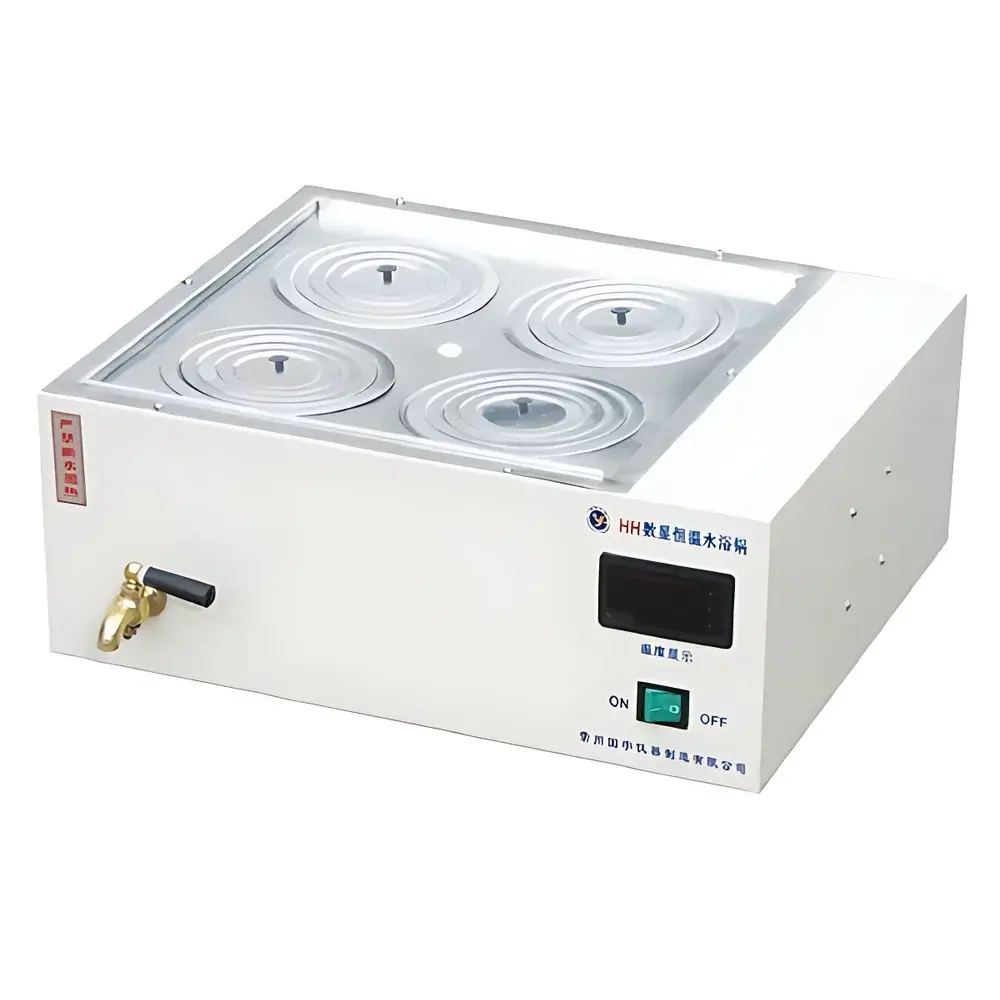
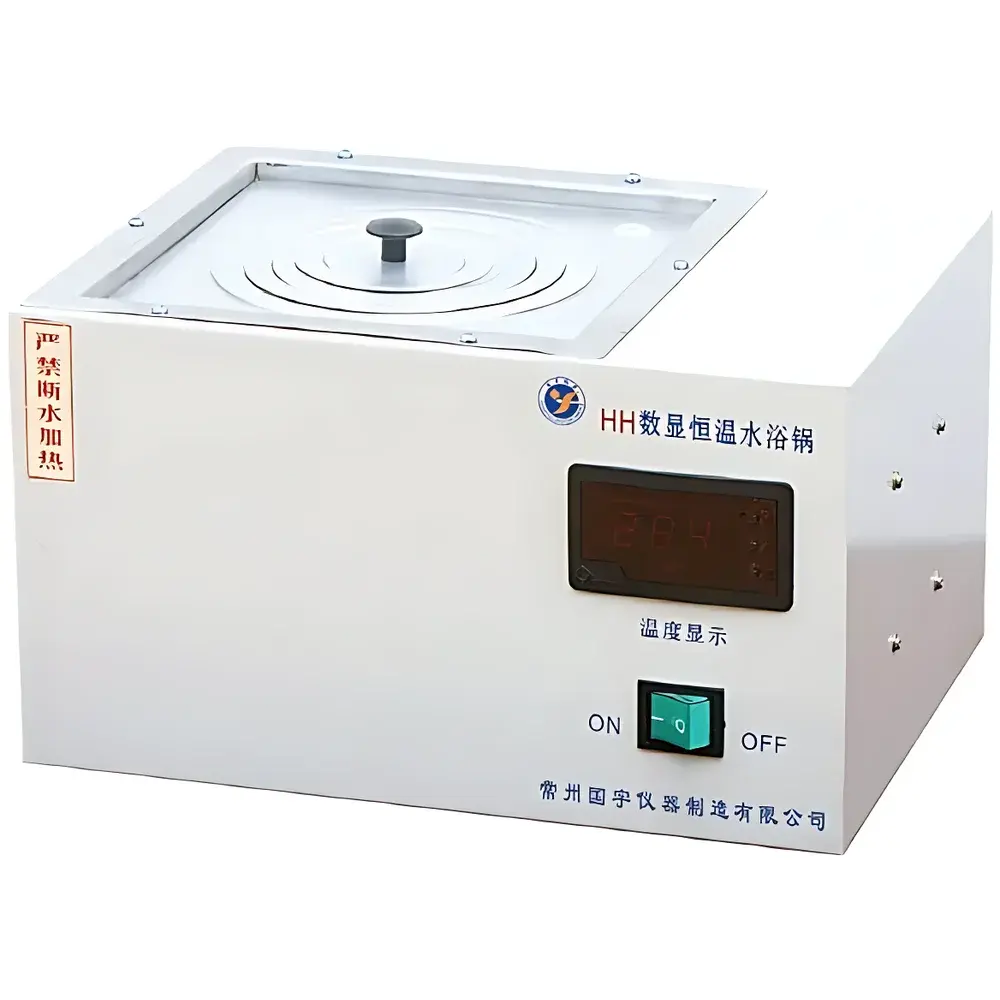
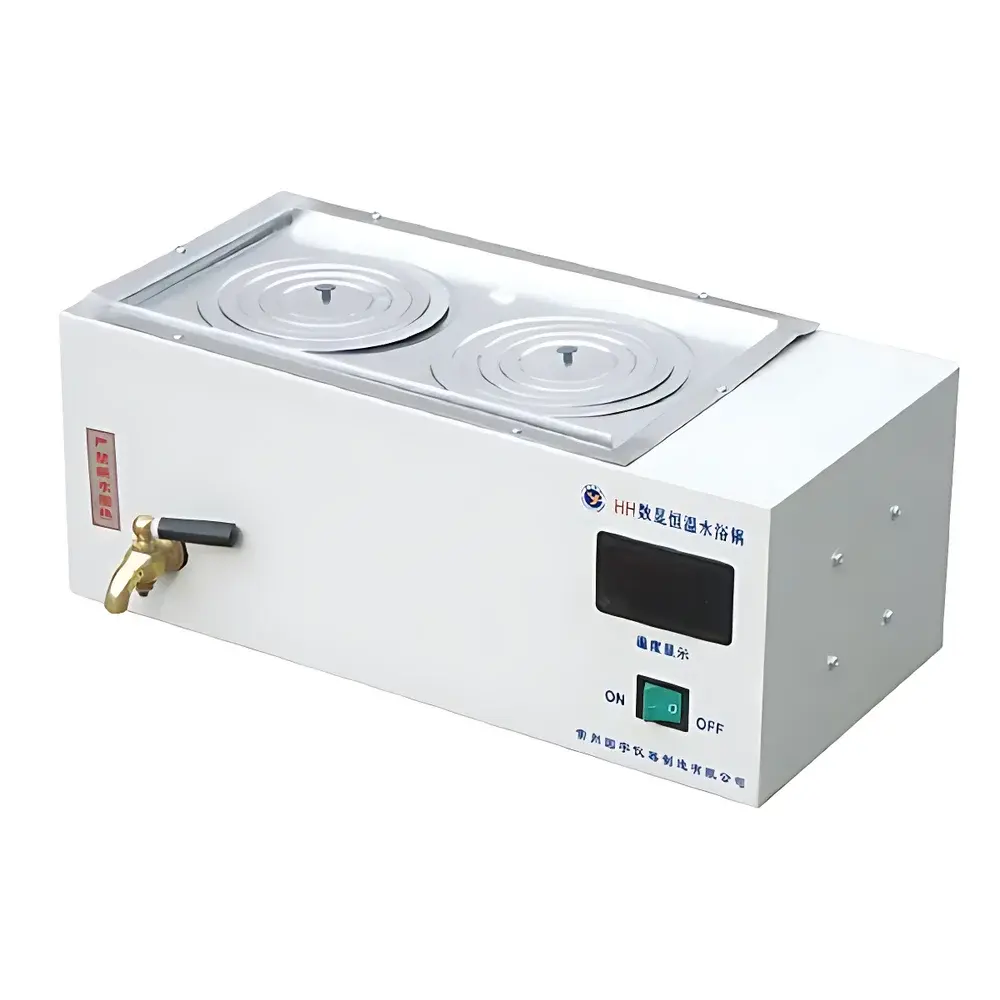
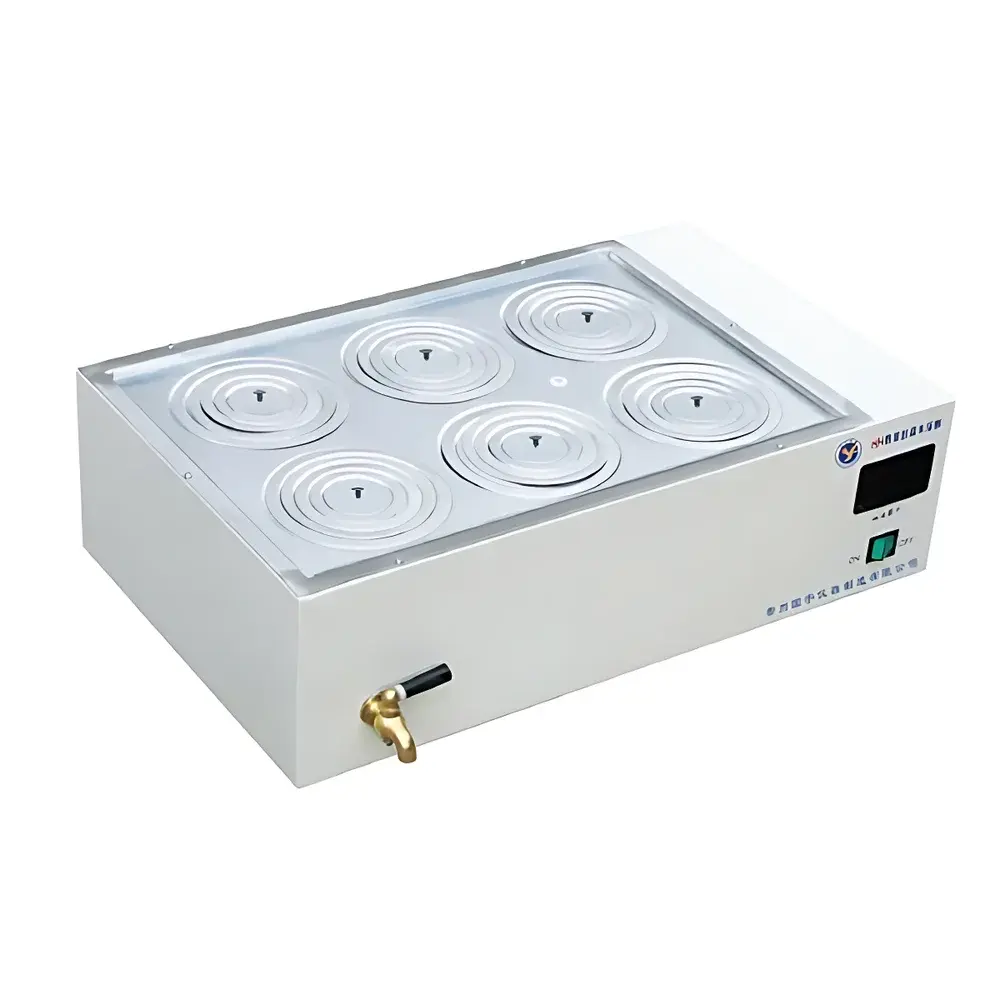
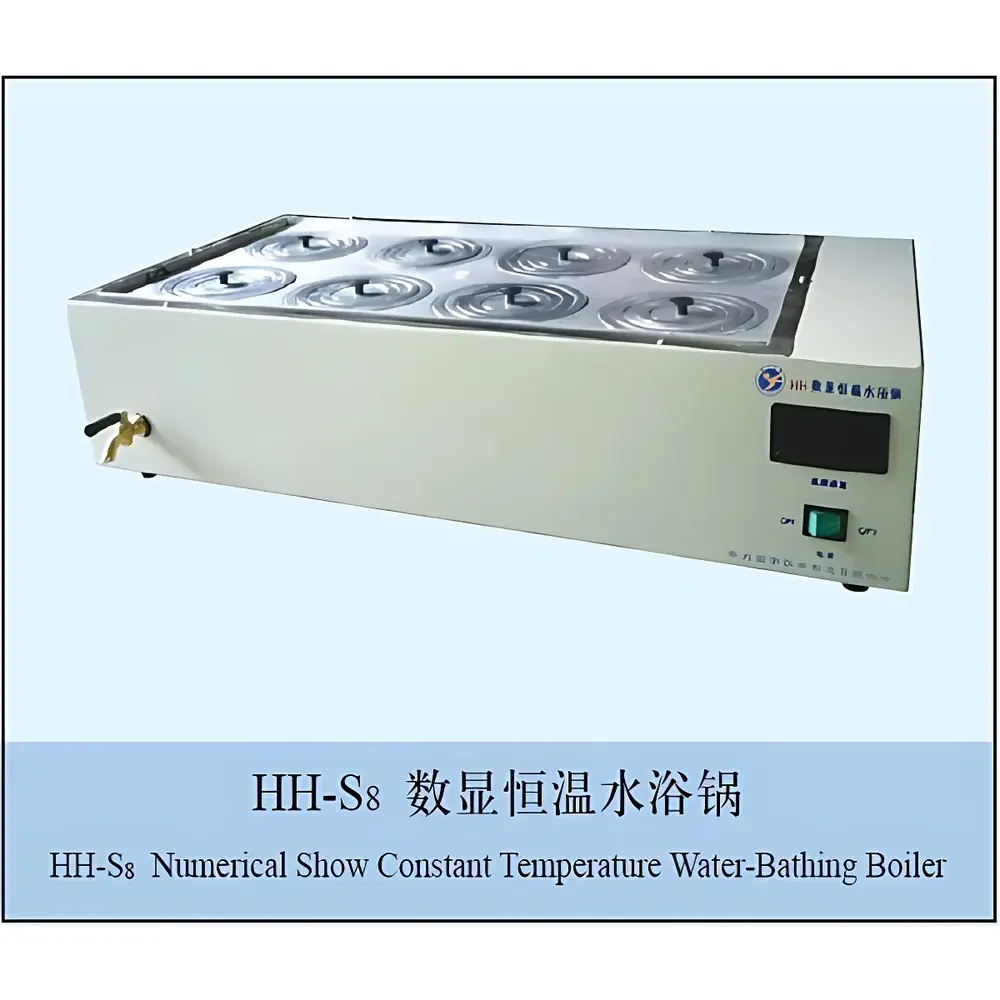
CZGY HH Series Digital Display Constant-Temperature Oil Bath
| Brand | CZGY |
|---|---|
| Origin | Jiangsu, China |
| Manufacturer Type | Direct Manufacturer |
| Product Category | Domestic |
| Model | HH |
| Instrument Type | Water/Oil Bath |
| Circulation Function | None |
| Temperature Control Mode | Heating-Only |
| Bath Capacity | 1–100 L |
| Temperature Range | Ambient to 300 °C |
| Temperature Stability | ±1 °C |
Overview
The CZGY HH Series Digital Display Constant-Temperature Oil Bath is a precision-engineered laboratory heating platform designed for stable, uniform thermal environments in non-circulating immersion applications. Operating on resistive heating principles with PID-regulated solid-state relay output, it delivers consistent thermal energy to oil or water media—enabling controlled heating of reaction vessels, sample containers, and glassware during distillation, concentration, extraction, and temperature-dependent chemical or biological processing. Unlike circulating baths, the HH series relies on natural convection and high thermal mass of the bath medium (e.g., silicone oil, mineral oil, or water) to achieve homogeneity across the working volume. Its stainless-steel inner tank ensures corrosion resistance and thermal durability under prolonged exposure to elevated temperatures up to 300 °C, while the cold-rolled steel exterior with epoxy powder coating provides mechanical robustness and long-term environmental stability in shared lab settings.
Key Features
- Digitally controlled temperature setpoint with dual-line LED display: upper line shows real-time bath temperature; lower line displays user-defined setpoint
- Stainless-steel welded inner tank (304 grade) with seamless construction—resistant to thermal fatigue and chemical degradation from common organic solvents and high-boiling-point oils
- Adjustable PID parameters (P, I, D, cycle time t) accessible via three-second SET key press—enabling fine-tuning for specific load conditions or ambient fluctuations
- Dedicated sensor offset correction (SC parameter, range: –50 °C to +50 °C) for traceable calibration alignment with NIST-traceable reference thermometers
- Configurable alarm logic: programmable upper-limit threshold (AL) with visual ALM indicator for overtemperature event detection
- Parameter lock function (LCK: 0/1/2 levels) prevents accidental modification of operational settings during routine use or multi-user deployment
- Compliance-ready design: supports GLP documentation workflows through manual logging of setpoints, observed temperatures, and alarm events
Sample Compatibility & Compliance
The HH series accommodates standard laboratory glassware—including round-bottom flasks (up to 2 L), graduated cylinders, beakers, and test tubes—via configurable well arrays (1–8 wells, single- or double-row configurations). Each well features a 12 cm aperture diameter and reinforced rim geometry to support heavy-duty vessel placement without deformation. The bath is compatible with heat-transfer fluids meeting ASTM D445 (kinematic viscosity) and ASTM D92 (flash point) specifications—including polydimethylsiloxane (PDMS) oils, glycerol-water mixtures, and high-temperature mineral oils. While not certified for ISO/IEC 17025 accredited calibration, its ±1 °C stability meets typical requirements for QC/QA procedures referenced in USP <1031>, ASTM E2251, and ISO 17034-1 Annex B for non-critical thermal conditioning tasks. No CE, UL, or FDA 21 CFR Part 11 certification is provided; users are responsible for validating system performance per internal SOPs.
Software & Data Management
This analog-digital hybrid instrument operates without embedded software or network connectivity. All configuration, monitoring, and alarm functions are executed locally via front-panel keypad and LED interface. Temperature data is not logged internally nor exportable—users must record readings manually or integrate external data loggers (e.g., Omega OM-DAQPRO-5300 or Testo 176-T4) using the optional 0–5 V analog output (available upon request). For regulated environments requiring audit trails, laboratories may implement paper-based or LIMS-linked entry protocols documenting setpoint, observed temperature at defined intervals (e.g., every 15 minutes), and any ALM activation events. Firmware updates are not supported; hardware revisions follow CZGY’s internal revision control process aligned with ISO 9001:2015 manufacturing standards.
Applications
- Controlled-temperature solvent evaporation and rotary evaporation pre-heating
- Thermal conditioning of reagents prior to HPLC injection or enzymatic assays
- Accelerated aging studies of polymers and coatings under static oil immersion
- Pre-warming of culture media, agar solutions, and sterile buffers in microbiology labs
- Calibration verification of liquid-in-glass thermometers and RTD probes using fixed-point oil baths
- Supporting ASTM D86, D1160, and IP 123 distillation methods where precise bath temperature maintenance—not circulation—is required
FAQ
What is the maximum recommended operating temperature for continuous use?
Continuous operation at 300 °C is permissible only when using silicone oil with a flash point ≥320 °C and adequate ventilation. For mineral oil, sustained use above 220 °C is not advised due to oxidative degradation.
Can this unit be used with water below 100 °C?
Yes—water is suitable for temperature ranges from ambient to 95 °C. Avoid prolonged use near boiling to minimize evaporation and scaling.
Is the temperature sensor replaceable by the end user?
The integrated K-type thermocouple is factory-calibrated and not field-replaceable. If drift exceeds ±2 °C, contact CZGY technical support for recalibration service or sensor replacement under warranty.
Does the unit include overtemperature cut-off protection?
Yes—a redundant bimetallic thermal cutoff switch (rated at 320 °C) disconnects power independently of the digital controller, providing fail-safe shutdown.
How often should the bath fluid be replaced?
Silicone oil: every 12–18 months under daily use; mineral oil: every 6–9 months. Visual inspection for discoloration, particulates, or increased viscosity is the primary maintenance indicator.



