
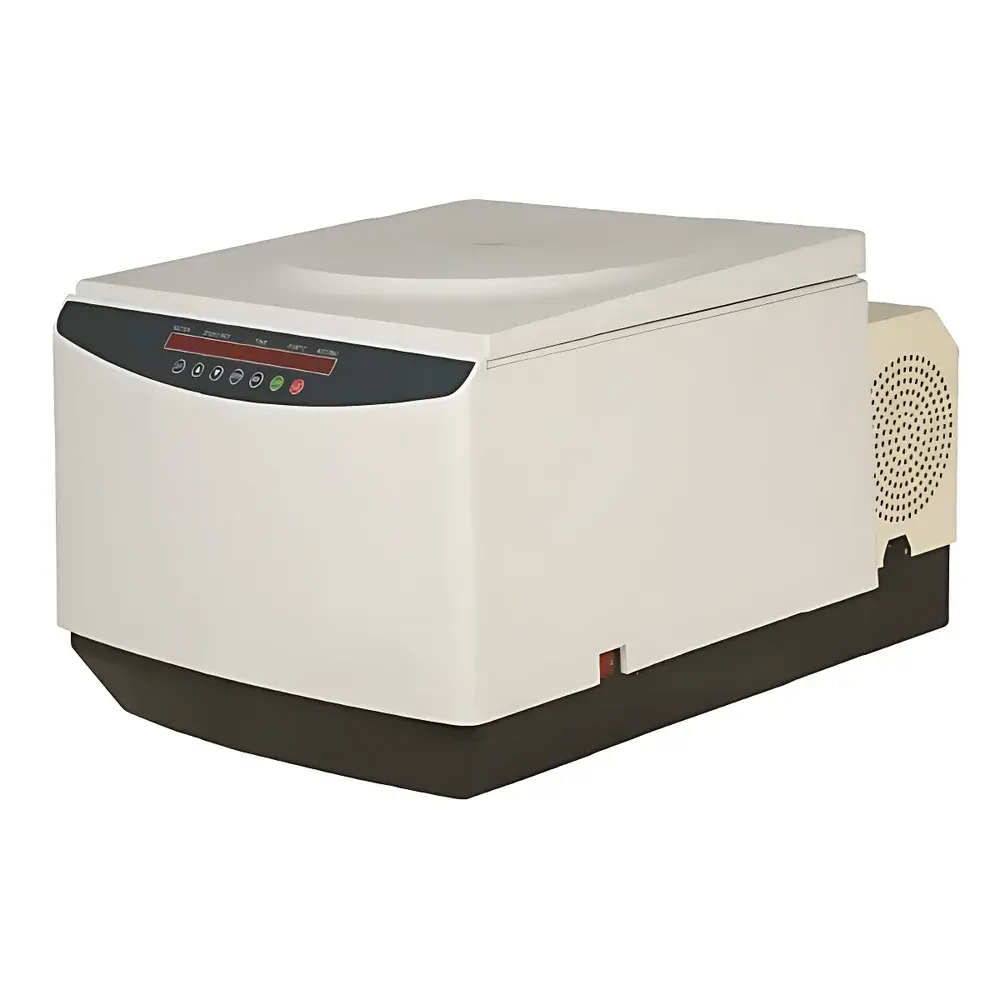
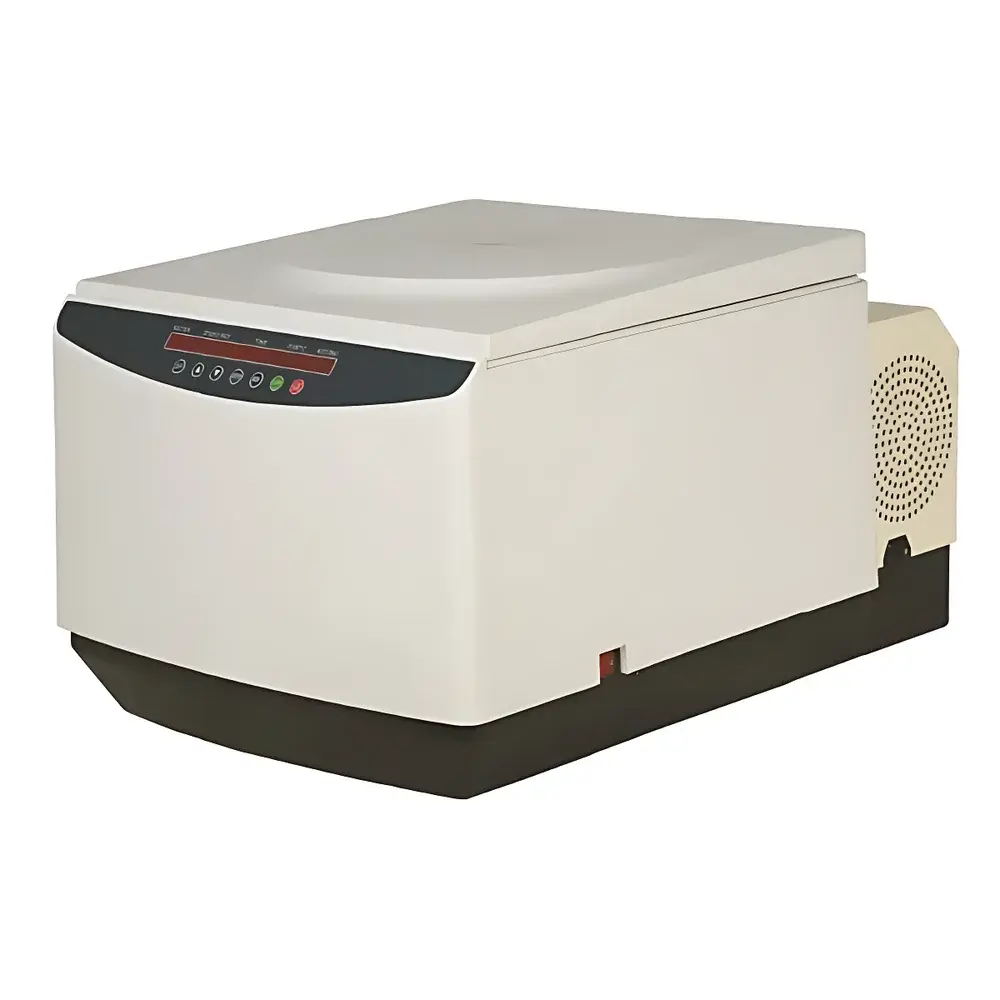
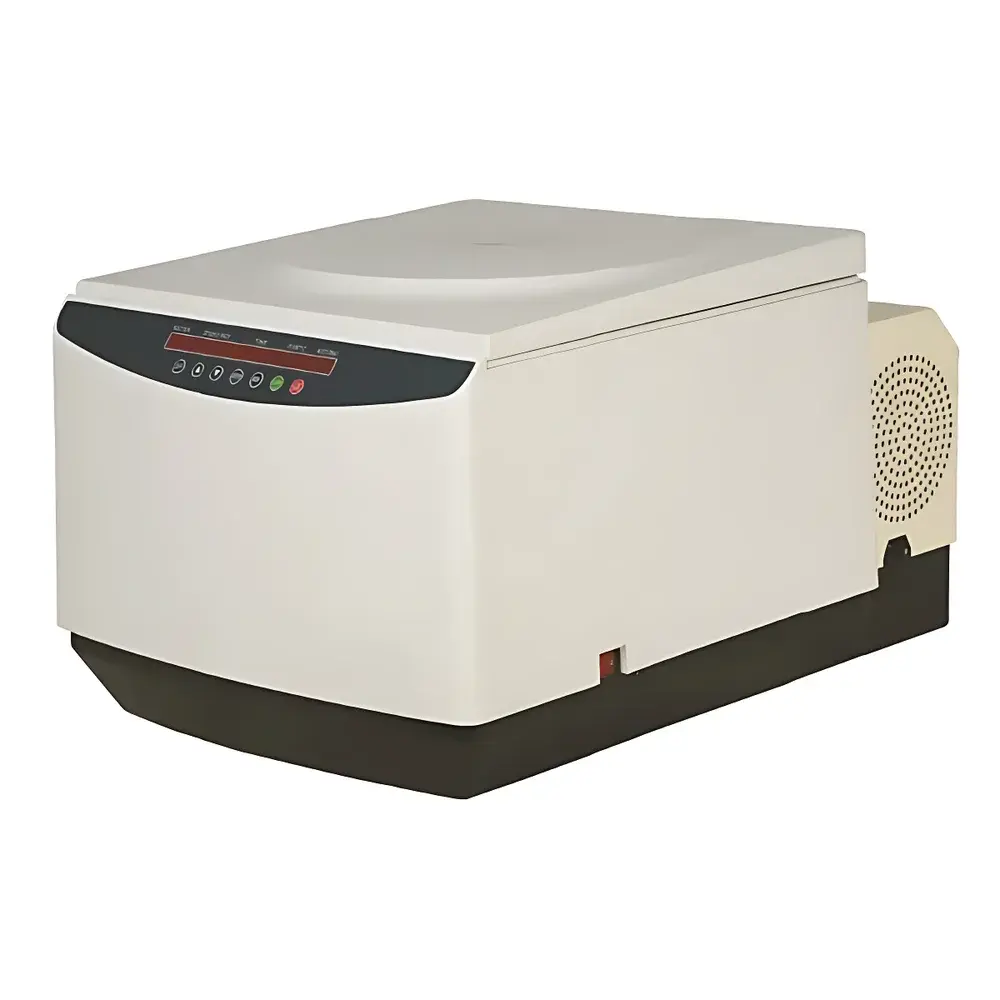
DELEITE DLT-RD50 Benchtop High-Capacity Refrigerated Centrifuge
| Brand | DELEITE |
|---|---|
| Origin | Shanghai, China |
| Model | DLT-RD50 |
| Instrument Type | Benchtop Refrigerated Centrifuge |
| Max Capacity | 15 mL × 32 |
| Max RCF | 4390 × g |
| Dimensions (L×W×H) | 460 mm × 710 mm × 420 mm |
| Weight | 80 kg |
| Max Speed | 5000 rpm |
| Speed Accuracy | ±30 rpm |
| Temp Range | –5 °C to +35 °C |
| Temp Accuracy | ±1 °C |
| Noise Level | <65 dB(A) |
| Power Supply | AC 220 V, 50 Hz, 15 A |
| Refrigerant | R22a |
Overview
The DELEITE DLT-RD50 Benchtop High-Capacity Refrigerated Centrifuge is engineered for high-throughput, temperature-sensitive separation tasks in clinical diagnostics, molecular biology, biochemistry, and immunology laboratories. It operates on the principle of sedimentation under controlled gravitational force (RCF), enabling efficient pelleting of cells, organelles, macromolecules, and particulates from liquid suspensions. Unlike standard benchtop centrifuges, the DLT-RD50 integrates active refrigeration with precise thermal regulation—critical for preserving labile biological samples such as plasma, serum, RNA extracts, and primary cell cultures during extended runs. Its robust architecture supports continuous operation at up to 5000 rpm and delivers a maximum relative centrifugal force of 4390 × g, balancing high performance with compact footprint (460 × 710 × 420 mm). The unit employs a high-torque brushless AC frequency-converter motor, eliminating mechanical wear and ensuring long-term rotational stability and speed reproducibility.
Key Features
- Microprocessor-based control system with real-time monitoring of speed, RCF, time, and temperature—displayed simultaneously on a high-contrast digital LCD interface
- Touch-sensitive control panel supporting programmable protocols: up to 9 user-defined acceleration/deceleration profiles to minimize shear stress on sensitive samples (e.g., exosomes, nucleic acid complexes)
- Dual-mode parameter input: direct rpm entry or RCF calculation with automatic conversion—ensuring compliance with method-specific centrifugation standards (e.g., ISO 15189, CLSI EP05-A3)
- Integrated safety architecture including electromagnetic door lock, overspeed detection, overtemperature alarm, and rotor imbalance sensing—all triggering immediate deceleration and audible/visual fault alerts
- Food-grade silicone door seal compliant with USP Class VI biocompatibility requirements; non-toxic, low-outgassing, and resistant to repeated autoclaving cycles
- Energy-efficient refrigeration system featuring an imported hermetic compressor and environmentally optimized R22a refrigerant, maintaining chamber temperature within ±1 °C across the full operating range (–5 °C to +35 °C)
- Acoustic dampening design achieving <65 dB(A) noise emission—suitable for shared laboratory environments without dedicated acoustic enclosures
Sample Compatibility & Compliance
The DLT-RD50 accommodates standard 15 mL conical tubes (up to 32 positions) in fixed-angle rotors, supporting common sample formats used in clinical hematology, vaccine development, and nucleic acid purification workflows. It is compatible with polypropylene, polycarbonate, and borosilicate glass tubes rated for ≥4500 × g. All operational parameters—including run logs, setpoints, and error codes—are timestamped and stored locally, enabling traceability per GLP and GMP documentation requirements. While not pre-certified for FDA 21 CFR Part 11, the system’s audit-ready data structure (including immutable event logs and user-access controls via password-protected settings) facilitates validation in regulated environments. It meets IEC 61010-1:2010 safety standards for laboratory electrical equipment and complies with RoHS Directive 2011/65/EU regarding hazardous substance restrictions.
Software & Data Management
The DLT-RD50 operates autonomously without external software dependencies. All protocol configurations—including spin time, temperature setpoint, ramp/dwell profiles, and rotor identification—are saved directly to non-volatile memory. Each program stores metadata (user ID, date/time stamp, rotor serial number) for internal quality assurance tracking. Optional RS-232 or USB interfaces (available upon request) support integration into LIMS environments for automated result export. Exported logs include CSV-formatted records of actual vs. target RCF, thermal deviation history, and cycle completion status—enabling retrospective analysis of centrifugation consistency across batches.
Applications
- Clinical laboratories: Routine separation of whole blood into plasma/serum components, PBMC isolation, and urinalysis sediment processing
- Biopharmaceutical R&D: Clarification of mammalian cell culture harvests, viral vector pelleting, and protein precipitation steps
- Genomics labs: High-yield recovery of genomic DNA, plasmid preps, and CRISPR ribonucleoprotein complexes
- Academic research: Subcellular fractionation (mitochondria, lysosomes), extracellular vesicle enrichment, and antibody-antigen complex isolation
- Quality control units: Stability testing of diagnostic reagents under accelerated centrifugation stress conditions
FAQ
What is the maximum allowable tube volume per position in the DLT-RD50 rotor?
The rotor is configured for 15 mL conical tubes only; overfilling beyond nominal capacity may compromise balance integrity and void safety certification.
Does the DLT-RD50 support rotor auto-recognition?
No—rotor identification is manual via operator input during protocol setup; users must confirm rotor type and max speed limits prior to initiation.
Can the unit maintain –5 °C when operating continuously at 5000 rpm?
Yes—the refrigeration system is thermally coupled to the drive assembly and designed for simultaneous high-speed and low-temperature operation without thermal drift exceeding ±1 °C.
Is routine calibration required for speed or temperature accuracy?
Per ISO/IEC 17025 guidance, annual verification using NIST-traceable tachometers and calibrated thermistors is recommended; factory calibration certificates are provided with each unit.
What maintenance intervals are specified for the compressor and drive motor?
The sealed compressor requires no scheduled service; the brushless motor is rated for >20,000 hours MTBF—routine inspection of air intake filters every 6 months is advised in dusty environments.



