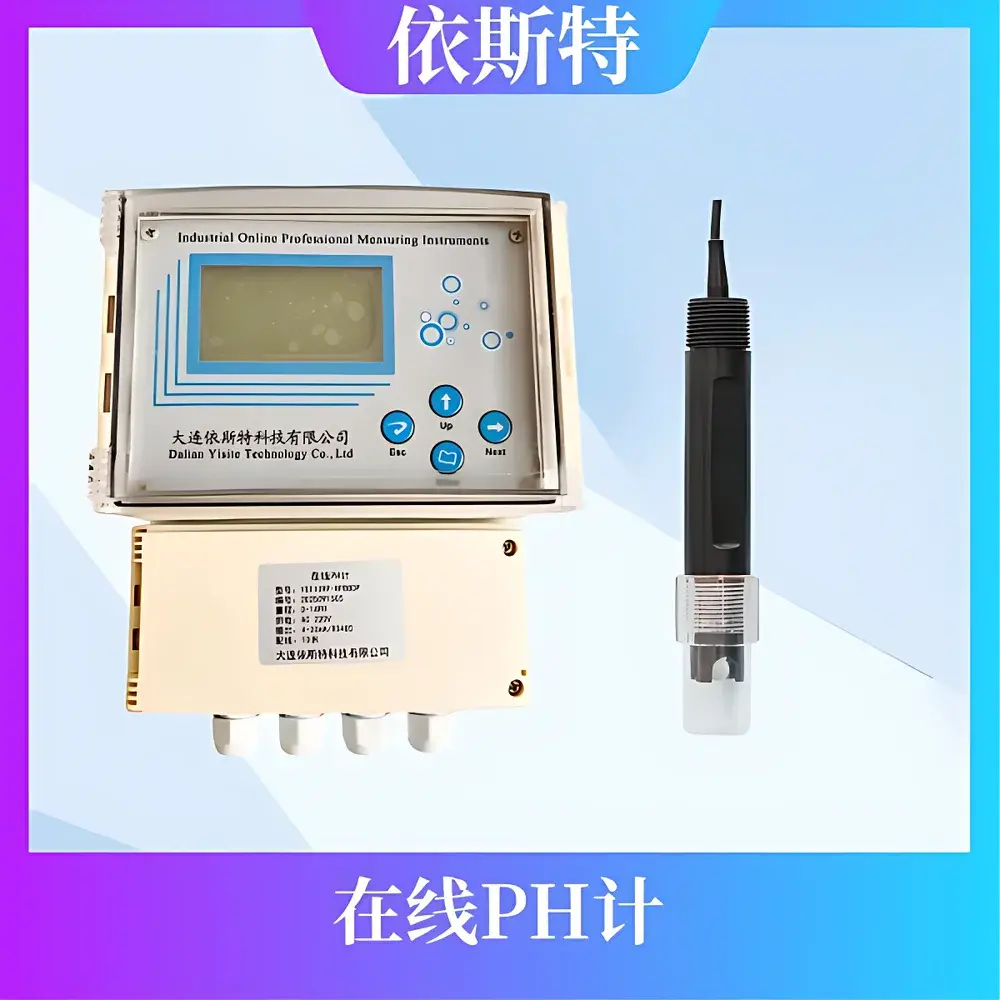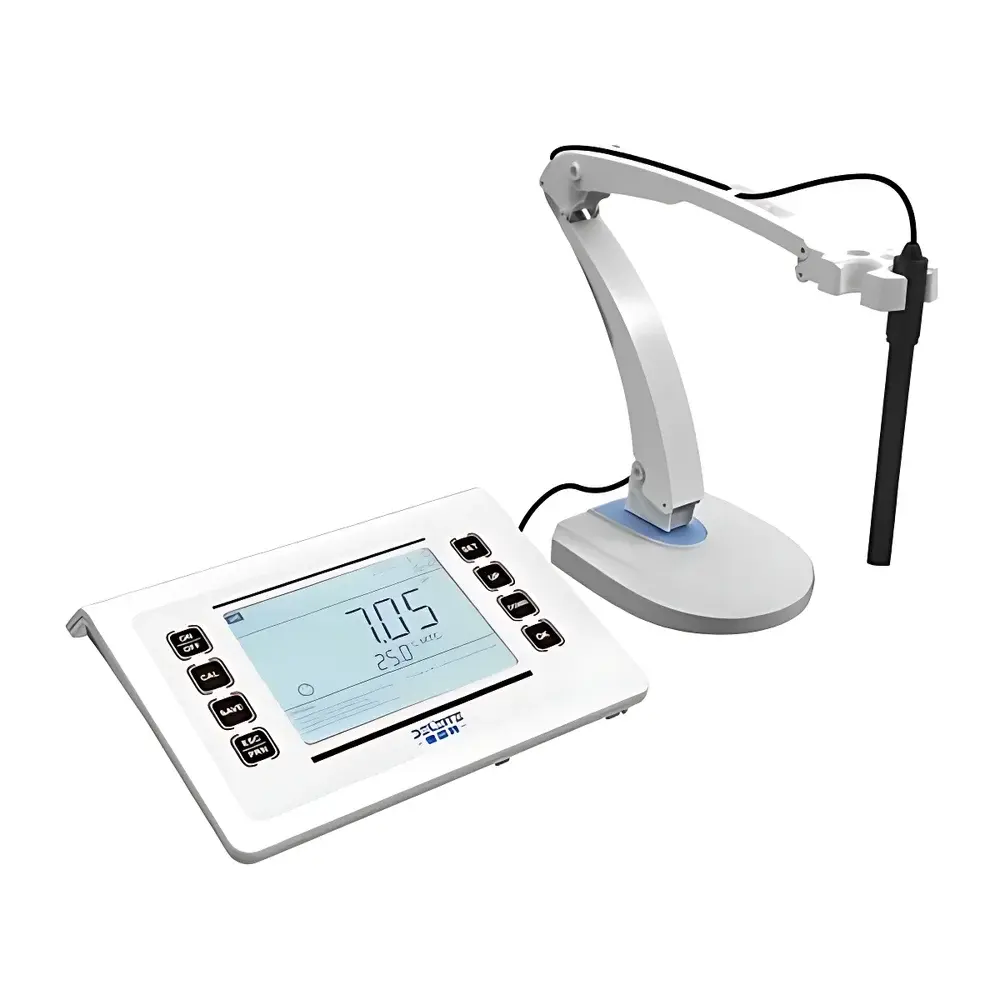
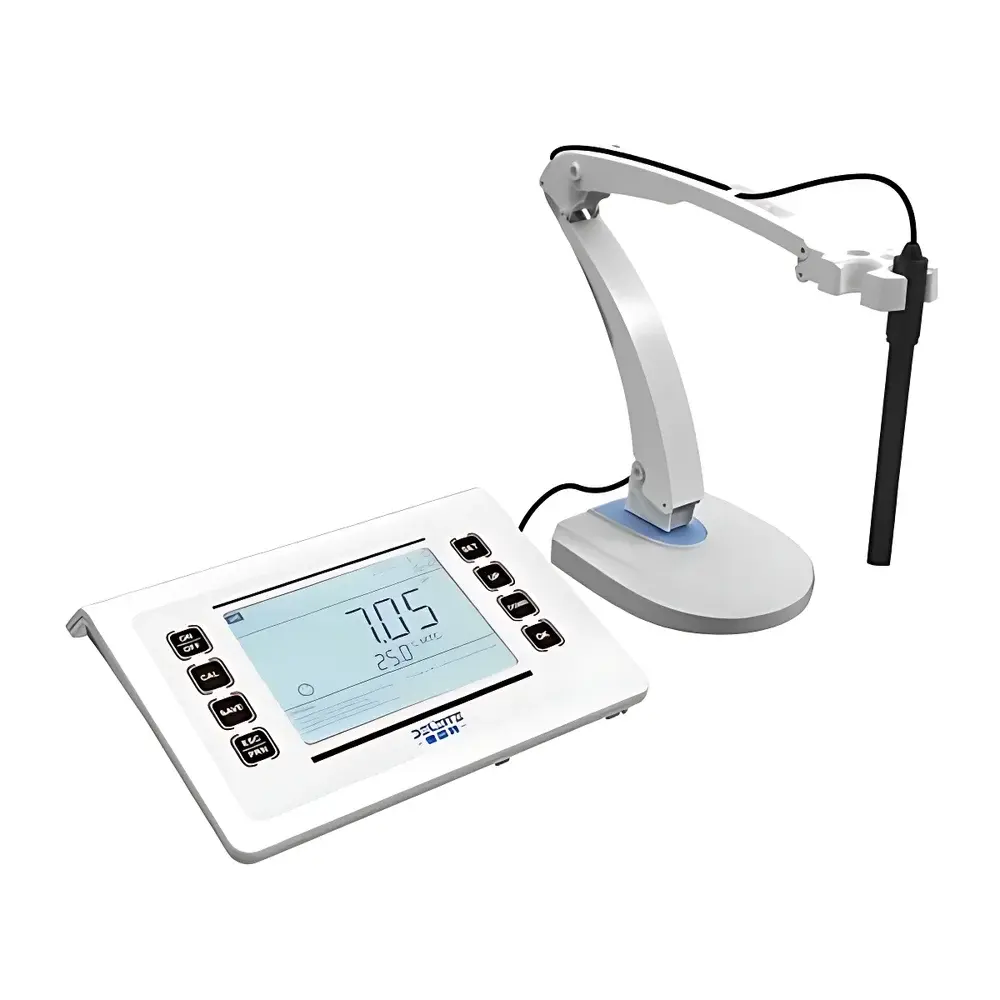
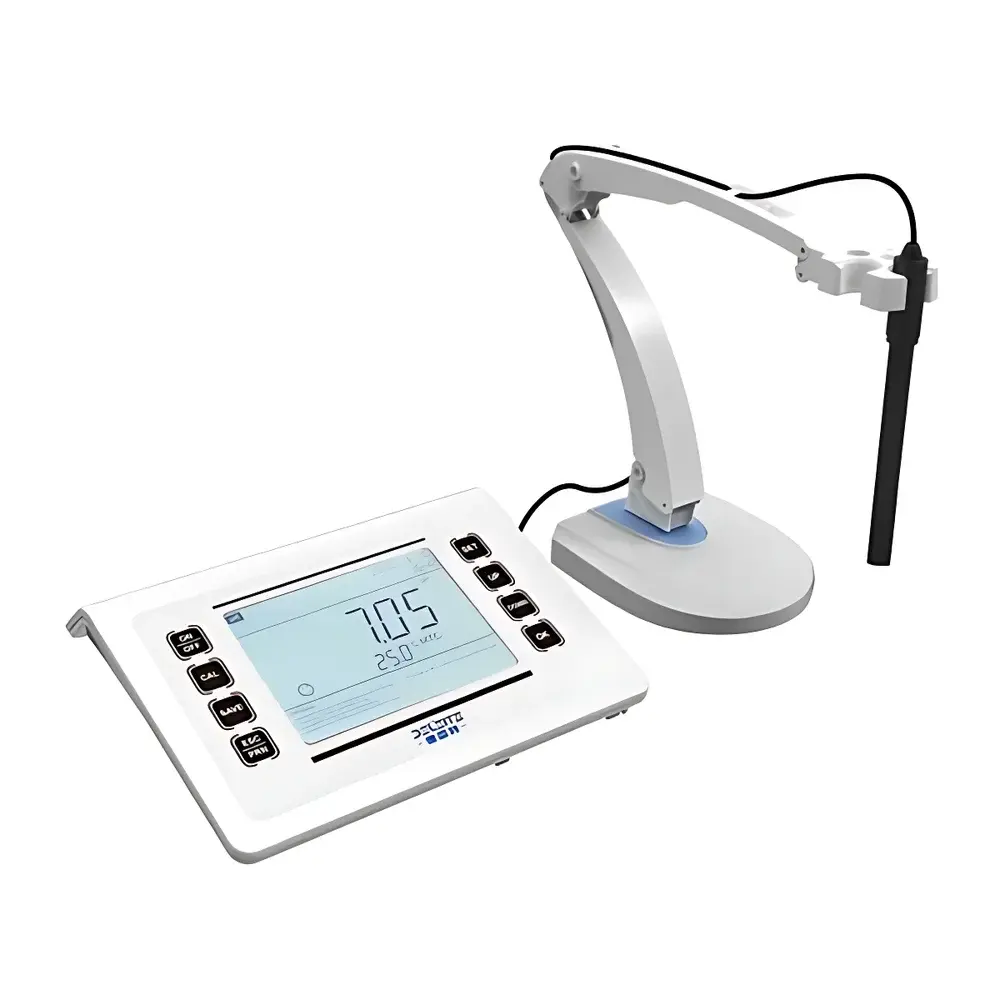
DELEITE DPH-10PT Online pH Meter and Acidity Analyzer
| Brand | DELEITE |
|---|---|
| Origin | Shanghai, China |
| Model | DPH-10PT |
| pH Range | -2.00 to 20.00 pH |
| Resolution | 0.01/0.1 pH |
| Accuracy | ±0.02 pH |
| Temperature Compensation | Manual/Automatic (0–100 °C) |
| Dimensions | 215 × 170 × 40 mm |
| Weight | 0.6 kg |
| mV Range | −1999 to +1999 mV |
| mV Resolution | 1 mV |
| mV Accuracy | ±0.1% FS |
| Temp. Accuracy | ±0.5 °C |
| Input Impedance | ≥1 × 10¹² Ω |
| Input Current | ≤1 × 10⁻¹² A |
| Stability | ±0.01 pH / 3 h |
| Data Storage | 300 sets |
| Interface | USB 2.0, micro-USB, optional Bluetooth module |
| IP Rating | IP54 |
| GLP Compliance | Yes |
Overview
The DELEITE DPH-10PT is a high-stability, laboratory-grade online pH meter engineered for continuous or intermittent monitoring in industrial process control, water treatment, pharmaceutical manufacturing, and quality assurance laboratories. It operates on the principle of potentiometric measurement—detecting the hydrogen ion activity in aqueous solutions via a glass pH electrode and reference junction, generating a millivolt signal proportional to the negative logarithm of H⁺ concentration. The instrument integrates dual-sensor capability with simultaneous pH, mV, and temperature acquisition, enabling real-time compensation and traceable calibration per ISO/IEC 17025 and ASTM D1293 guidelines. Designed for deployment in environments where regulatory documentation integrity is critical, the DPH-10PT supports full GLP-compliant operation—including timestamped data logging, user-accessible audit trails, and electronic record retention aligned with FDA 21 CFR Part 11 requirements when paired with validated software workflows.
Key Features
- 6.5-inch high-contrast LED display with multi-parameter readout (pH, mV, temperature, time), optimized for visibility under ambient lighting and glove-compatible operation.
- Industrial-grade Omron tactile membrane keypad rated for >100,000 actuations, ensuring long-term reliability in repetitive operational settings.
- Auto-buffer recognition across three internationally recognized standard series: US EPA/NIST-traceable buffers (pH 4.01, 7.00, 10.01), DIN/ISO standards (pH 1.68, 4.01, 6.86, 9.18), and Chinese national standards (GB/T 27501).
- Intelligent electrode diagnostics—real-time assessment of asymmetry potential, slope deviation, and junction resistance—to flag aging, fouling, or electrolyte depletion prior to measurement drift.
- Dual temperature compensation modes: automatic (via integrated Pt1000 RTD probe) and manual entry; all compensation algorithms conform to the Nernst equation with thermal coefficient correction.
- IP54-rated enclosure—dust-protected and splash-resistant—suitable for installation in non-hazardous zone environments per IEC 60529.
Sample Compatibility & Compliance
The DPH-10PT accommodates standard 12-mm diameter combination pH electrodes (BNC input) and separate temperature sensors (mini-DIN or analog RTD). It supports direct immersion in low-conductivity deionized water (≥5 µS/cm), aggressive acidic/alkaline streams (e.g., caustic soda, sulfuric acid scrubbers), and viscous biological media when used with flow-through cells or inline housings. Calibration verification meets ISO 8655-5 for volumetric accuracy and ASTM E70 for pH electrode performance. Device firmware implements GLP-mandated features including operator ID assignment, calibration event logging with buffer lot traceability, and tamper-evident data export timestamps. All stored records retain metadata (date/time, electrode ID, calibration status, ambient conditions) required for GMP audits in pharmaceutical water systems (USP , EP 2.2.38).
Software & Data Management
Internal memory retains up to 300 complete measurement sessions—including raw mV output, compensated pH values, temperature readings, and calibration coefficients—with auto-timestamping at 1-second intervals. Data exports via USB 2.0 to FAT32-formatted USB drives generate CSV files readable in Microsoft Excel, LibreOffice Calc, or LIMS platforms without proprietary drivers. Optional Bluetooth 4.2 module enables wireless printing to certified thermal label printers (Zebra ZD420, Brother QL-820NWB) for on-site QC documentation. Firmware updates are performed via micro-USB using signed binary packages verified against SHA-256 checksums—ensuring integrity during field servicing.
Applications
- Continuous pH monitoring in municipal wastewater influent/effluent streams and activated sludge basins.
- In-line acidity control during chemical dosing in boiler feedwater and reverse osmosis pretreatment.
- Batch release testing of injectables and purified water (PW/WFI) per pharmacopeial monographs.
- Process validation support for cleaning-in-place (CIP) cycles in bioreactor skids.
- Environmental compliance reporting for effluent discharge permits (e.g., EPA NPDES requirements).
- Academic research involving kinetic studies of hydrolysis, enzymatic reactions, or corrosion inhibition.
FAQ
Does the DPH-10PT support automatic 3-point calibration with slope and offset validation?
Yes—calibration routines verify electrode slope (typically 53–59 mV/pH at 25 °C) and zero offset (<±30 mV), rejecting out-of-specification results with audible alerts and on-screen diagnostics.
Can measurement data be exported in a format compliant with 21 CFR Part 11?
Raw CSV exports include immutable timestamps, user IDs, and calibration history; full Part 11 compliance requires integration with validated third-party LIMS or ELN software that enforces electronic signatures and audit trail archiving.
Is the instrument suitable for measuring pH in non-aqueous solvents such as ethanol or glycerol?
No—the DPH-10PT is validated exclusively for aqueous and aqueous-miscible matrices; non-aqueous measurements require specialized electrodes and alternative calibration protocols outside this device’s scope.
What is the recommended recalibration frequency for routine industrial use?
Per ISO 5725-2, recalibration is advised before each analytical batch or at 8-hour intervals during continuous operation—whichever occurs first—especially when monitoring solutions with pH 12.
How does the device handle temperature sensor failure during automatic compensation?
The unit defaults to manual temperature entry mode and displays a persistent warning icon; measurements continue using the last valid temperature value until corrected, preserving data continuity without interruption.