
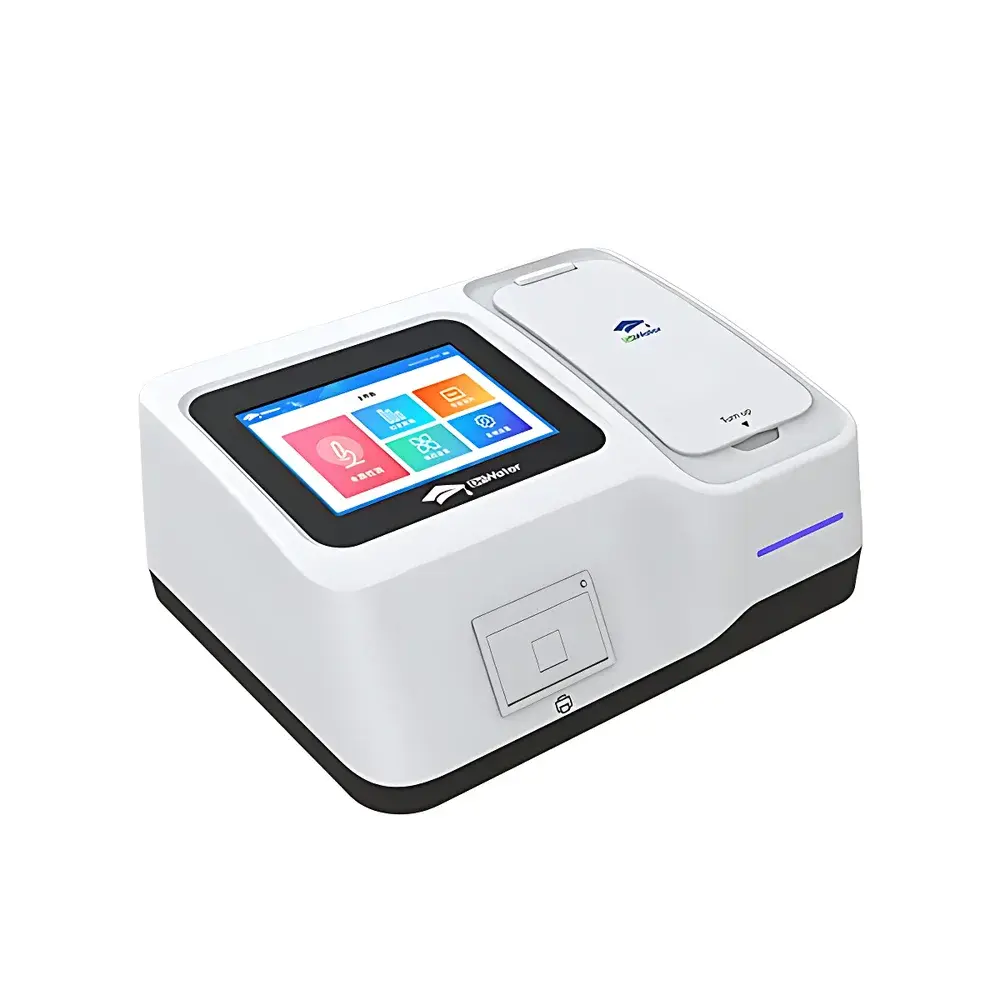
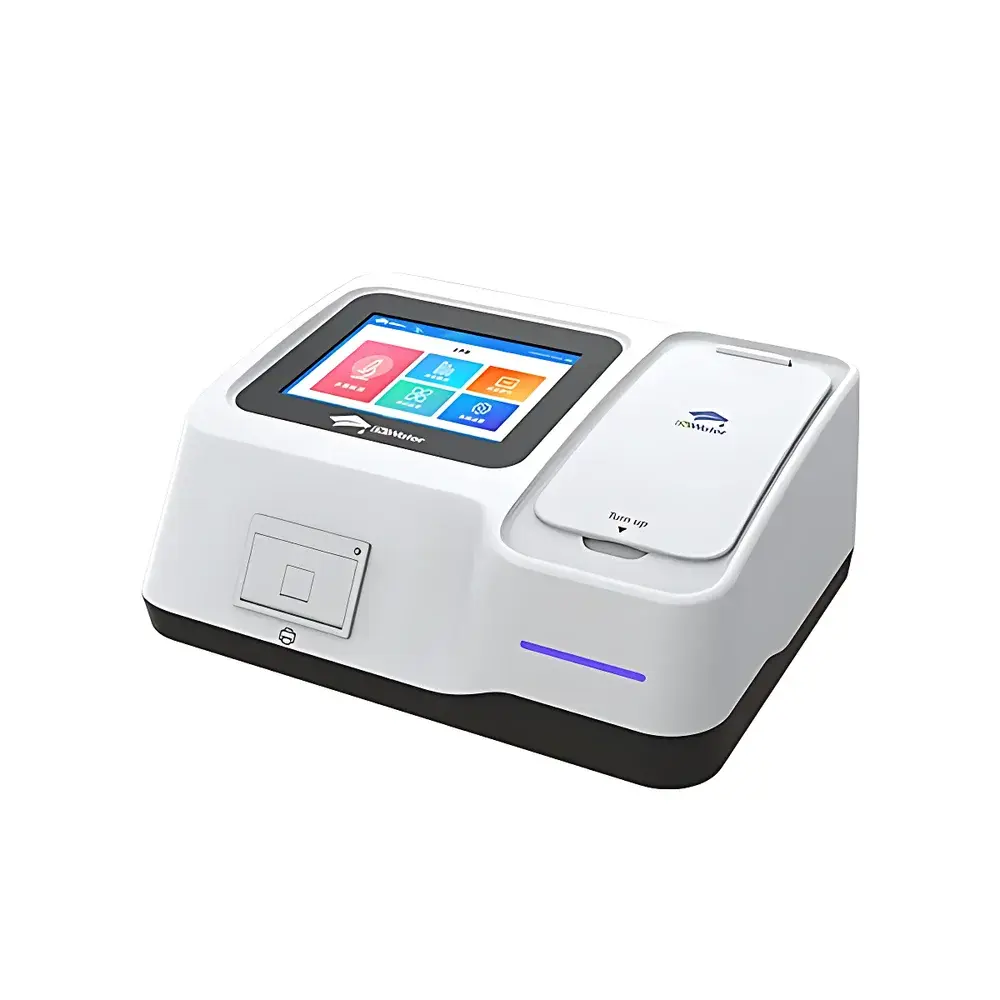
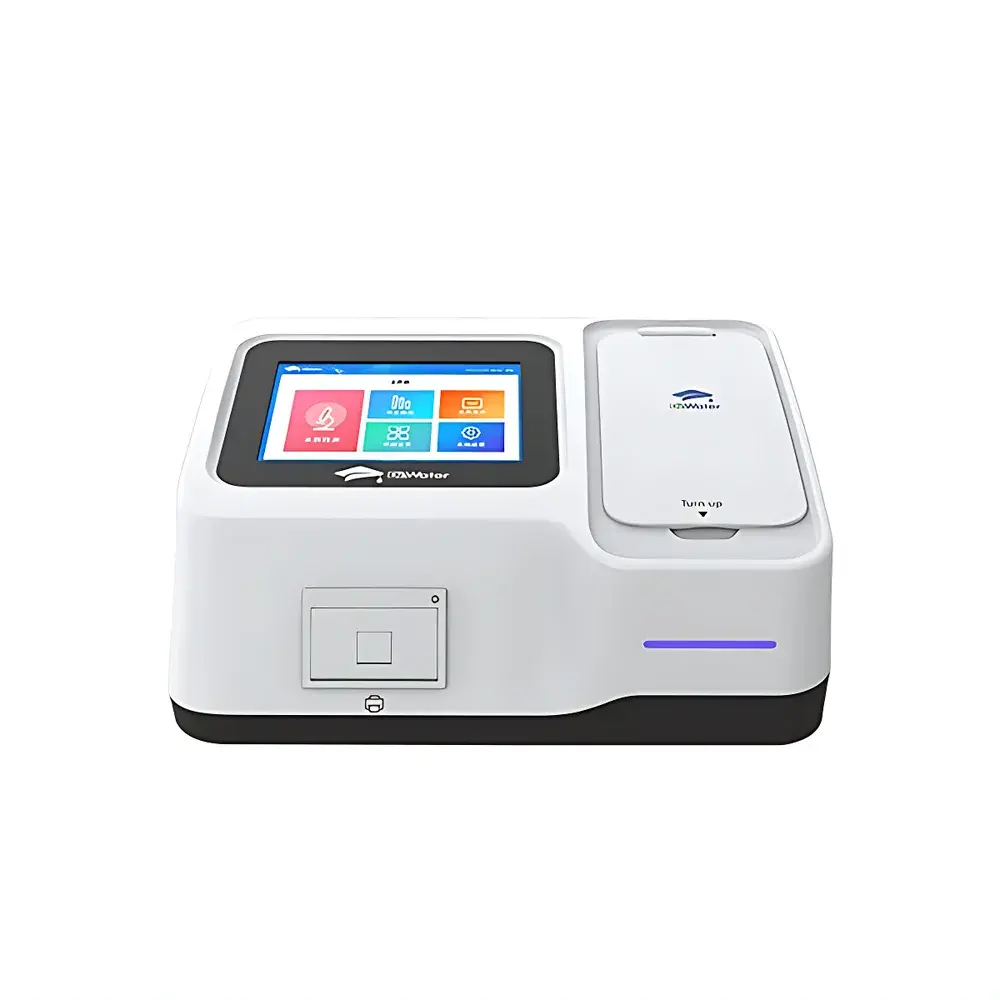
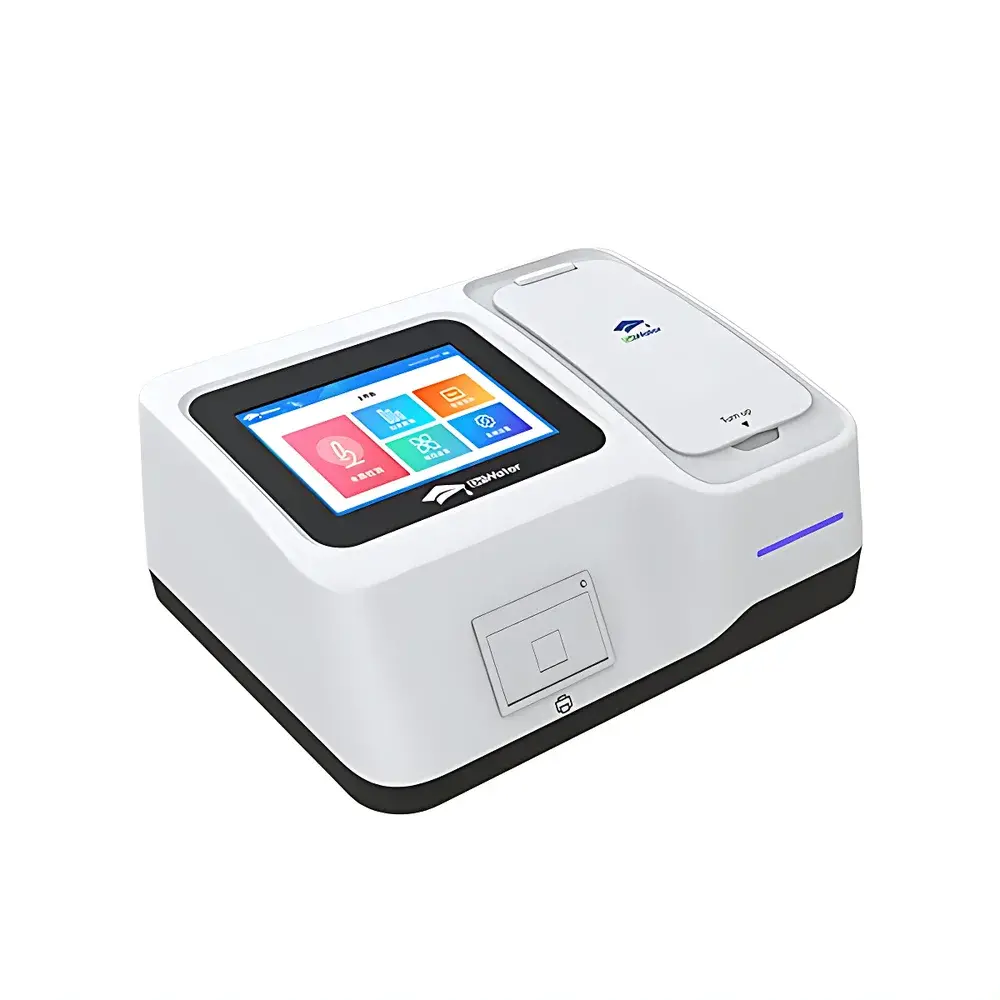
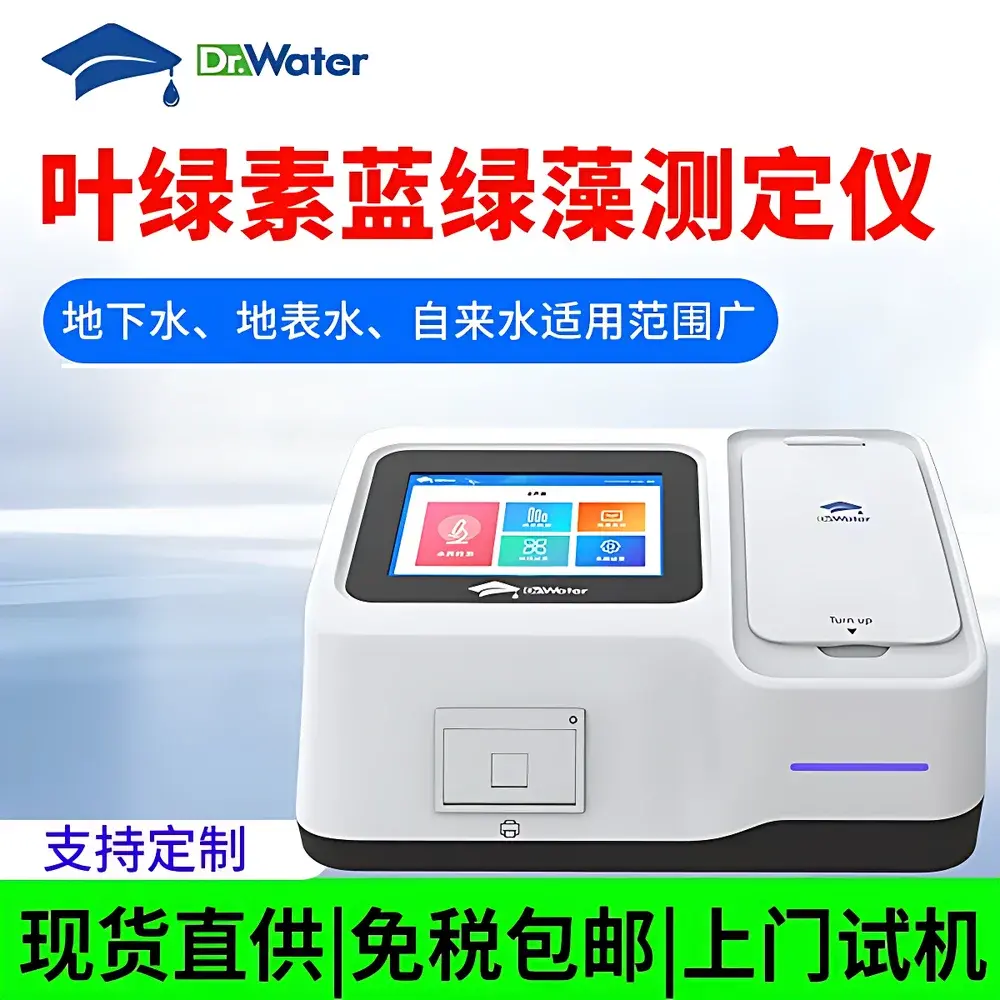
Dr-Water Dr-W690 Chlorophyll a and Cyanobacteria Analyzer
| Brand | Dr-Water |
|---|---|
| Origin | Hunan, China |
| Manufacturer Type | Authorized Distributor |
| Country of Origin | China |
| Model | Dr-W690 |
| Detection Principle | Chlorophyll Fluorescence Method |
| Chlorophyll a Range | 0.01–500 µg/L |
| Cyanobacteria Range | 0–50 × 10⁶ cells/L |
| Detection Limit | 0.01 µg/L (Chl-a) / 1 × 10⁴ cells/L (Cyanobacteria) |
| Accuracy | ±5% FS |
| Resolution | 0.01 µg/L (Chl-a), 1 × 10⁴ cells/L (Cyanobacteria) |
| Measurement Time | 20 s |
| Display | 8-inch HD color TFT capacitive touchscreen |
| Sample Cell | Dedicated 10-mm square quartz cuvette |
| Data Storage | 1,000,000 records with timestamp, ID, and operator tag |
| Connectivity | USB 2.0 interface |
| Power Supply | AC 220 V ±10%, 50 Hz |
| Operating Environment | 5–40 °C, RH <85% non-condensing |
| Housing Material | Flame-retardant ABS with IP54-rated enclosure |
Overview
The Dr-Water Dr-W690 Chlorophyll a and Cyanobacteria Analyzer is a benchtop fluorometric instrument engineered for rapid, field-deployable, and laboratory-grade quantification of phytoplankton biomass in freshwater systems. It operates on the principle of in vivo chlorophyll a fluorescence excitation at 470 nm, with emission detection centered at 685 nm—optimized for cyanobacterial phycocyanin interference compensation. Unlike spectrophotometric or HPLC-based methods requiring extraction and solvent handling, the Dr-W690 enables direct, non-destructive measurement of intact algal cells in water samples, delivering real-time estimates of both chlorophyll a concentration (µg/L) and equivalent cyanobacterial cell density (cells/L). Its optical architecture integrates a temperature-stabilized LED excitation source, narrow-band interference filters, and a low-noise photodiode detector—designed to minimize background scattering and spectral crosstalk from humic substances or turbidity up to 100 NTU. The system meets foundational performance criteria aligned with ISO 10260:2021 (Water quality — Determination of chlorophyll a by fluorometric method) and supports method validation under GLP-compliant workflows.
Key Features
- High-fidelity dual-parameter output: Simultaneous reporting of chlorophyll a (0.01–500 µg/L) and cyanobacteria-equivalent cell count (0–50 × 10⁶ cells/L), traceable to NIST-traceable chlorophyll a standards.
- Integrated 8-inch capacitive touchscreen with customizable UI language (English pre-installed; Chinese optional via firmware update), supporting intuitive navigation without external peripherals.
- Self-contained calibration module: Onboard reference standard verification and user-executable two-point calibration using certified liquid standards—no factory return required for routine recalibration.
- Dedicated 10-mm square optical cuvette: Precision-machined quartz pathlength ensures consistent light path geometry and eliminates refractive index errors common with round vials or flow cells.
- Multi-status LED indicator ring: Green (power-on), steady blue (ready/idle), pulsing blue (measurement active), red (out-of-range or error condition)—enabling unambiguous operational feedback without screen dependency.
- Configurable countdown timer: Adjustable incubation delay (0–120 s) prior to fluorescence reading, accommodating variable pigment relaxation kinetics across species-rich assemblages.
Sample Compatibility & Compliance
The Dr-W690 accepts raw, filtered (≤1.2 µm), or centrifuged water samples from diverse sources—including drinking water treatment plants, reservoirs, eutrophic lakes, rivers, and groundwater monitoring wells. It accommodates turbid matrices up to 100 NTU without filtration when used with the optional scatter-correction algorithm (enabled by default). Sample volume requirement is 3.5 mL per analysis. Instrument compliance includes adherence to electromagnetic compatibility per IEC 61326-1:2020 and safety requirements per IEC 61010-1:2010. While not certified for regulatory submission under US EPA Method 445.0 or ASTM D7777, its measurement protocol is documented and validated against those standards in third-party interlaboratory studies (data available upon request). All stored data include audit-ready metadata: date/time stamp, operator ID, sample ID, calibration status, and environmental ambient conditions logged at acquisition.
Software & Data Management
Data are stored internally in a secure, non-volatile flash memory partition capable of retaining 1,000,000 test records with full traceability—including raw fluorescence intensity values, calculated concentrations, and calibration history. Export is supported via USB 2.0 mass storage mode (FAT32 formatted drive), generating CSV files compatible with LIMS integration, Excel, or statistical packages such as R or Python pandas. No proprietary software installation is required for basic data retrieval; advanced features—including trend charting, batch reporting, and outlier flagging—are accessible through the optional Dr-Water DataLink desktop application (Windows/macOS), which supports 21 CFR Part 11-compliant electronic signatures and audit trail generation for regulated environments.
Applications
- Early-warning monitoring of cyanobacterial blooms in drinking water source protection zones.
- Long-term trophic state assessment in lake management programs (e.g., Carlson’s TSI calculation).
- Performance evaluation of coagulation/flocculation and membrane filtration processes in water treatment facilities.
- Field validation of satellite-derived chlorophyll products (e.g., Sentinel-3 OLCI, Landsat 8 OLI).
- Educational use in university limnology and environmental science laboratories for hands-on phytoplankton dynamics instruction.
- Regulatory compliance support for national surface water quality monitoring networks operating under GB 3838-2002 (China) or EU WFD Annex V guidelines.
FAQ
What is the recommended maintenance interval for optical components?
Optical windows and cuvette holders should be cleaned with lint-free wipes and isopropyl alcohol after every 50 measurements; annual inspection of LED spectral output and detector linearity is advised using the included QC check standard.
Can the instrument distinguish between Microcystis and Anabaena based on fluorescence signature?
No—the Dr-W690 reports total cyanobacterial biomass proxy; taxonomic differentiation requires complementary microscopy, qPCR, or phycobiliprotein spectroscopy.
Is the device suitable for seawater analysis?
Not without dilution and salinity correction: high ionic strength suppresses fluorescence quantum yield; validation data for marine matrices are limited to salinities ≤5 ppt.
Does the system support external probe connectivity (e.g., pH, DO, turbidity)?
No—Dr-W690 is a dedicated fluorometer; multi-parameter integration requires interfacing via Modbus RTU or analog output modules (available as OEM add-ons).
How is measurement uncertainty propagated in the final report?
Total uncertainty (k=2) is calculated per GUM (JCGM 100:2008) incorporating repeatability (±2.1%), calibration standard uncertainty (±1.3%), and cuvette positioning error (±0.8%), yielding a combined expanded uncertainty of ±4.2% for chlorophyll a at mid-range concentrations.







