
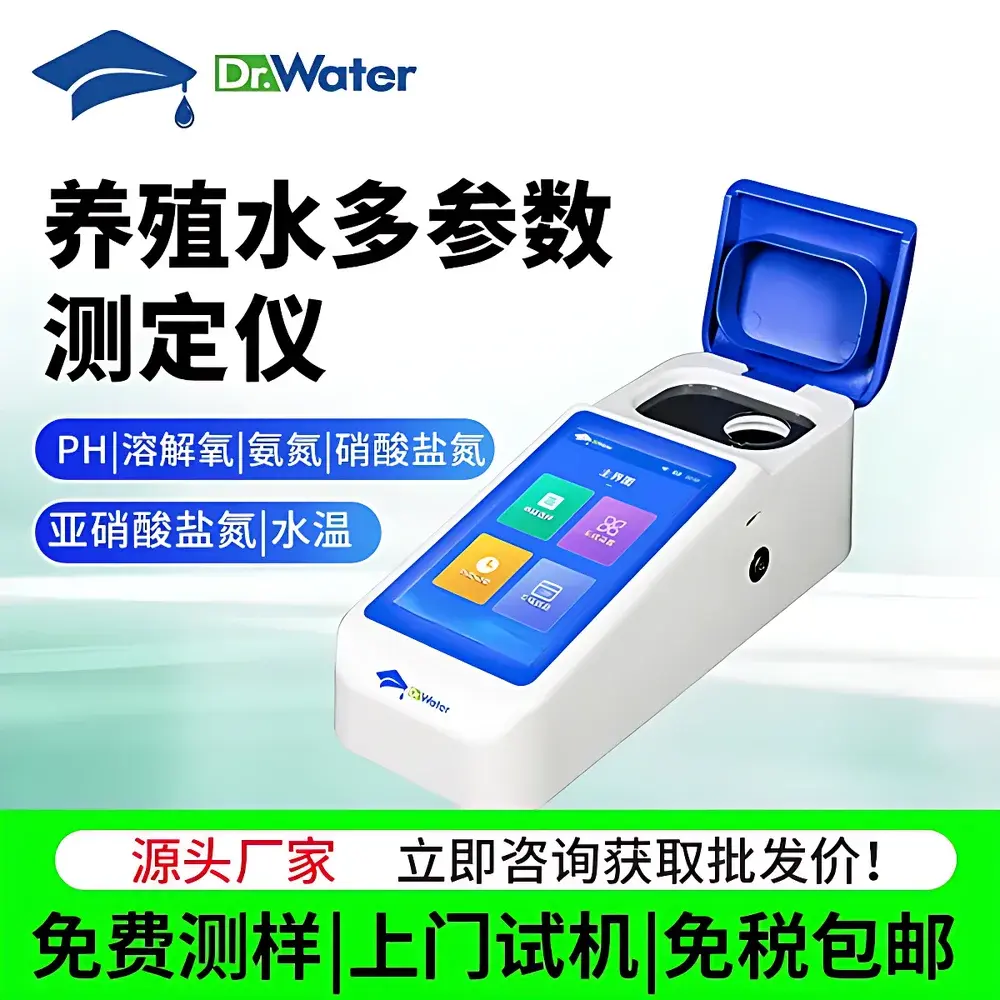
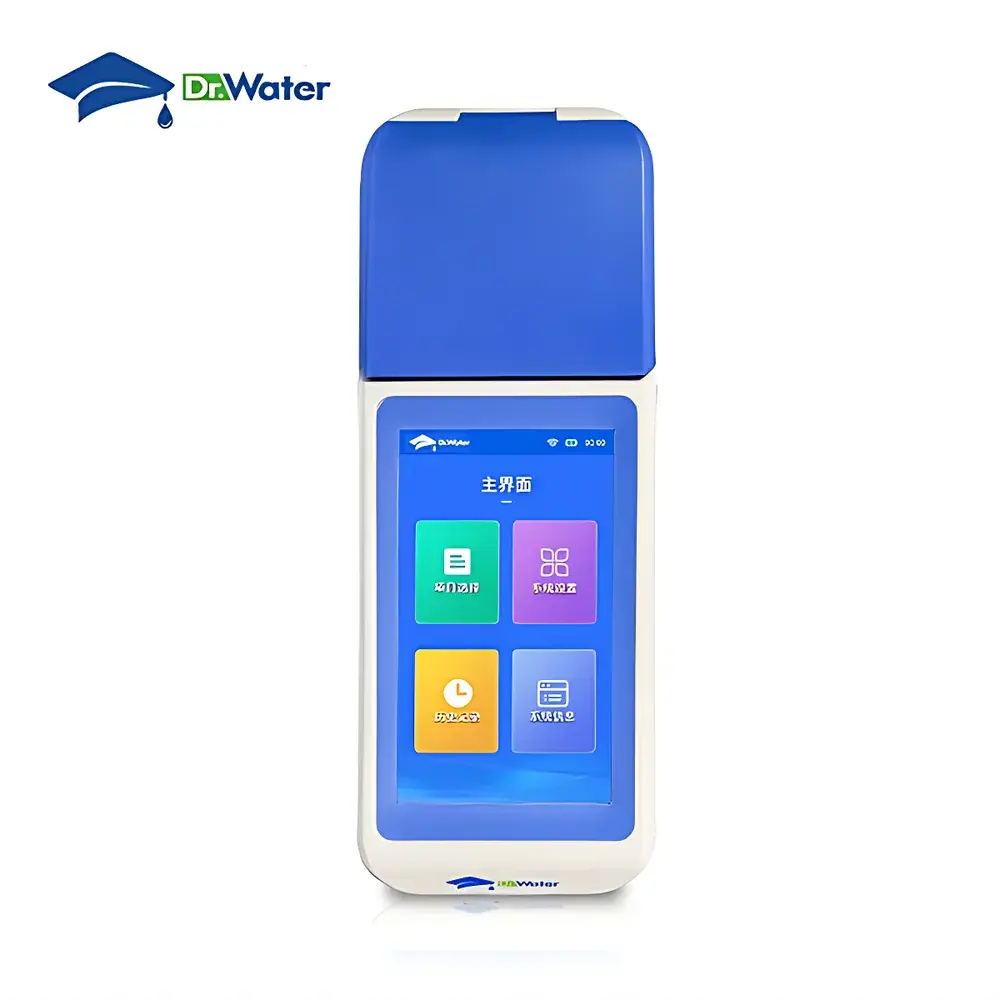
Dr-YZ60 Multi-Parameter Water Quality Analyzer by DoctorWater
| Brand | DoctorWater |
|---|---|
| Origin | Hunan, China |
| Model | Dr-YZ60 |
| Instrument Type | Portable/HANDHELD Water Quality Analyzer |
| Detection Parameters | pH, Dissolved Oxygen (DO), Ammonia Nitrogen (NH₃-N), Nitrate Nitrogen (NO₃⁻-N), Nitrite Nitrogen (NO₂⁻-N), Water Temperature |
| pH Measurement Range | 6.5–8.5 pH |
| Repeatability | ≤ ±2% |
| Accuracy | ≤ ±5% |
| Wavelength Range | 330–900 nm |
| Wavelength Accuracy | ±5 nm |
| Optical Resolution | 0.001 Abs |
| Optical Stability | ≤ ±0.005 Abs/20 min |
| Light Source | Imported Cold Light LED (Lifespan > 100,000 h) |
| Sample Cell | 16 mm & 25 mm Cuvettes |
| Display | 5-inch HD Color Touchscreen |
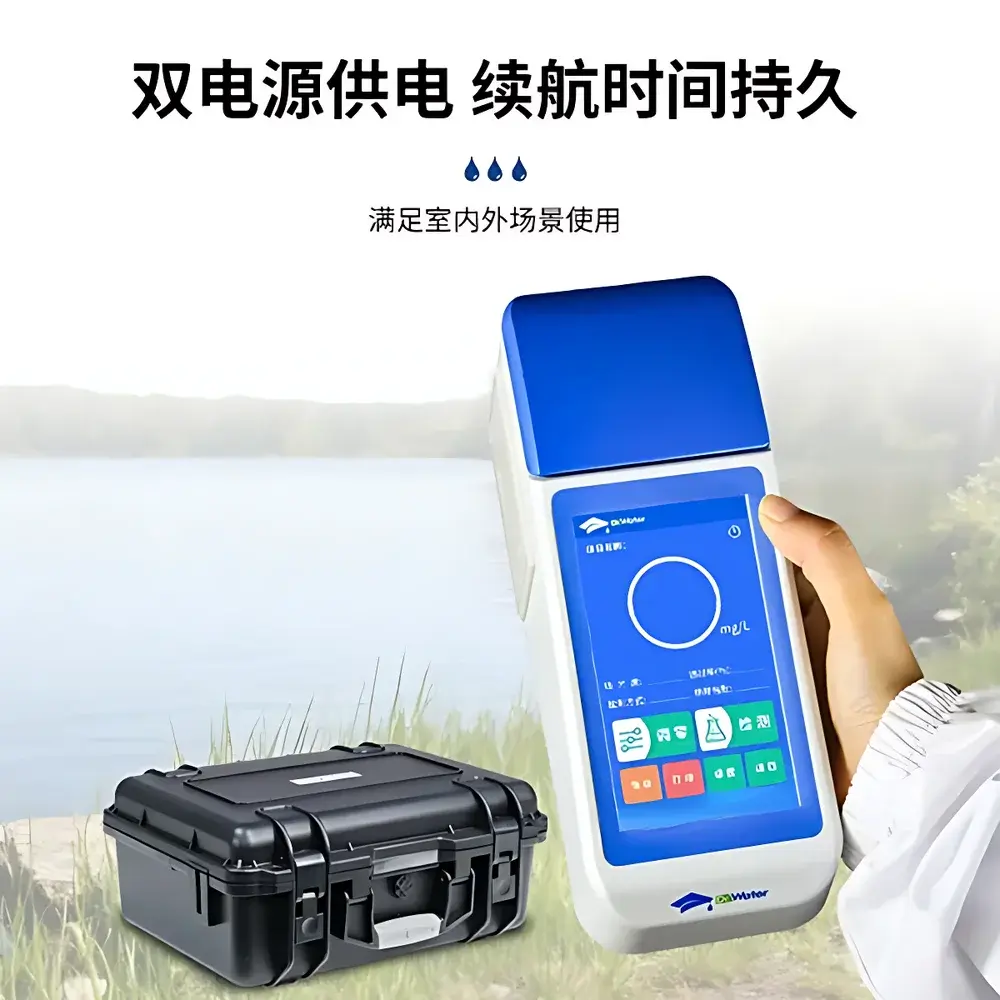
| Power Supply | Rechargeable Li-ion Battery + AC Adapter |
| Data Storage Capacity | 1,000,000 Records |
| Interface | USB Type-C (Charging & Data Transfer) |
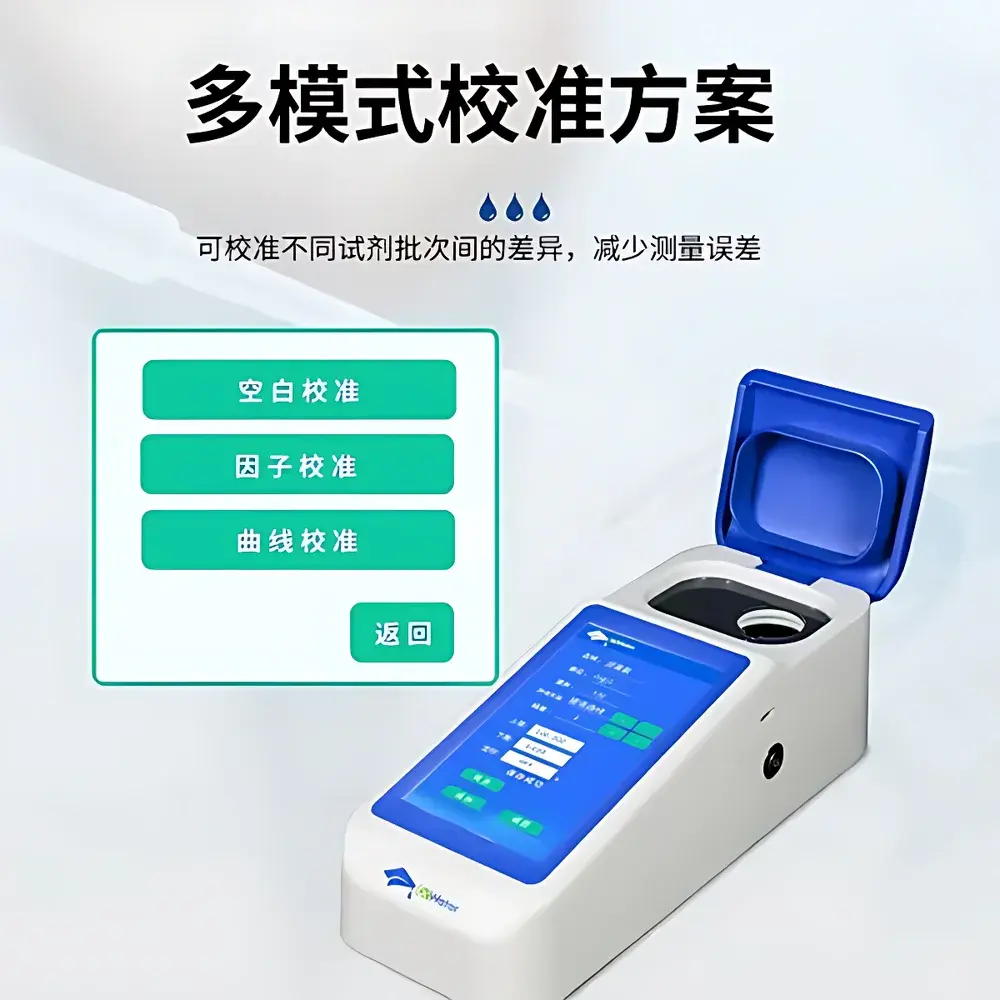
| Calibration Modes | Blank, Factor, and Calibration Curve |
| Readout Modes | Concentration & Absorbance |
| Housing Material | Corrosion-Resistant ABS |
| Printing | Built-in Thermal Printer |
| Language Support | English & Chinese |
Overview
The Dr-YZ60 Multi-Parameter Water Quality Analyzer is a field-deployable, spectrophotometric-based instrument engineered for rapid, on-site assessment of critical water quality parameters in aquaculture environments. Unlike single-parameter meters or electrode-based systems, the Dr-YZ60 integrates optical detection with standardized colorimetric chemistry to quantify ammonia nitrogen, nitrate nitrogen, nitrite nitrogen, dissolved oxygen (via Winkler-derived reagent chemistry), pH (using solid-state pH-sensitive optical indicators), and water temperature—within a single compact platform. Its optical architecture employs an auto-wavelength positioning system across a broad spectral range (330–900 nm), enabling precise bandpass selection for each assay per national standard methods (e.g., HJ 535–2009 for NH₃-N, HJ 536–2009 for NO₂⁻-N, HJ 537–2009 for NO₃⁻-N). Designed for operational robustness in high-humidity, saline, and acidic conditions typical of shrimp ponds, tilapia raceways, and recirculating aquaculture systems (RAS), the analyzer meets functional requirements aligned with ISO 5667-3 (water sampling) and ASTM D1293 (pH of water) for field-use validity.
Key Features
- 5-inch HD capacitive touchscreen with dual-language UI (English/Chinese), supporting intuitive navigation without external peripherals.
- Dual-algorithm quantification engine combining interpolation and regression curve fitting to minimize inter-batch reagent variability and improve measurement reproducibility (≤ ±2% RSD).
- Integrated interference compensation algorithm correcting for sample turbidity, chromaticity, and photometric drift—critical for colored or suspended-solid-rich aquaculture effluents.
- Multi-mode turbidity analysis: Standard, Low-Turbidity, Signal-Averaging, and Rapid Sedimentation modes—enabling adaptive response to dynamic pond settling behavior.
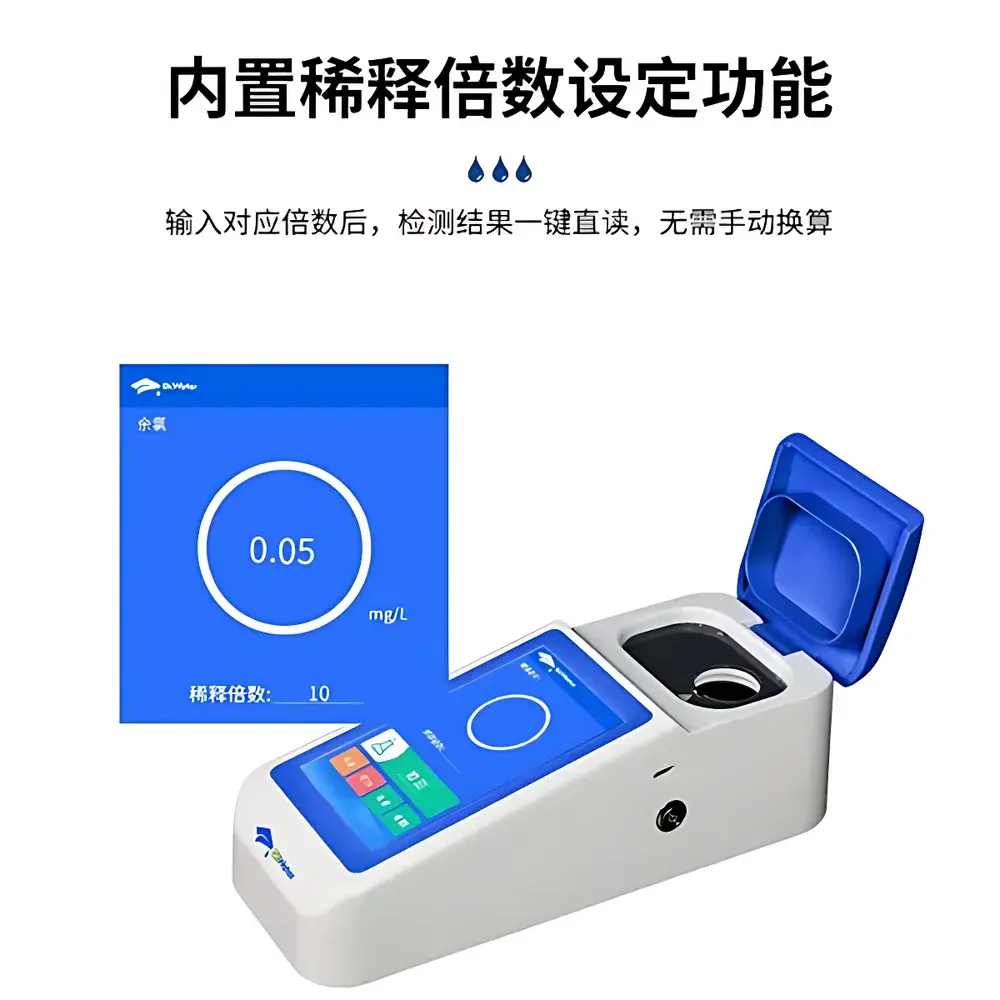
- On-device dilution factor input: Direct concentration readout after sample dilution—eliminating manual calculation errors in high-concentration scenarios (e.g., post-feeding ammonia spikes).
- Programmable timed assays: Schedule measurements at user-defined intervals (1 min to 24 h), supporting unattended monitoring during diurnal cycles or feeding events.
- Triple calibration flexibility: Blank, factor, and full multi-point curve calibration—ensuring traceability across reagent lots and long-term field deployment.
- Thermal printer and USB Type-C interface provide immediate hardcopy output and secure, bidirectional data export for LIMS integration or regulatory reporting.
- ABS housing rated IP67-equivalent for splash, dust, and acid resistance; battery diagnostics alert users prior to low-power operation.
Sample Compatibility & Compliance
The Dr-YZ60 accepts standard 16 mm and 25 mm round glass or quartz cuvettes, compatible with EPA-compliant and GB-standard reagent kits for all target analytes. It supports both pre-packaged dry-reagent tablets and liquid reagent formats. While not certified to ISO/IEC 17025 as a standalone testing laboratory, its measurement protocols align with GB/T 5750.5–2023 (ammonia nitrogen), GB/T 5750.6–2023 (nitrate/nitrite), and GB/T 5750.4–2023 (pH), ensuring methodological consistency with national regulatory frameworks. The instrument’s optical stability (≤ ±0.005 Abs/20 min) and wavelength accuracy (±5 nm) meet minimum performance thresholds specified in ISO 7027-1:2016 for turbidity instruments and support GLP-aligned field documentation.
Software & Data Management
Embedded firmware provides full local control over measurement, calibration, storage, and reporting functions. All 1,000,000 records are time-stamped, location-tagged (via optional Bluetooth GPS pairing), and stored with metadata including operator ID, calibration history, reagent lot number, and environmental ambient temperature. Data export via USB Type-C yields CSV-formatted files compliant with common QA/QC workflows. Audit trail functionality logs all user actions—including calibration edits, limit changes, and result deletions—supporting internal review requirements under GMP-aligned aquaculture management systems. No cloud dependency; all processing occurs onboard to ensure data sovereignty and offline operability in remote farming zones.
Applications
- Routine pond health monitoring: Daily tracking of NH₃-N, NO₂⁻-N, and DO to preempt hypoxia or toxicant accumulation.
- Feed management validation: Correlating post-feeding ammonia spikes with feed conversion ratios (FCR) and waste load modeling.
- Water exchange optimization: Quantifying residual nitrate levels before discharge to comply with local effluent limits.
- Hatchery QC: Verifying larval rearing water pH stability and DO saturation across multiple tanks.
- Regulatory self-auditing: Generating auditable records for provincial fisheries departments or certification bodies (e.g., ASC, BAP).
- Extension service delivery: Mobile labs used by agricultural technicians for farmer training and real-time advisory support.
FAQ
Does the Dr-YZ60 require annual factory recalibration?
No. The instrument supports user-performed optical and electrochemical verification using NIST-traceable standards. Factory recalibration is recommended only after physical impact or extended exposure to extreme thermal cycling (>60°C).
Can it measure free chlorine or total alkalinity?
Not natively. The Dr-YZ60 is configured exclusively for the six parameters listed in its specification (pH, DO, NH₃-N, NO₃⁻-N, NO₂⁻-N, temperature). Additional parameters would require hardware modification and separate validation per method standard.
Is the thermal printer compatible with continuous label roll media?
No. It uses proprietary 57 mm thermal paper rolls with auto-cut function. Custom labeling requires external software-driven printing from exported CSV data.
How is dissolved oxygen measured—electrochemically or optically?
Via colorimetric Winkler titration adaptation: the instrument measures iodine liberation stoichiometrically linked to DO concentration, eliminating membrane fouling issues common in Clark-type sensors.
What is the expected service life of the cold light source?
Rated for ≥100,000 hours of operational use under normal field conditions (25°C ambient, 50% duty cycle), with no intensity drift correction required within first 5 years of ownership.
Related Products







