
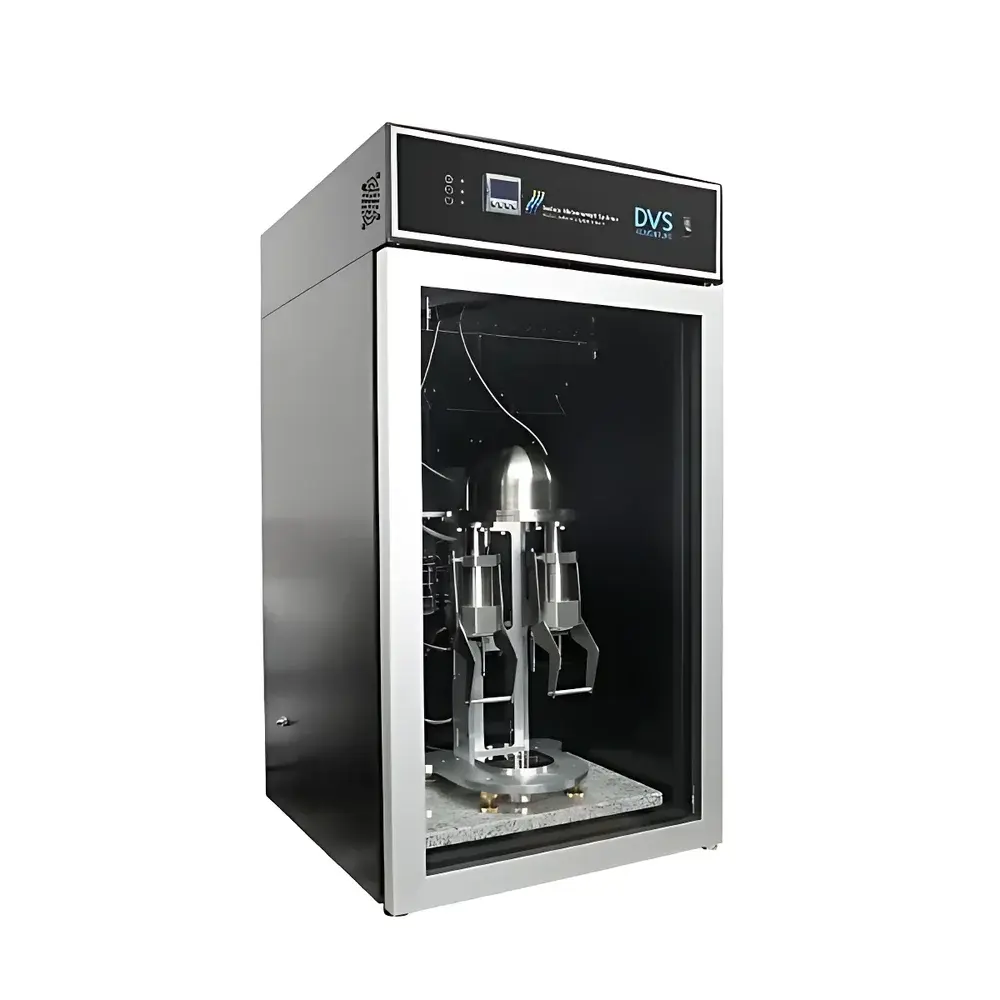
DVS Adventure Dynamic Vapor Sorption Analyzer by SMS
| Brand | SMS |
|---|---|
| Origin | United Kingdom |
| Model | DVS Adventure |
| Instrument Type | Dynamic Vapor Sorption Analyzer |
| Mass Resolution | ±0.01 µg |
| Temperature Range | 5–85 °C |
| Relative Humidity Range | 0–98 %RH |
| Sample Mass Capacity | 1 mg to 5000 mg |
| Compliance | Designed for GLP/GMP-aligned workflows |
| Software | DVS Insight v5.x with audit trail, method validation support, and 21 CFR Part 11 optional modules |
Overview
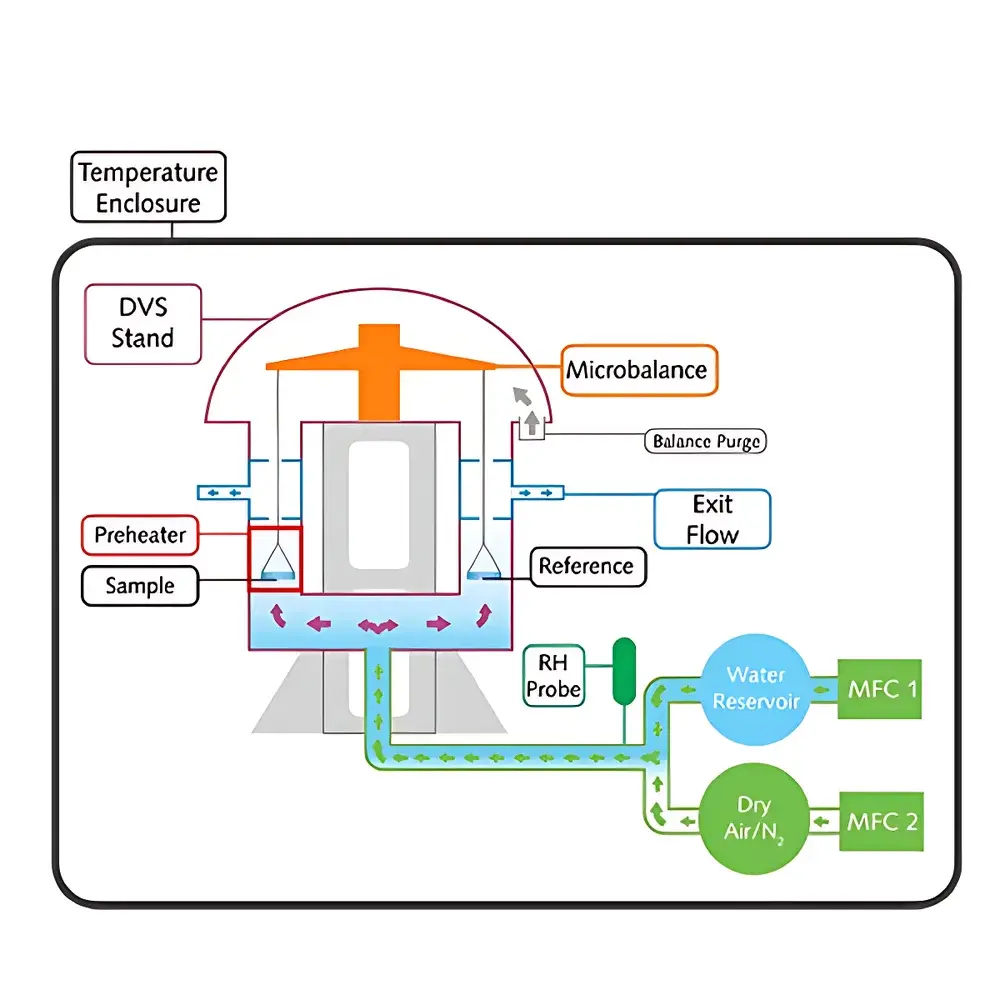
The DVS Adventure Dynamic Vapor Sorption Analyzer is a high-precision gravimetric instrument engineered for quantitative measurement of vapor uptake and release kinetics in solid materials under controlled temperature and relative humidity (RH) conditions. Operating on the principle of dynamic vapor sorption—where sample mass change is continuously monitored as RH is incrementally stepped or ramped—the system enables rigorous characterization of water vapor interaction mechanisms including monolayer formation, capillary condensation, hygroscopic swelling, and humidity-induced phase transitions. Developed by Surface Measurement Systems (SMS), a UK-based leader in sorption science since 1998, the DVS Adventure integrates over two decades of empirical calibration, flow control architecture, and thermal management expertise. Its core design prioritizes metrological stability: dual-stage humidity generation via N₂ carrier gas saturation, real-time dew point monitoring, and active thermal regulation ensure <±0.1 °C temperature uniformity and <±0.3 %RH humidity accuracy across the full operational envelope (5–85 °C, 0–98 %RH). This level of environmental fidelity supports ISO 15148-compliant moisture transport analysis and ASTM E104-22 standard humidity conditioning protocols.
Key Features
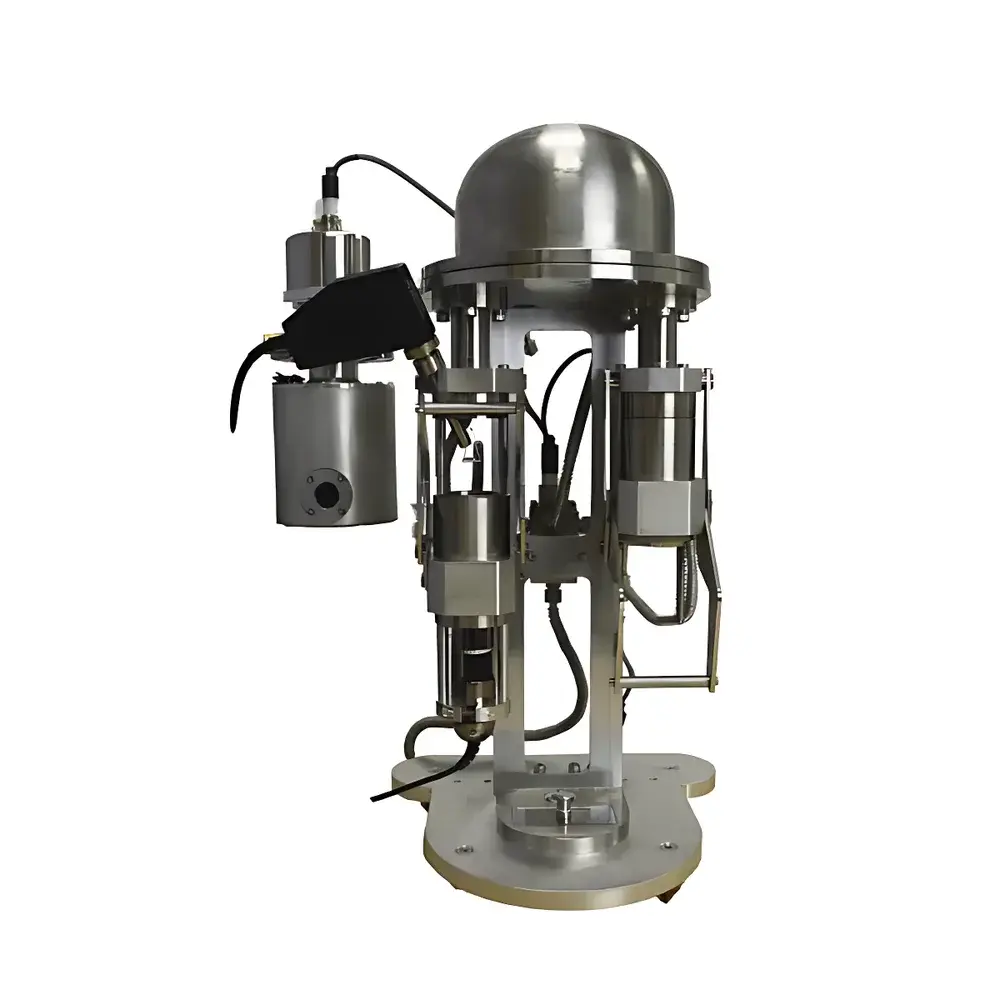
- Gravimetric detection with ±0.01 µg mass resolution using a high-stability microbalance housed in a vibration-damped, temperature-controlled enclosure.
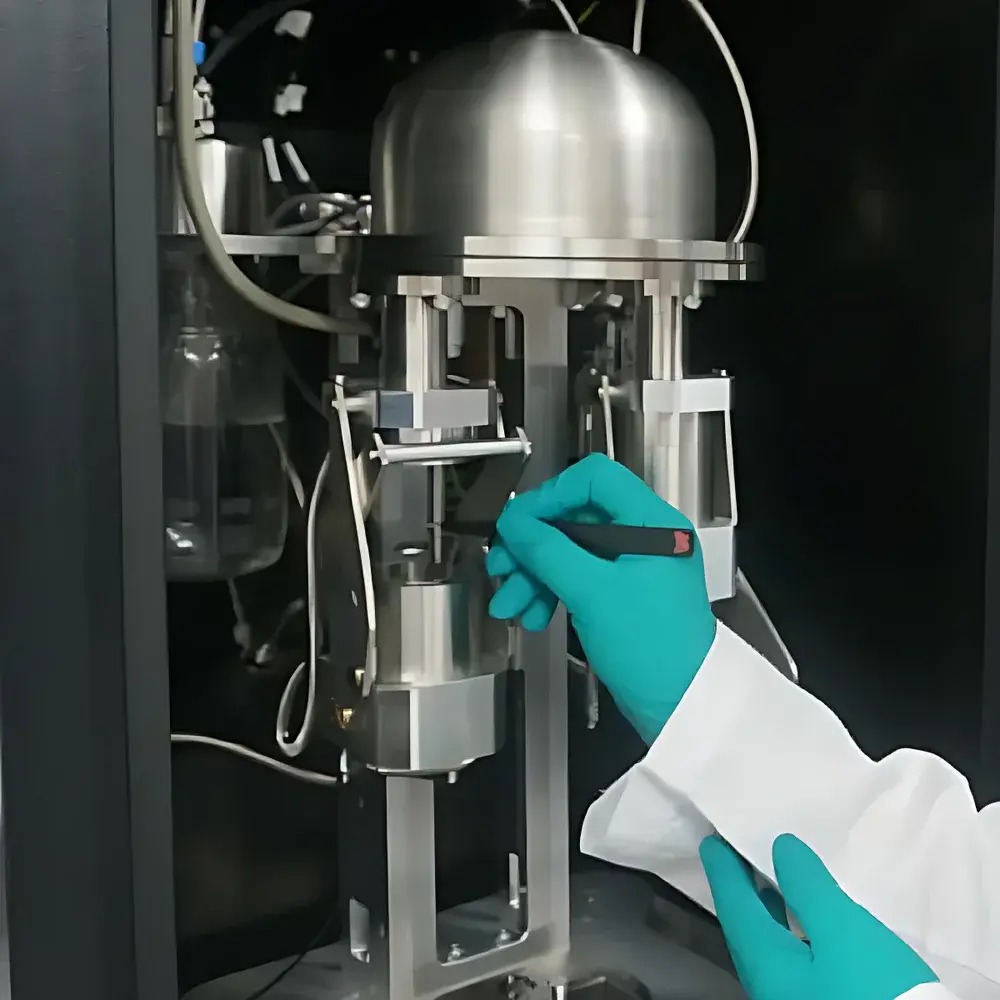
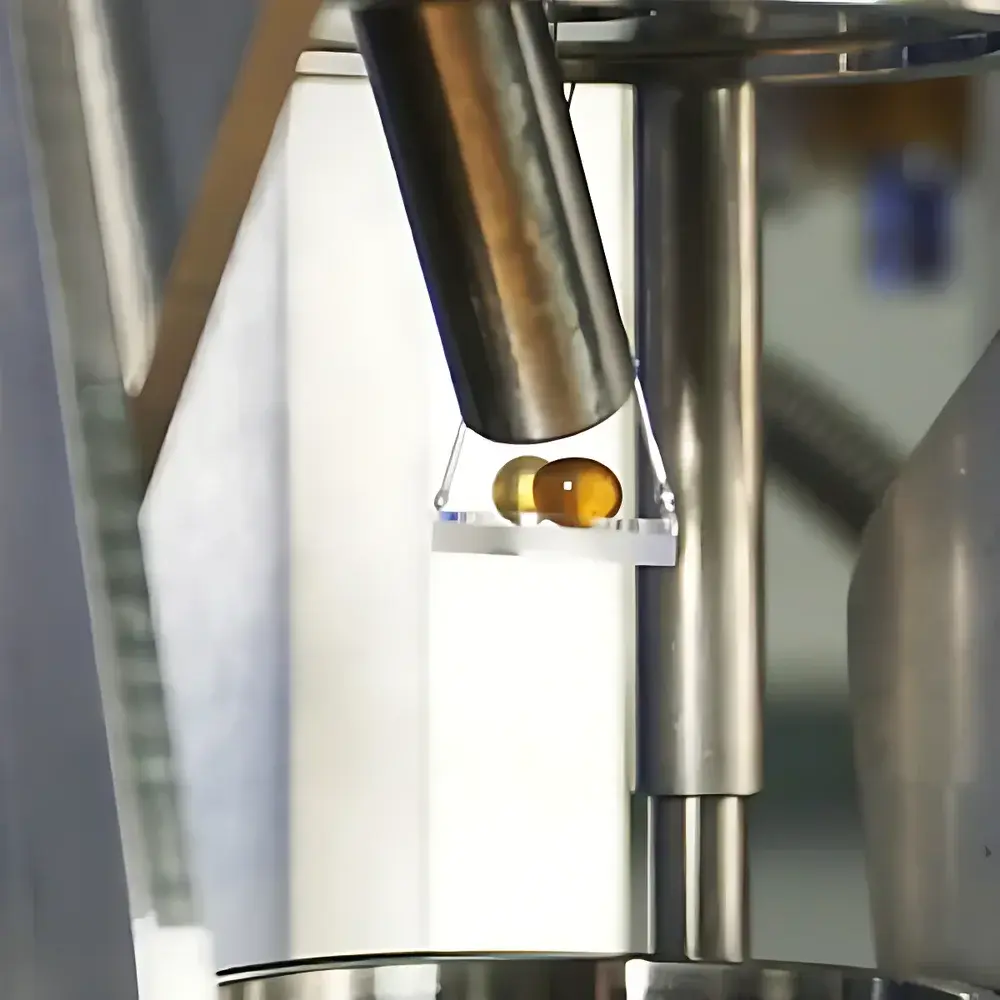
- Open-frame sample stage with stainless-steel sample holder—minimizing electrostatic interference and enabling rapid sample exchange without tooling.
- Integrated thermostatic chamber with Peltier-based heating/cooling and forced-air circulation, maintaining setpoint stability within ±0.05 °C over extended runs.
- Modular vapor delivery system supporting future upgrade to organic solvent vapor analysis (e.g., ethanol, acetone, toluene) with validated partial pressure control.
- Optional in situ characterization add-ons: FTIR transmission module (4000–400 cm⁻¹), Raman spectroscopy interface (785 nm excitation), and high-resolution video imaging (1080p, frame-synchronized with mass data).
- DVS Insight software platform featuring automated method sequencing, kinetic model fitting (Fickian, Weibull, Dual-Stage diffusion), and export-ready reporting compliant with internal SOPs and external regulatory expectations.
Sample Compatibility & Compliance
The DVS Adventure accommodates diverse solid-state samples—including powders, films, fibers, tablets, and porous ceramics—with mass loading from 1 mg to 5000 mg. Its inert stainless-steel sample pan and low-outgassing chamber environment prevent catalytic or oxidative artifacts during long-duration experiments (e.g., 72-hr isotherm mapping). The system meets fundamental requirements for pharmaceutical development per ICH Q5C (stability testing), USP <1217> (moisture sorption), and FDA guidance on excipient characterization. Full audit trail logging, electronic signature capability (when 21 CFR Part 11 module is enabled), and IQ/OQ documentation templates facilitate qualification in regulated environments. All humidity and temperature calibrations are traceable to NPL (UK National Physical Laboratory) standards.
Software & Data Management
DVS Insight v5.x serves as the unified control, acquisition, and analysis engine. It provides experiment scheduling with conditional logic (e.g., “hold at 40 %RH until mass change rate <0.1 µg/min”), real-time derivative plots (dm/dt vs. time), and multi-parameter overlay (e.g., comparing diffusion coefficients across three temperature points). Data files are stored in HDF5 format—self-describing, metadata-rich, and compatible with Python-based analytical pipelines (e.g., SciPy, Pandas). Batch processing tools enable normalization, baseline correction, and hysteresis loop quantification. Export options include CSV, Excel, and PDF reports with embedded graphs, statistical summaries, and raw time-series datasets—fully aligned with laboratory information management systems (LIMS) integration requirements.
Applications
- Quantifying moisture-induced crystallization or amorphous content loss in lyophilized biologics and small-molecule APIs.
- Mapping diffusion coefficients and activation energies for water ingress into polymer-coated electronics substrates.
- Evaluating desiccant performance and shelf-life prediction under accelerated humidity cycling (e.g., 40 °C/75 %RH → 25 °C/60 %RH).
- Correlating DVS-derived hydration states with XRD peak shifts or DSC thermograms to identify polymorphic transitions.
- Validating coating integrity in controlled-release dosage forms via moisture permeation lag time analysis.
- Characterizing hydrophilicity gradients in functionalized membranes used in fuel cells or water filtration.
FAQ
What is the minimum detectable mass change under typical operating conditions?
At 25 °C and 50 %RH, with a 10 mg sample, the system achieves a signal-to-noise ratio >100:1 for mass changes ≥0.05 µg over 60-second averaging windows.
Can the DVS Adventure perform true isothermal desorption measurements after saturation?
Yes—using programmable step-down RH profiles with dwell times up to 168 hours per step, enabling full adsorption/desorption hysteresis loop construction.
Is calibration traceable to national standards?
Yes—humidity calibration uses NIST-traceable chilled-mirror hygrometers; temperature calibration follows ISO/IEC 17025-accredited procedures via PT100 sensors calibrated against reference thermistors.
Does the system support automated sample drying prior to analysis?
Yes—integrated sample oven functionality allows pre-conditioning at up to 200 °C under dry nitrogen purge, with programmable ramp rates and hold times.
How is data integrity maintained during long-term unattended operation?
Continuous checksum verification of acquired data blocks, redundant storage on internal SSD and network-attached storage (NAS), and automatic recovery upon power interruption ensure zero data loss across multi-day experiments.



