Eachwave THz-TDS Toolkit for Custom Terahertz Time-Domain Spectroscopy System Assembly
| Brand | Eachwave |
|---|---|
| Origin | Shanghai, China |
| Manufacturer Type | Authorized Distributor |
| Product Category | Domestic |
| Model | THz-TDS |
| Response Time | ≤12 hours |
| Instrument Type | Laboratory Research Equipment |
| Commissioning Experience | 3–5 years |
| Service Scope | End-to-end THz-TDS system integration, optical alignment, hardware commissioning, and control software deployment |
| Geographic Coverage | Shanghai and nationwide (remote support + on-site installation available) |
Overview
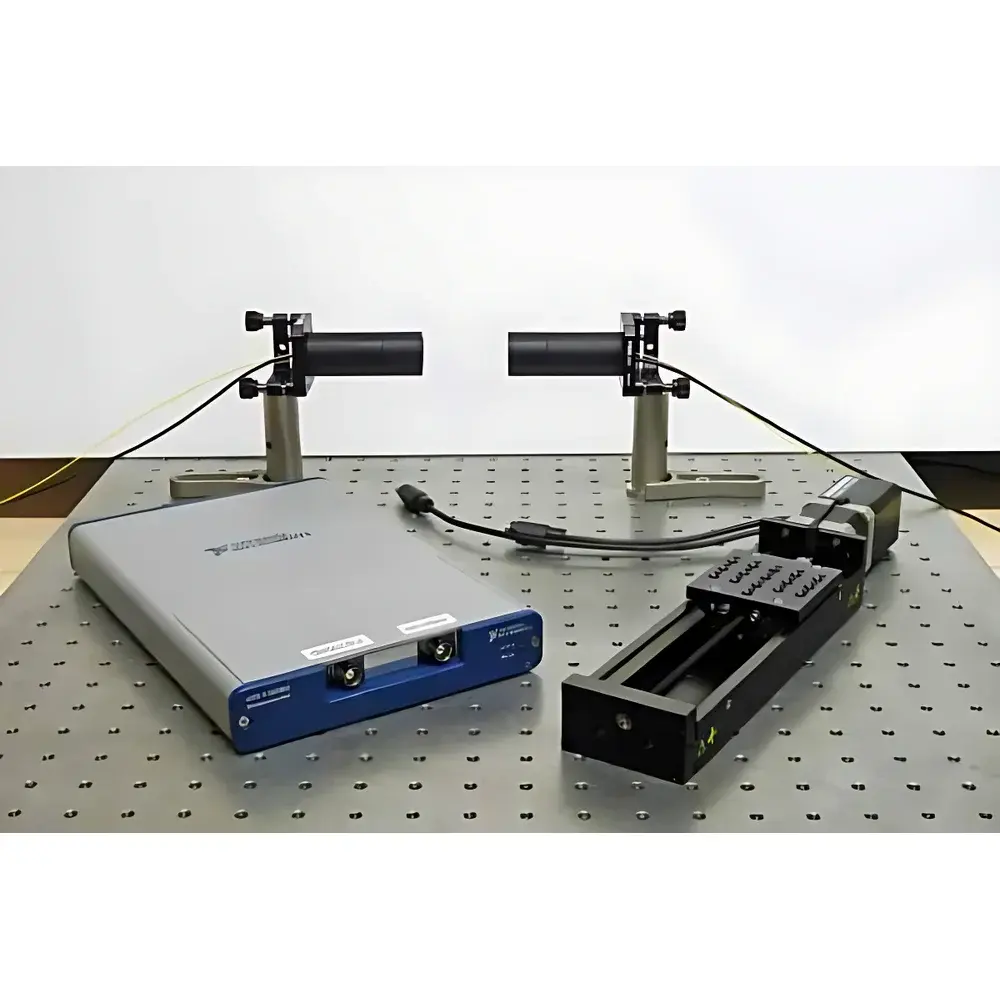
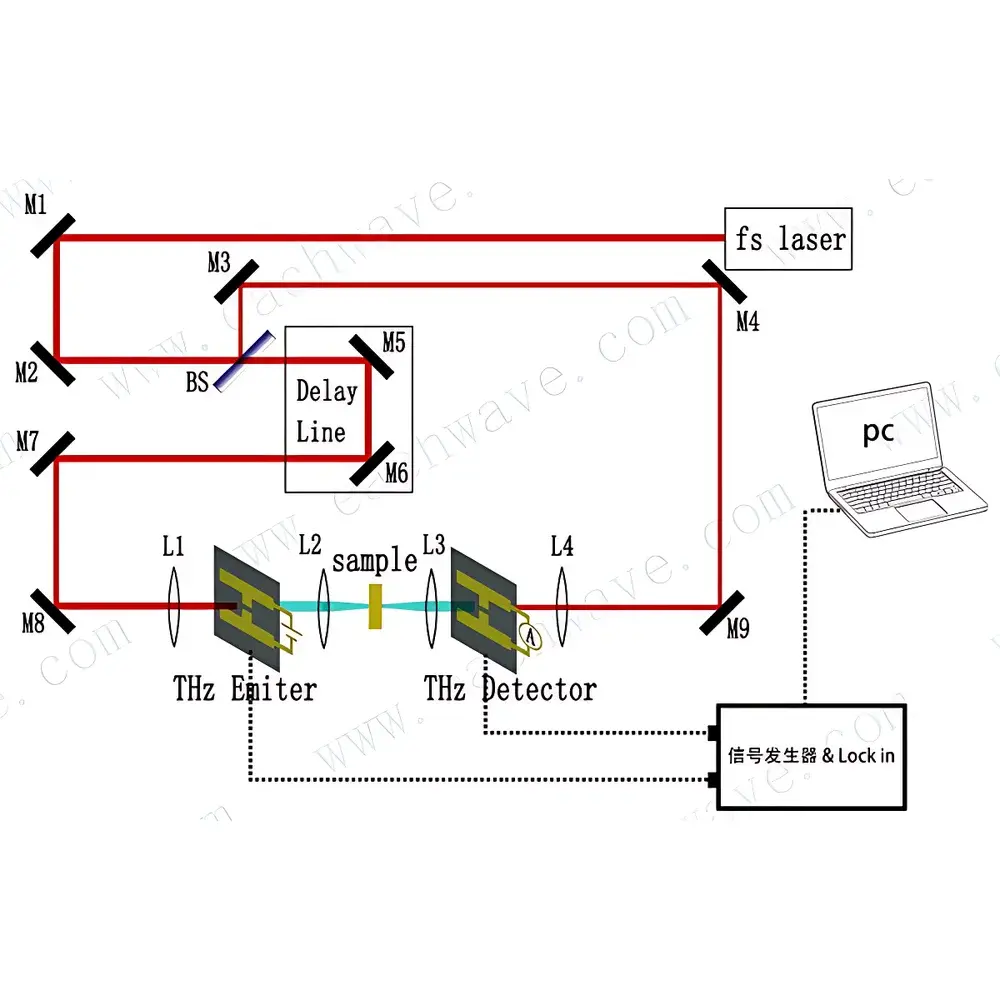
The Eachwave THz-TDS Toolkit is a comprehensive hardware-and-software solution designed to enable research laboratories to assemble high-fidelity terahertz time-domain spectroscopy (THz-TDS) systems in-house. Unlike turnkey instruments, this toolkit supports two primary THz generation and detection architectures: photoconductive antenna (PCA)-based systems and optical rectification/electro-optic sampling (OR/EOS) systems using ZnTe crystals. The core measurement principle relies on ultrafast laser pulse gating: a femtosecond laser pulse is split into pump and probe beams; the pump excites a THz emitter (e.g., LT-GaAs PCA or ZnTe crystal), generating broadband THz pulses (0.1–4 THz typical); the time-delayed probe beam co-propagates with the THz field through an electro-optic sensor or PCA detector, enabling coherent, phase-resolved time-domain waveform acquisition. This architecture delivers direct access to both amplitude and phase of the THz electric field—enabling quantitative extraction of complex optical constants (refractive index *n*(ω), absorption coefficient α(ω)) without Kramers–Kronig transformation.
Key Features
- Modular, component-level architecture supporting both PCA-based and ZnTe-based THz-TDS configurations
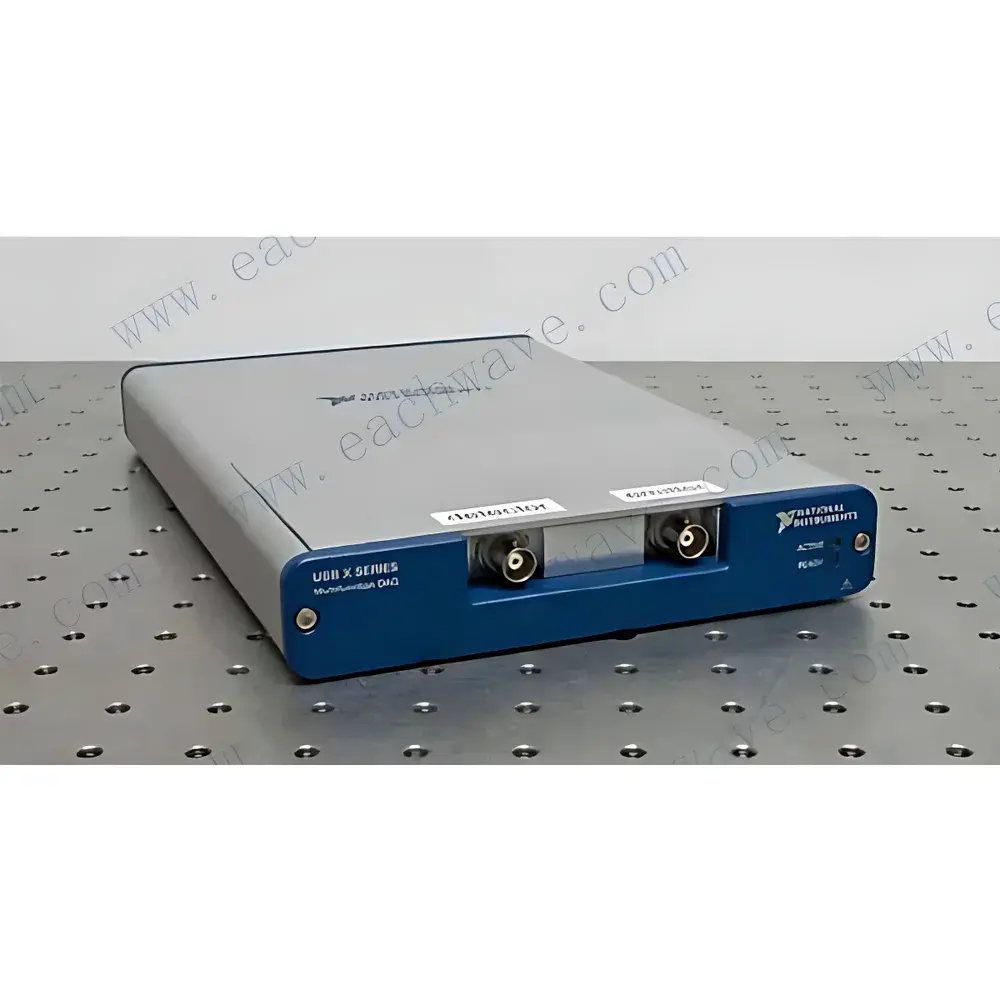
- Pre-integrated electronics suite: bias voltage generator for PCAs, lock-in amplifier with dual BNC inputs (emitter bias / detector signal), and low-noise signal conditioning circuitry
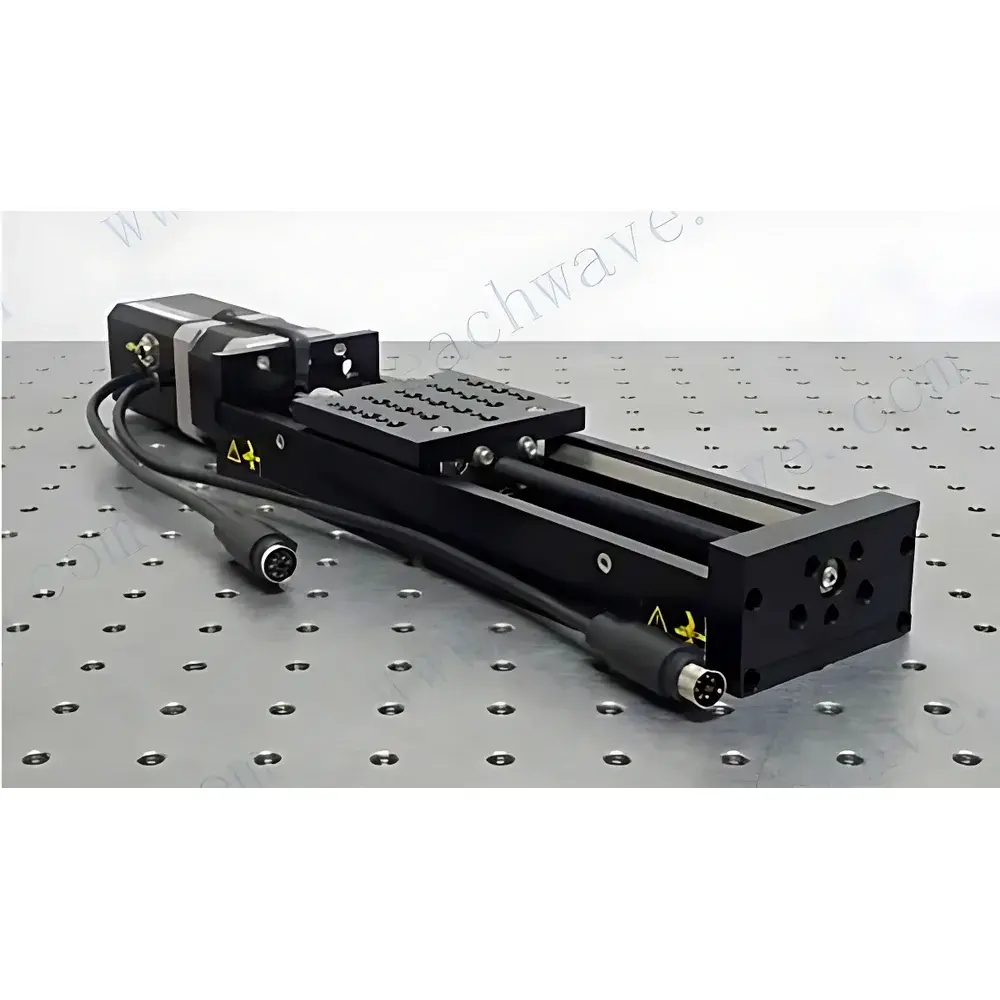
- High-precision Zaber linear translation stage (±0.1 µm repeatability) for optical delay line implementation
- Optimized THz optics: TPX collimating lenses, HDPE/TFE windows, off-axis parabolic mirrors (OAPs), and polarization-sensitive components (wire-grid polarizers, λ/4 plates)
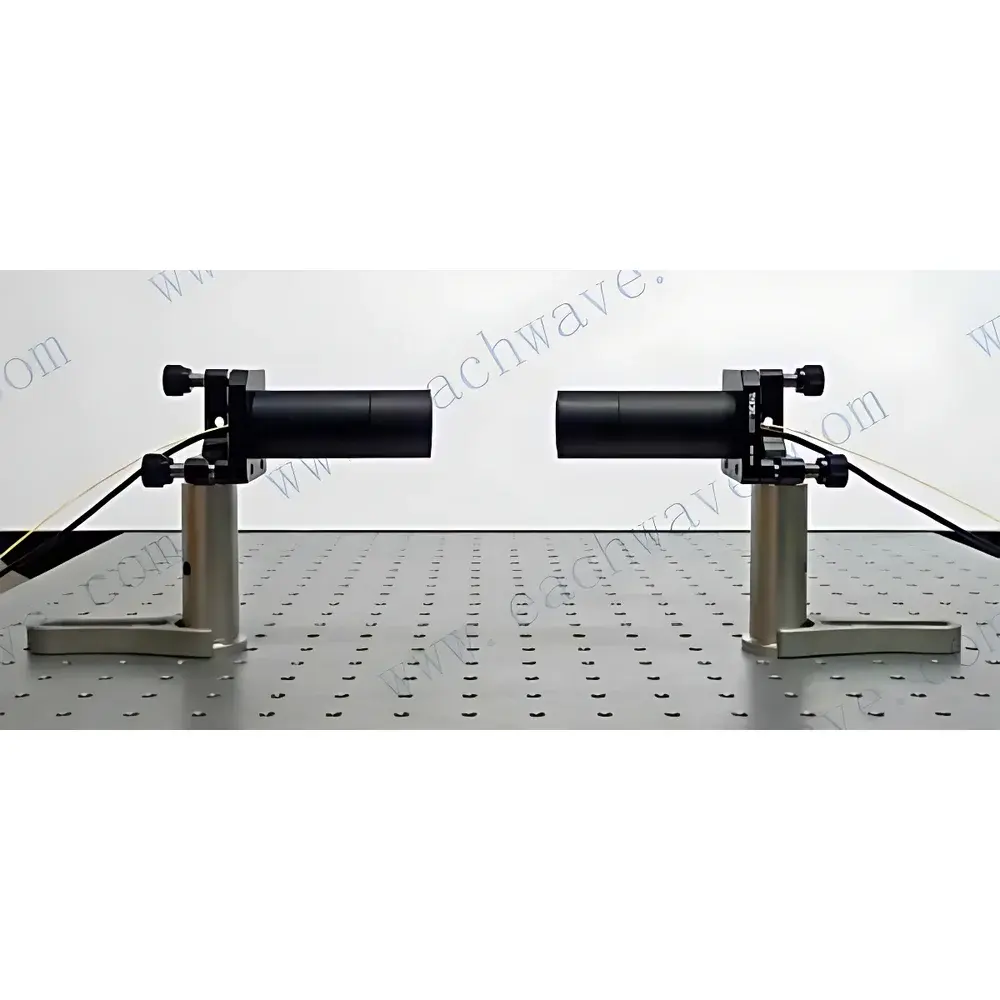
- Fiber-coupled PCA sets compatible with 780 nm, 1060 nm, and 1550 nm femtosecond sources—validated for use with standard Ti:sapphire, Yb-fiber, and Er-fiber oscillators
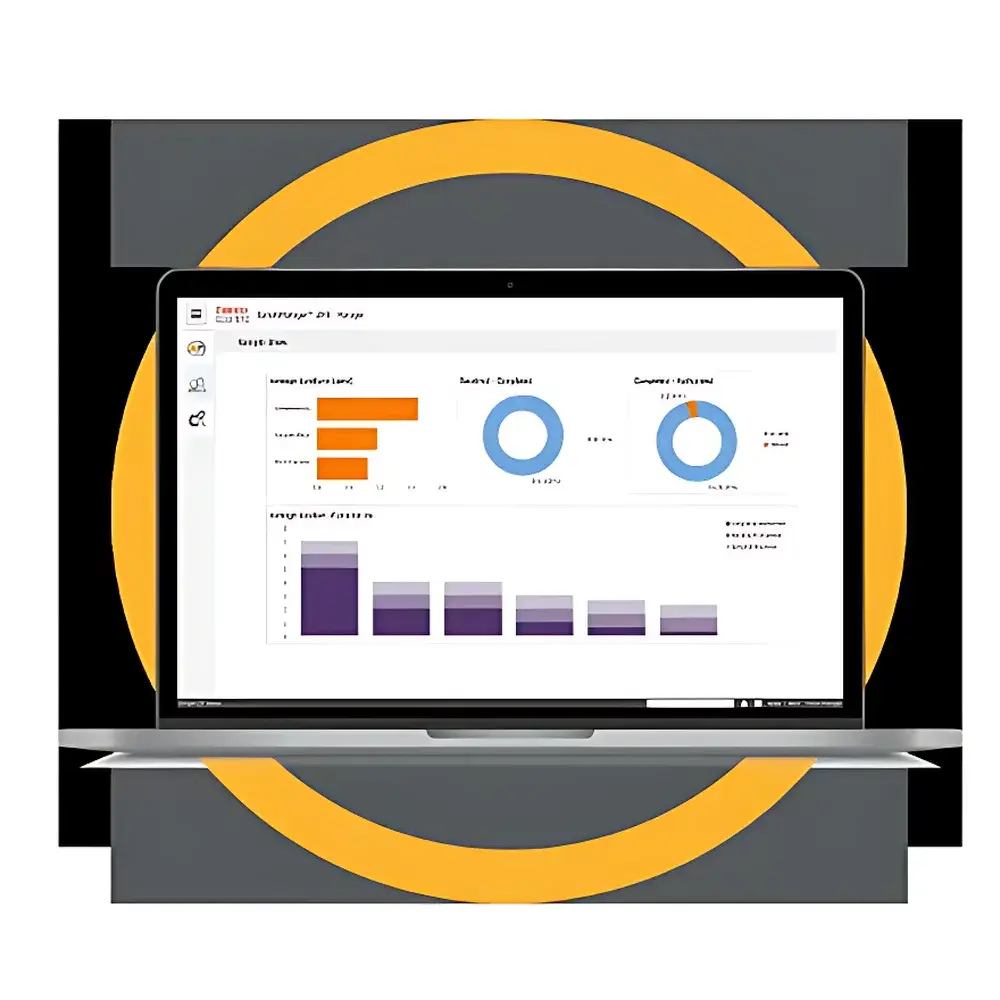
- Full software stack: T3DS control interface supporting real-time waveform acquisition, fast/slow scanning modes, raster imaging, angular-dependent measurements, and automated material parameter calculation (n, α, conductivity)
Sample Compatibility & Compliance
The toolkit supports transmission-mode characterization of solid-state, liquid, and thin-film samples (thickness range: 10 µm – 5 mm). Sample chambers accommodate standard 25.4 mm diameter mounts and integrate vacuum-compatible flanges (optional). All electronic modules comply with IEC 61000-6-3 (EMC emission limits) and IEC 61010-1 (safety requirements for laboratory equipment). Software logging meets GLP audit-trail requirements: timestamped parameter records, user authentication, and immutable raw data storage (.tdms format). While not FDA-cleared, the system’s traceable calibration procedures align with ISO/IEC 17025 principles for measurement uncertainty estimation. Documentation includes full bill-of-materials, optical alignment SOPs, and laser safety interlock schematics compliant with ANSI Z136.1 Class 4 laser system protocols.
Software & Data Management
T3DS is a native Windows application built on LabVIEW Real-Time architecture. It provides synchronized control of the Zaber stage, lock-in amplifier, chopper frequency (for ZnTe EOS mode), and laser repetition rate modulation. Acquired time-domain waveforms are stored in hierarchical TDMS files containing metadata (laser power, delay step size, averaging count, ambient temperature). Built-in analysis modules compute Fourier-transformed spectra, extract complex permittivity via reference-subtraction algorithms, and generate publication-ready plots (MATLAB and Python APIs included). Data export supports CSV, HDF5, and SDF formats. Audit logs record all user actions—including parameter changes, calibration events, and file exports—with SHA-256 hash integrity verification. Remote monitoring via TCP/IP is supported for centralized lab management.
Applications
- Non-destructive testing of polymer composites, pharmaceutical tablets, and semiconductor wafers
- Carrier dynamics studies in 2D materials (graphene, TMDCs) and perovskite photovoltaics
- Hydration state analysis in biomolecules (proteins, DNA) and hydrated gels
- Security screening of concealed explosives and illicit substances via spectral fingerprinting
- Time-resolved carrier transport in ultrafast optoelectronic devices (e.g., photoconductive switches, plasmonic metasurfaces)
- Development and validation of THz metamaterial absorbers and modulators
FAQ
What laser specifications are required to operate the PCA-based THz-TDS configuration?
A femtosecond laser with ≤100 fs pulse width, 50–100 MHz repetition rate, and ≥30 mW average power (free-space antennas) or ≥50 mW (fiber-coupled antennas) is required. Wavelength compatibility covers 780 nm, 1060 nm, and 1550 nm platforms.
Does the toolkit include alignment verification tools?
Yes—resistance-based alignment aids for PCAs (using multimeter feedback during LT-GaAs illumination) and polarization nulling procedures for ZnTe EOS setups are documented in the commissioning manual. Optional IR viewer cards and THz beam profilers are available as add-ons.
Can the system be upgraded to support reflection geometry or near-field mapping?
Absolutely. The mechanical design accommodates retro-reflection optics and optional near-field probes (e.g., s-SNOM tips). Custom OAP mounts and XYZ nanopositioners integrate seamlessly with the existing stage controller.
Is remote commissioning supported?
Yes—via secure TeamViewer session with pre-installed diagnostic firmware. On-site support is available in Shanghai; travel to other Tier-1 Chinese cities can be arranged within 72 hours upon request.
What documentation is provided with the toolkit?
Comprehensive English-language documentation includes: (1) Hardware integration manual, (2) Optical alignment SOPs with annotated diagrams, (3) T3DS user guide with API reference, (4) Calibration certificate for stage position accuracy and lock-in gain linearity, and (5) Safety compliance summary per IEC/ANSI standards.
Related Products