
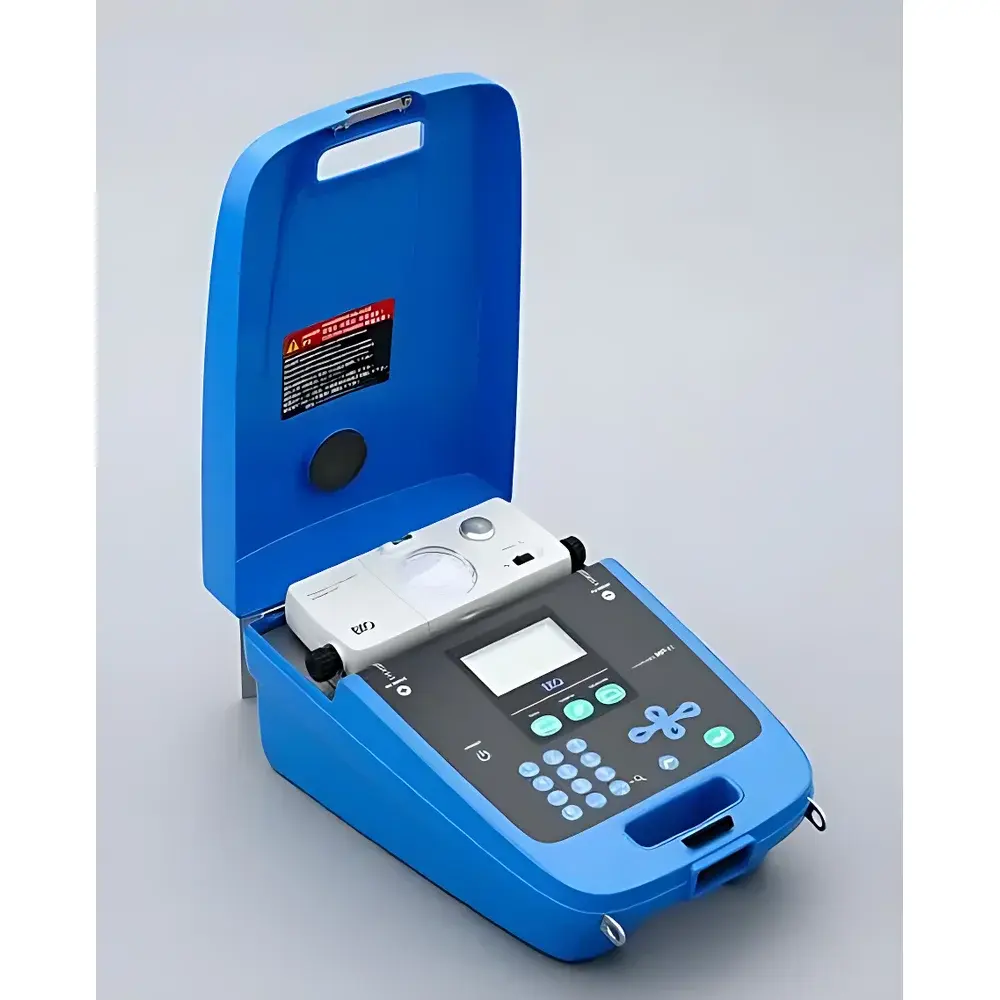
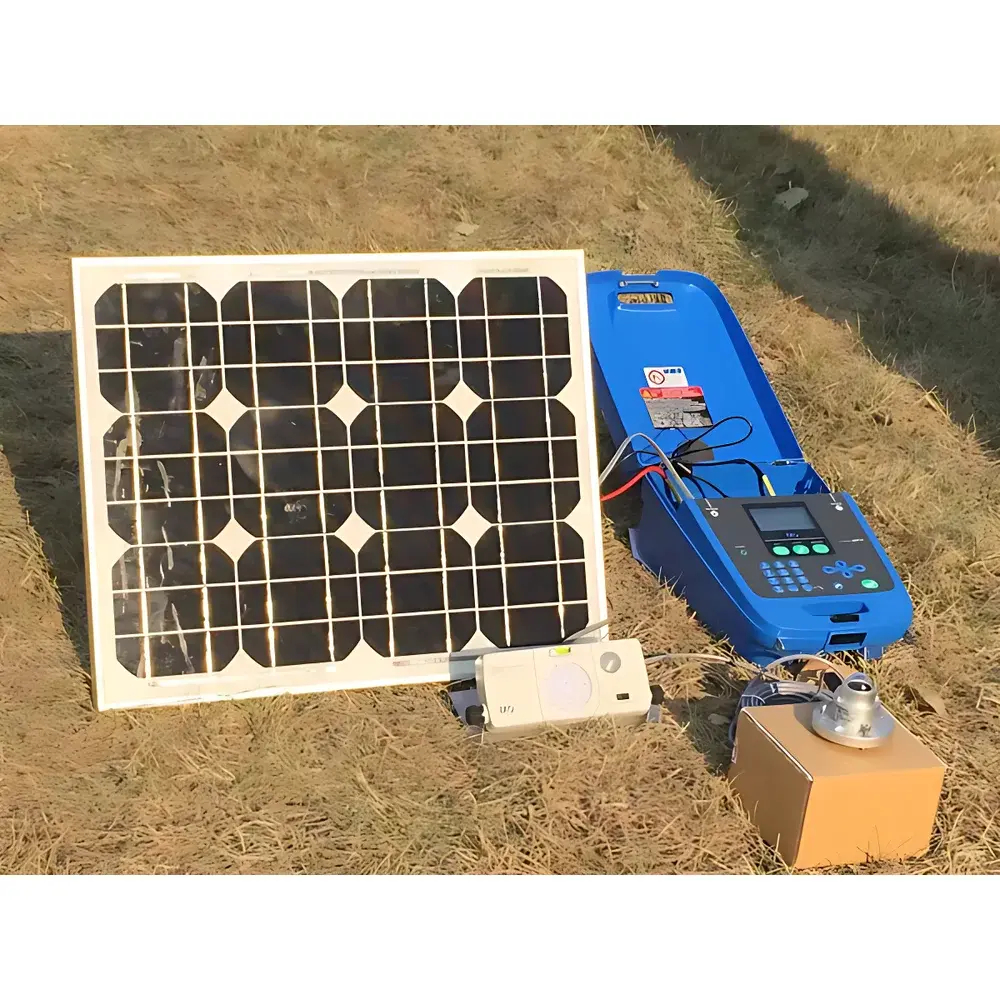
EKO MP-11 Portable I-V Curve Tester
| Brand | EKO |
|---|---|
| Origin | Japan |
| Manufacturer Type | Authorized Distributor |
| Origin Category | Imported |
| Model | MP-11 |
| Price Range | USD 4,200 – 7,000 (FOB) |
| Automation Level | Semi-Automatic |
| Effective Test Points per I-V Curve | 400 |
| Voltage Measurement Accuracy | ±1% FS |
| Current Measurement Accuracy | ±1% FS |
| Max Voltage Range | 10–1000 V |
| Max Current Range | 0.1–30 A |
| Power Range | 10 W–18 kW |
| Scan Time | 4–60 ms |
| Internal Storage Capacity | 300 I-V curves |
| Display | 128×64 LED monochrome LCD (no backlight) |
| Host Dimensions | 230 × 320 × 180 mm |
| Host Weight | 2.5 kg |
| Sensor Unit Dimensions | 210 × 85 × 55 mm |
| Sensor Unit Weight | 0.5 kg |
| Battery | 8× Ni-MH rechargeable cells (host), 1× 006P (sensor) |
| Compliance | IEC 61215, IEC 61646, IEC 62446-1, ASTM E1036, UL 1703 |
Overview
The EKO MP-11 Portable I-V Curve Tester is an integrated, field-deployable instrument engineered for high-fidelity current–voltage (I-V) characterization of photovoltaic (PV) modules and arrays under real-world operating conditions. It operates on the principle of controlled electronic load sweeping—applying a dynamic resistive load across the PV device while synchronously sampling voltage and current at up to 400 discrete points per curve—with measurement traceability aligned to international PV performance standards. Unlike benchtop lab systems, the MP-11 embeds calibrated irradiance and temperature sensing directly into its measurement architecture, enabling simultaneous acquisition of electrical output (Isc, Voc, Pmax, FF, Rsh, Rs), environmental parameters (irradiance in W/m², module backsheet temperature, ambient temperature), and standardized STC (Standard Test Conditions: 1000 W/m², 25 °C cell temperature, AM1.5G spectrum) conversion. Its semi-automatic operation—requiring minimal user input beyond connection and trigger—reduces procedural variability and supports repeatable, auditable field data collection compliant with commissioning, O&M, and performance validation workflows.
Key Features
- Integrated sensor suite: Built-in pyranometer (MS-602 compatible), module temperature thermocouple, and ambient temperature probe—all time-synchronized with I-V acquisition
- High-dynamic-range measurement: 10 V–1000 V voltage range and 100 mA–30 A current range support Class I–III PV modules, strings, and small-scale arrays
- Sub-60 ms full-curve sweep: Fast scanning minimizes transient error from irradiance drift during measurement
- On-device STC normalization engine: Real-time calculation of Isc_STC, Voc_STC, Pmax_STC, and FF_STC using measured irradiance and temperature inputs
- Rugged portable design: IP54-rated housing, shock-absorbing casing, and low-power Ni-MH battery system (8 cells, ~4 h runtime) enable extended off-grid use
- Comprehensive electrical protection: Overvoltage, overcurrent, thermal shutdown, and reverse-polarity safeguards ensure safe operation across variable site conditions
- Embedded non-volatile memory: Stores up to 300 complete I-V datasets with metadata (timestamp, GPS optional via USB host interface, irradiance, temperatures)
Sample Compatibility & Compliance
The MP-11 is validated for use with crystalline silicon (mono- and multi-Si), thin-film (CIS, CIGS, CdTe), and emerging PV technologies exhibiting open-circuit voltages ≤1000 V and short-circuit currents ≤30 A. It conforms to key international test standards including IEC 61215-1 (terrestrial PV module qualification), IEC 61646 (thin-film module testing), IEC 62446-1 (PV system documentation and commissioning), ASTM E1036 (electrical performance testing of PV modules), and UL 1703 (flat-plate PV modules and panels). Its measurement uncertainty budget—±1% FS for both voltage and current—is verified per ISO/IEC 17025-accredited calibration protocols and supports GLP/GMP-aligned data integrity when paired with audit-trail-enabled software.
Software & Data Management
Data export is performed via USB 2.0 interface to Windows-based EKO PV Analysis Suite (included on CD-ROM), which provides post-processing functions including curve smoothing, derivative analysis (dI/dV, dP/dV), mismatch loss estimation, series/shunt resistance extraction, and comparative degradation trending across multiple measurement sessions. The software generates PDF reports compliant with IEC 62446-1 Annex A requirements, embedding raw I-V data, metadata, and pass/fail flags against contractual Pmax tolerances. All datasets include embedded timestamps and can be synchronized with external GPS loggers or SCADA timestamps for traceability in large-scale asset management platforms. No cloud dependency or subscription model—the system operates fully offline, satisfying data sovereignty and cybersecurity requirements common in utility-scale deployments.
Applications
- Pre-commissioning verification of new PV plants per IEC 62446-1 Clause 6.3
- Routine O&M diagnostics—including hot-spot detection, bypass diode failure identification, and soiling loss quantification
- Performance ratio (PR) monitoring across seasonal cycles using longitudinal I-V baselines
- Root-cause analysis of underperformance following visual inspection or thermal imaging
- Research-grade characterization of novel PV materials in outdoor test beds
- Third-party technical due diligence for project financing and insurance underwriting
FAQ
What irradiance reference standard does the MP-11 use for STC conversion?
The device accepts input from either an EKO MS-602 pyranometer (calibrated to ISO 9060:2018 Class C) or a traceable reference cell; STC normalization follows IEC 60904-3 procedures.
Can the MP-11 measure bifacial modules under rear-side irradiance?
No—it does not include rear-side irradiance sensing or bifacial gain correction algorithms; it treats the module as a single-junction device.
Is firmware upgrade supported in the field?
Yes—via USB and EKO’s signed firmware update package; version history and checksum verification are logged internally.
Does the system meet FDA 21 CFR Part 11 requirements?
While not a regulated medical device, its audit-trail-capable software supports electronic signatures and immutable record retention—commonly adopted by PV QA/QC labs operating under Part 11-aligned quality systems.
What is the minimum recommended irradiance level for valid I-V measurement?
≥200 W/m² is required to ensure signal-to-noise ratio and thermal stabilization; measurements below this threshold are flagged as “low-irradiance” in exported metadata.





