
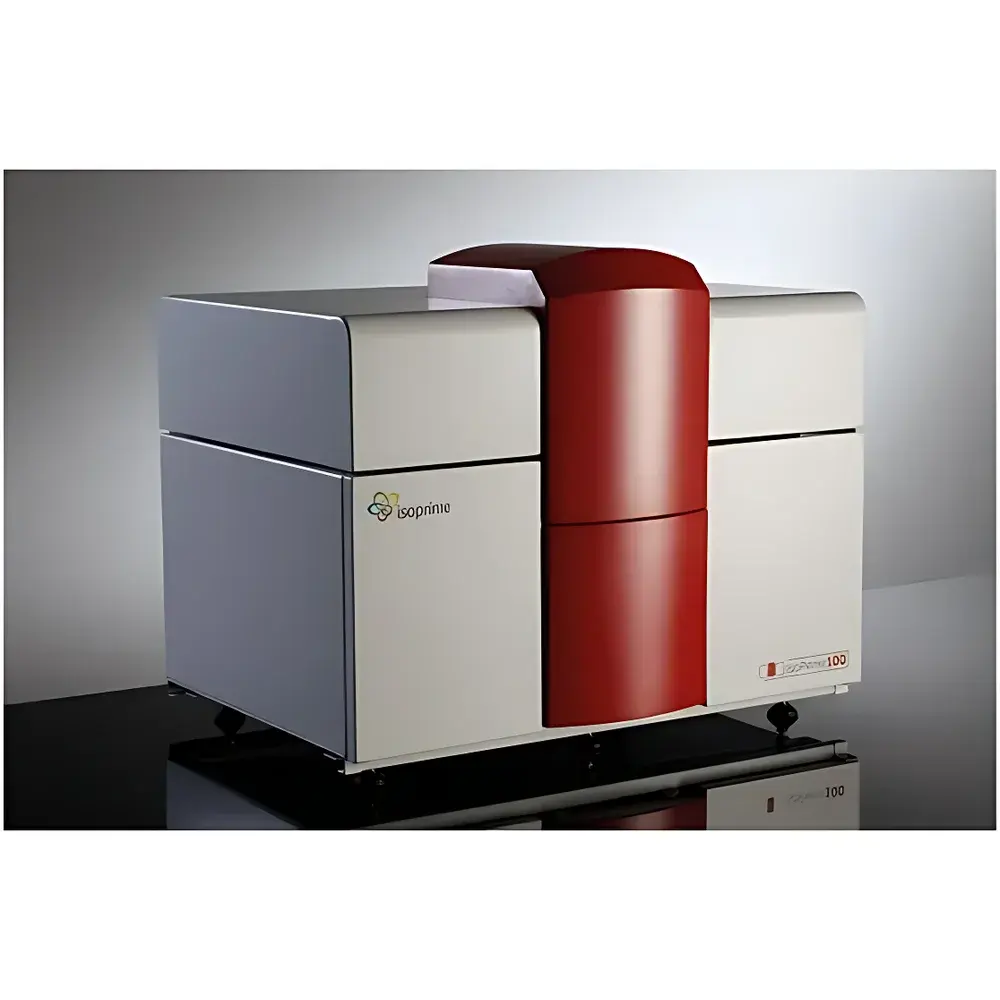
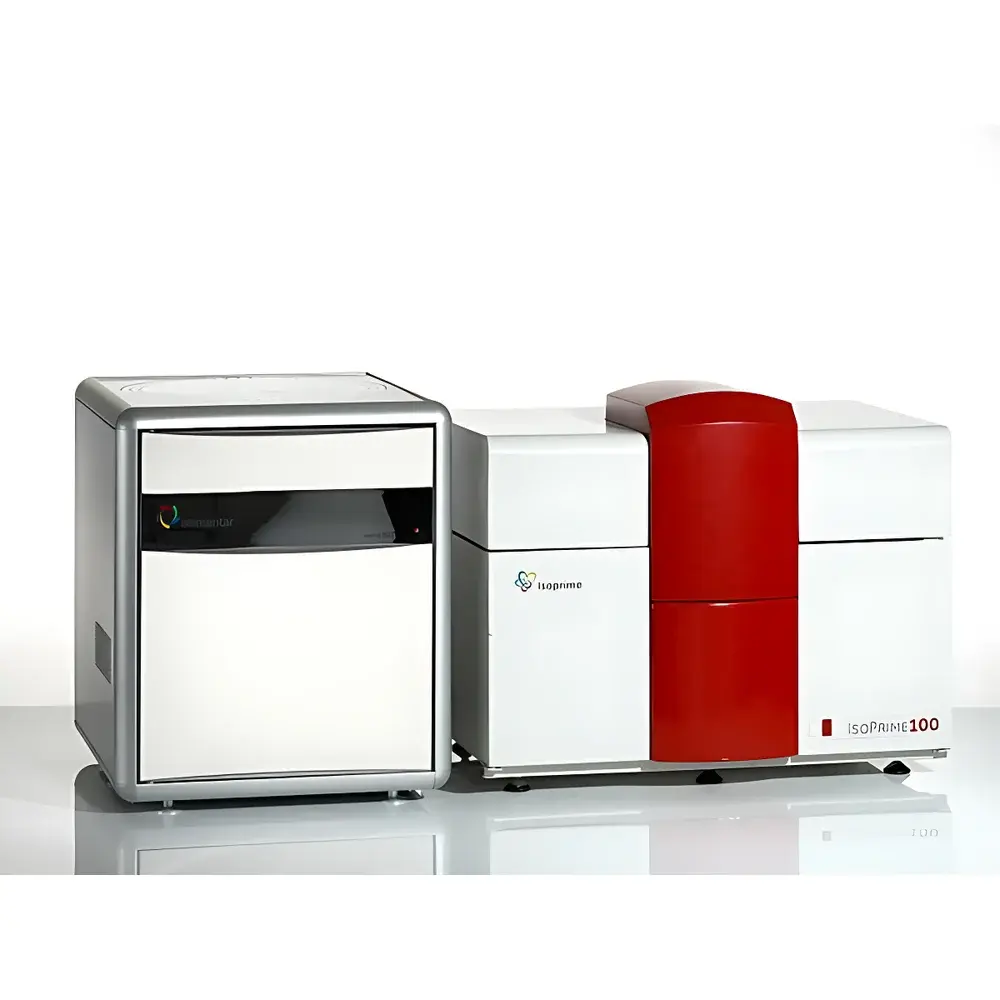
Elementar isoprime 100 Stable Isotope Ratio Mass Spectrometer
| Brand | Elementar |
|---|---|
| Origin | Germany |
| Manufacturer Type | Authorized Distributor |
| Origin Category | Imported |
| Model | isoprime 100 |
| Instrument Type | Continuous-Flow Stable Isotope Ratio Mass Spectrometer |
| Measurement Precision | ±0.06‰ (1σ) |
| Elemental Coverage | C, H, N, O, S |
| Mass Range | 1–100 Da |
Overview
The Elementar isoprime 100 is a high-performance continuous-flow stable isotope ratio mass spectrometer (IRMS) engineered for precision, long-term stability, and operational robustness in demanding research and routine analytical environments. Based on the legacy of VG Isotopes and refined over more than three decades of dedicated IRMS development, the isoprime 100 implements core principles of magnetic sector mass spectrometry coupled with optimized ion optics, ultra-stable Faraday cup detection, and advanced vacuum architecture. It measures isotopic ratios of light elements (¹²C/¹³C, ¹⁴N/¹⁵N, ¹⁶O/¹⁸O, ¹H/²H, ³²S/³⁴S) in gaseous analytes—CO₂, N₂, CO, SO₂, H₂, CH₄, and NO—generated from solid, liquid, or gaseous samples via integrated elemental analyzers, gas chromatographs, or offline preparation systems. Designed for laboratories requiring trace-level isotopic fidelity and regulatory compliance, the system supports applications aligned with ASTM D7899 (carbon isotope analysis in fuels), ISO 14883 (environmental isotope measurements), USP (method validation), and GLP/GMP audit trails where data integrity and instrument provenance are critical.
Key Features
- Ultra-low H₃⁺ correction coefficient (<8 ppm/nA), enabling high-accuracy δ²H measurements in water and organic matrices with precision better than ±0.5‰ (1σ)
- Universal Triple Collector (UTC) with patented high-durability Faraday cups—proven operational lifetime exceeding 10 years without gain drift or replacement
- 100 V dynamic range amplifier for simultaneous high-abundance and low-abundance isotope detection—essential for samples with extreme elemental ratios (e.g., C:N up to 5000:1)
- Bottom-mounted turbomolecular pump + in-source magnet + thoriated filament with oxide protection—ensuring minimal cross-contamination, sub-pA baseline stability, and >5-year ion source service intervals
- Expandable multi-collector configuration (up to 10 detectors) for clumped isotope (e.g., Δ₄₇, Δ₄₈) and multi-element dual-isotope analysis
- Real-time vacuum monitoring via Pirani and Penning gauges with automated diagnostic routines and interlock-based safety shutdown
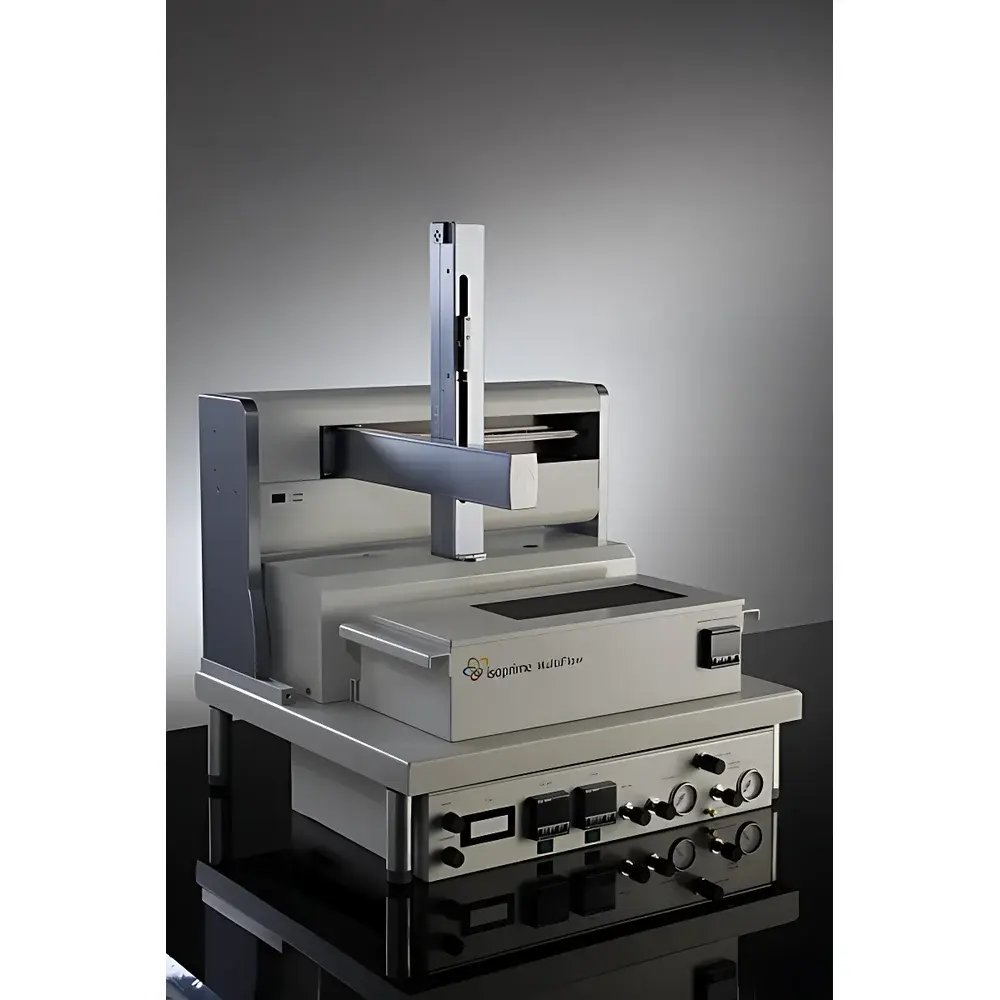
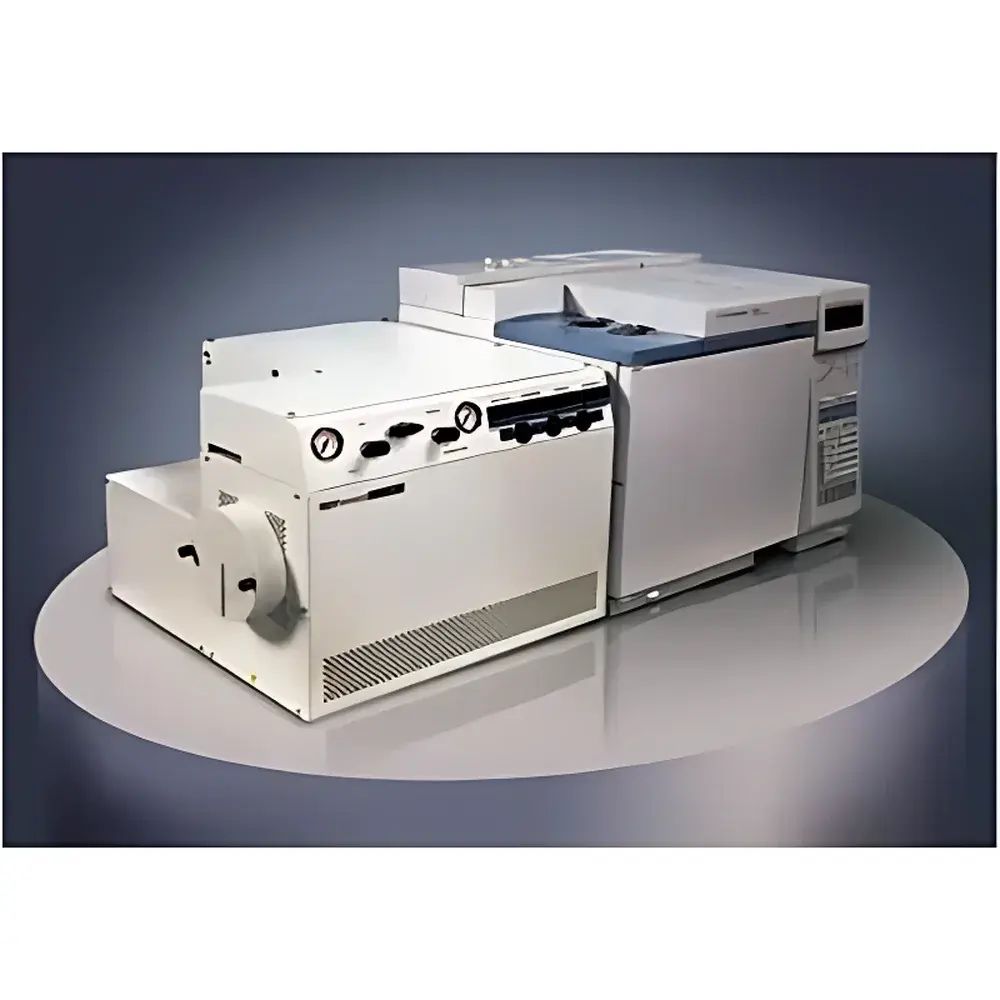
- IonVantage™ software platform supporting method-driven workflows, project-based data organization, script automation (Python API), and full third-party peripheral integration (e.g., Agilent GC, IsoLink, MultiFlow)
Sample Compatibility & Compliance
The isoprime 100 operates exclusively in continuous-flow mode and requires sample conversion to pure, dry, single-component gases prior to introduction. It interfaces seamlessly with Elementar vario ISOTOPE cube (for bulk CHNOS analysis), GC-V combustion interface (for compound-specific δ¹³C/δ¹⁵N), MultiFlow (for carbonate, water, DIC, and air analysis), and TraceGas (for ppt-level atmospheric trace gases). All inlet systems adhere to ISO/IEC 17025 calibration traceability requirements. The system supports 21 CFR Part 11-compliant electronic records when deployed with validated IonVantage configurations—including user access controls, audit trail logging, and electronic signature enforcement. Routine performance verification follows IUPAC-recommended reference materials (USGS40, IAEA-CH-7, NBS19, VSMOW) and meets reporting thresholds defined in EPA Method 429 and EN ISO 13877 for environmental forensics.
Software & Data Management
IonVantage serves as the unified control and evaluation environment for all isoprime 100 operations. It provides real-time peak centering, automatic baseline subtraction, dynamic integration windows, and internal standard normalization (e.g., CO₂ peak shape correction during GC-IRMS). Raw data files (.raw) are stored in vendor-neutral HDF5 format with embedded metadata (instrument parameters, calibration history, operator ID, timestamp). Batch processing supports ISO delta notation calculation per IUPAC guidelines, with uncertainty propagation according to GUM (JCGM 100:2008). Export options include CSV, Excel, and LIMS-compatible XML schemas. Software validation packages—including IQ/OQ/PQ documentation, change control logs, and requalification protocols—are available for regulated laboratories under FDA, EMA, or ANVISA oversight.
Applications
- Geochemistry: Carbonate clumped isotope thermometry (Δ₄₇), methane biogenic vs. thermogenic sourcing, sulfur isotope fractionation in ore deposits
- Environmental Science: Nitrate source apportionment (δ¹⁵N–δ¹⁸O), soil organic matter turnover (δ¹³C–δ¹⁵N), dissolved inorganic carbon cycling in oceans and aquifers
- Food Authenticity & Forensics: Geographic origin tracing (δ²H/δ¹⁸O in wine/water), adulteration detection (δ¹³C in honey, vanilla, olive oil), botanical provenance (δ¹⁵N in tea, coffee)
- Clinical & Metabolic Research: Urea hydrolysis kinetics (¹⁵N-urea breath tests), protein turnover studies (²H₂O labeling), lipid metabolism (¹³C-palmitate oxidation)
- Atmospheric Chemistry: Isotopic characterization of N₂O, CH₄, CO, and NOₓ from flask and in-situ sampling networks (e.g., NOAA GML, ICOS)
FAQ
What sample types can be analyzed directly on the isoprime 100?
The isoprime 100 does not accept raw solids or liquids directly. Samples must first be converted into purified, single-species gases (e.g., CO₂, N₂, SO₂, H₂) using compatible inlet systems such as vario ISOTOPE cube (solids), GC-V (organics), or MultiFlow (gases/waters).
Is the system compliant with 21 CFR Part 11?
Yes—when configured with IonVantage in validated mode, including role-based access control, electronic signatures, and immutable audit trails, the isoprime 100 meets FDA requirements for electronic records and signatures.
Can the isoprime 100 perform clumped isotope analysis?
Yes—via optional 10-collector array upgrade and dedicated Δ₄₇/Δ₄₈ acquisition modules within IonVantage, supporting high-resolution measurement of ¹³C–¹⁸O bonds in CO₂.
What maintenance intervals are recommended for the ion source?
Under normal operation (≤8 h/day, clean gas streams), the thoriated filament and source components require inspection every 12–18 months; typical service life exceeds 5 years without performance degradation.
Does Elementar provide application support for method development?
Yes—Elementar’s global Application Science team offers remote and on-site method optimization, reference material selection, uncertainty budgeting, and regulatory documentation support for ISO 17025, CLIA, and GLP environments.





