
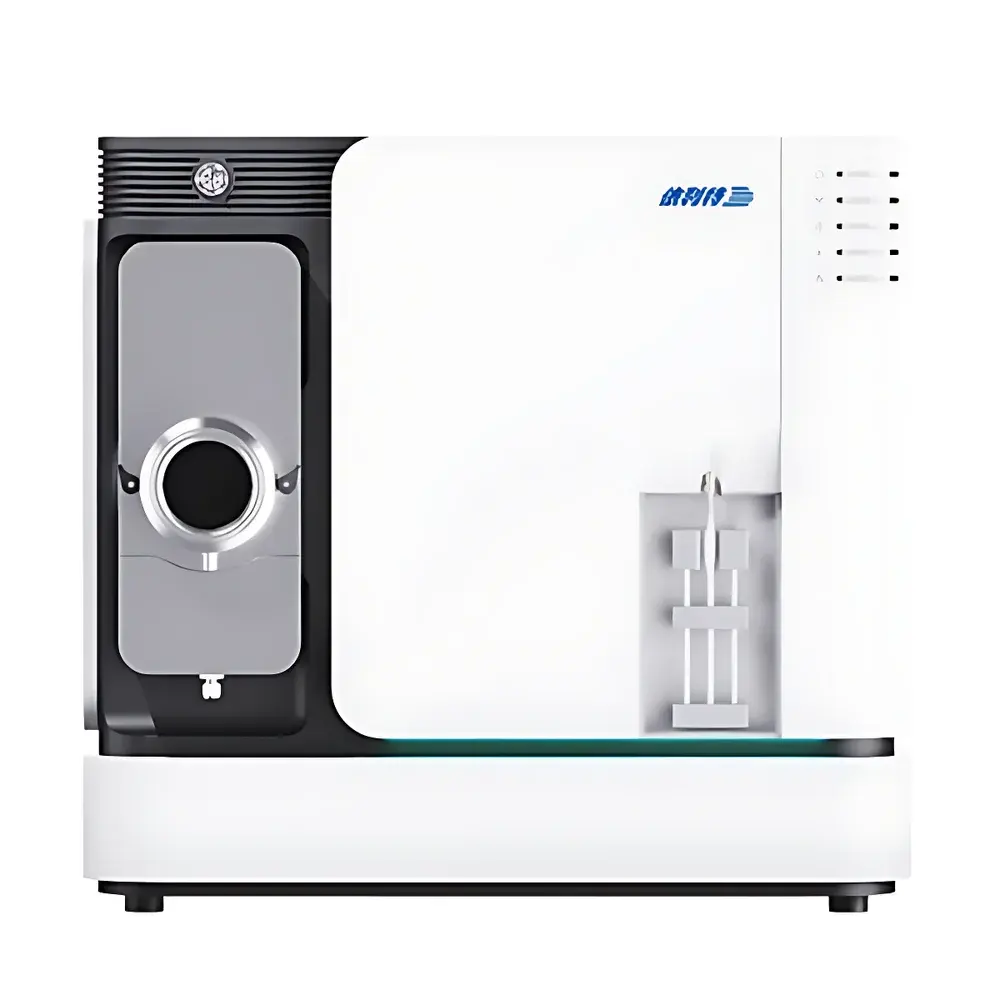
Elite MS²Vertical 9020 Liquid Chromatography Tandem Quadrupole Mass Spectrometer (LC-MS/MS)
| Brand | Elite |
|---|---|
| Origin | Jiangsu, China |
| Manufacturer Type | Direct Manufacturer |
| Origin Category | Domestic (China) |
| Model | MS²Vertical 9020 |
| Price Range | USD 140,000 – 255,000 |
| Instrument Type | Tandem Quadrupole (QqQ) |
| Application Scope | General-Purpose |
| Mass Range | m/z 5–3000 amu |
| Maximum LC System Pressure | 1300 bar |
Overview
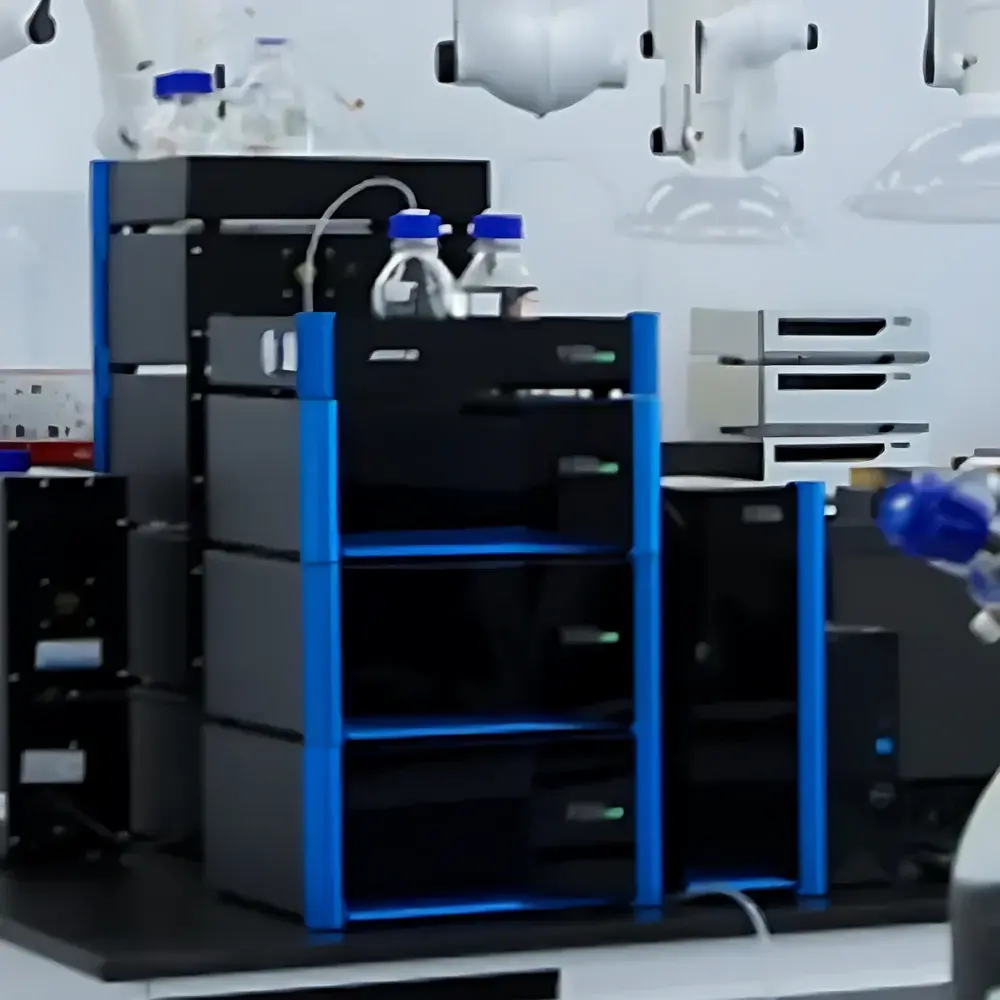
The Elite MS²Vertical 9020 is a domestically engineered liquid chromatography tandem quadrupole mass spectrometer (LC-MS/MS) designed for high-sensitivity, high-selectivity quantitative and qualitative analysis in regulated and research-intensive laboratory environments. It integrates a high-pressure liquid chromatography (HPLC/UHPLC) system—capable of operating up to 1300 bar—with a robust triple quadrupole (QqQ) mass analyzer that employs collision-induced dissociation (CID) in the RF-only q2 collision cell for precise precursor ion selection and product ion scanning. The instrument operates on electrospray ionization (ESI) and atmospheric pressure chemical ionization (APCI) sources, delivering stable, reproducible ion currents across a broad dynamic range. Its mass range of m/z 5–3000 amu supports analysis of small molecules, peptides, metabolites, and polar pharmaceuticals without requiring hardware reconfiguration. Engineered for precision and operational continuity, the MS²Vertical 9020 is built to meet the method transfer, validation, and routine operation requirements common in GLP-compliant QC labs and early-stage drug development workflows.
Key Features
- Triple quadrupole architecture with independently controlled Q1 and Q3 mass filters and a pressurized RF-only collision cell (q2) for optimized fragmentation efficiency and signal-to-noise ratio
- UHPLC-compatible binary high-pressure gradient system rated to 1300 bar, featuring dual-piston pump design, low dwell volume (< 100 µL), and < 0.1% RSD retention time precision
- Low-memory-effect ion source housing with heated ESI/APCI dual-mode capability, optimized gas flow dynamics, and rapid source cleaning protocols
- Column oven with ±0.1 °C temperature stability over 5–85 °C, supporting method robustness across thermal-sensitive separations
- Integrated sample manager with 100-position refrigerated autosampler (4–40 °C), < 0.5% carryover for trace-level quantitation
- Firmware and driver-level synchronization between LC and MS modules enabling true real-time scan control and scheduled MRM transitions
Sample Compatibility & Compliance
The MS²Vertical 9020 accommodates a wide range of sample matrices—including plasma, urine, tissue homogenates, food extracts, environmental water/sludge digests, and synthetic organic reaction mixtures—without modification to standard source or interface configurations. Its robust ion optics and vacuum architecture maintain stable performance under variable solvent load and matrix complexity. From a regulatory standpoint, the system supports audit-trail-enabled data acquisition and processing per FDA 21 CFR Part 11 requirements when deployed with compliant software configurations. Method documentation, calibration records, and instrument qualification reports align with ICH Q2(R2), USP , and ISO/IEC 17025 frameworks. Routine performance verification follows ASTM D7867-22 (for pesticide residue analysis) and CLSI EP26-A (for clinical mass spectrometry verification) guidelines.
Software & Data Management
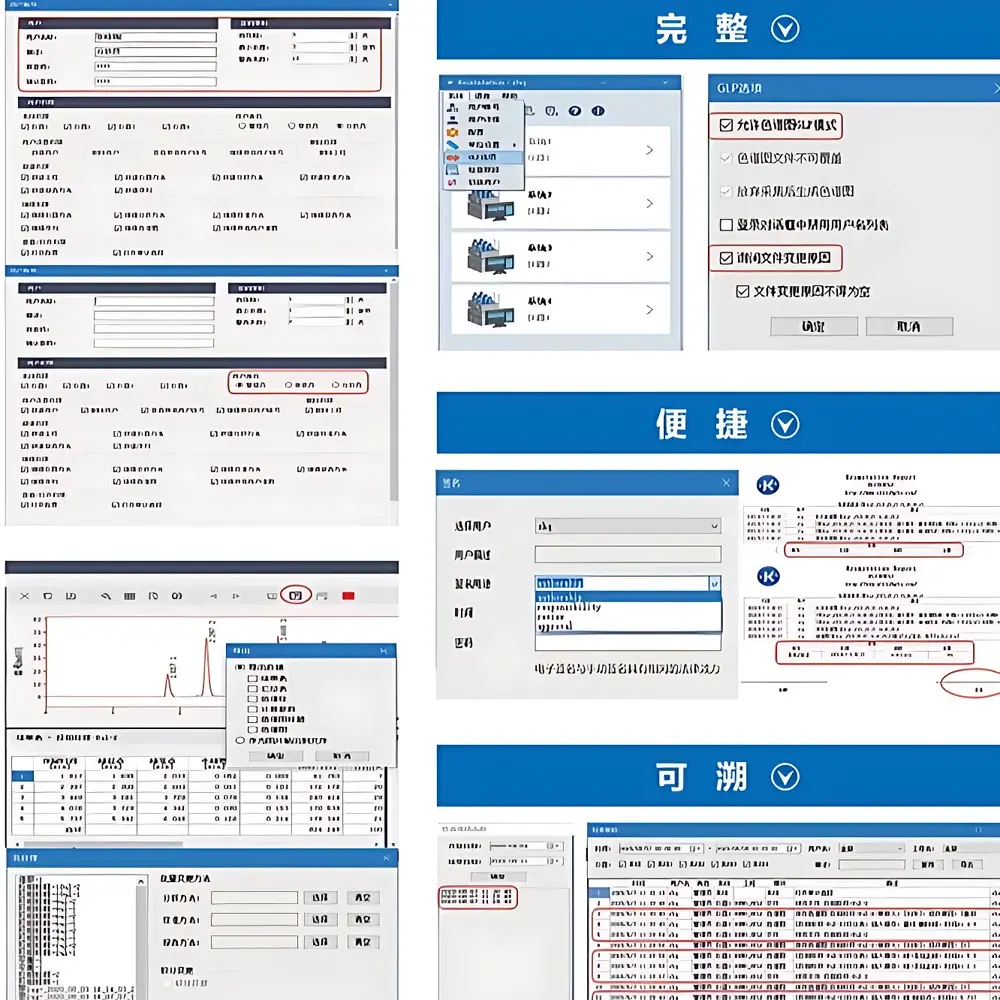
The instrument is operated via Elite ChromaLink MS² Workstation—a native Windows-based platform offering fully integrated LC and MS control, real-time MRM optimization, automated peak integration, and customizable report generation. The software provides role-based user access control, electronic signature support, and full audit trail logging (including parameter changes, sequence edits, and raw data export actions). Data files are stored in vendor-neutral .d format (compatible with third-party processing tools such as Skyline, Compound Discoverer, and SimGlycan). Batch processing supports AIA/ANDI-compliant output for LIMS integration. Custom scripting (via Python API) enables automated report templating, QC flagging, and cross-platform data harmonization for multi-instrument laboratories.
Applications
The MS²Vertical 9020 delivers validated performance in targeted quantitative workflows across multiple sectors: pharmacokinetic and toxicokinetic studies (PK/TK) in preclinical biopharma; residue screening of veterinary drugs and mycotoxins in food safety testing; multi-analyte panels for therapeutic drug monitoring (TDM) and newborn screening in clinical diagnostics; identification and quantification of endocrine disruptors and PFAS compounds in environmental monitoring; forensic toxicology screening for opioids, stimulants, and novel psychoactive substances (NPS); impurity profiling and stability-indicating assays for synthetic and natural product-based APIs; and elemental speciation support when coupled with HPLC-ICP-MS hybrid workflows.
FAQ
Is the MS²Vertical 9020 compliant with 21 CFR Part 11 for regulated pharmaceutical environments?
Yes—when configured with audit-trail mode enabled, electronic signatures activated, and appropriate system administrator controls, the ChromaLink MS² Workstation meets core technical and procedural requirements for Part 11 compliance.
What level of service and application support is available outside China?
Elite maintains authorized service partners in Southeast Asia, the Middle East, and Latin America; remote diagnostics, method development consultation, and IQ/OQ documentation support are available globally via secure web portal.
Can the system be upgraded to support high-resolution mass spectrometry (HRMS) in the future?
No—the MS²Vertical 9020 is purpose-built as a tandem quadrupole platform; HRMS functionality requires a separate instrument architecture (e.g., Q-TOF or Orbitrap-based systems).
Does the workstation support LIMS integration via ASTM E1384 or HL7 standards?
Yes—through configurable ODBC drivers and RESTful API endpoints, the software supports structured data exchange with major LIMS platforms using ASTM E1384-compliant message schemas.
What is the typical installation lead time and qualification timeline post-delivery?
Standard site acceptance testing (SAT) and operational qualification (OQ) require 5–7 business days on-site, assuming facility readiness (power, exhaust, cooling water, and nitrogen supply per specification sheet).




