
English Product Name
| Brand | OEM / Private Label |
|---|---|
| Origin | Imported |
| Manufacturer Type | Authorized Distributor |
| Pricing | USD 3,100 (FOB Reference) |
Overview
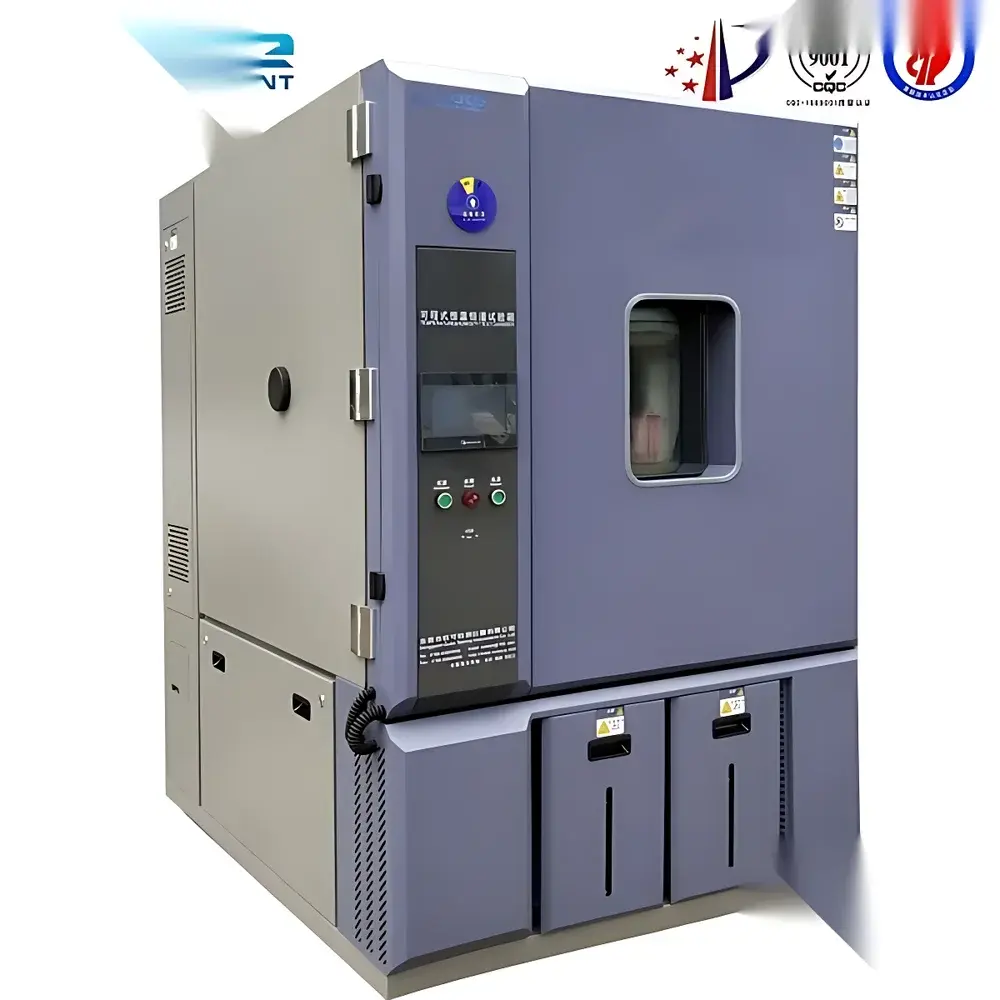
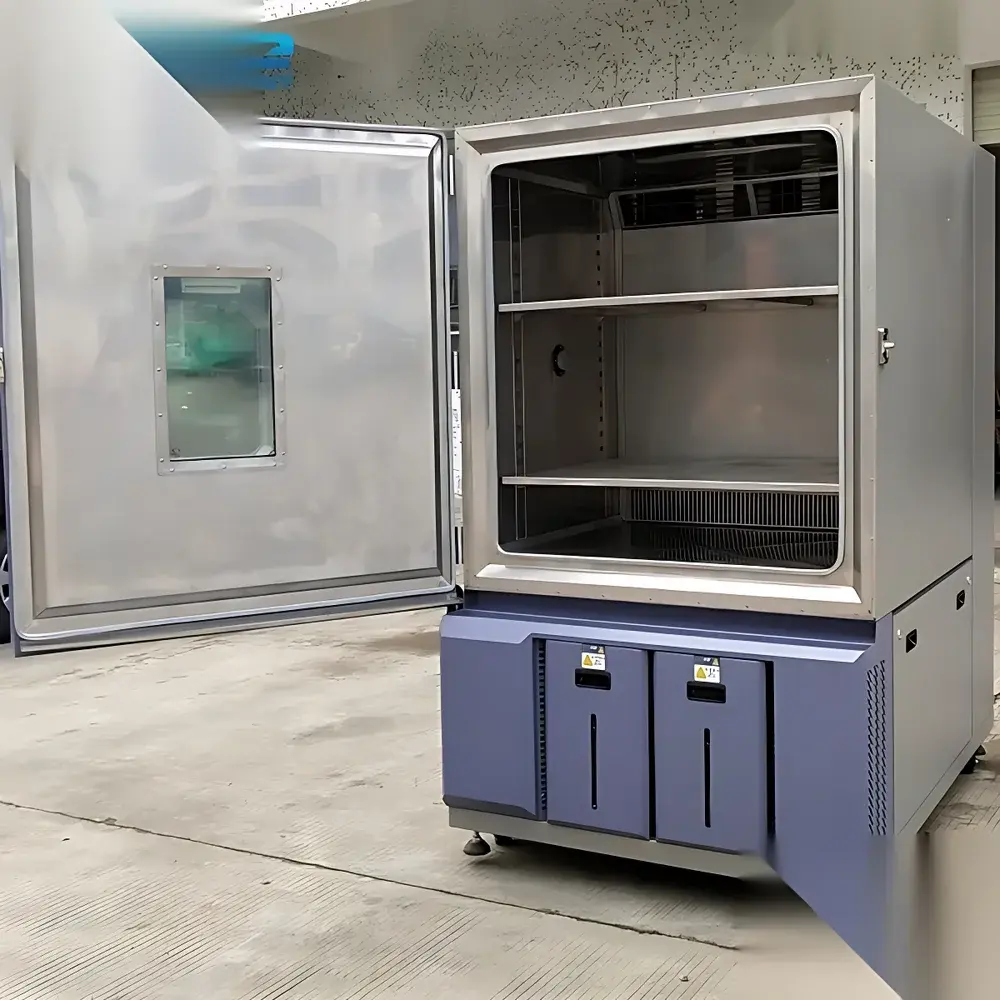
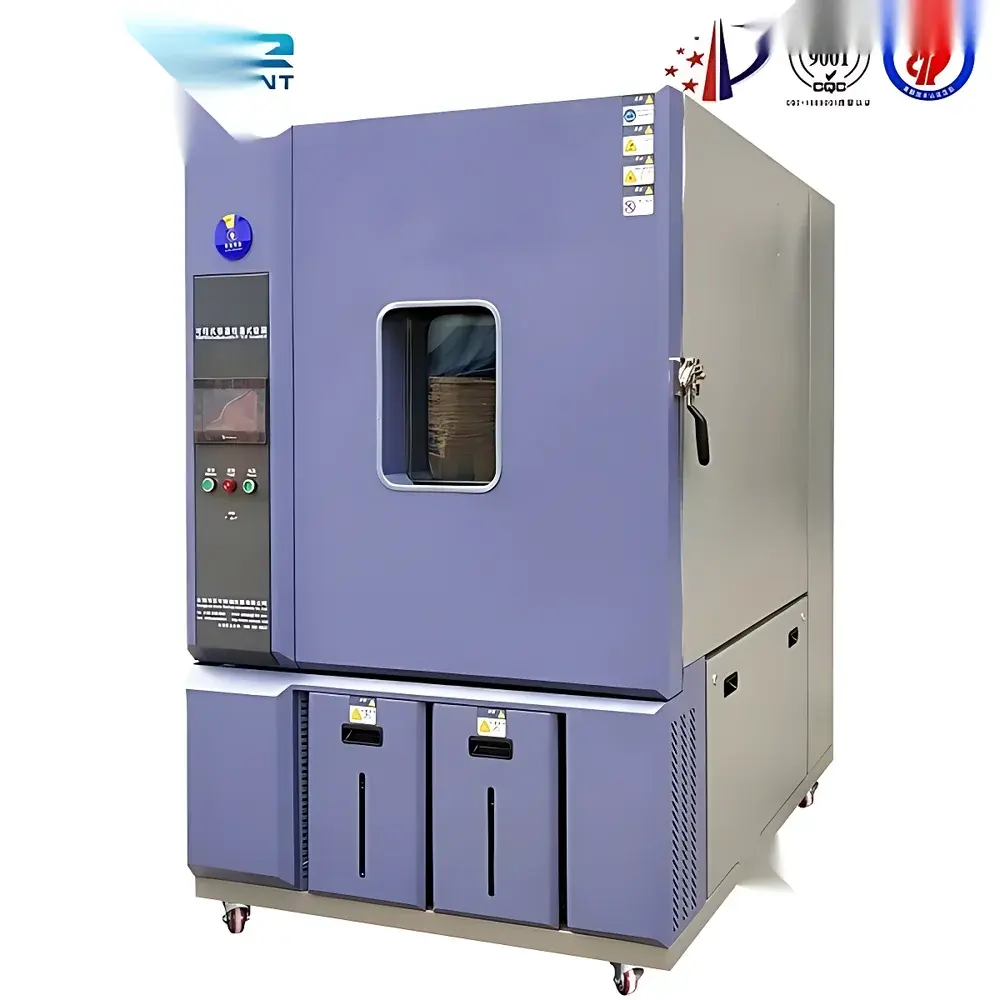
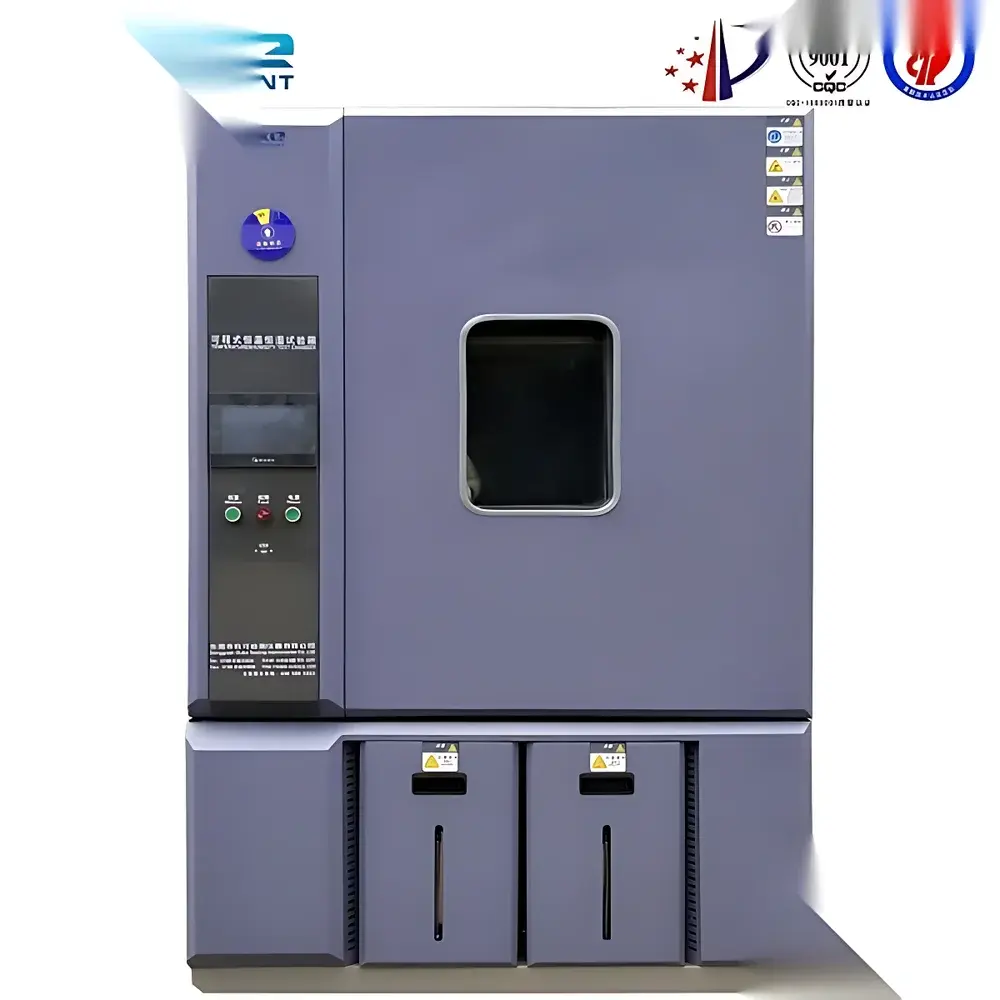
The Programmable Temperature and Humidity Controlled Environmental Test Chamber is an engineered precision instrument designed for accelerated environmental stress testing of materials, components, and finished products under rigorously controlled thermal and hygrothermal conditions. Based on the principle of forced-air convection with dual independent PID-regulated heating, refrigeration, and humidification subsystems, this chamber maintains stable, repeatable, and programmable temperature ranges from –70 °C to +150 °C and relative humidity (RH) from 20 % RH to 98 % RH (depending on temperature setpoint). It complies with internationally recognized test standards including IEC 60068-2-1 (Cold), IEC 60068-2-2 (Dry Heat), IEC 60068-2-30 (Damp Heat, Cyclic), ISO 16750-4 (Road Vehicles – Environmental Conditions), and ASTM D4332 (Standard Practice for Conditioning Containers, Packages, or Packaging Components for Testing). The chamber’s core architecture supports both steady-state and dynamic cycling profiles—enabling qualification testing for electronics, automotive parts, pharmaceutical packaging, aerospace composites, and polymer-based consumer goods in accordance with GLP and GMP-aligned laboratory practices.
Key Features
- Advanced BTHC (Balanced Temperature and Humidity Control) system utilizing SSR-driven P.I.D. feedback loops to dynamically match heating/humidification output with thermal/hygric losses—ensuring long-term stability and minimal overshoot.
- Full-featured 7-inch color touchscreen controller with intuitive icon-based interface, multi-segment programmability (up to 99 cycles × 99 steps), real-time curve display, and USB data export capability.
- High-efficiency refrigeration circuit incorporating capillary tube expansion technology (not thermostatic expansion valves), delivering faster ramp rates, improved low-temperature reliability, and reduced maintenance intervals.
- Double-wall insulated construction with high-density polyurethane foam (≥100 mm thickness), electrostatically coated steel exterior, and stainless-steel interior chamber—optimized for thermal inertia reduction and condensation control.
- Integrated safety interlocks including over-temperature protection, compressor high-pressure cut-off, humidity sensor fault detection, and door-open alarm with automatic power cutoff.
Sample Compatibility & Compliance
This chamber accommodates non-volatile, non-corrosive, and non-explosive test specimens up to 200 kg total mass (distributed load), with internal volume options ranging from 100 L to 1000 L (custom walk-in configurations available). All standard models are CE-marked and designed to meet EMC Directive 2014/30/EU and Low Voltage Directive 2014/35/EU requirements. Calibration traceability is provided to NIST-traceable reference standards per ISO/IEC 17025 guidelines. For regulated industries, optional audit-ready features include 21 CFR Part 11-compliant electronic signatures, full-cycle audit trails, and IQ/OQ documentation packages aligned with FDA and EU Annex 11 expectations.
Software & Data Management
The embedded controller supports local data logging at user-selectable intervals (1 s to 60 min) with onboard storage for ≥30 days of continuous operation. Optional PC-based software (Windows 10/11 compatible) enables remote monitoring, real-time graphing, automated report generation (PDF/CSV), and integration into enterprise LIMS or MES platforms via Modbus TCP or Ethernet/IP protocols. All logged parameters—including chamber air temperature, chamber RH, setpoint deviation, compressor status, and heater duty cycle—are time-stamped with millisecond resolution and stored with immutable metadata (operator ID, test ID, calibration certificate number).
Applications
- Accelerated aging studies of lithium-ion battery enclosures under combined thermal-hygric stress.
- Validation of moisture barrier integrity for blister-packaged pharmaceuticals per USP .
- Thermal shock pre-conditioning of printed circuit boards prior to solder reflow simulation.
- Reliability screening of automotive ECUs per ISO 16750-4 “Temperature Cycling” and “Damp Heat” test plans.
- Material coefficient of thermal expansion (CTE) characterization using dimensional metrology synchronized with chamber profile execution.
FAQ
What is the typical temperature ramp rate for this chamber?
Ramp rates vary by model and load condition; nominal air temperature transition from –40 °C to +85 °C typically achieves 3–5 °C/min under no-load conditions per IEC 60068-3-5. Actual specimen temperature response depends on mass, specific heat, and thermal coupling efficiency.
Is humidity control available across the full temperature range?
Humidity control is functional between +10 °C and +85 °C. Below +10 °C, condensation risk limits RH regulation; dehumidification remains active but RH setpoints are not maintained below dew point thresholds.
Can the chamber be integrated into a centralized lab automation network?
Yes—standard Ethernet port supports SCPI command sets and OPC UA server functionality for seamless integration with industrial IoT platforms and centralized test management systems.
What maintenance intervals are recommended?
Compressor oil and refrigerant checks every 24 months; condenser coil cleaning every 3 months in dusty environments; humidity sensor recalibration annually or per ISO/IEC 17025 internal procedure.
Does the system support custom test profile import via CSV or Excel?
Yes—the controller accepts time-temperature-RH profile definitions in CSV format with column headers “Time_min”, “Temp_C”, and “RH_pct”, enabling direct upload from external design-of-experiments (DOE) tools.



