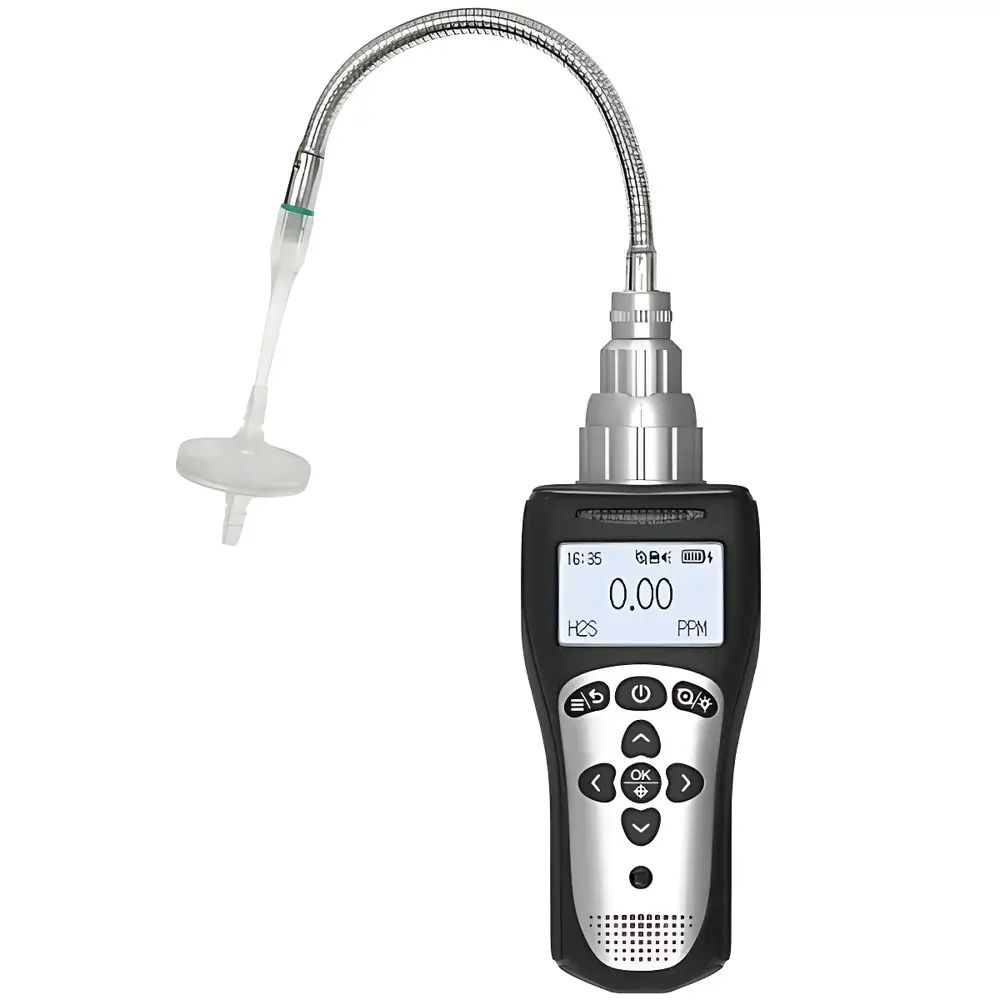
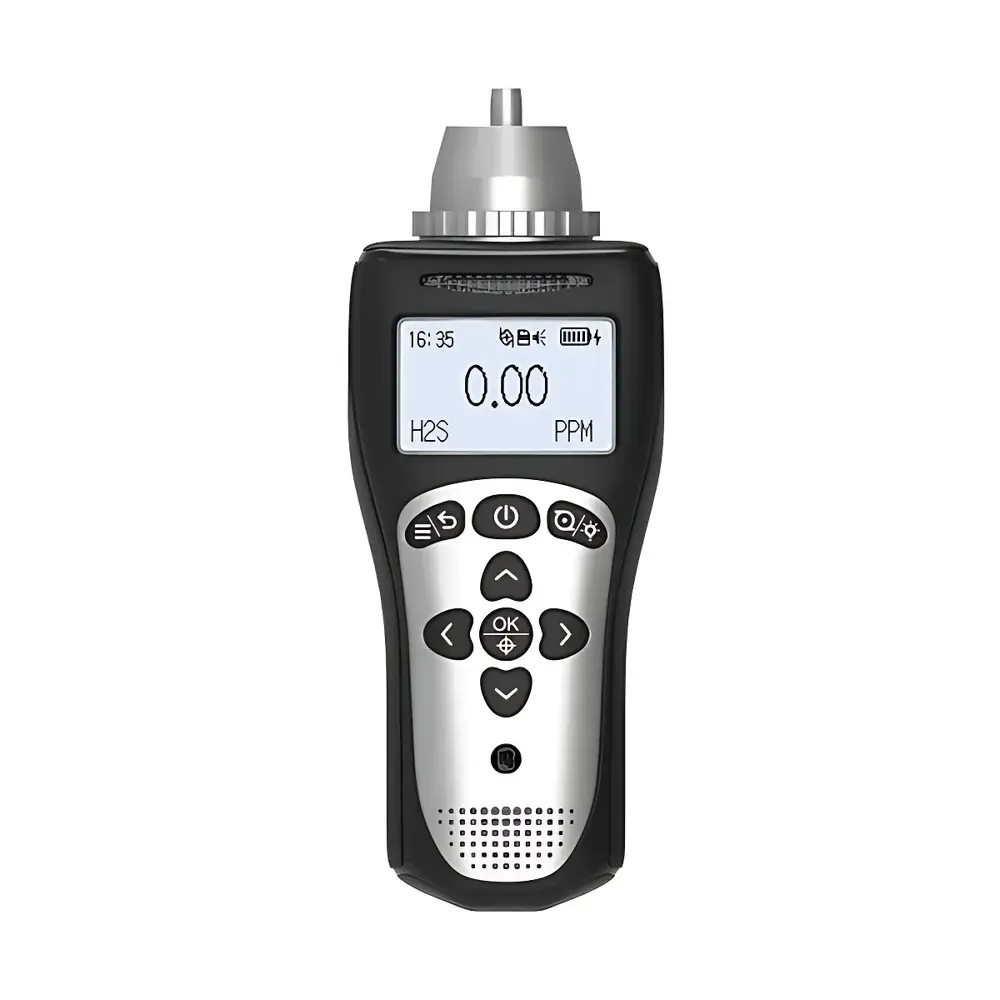
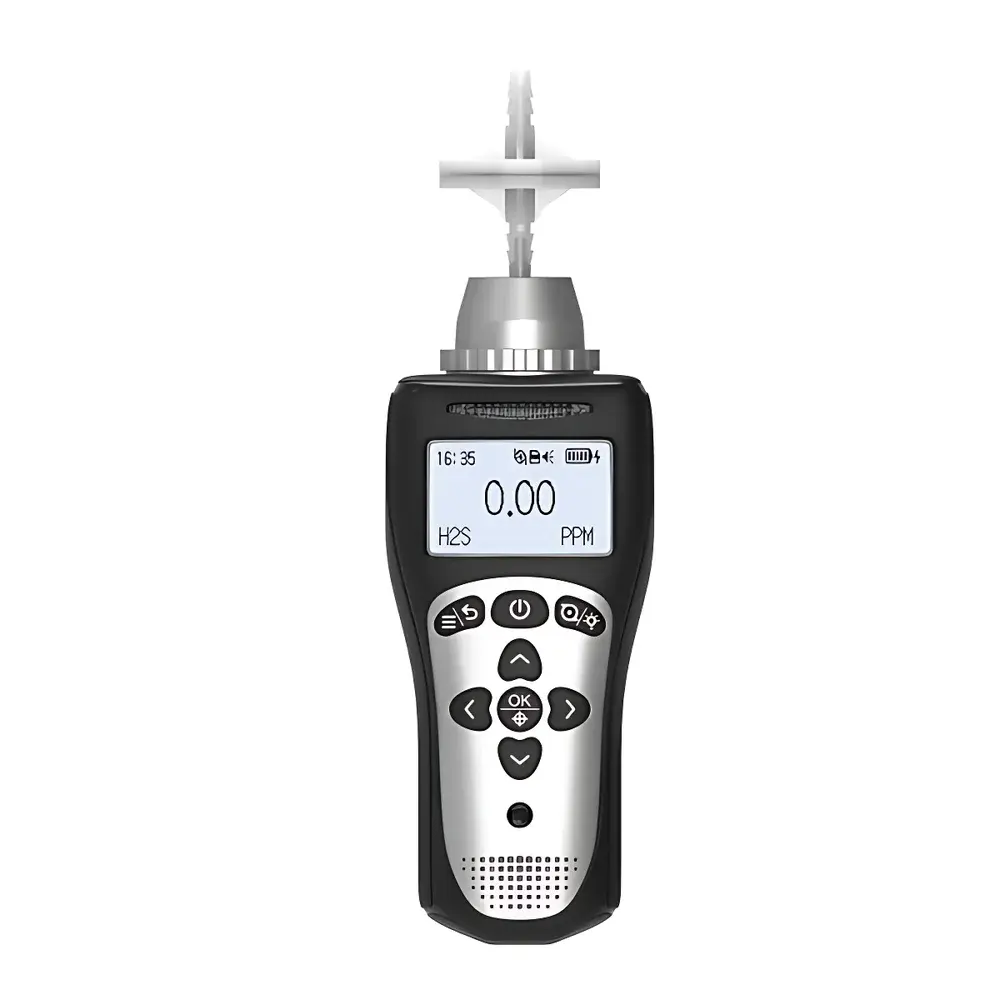
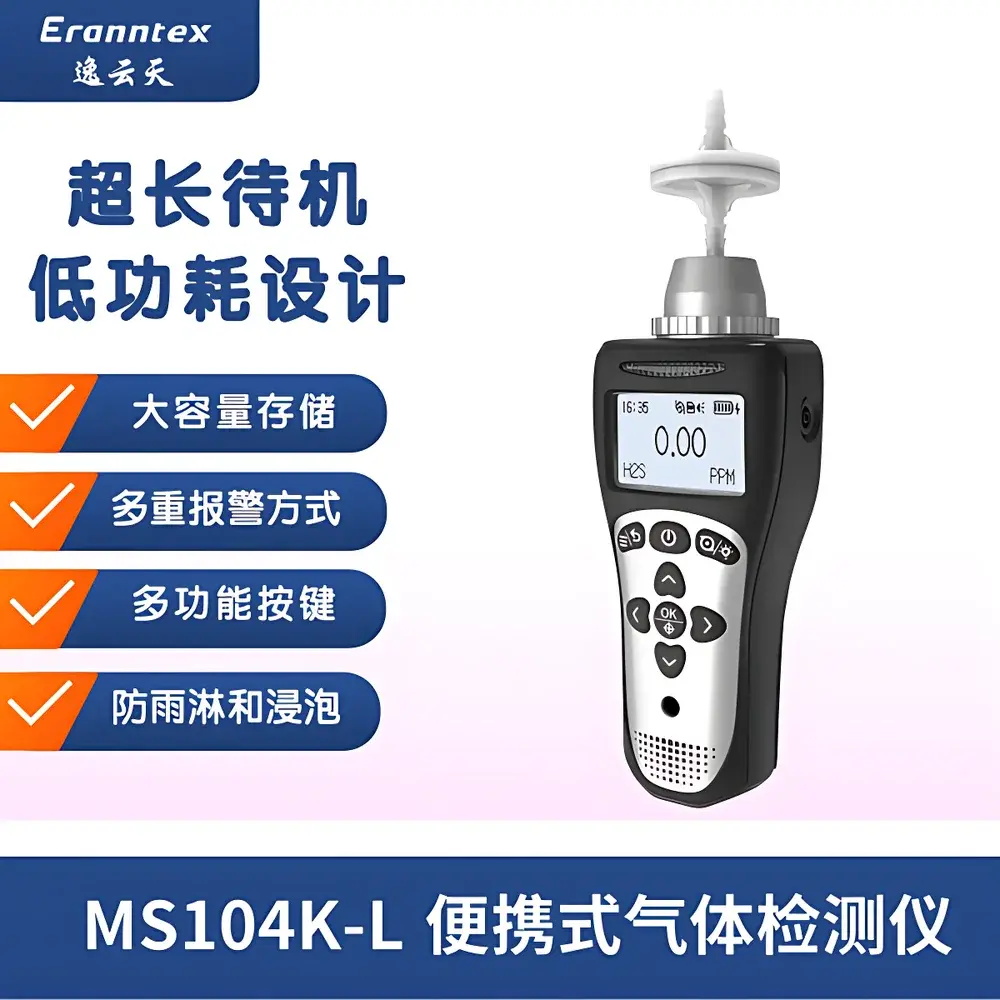
Eranntex MS104K-L-THF Portable Tetrahydrofuran (THF) Gas Detector
| Brand | Eranntex |
|---|---|
| Origin | Guangdong, China |
| Manufacturer Type | Direct Manufacturer |
| Regional Category | Domestic (China) |
| Model | MS104K-L-THF |
| Pricing | Upon Request |
Overview
The Eranntex MS104K-L-THF is a certified intrinsically safe, handheld gas detection instrument engineered for real-time, quantitative measurement of tetrahydrofuran (THF) vapor concentrations in industrial and emergency response environments. THF is a volatile, flammable, and moderately toxic cyclic ether widely used as a solvent in pharmaceutical synthesis, polymer production, and lithium battery electrolyte formulation. Its low flash point (−14 °C), high vapor pressure, and potential for peroxide formation necessitate precise, rapid, and reliable detection—particularly in confined spaces, chemical storage facilities, and process maintenance zones. The MS104K-L-THF employs configurable sensor technologies—including electrochemical, catalytic bead (combustible), infrared (NDIR), thermal conductivity, and photoionization detection (PID)—selected based on required detection range, environmental conditions, and regulatory compliance needs. All configurations adhere to the fundamental principles of gas-phase analyte interaction with transducers, followed by analog signal conditioning and digital compensation for temperature, pressure, and humidity drift.
Key Features
- Intrinsically safe design compliant with GB/T 3836.1–2021 and GB/T 3836.4–2021 (Ex ia IICT4 Ga), enabling safe operation in Zone 0/1 hazardous areas.
- Dual sampling modes: integrated micro-pump suction (flow rate adjustable) and passive diffusion—switchable via firmware to optimize response time or extend battery life.
- IP68-rated enclosure constructed from flame-retardant polycarbonate with rubberized impact protection, certified for submersion up to 1.5 m for 30 minutes and dust-tight operation.
- High-resolution LCD display showing real-time concentration, unit (ppm, %LEL, mg/m³, µmol/mol, etc.), gas name, alarm status, battery level, timestamp, and communication indicators.
- Multi-modal alarm system: audible (≥85 dB), visual (dual-color LED strobe), haptic vibration, and optional voice alerts—with programmable thresholds for low/high, TWA (Time-Weighted Average), STEL (Short-Term Exposure Limit), and interval-based alarms.
- Robust data integrity architecture: ≥100,000-point internal storage with user-configurable logging intervals; supports timestamped export via USB-C interface and optional Bluetooth module (BLE 5.0).
- Advanced calibration management: one-button zero/span calibration, multi-point target gas calibration, automatic zero tracking, and misoperation lockout to prevent erroneous adjustments.
- Extended operational endurance: dual 2100 mAh Li-polymer batteries (4500 mAh optional), delivering >12 hours continuous pump-assisted operation at 25 °C.
Sample Compatibility & Compliance
The MS104K-L-THF is calibrated and validated for direct measurement of THF vapor across multiple concentration ranges (e.g., 0–10 ppm for occupational hygiene monitoring; 0–100% LEL for flammability assessment). Sensor selection is application-driven: electrochemical sensors provide high sensitivity for low-level toxic exposure (0.001 ppm resolution); catalytic bead or NDIR sensors support wider LEL-range quantification (0–100% LEL); PID enables broad-spectrum VOC screening where THF coexists with other organics. The instrument complies with GB 50493–2019 (Design Standard for Flammable and Toxic Gas Detection in Petrochemical Facilities), GB 15322.3–2019 (Portable Combustible Gas Detectors), and meets functional safety expectations aligned with IEC 61508 SIL 2 for detection subsystems. It supports audit-ready data logging with immutable timestamps—facilitating GLP/GMP-aligned recordkeeping where required.
Software & Data Management
Data retrieval and configuration are managed through Eranntex’s proprietary PC-based configuration software (Windows/macOS compatible), accessible via standard USB-C connection. The software enables full parameter editing (alarm setpoints, sampling mode, logging interval), firmware updates, calibration certificate generation, and CSV-formatted report export—including raw concentration values, timestamps, battery voltage, and sensor health diagnostics. Optional Bluetooth integration allows wireless data streaming to mobile applications for field supervisors. All stored records include cryptographic checksums to ensure data authenticity and tamper resistance—critical for incident investigation and regulatory submissions under OSHA 1910.120 or EU ATEX directives.
Applications
- Confined space entry pre-screening and continuous atmospheric monitoring during maintenance in pharmaceutical cleanrooms and solvent recovery units.
- Emergency response by HAZMAT teams during THF transport incidents or storage tank leaks—leveraging rapid T90 ≤20 s response and ruggedized IP68 housing.
- Process safety management (PSM) in fine chemical plants: verifying ventilation effectiveness, detecting fugitive emissions near distillation columns or reactor manways.
- Environmental health & safety (EHS) audits: verifying compliance with occupational exposure limits (OELs) such as ACGIH TLV® (20 ppm TWA) and OSHA PEL (200 ppm TWA).
- Research laboratory safety: real-time monitoring during THF-handling procedures, especially where peroxide accumulation risk exists.
- Warehousing and logistics: periodic inspection of sealed containers and secondary containment areas prior to handling or disposal.
FAQ
What sensor technologies are available for THF detection on the MS104K-L-THF?
Electrochemical, catalytic combustion, NDIR infrared, thermal conductivity, and PID sensors are available—selected based on required range, selectivity, and environmental constraints.
Is the device suitable for use in explosive atmospheres?
Yes—it carries Ex ia IICT4 Ga intrinsic safety certification per GB/T 3836.4–2021, permitting use in Zone 0 gas hazardous locations.
Can the instrument store and export historical concentration data?
Yes—internal memory retains ≥100,000 data points with timestamps; export is supported via USB-C or optional Bluetooth to PC/mobile platforms.
What is the typical service life of the THF-specific sensor?
Electrochemical sensors last 2–3 years under normal operating conditions; NDIR sensors offer up to 5 years; PID lamps require replacement every ~2 years.
Does the detector support multi-gas configurations?
The MS104K-L platform is modular—while the MS104K-L-THF is optimized for THF, variants support CO, H₂S, O₂, combustibles, CO₂, and broad-spectrum VOCs, with cross-interference compensation algorithms embedded in firmware.
Related Products