ErgoLAB Human-Machine-Environment Synchronization Platform Advanced Multimodal Data Analysis Software Kit
| Brand | Kingfar |
|---|---|
| Origin | Imported |
| Manufacturer Type | Authorized Distributor |
| Pricing | Upon Request |
Overview
The ErgoLAB Human-Machine-Environment Synchronization Platform Advanced Multimodal Data Analysis Software Kit is a comprehensive, research-grade software suite engineered for high-fidelity temporal alignment and integrated analysis of heterogeneous physiological, behavioral, and environmental data streams. Built upon a deterministic real-time synchronization architecture, the platform supports microsecond-level timestamp alignment across up to 32 concurrent input channels—including eye tracking, EEG, EDA, EMG, HRV, motion capture, audio commentary, facial expression coding, and posture kinematics. It is designed specifically for human factors, cognitive ergonomics, usability testing, neuroergonomics, and applied psychology laboratories requiring rigorous experimental control, traceable data provenance, and compliance-ready analysis workflows. Unlike generic signal processing tools, ErgoLAB implements domain-specific signal preprocessing pipelines—such as ICA-based ocular artifact removal for EEG, R-peak detection with HRV spectral decomposition (LF/HF ratio, RMSSD), and pupil dilation normalization relative to ambient luminance—ensuring methodological consistency with established psychophysiological standards (e.g., Task Force of the European Society of Cardiology, 1996; ISO 10075-3:2022 on mental workload assessment).
Key Features
- Hardware-agnostic multimodal synchronization engine supporting third-party devices via TTL, NTP, and shared clock protocols
- Modular analysis architecture with validated, peer-reviewed algorithms for each physiological modality
- Real-time monitoring dashboard with customizable alert thresholds for critical signal anomalies (e.g., EDA saturation, EEG amplitude clipping)
- Event-locked replay mode enabling frame-accurate correlation between gaze fixations, speech onset, motor responses, and autonomic reactivity
- Configurable annotation framework compliant with ISO/IEC 2382-35:2022 for behavioral coding reliability (Cohen’s κ calculation built-in)
- Export modules generating audit-trail logs compliant with GLP and FDA 21 CFR Part 11 requirements (electronic signatures, version-controlled analysis scripts)
Sample Compatibility & Compliance
The software processes time-series data from ISO/IEC 17025-accredited instrumentation and supports raw data ingestion in standardized formats including EDF+, BDF, CSV (with metadata headers), and manufacturer-specific binaries (e.g., BioSemi .bdf, Tobii .tsv, Delsys Trigno .mat). All analysis modules adhere to international measurement standards: HRV analysis conforms to ANSI/AAMI EC57:2012 and ESC guidelines; EMG preprocessing follows SENIAM recommendations for electrode placement and filtering; EDA metrics align with SCR amplitude and recovery time definitions per Boucsein et al. (2012). The platform has been validated in academic and industrial settings for use in ISO 9241-210 (human-centered design) and ISO/IEC 25062 (Common Industry Format for usability reporting)–aligned studies.
Software & Data Management
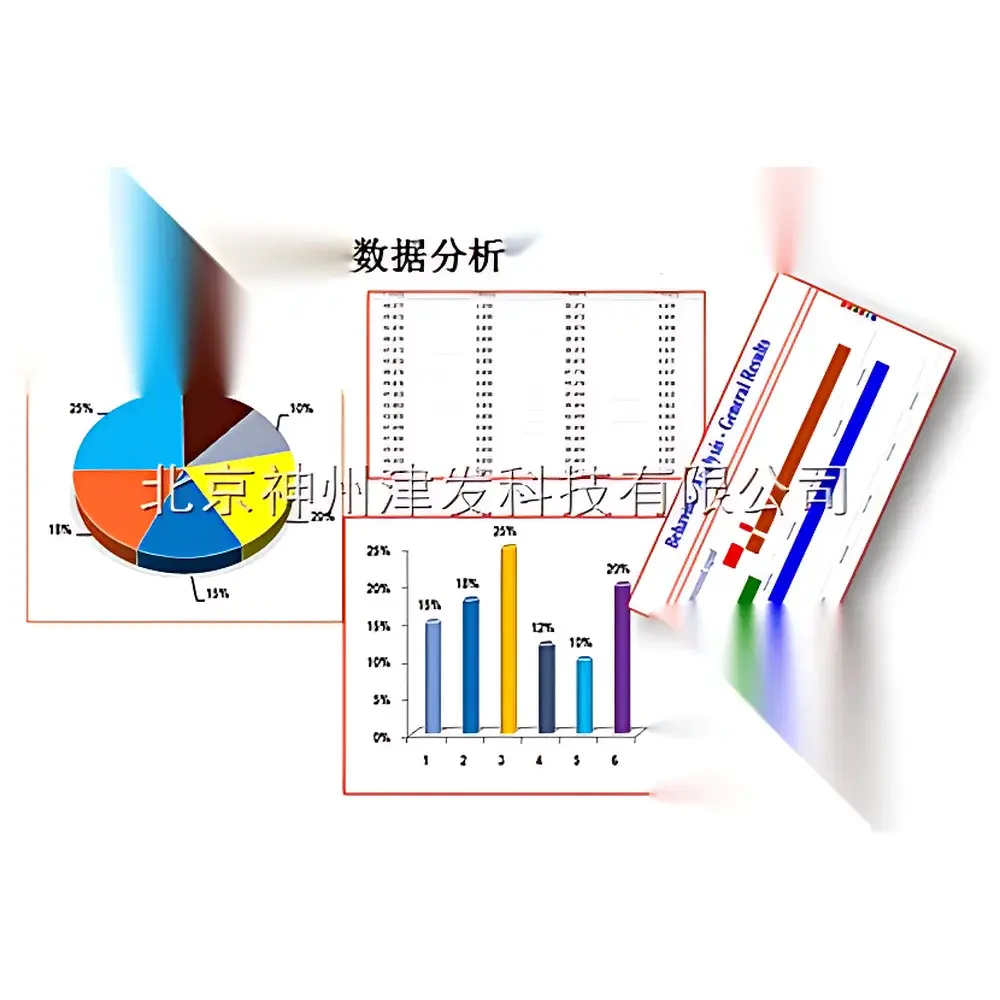
ErgoLAB operates on Windows 10/11 (64-bit) with optional server deployment for centralized lab management. Data storage follows hierarchical project structures with immutable raw-data archives and editable analysis branches. Versioned analysis pipelines are saved as XML-based protocol files, enabling full reproducibility across research teams. Integrated report generation exports statistical summaries (mean, SD, confidence intervals), publication-ready figures (vector-based SVG/PDF), annotated video demos (synchronized gaze heatmaps + physiological overlays), and customizable HTML/PDF reports with institutional branding. Audit trails record user actions, parameter changes, and export events—supporting internal QA reviews and external regulatory audits.
Applications
- Cognitive load assessment during HMI interaction in automotive or aviation cockpits
- Usability evaluation of medical devices under simulated clinical stress conditions
- Neuroadaptive interface development using closed-loop EEG-EMG feedback
- Workplace fatigue monitoring via longitudinal HRV and posture dynamics
- Consumer neuroscience studies linking implicit attention (eye tracking) with explicit preference (verbal commentary + EDA)
- Evidence generation for ISO 13407-compliant human factors validation in regulated product development
FAQ
Does ErgoLAB support integration with existing LIMS or ELN systems?
Yes—via RESTful API and configurable ODBC connectors for bidirectional metadata exchange with laboratory information management systems (LIMS) and electronic lab notebooks (ELN), including LabVantage, Thermo Fisher SampleManager, and Benchling.
Is source code or algorithm documentation available for method validation?
Full technical white papers, mathematical derivations, and validation datasets are provided under NDA for regulatory submissions and method transfer protocols.
Can analysis parameters be locked for multi-site clinical trials?
Yes—analysis templates can be exported as encrypted .ergopkg files with enforced parameter constraints, ensuring cross-site analytical consistency per ICH-GCP Annex 11 requirements.
What hardware synchronization protocols are natively supported?
TTL pulse triggering, IEEE 1588 PTP v2 network time synchronization, GPS timestamp injection, and shared master clock distribution via USB/PCIe timing cards.
How is data integrity maintained during long-duration field studies?
Automatic checksum verification (SHA-256) on all imported and exported files, with embedded CRC-32 error detection in real-time streaming buffers.
Related Products