ErgoSIM Industrial Design & User Experience Environmental Simulation Laboratory
| Brand | Kingfar |
|---|---|
| Origin | Imported |
| Manufacturer Type | Authorized Distributor |
| Pricing | Upon Request |
Overview
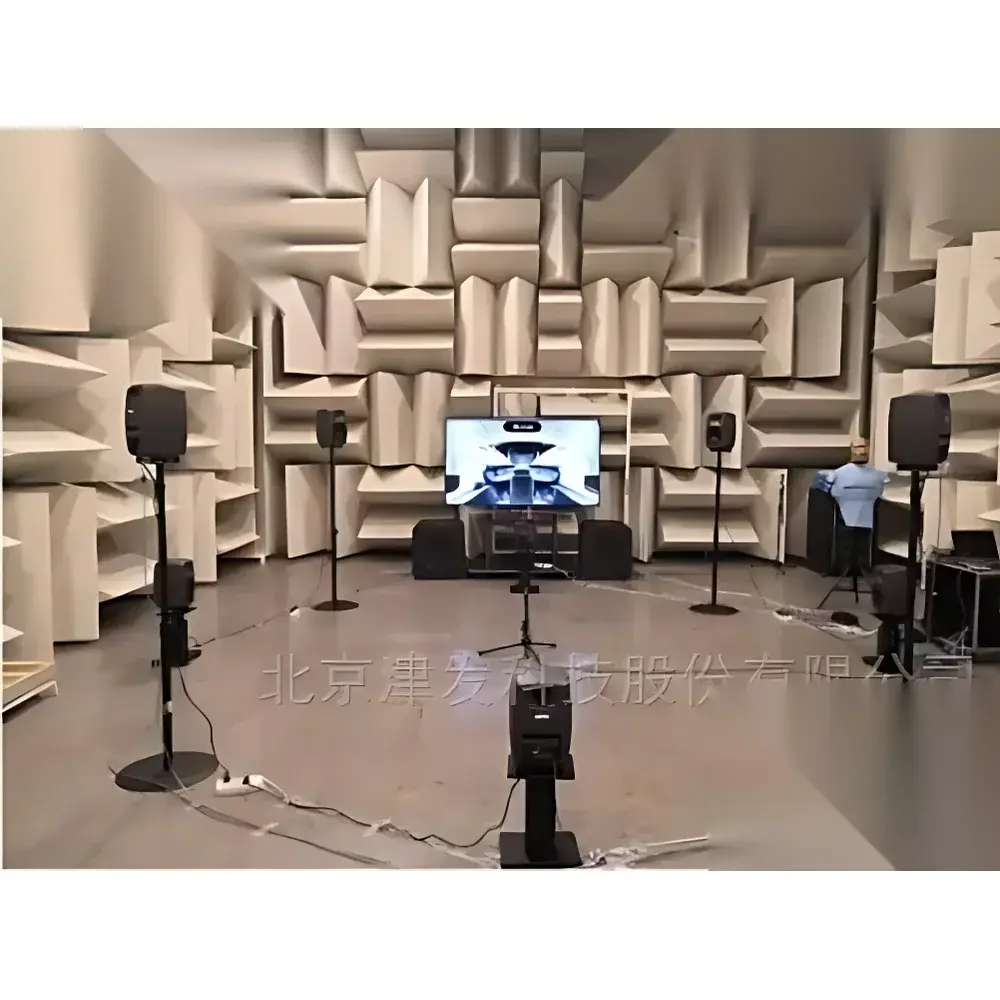
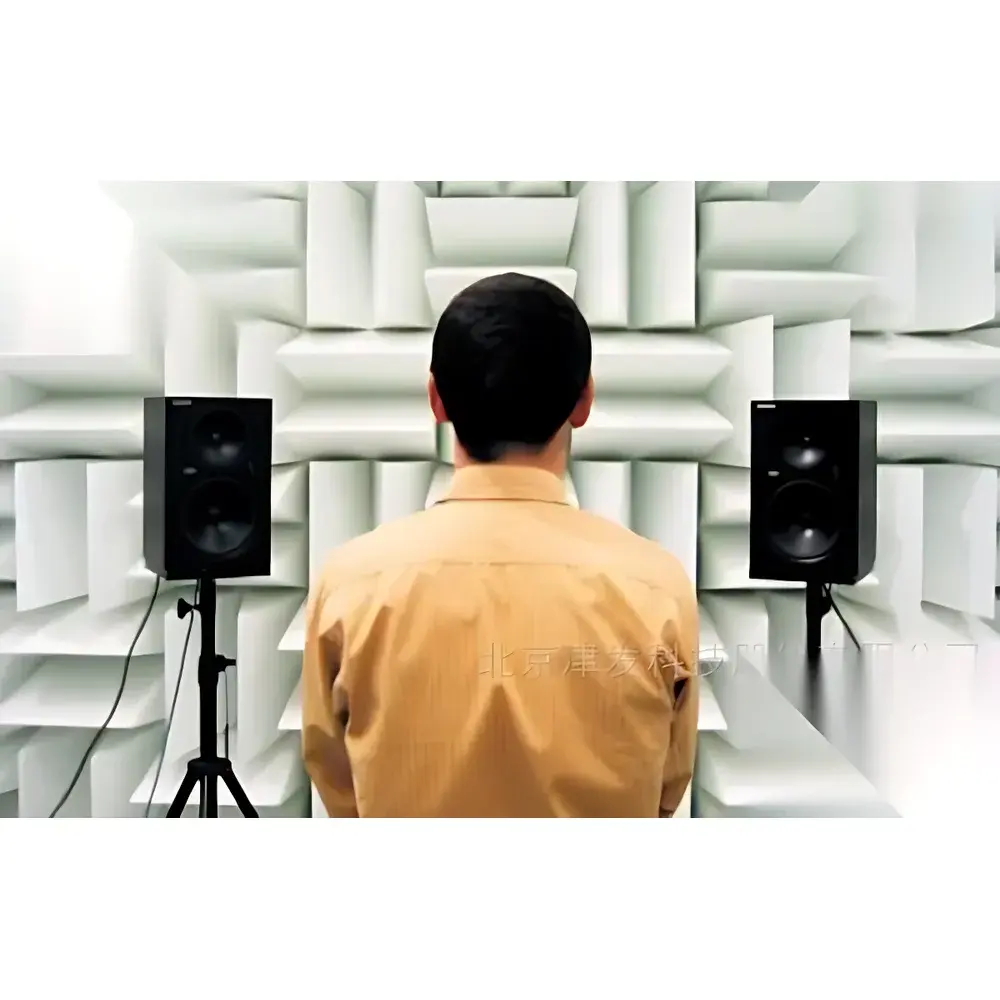
The ErgoSIM Industrial Design & User Experience Environmental Simulation Laboratory is a purpose-built, integrated research infrastructure engineered by Kingfar (Beijing Kingfar Science & Technology Co., Ltd.) to advance evidence-based human factors engineering in industrial and interactive product development. Grounded in the theoretical frameworks of “Human-Machine-Environment” (HME) and “Human-Information-Physical Systems” (HIPS), the laboratory enables controlled, reproducible simulation and quantification of physical environmental variables—including photometric conditions (illuminance, color temperature, glare index), acoustic parameters (SPL, frequency spectrum, reverberation time), thermal metrics (air temperature, radiant temperature, humidity, air velocity), and microclimatic dynamics—while synchronously capturing multimodal human responses. At its core lies the ErgoLAB Human-Machine-Environment Synchronized Cloud Platform, which orchestrates time-aligned acquisition across physiological, neural, behavioral, biomechanical, and environmental data streams. This architecture supports rigorous experimental design compliant with ISO 10075 (ergonomic principles related to mental workload), ISO 9241-210 (human-centered design processes), and ASTM F2500 (standard guide for human factors engineering in medical device design), enabling objective evaluation of task performance, cognitive load, affective state, fatigue progression, and subjective comfort under ecologically valid environmental stressors.
Key Features
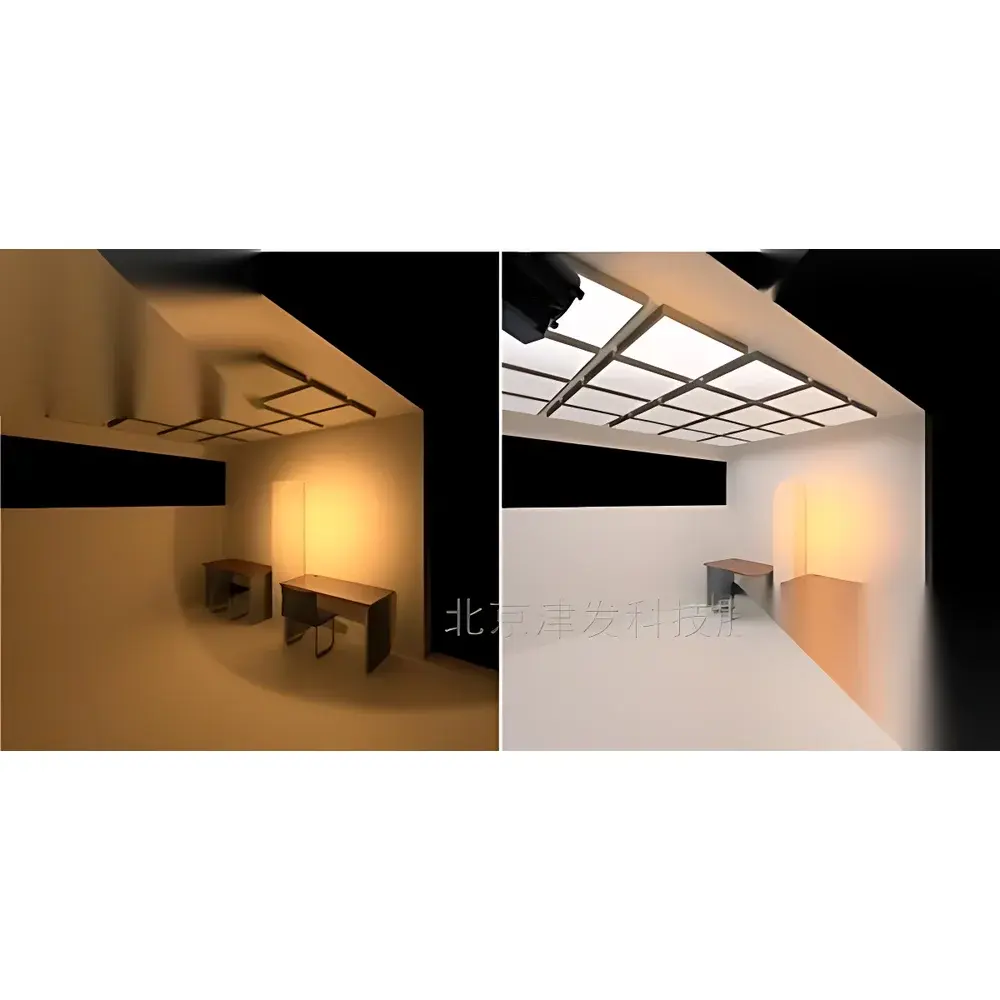
- Modular physical environment simulation system with independently controllable light, sound, thermal, and microclimate modules—each calibrated to international metrological standards (e.g., CIE S 026 for photometry, ISO 3382-1 for acoustics, ISO 7730 for thermal comfort)
- Real-time synchronized multimodal data acquisition: EEG (high-density, 32+ channel), fNIRS (optical topography), eye tracking (binocular, 120 Hz sampling), ECG/HRV, EDA, EMG (surface and fine-wire), respiration belt, motion capture (optical/inertial hybrid), and biomechanical force plates
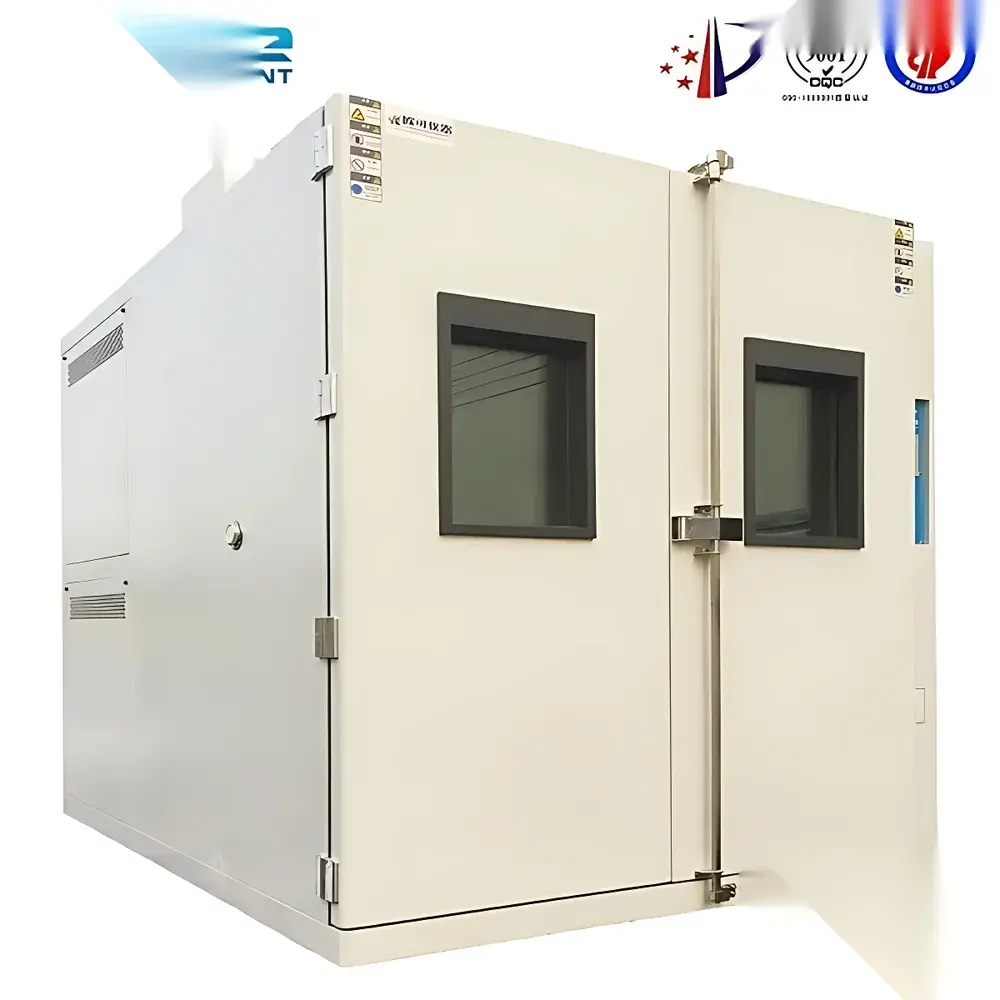
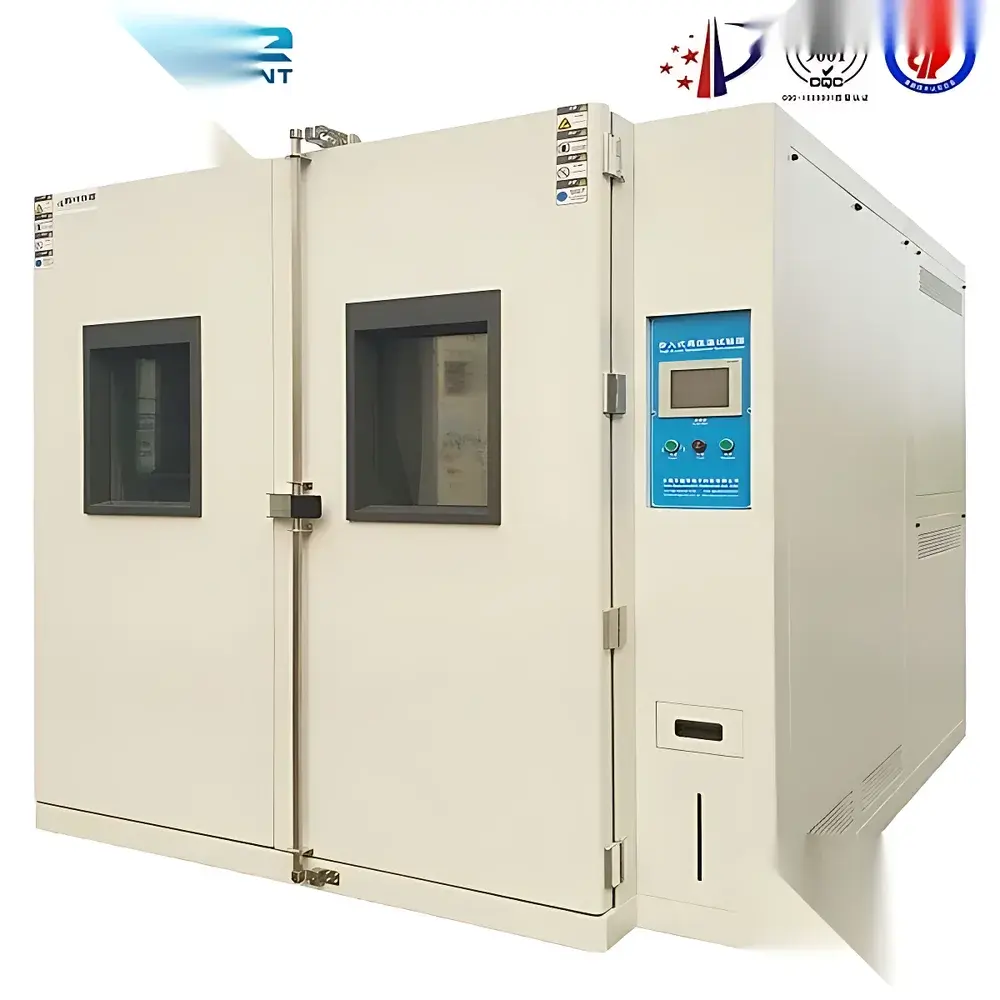
- Distributed lab architecture comprising one central control/observation room and multiple shielded, acoustically isolated test chambers equipped with environmental sensor arrays (e.g., lux meters, sound level analyzers, thermohygrometers, anemometers)
- Integrated environmental control interface with programmable scenario scripting (e.g., dynamic lighting transitions, noise profile ramping, thermal step changes) and closed-loop feedback from real-time sensor validation
- ErgoLAB cloud platform supporting ISO/IEC 17025-compliant data provenance: full audit trail, timestamp synchronization accuracy ≤1 ms, raw data export in HDF5 and MAT formats for third-party analysis
Sample Compatibility & Compliance
The ErgoSIM laboratory accommodates diverse participant cohorts (adults, aging populations, domain experts) and product prototypes ranging from handheld devices and automotive HMI interfaces to large-scale industrial control panels and immersive VR/AR interaction environments. All hardware subsystems comply with IEC 61000-4 electromagnetic compatibility standards and UL 61010-1 safety requirements. Data management workflows adhere to FDA 21 CFR Part 11 (electronic records/signatures), EU GDPR, and GLP/GMP-aligned documentation practices—including version-controlled protocol templates, automated metadata tagging, and encrypted on-premise or private-cloud storage options. Environmental simulation modules meet ISO 8596 (visual display terminal ergonomics) and ISO/TS 16952-12 (technical product documentation — human-machine interface) specifications.
Software & Data Management
ErgoLAB serves as the unified software backbone, offering native integration of signal processing, event marking, and statistical modeling modules. The platform supports batch processing of synchronized time-series data using validated algorithms—for instance, NASA-TLX and SWAT for subjective workload scoring; spectral analysis (FFT, wavelet) and ERP extraction for EEG; fixation detection (I-VT, dispersion-threshold) for eye movement; and joint-angle kinematics derivation from motion capture. AI-assisted analytics include supervised classification of fatigue states (based on HRV + EEG theta/beta ratio + blink rate), unsupervised clustering of user behavior patterns across interface variants, and regression modeling linking environmental parameters (e.g., correlated color temperature × ambient noise level) to performance degradation slopes. All analytical pipelines are exportable as Docker containers for reproducibility verification and institutional IT deployment.
Applications
- Evaluation of automotive cockpit HMI under variable daylight/glare and cabin noise conditions
- Comparative assessment of touchscreen material reflectivity and backlighting schemes across photopic/mesopic luminance ranges
- Thermal comfort mapping for wearable device enclosures during prolonged wear in humidified environments
- Acoustic interface usability testing for voice-controlled industrial equipment in reverberant factory settings
- Neuroergonomic validation of AR-guided maintenance procedures under simulated vibration and thermal stress
- Regulatory submission support for medical device human factors reports (per IEC 62366-1 and FDA guidance)
FAQ
What environmental parameters can be precisely controlled and monitored in the ErgoSIM laboratory?
Lighting (0–10,000 lux, CCT 1800–10,000 K), broadband noise (20–20,000 Hz, up to 110 dB SPL), air temperature (10–40°C), relative humidity (20–90% RH), and air velocity (0–2 m/s), all traceable to NIST or PTB reference standards.
Does the system support compliance with FDA human factors validation requirements?
Yes—the platform generates ALCOA+ compliant data (Attributable, Legible, Contemporaneous, Original, Accurate), including electronic signatures, change history logs, and protocol execution records aligned with FDA’s “Applying Human Factors and Usability Engineering to Medical Devices” guidance.
Can third-party hardware (e.g., custom sensors or simulators) be integrated into the synchronization framework?
Yes—ErgoLAB provides SDKs for TCP/IP, UDP, LabStreamingLayer (LSL), and TTL trigger protocols, enabling deterministic synchronization (<5 ms jitter) with external systems including driving simulators, CAVE environments, and industrial PLCs.
Is remote monitoring and collaborative analysis supported?
Yes—cloud-hosted ErgoLAB instances allow secure, role-based access for distributed research teams; real-time dashboarding, shared annotation layers, and version-controlled report generation are natively supported.
What training and technical documentation is provided upon installation?
Comprehensive operator certification (40-hour curriculum), ISO/IEC 17025-aligned SOPs, calibration certificates for all environmental sensors, and annual metrological recalibration services are included in the standard service package.
Related Products