
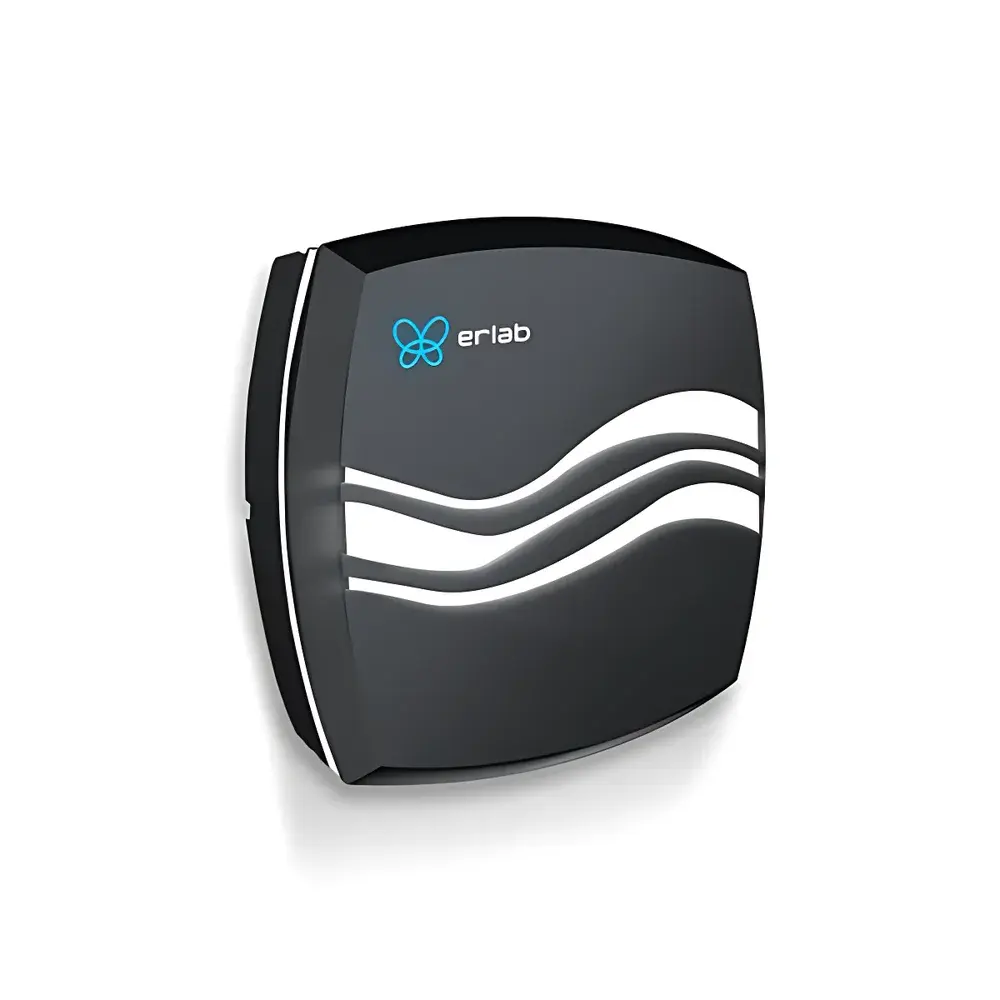
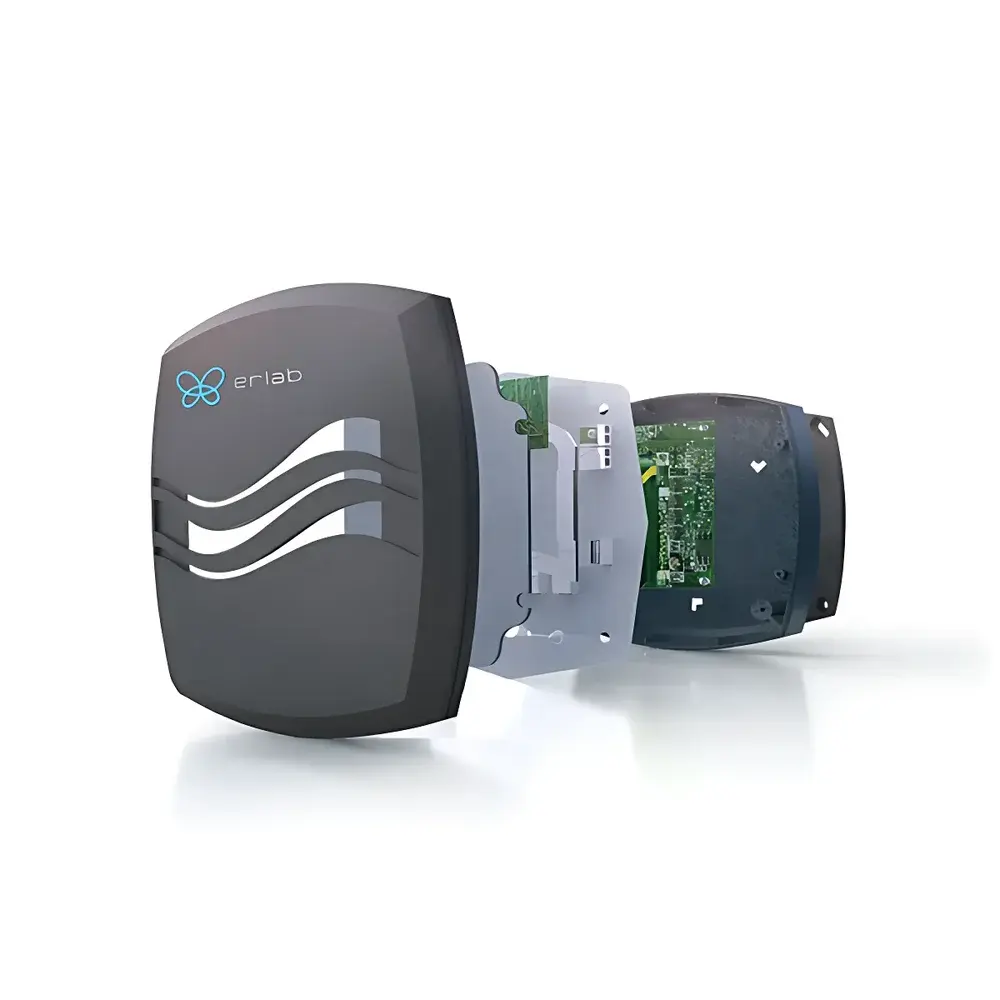
Erlab Halo Sense Smart Air Quality Sensor
| Brand | Erlab |
|---|---|
| Origin | Jiangsu, China |
| Manufacturer Type | Authorized Distributor |
| Country of Origin | China |
| Model | Halo Sense Smart |
| Price Range | USD 1,400 – 2,800 |
Overview
The Erlab Halo Sense Smart Air Quality Sensor is an engineered safety-critical monitoring device designed for continuous, real-time detection of hazardous airborne contaminants in laboratory environments. It operates on electrochemical and photoionization detection principles—optimized for volatile organic compounds (VOCs), acidic gases (e.g., HCl, HF, NO₂), and formaldehyde—with model-specific sensor modules ensuring selective, cross-interference-resistant measurement. Unlike generic indoor air quality monitors, the Halo Sense Smart is purpose-built for the dynamic chemical exposure profiles typical of fume hood perimeters, analytical instrument rooms, synthesis labs, and cleanroom-adjacent workspaces. Its deployment supports proactive hazard mitigation by enabling immediate visual and audible alerting—reducing reliance on periodic manual checks or delayed incident reporting—and aligning with institutional requirements for occupational exposure limit (OEL) awareness and ALARP (As Low As Reasonably Practicable) risk management frameworks.
Key Features
- Tri-modal sensor configuration: Selectable factory-calibrated modules for VOCs (PID-based, 0–20 ppm range), acidic gases (electrochemical, sub-ppm detection), or formaldehyde (electrochemical, 0–1 ppm)
- Integrated dual-stage alert system: Soft-glow LED status ring with color-coded pulsing (amber = warning, red = alarm) + adjustable audible tone (65–85 dB(A), user-defined volume)
- Real-time local display: OLED screen showing current concentration, unit status, battery level (for portable variant), and last calibration timestamp
- IP54-rated enclosure: Dust- and splash-resistant housing suitable for benchtop or wall-mounted installation near ventilation zones
- Low-power architecture: Operates continuously for ≥12 months on standard AA alkaline batteries (optional PoE or 24 VDC power input available)
- Self-diagnostics: Automatic sensor health check at startup and every 24 hours; fault codes logged and reported via eGuard interface
Sample Compatibility & Compliance
The Halo Sense Smart does not require sample introduction or consumables—it performs direct ambient air sampling via passive diffusion. Each sensor module is pre-characterized against NIST-traceable gas standards and validated per IEC 60079-29-1 (explosive atmospheres) and EN 50104 (electrochemical gas detectors). While not certified as a standalone safety shutdown device, its output signals are compatible with third-party building management systems (BMS) and lab ventilation controllers via 4–20 mA analog output or Modbus RTU (RS-485). Data logging and alert history comply with GLP documentation expectations when used in conjunction with eGuard software’s audit trail functionality—including user login tracking, parameter change logs, and exportable CSV reports meeting ISO/IEC 17025 record retention guidelines.
Software & Data Management
The Erlab eGuard software platform provides centralized, multi-sensor fleet management across heterogeneous lab environments. Installed locally or hosted on-premise, eGuard supports role-based access control (RBAC), customizable threshold configuration per sensor channel, and scheduled calibration reminders. All alerts trigger timestamped entries with contextual metadata (sensor ID, location tag, concentration value, duration above threshold). Historical data is stored in encrypted SQLite or PostgreSQL databases with configurable retention policies (default: 180 days). Export options include PDF summary reports, time-series CSV files, and integration-ready JSON webhooks for SIEM or EHS incident tracking systems. The software meets FDA 21 CFR Part 11 requirements for electronic records and signatures when deployed with validated server infrastructure and enabled digital signature workflows.
Applications
- Continuous perimeter monitoring around fume hoods and gloveboxes to detect breakthrough events before operator exposure
- Verification of local exhaust ventilation (LEV) performance during solvent-intensive procedures (e.g., chromatography solvent handling, coating formulation)
- Formaldehyde monitoring in histology labs, tissue culture facilities, and embalming preparation areas
- Acid gas surveillance in wet chemistry labs performing digestion, etching, or halogenation reactions
- Baseline air quality mapping during lab commissioning or post-renovation validation per ISO 14644-8 (cleanroom air chemistry)
- Integration into institutional EHS dashboards for trend analysis, exposure incident correlation, and regulatory inspection readiness
FAQ
Does the Halo Sense Smart meet OSHA or ACGIH TLV® compliance requirements?
It does not certify compliance but provides real-time concentration data referenced to published TLVs® and STELs—enabling users to assess exposure context and initiate administrative controls.
Can multiple Halo Sense units be managed from a single eGuard instance?
Yes—eGuard supports up to 256 networked sensors with hierarchical site/group organization and custom alert routing rules.
Is field calibration possible without sending the unit to a service center?
Zero and span calibration require certified gas cylinders and is performed using eGuard’s guided calibration wizard; full recalibration must be conducted annually by an Erlab-certified technician.
What is the expected sensor lifetime under typical lab conditions?
VOC and formaldehyde sensors have a nominal service life of 24 months; acid gas sensors average 18 months—both subject to cumulative exposure dose and ambient humidity levels.
Does the device support wireless connectivity (e.g., Wi-Fi or Bluetooth)?
No—communication uses wired Ethernet (eGuard client) or RS-485/Modbus for industrial integration; wireless transmission is excluded to maintain electromagnetic compatibility in RF-sensitive lab zones.



