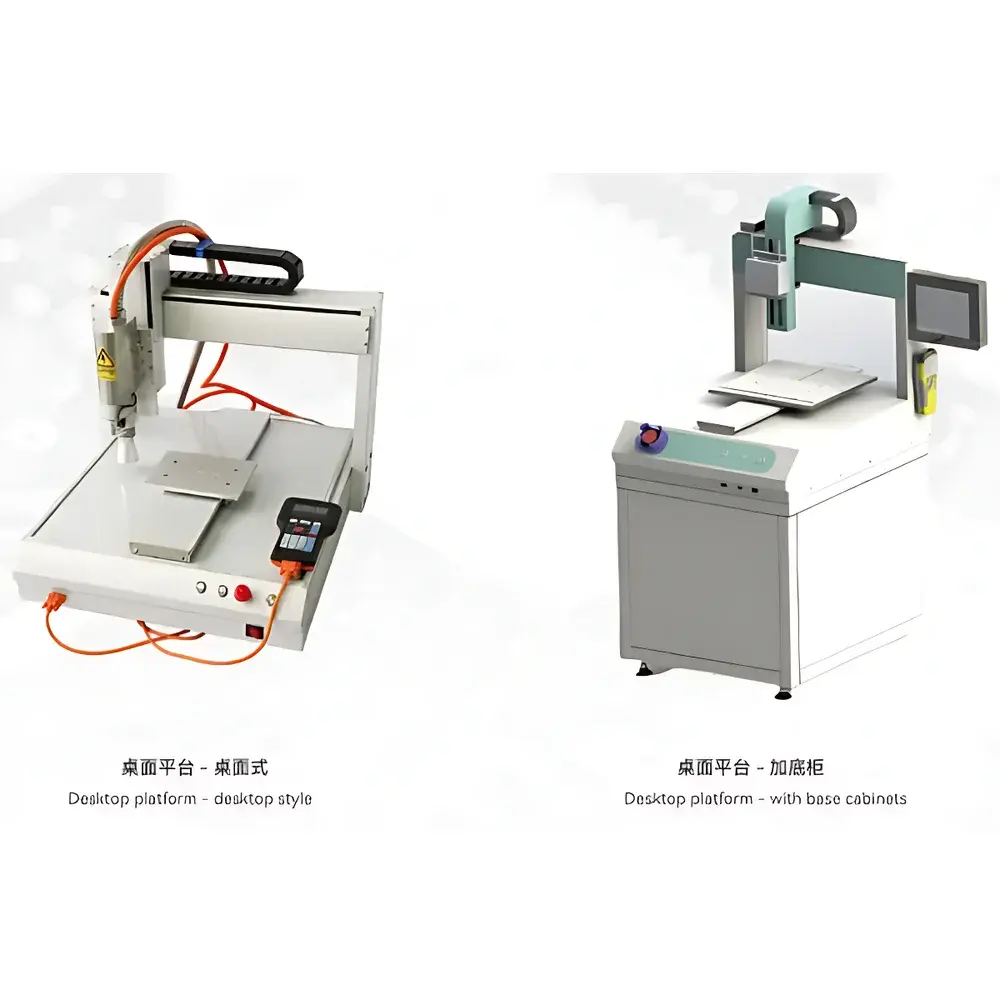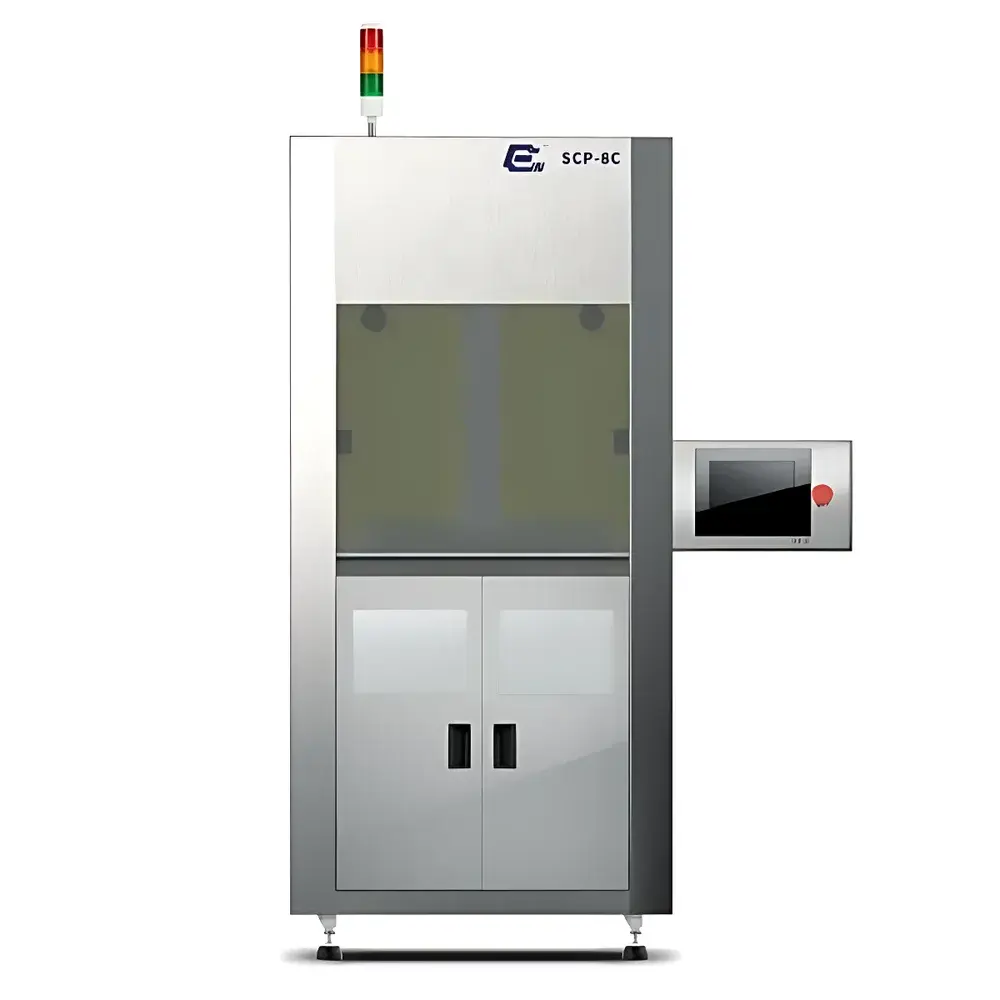
EWIN-TECH SCP-8C Full-Cabinet Spin Coater
| Brand | EWIN-TECH |
|---|---|
| Origin | Shanghai, China |
| Manufacturer Type | Original Equipment Manufacturer (OEM) |
| Country of Origin | China |
| Model | SCP-8C |
| Pricing | Available Upon Request |
Overview
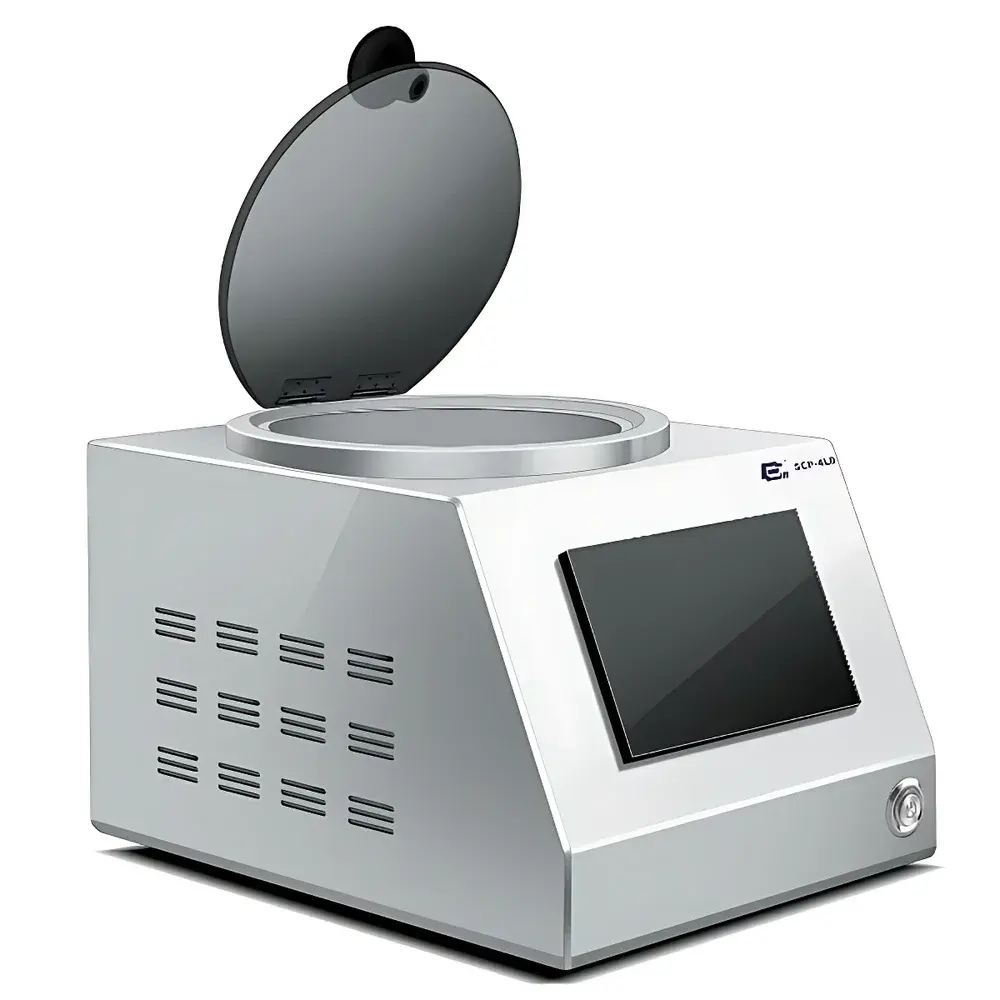
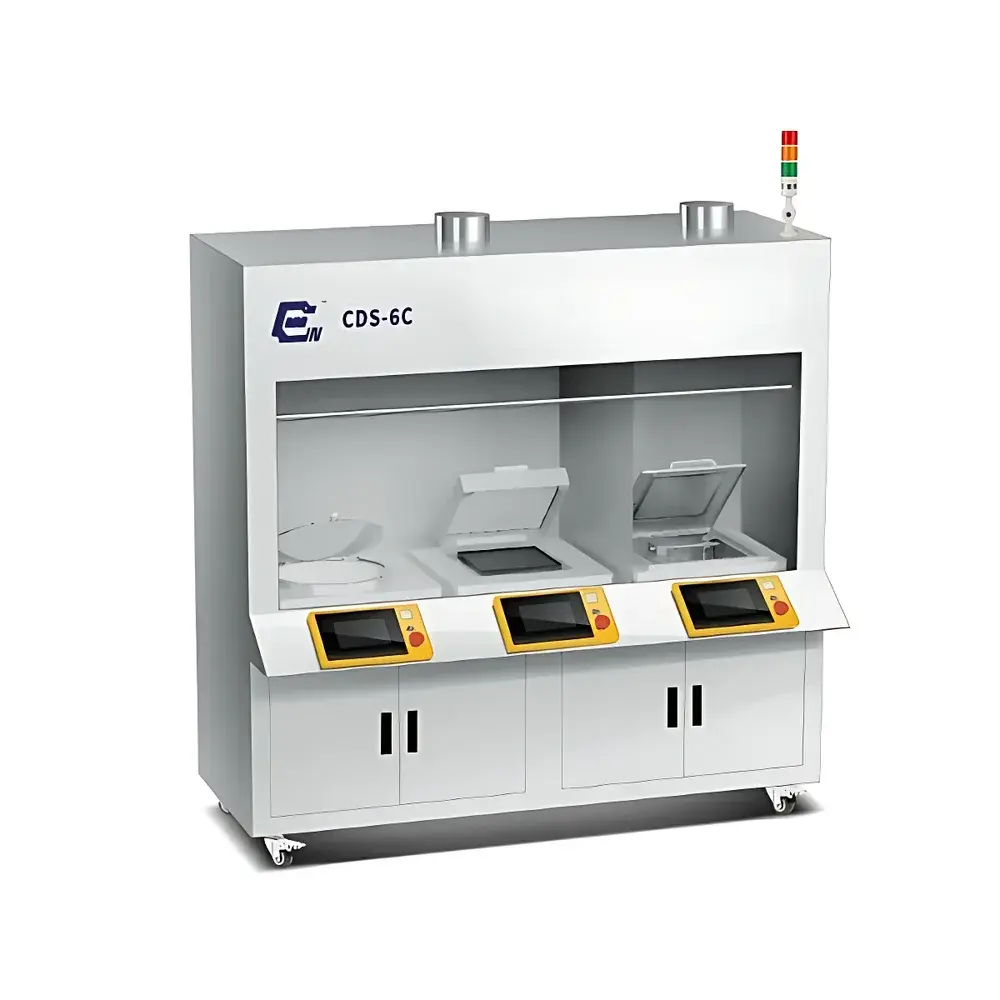
The EWIN-TECH SCP-8C Full-Cabinet Spin Coater is an integrated, benchtop-scale precision coating system engineered for R&D and pilot-line semiconductor fabrication. It operates on the principle of centrifugal force-driven thin-film deposition—where photoresist or functional polymer solutions are dispensed onto a rotating substrate, and radial acceleration governs solvent evaporation and film thickness profile formation. Designed specifically for photolithography process development, the SCP-8C supports wafers up to 200 mm (8-inch) diameter and incorporates co-located modules for spin coating, edge-bead removal (EBR), backside rinse (BSR), and programmable spray dispensing—all enclosed within a single stainless-steel cabinet architecture. Its sealed chamber, FFU (Fan Filter Unit)-based ISO Class 5 laminar airflow, and PTFE-lined interior minimize particulate contamination and chemical cross-talk, ensuring high reproducibility across repeated runs in cleanroom-adjacent environments.
Key Features
- High-precision AC servo motor drive with speed range 20–5000 rpm, ±1 rpm speed accuracy, and programmable acceleration up to 10,000 rpm/s—enabling precise control over shear rate profiles critical for resist rheology adaptation.
- Modular, multi-nozzle spray system supporting independent control of photoresist, EBR, and BSR fluids; robotic arm positioning with repeatable angular resolution (<0.5°) and variable dispensing velocity for optimized fluid dynamics at wafer edge and backside.
- Dual-compatible vacuum chuck platform with quick-swap fixtures for 150 mm (6-inch) and 200 mm (8-inch) wafers; vacuum-sealed suction cups with anti-leak geometry prevent resist infiltration beneath the substrate during high-speed rotation.
- PLC-based control architecture with 7-inch industrial touchscreen HMI; supports up to 50 user-defined recipes, each containing up to 20 sequential process steps—including dispense timing, spin ramp profiles, dwell durations, and gas purge sequences.
- Integrated resist filtration unit (0.2 µm PTFE membrane) upstream of all liquid paths to eliminate particulates that could induce defects during coating; combined with chamber-level exhaust management to suppress solvent vapor accumulation.
- Full-cabinet construction from electropolished 304 stainless steel, compliant with SEMI S2-0216 safety guidelines; includes interlocked access doors, emergency stop circuitry, and real-time vacuum/pressure monitoring for GLP-aligned operation.
Sample Compatibility & Compliance
The SCP-8C accommodates rigid planar substrates including silicon, quartz, sapphire, glass, and compound semiconductor wafers (e.g., GaAs, SiC). It supports standard thicknesses from 200 µm to 725 µm and is compatible with common photoresists (e.g., AZ®, Shipley®, TOK®), SU-8, PMMA, and conductive polymer dispersions. The system meets baseline requirements for ISO 14644-1 Class 5 cleanroom integration and conforms to CE marking directives (2014/30/EU EMC, 2014/35/EU LVD). Optional documentation packages support IQ/OQ validation per GMP Annex 15 and FDA 21 CFR Part 11 audit trails when paired with EWIN-TECH’s optional data logging module.
Software & Data Management
Process parameters are stored locally in non-volatile memory with timestamped execution logs. The embedded HMI provides real-time visualization of motor RPM, vacuum level, dispense volume, and chamber pressure. Optional Ethernet/IP or Modbus TCP connectivity enables integration into factory MES platforms. All recipe changes are logged with operator ID and timestamp; version-controlled backup files can be exported via USB for traceability in ISO 9001-certified labs. Audit trail functionality complies with ALCOA+ principles (Attributable, Legible, Contemporaneous, Original, Accurate, Complete, Consistent, Enduring, Available) for regulated R&D workflows.
Applications
- Semiconductor front-end process development: photoresist coating for mask alignment, contact/proximity lithography, and immersion lithography feasibility studies.
- MEMS and microfluidic device fabrication: uniform deposition of SU-8 for structural layers or PDMS precursor films prior to soft lithography.
- Optoelectronic research: spin-coating of perovskite precursors, quantum dot inks, or transparent conductive oxides (e.g., ITO, ZnO) on flexible or rigid substrates.
- Advanced packaging: redistribution layer (RDL) dielectric coating, under-bump metallization (UBM) passivation, and fan-out wafer-level packaging (FOWLP) resist patterning.
- Academic and national lab use: nanomaterial thin-film synthesis (e.g., graphene oxide, MXenes), antireflective coatings, and stimuli-responsive hydrogel films requiring sub-nanometer thickness repeatability.
FAQ
What wafer sizes does the SCP-8C support?
The system natively supports 150 mm (6-inch) and 200 mm (8-inch) wafers using interchangeable chucks; custom adapters for smaller substrates (e.g., 100 mm or square chips) are available upon request.
Is the SCP-8C suitable for use in a Class 100 cleanroom?
Yes—the integrated FFU delivers ≥99.99% particle removal efficiency at 0.3 µm and maintains laminar flow across the entire coating zone, enabling direct placement in ISO Class 5 (Class 100) environments without external cleanroom integration.
Can the system handle high-viscosity resists (>50 cP)?
It supports viscosities up to 200 cP when used with heated dispense lines (optional) and low-shear nozzles; recommended for resists with Newtonian or mildly shear-thinning behavior.
Does the SCP-8C include data export capabilities for quality documentation?
Yes—process logs, recipe versions, and operator actions are exportable as CSV or PDF reports; optional software add-ons enable automated report generation aligned with ISO/IEC 17025 laboratory accreditation requirements.
What maintenance intervals are recommended for long-term reliability?
Vacuum filter replacement every 6 months, FFU pre-filter cleaning biweekly, and annual calibration of motor encoder and pressure sensors—documented in the included Preventive Maintenance Manual (PMM) compliant with ISO 55001 asset management standards.