ExtraSolution PackPerm Oxygen Transmission Rate (OTR) Analyzer
| Brand | ExtraSolution |
|---|---|
| Origin | Italy |
| Manufacturer Type | Authorized Distributor |
| Origin Category | Imported |
| Model | PackPerm |
| Pricing | Available Upon Request |
Overview
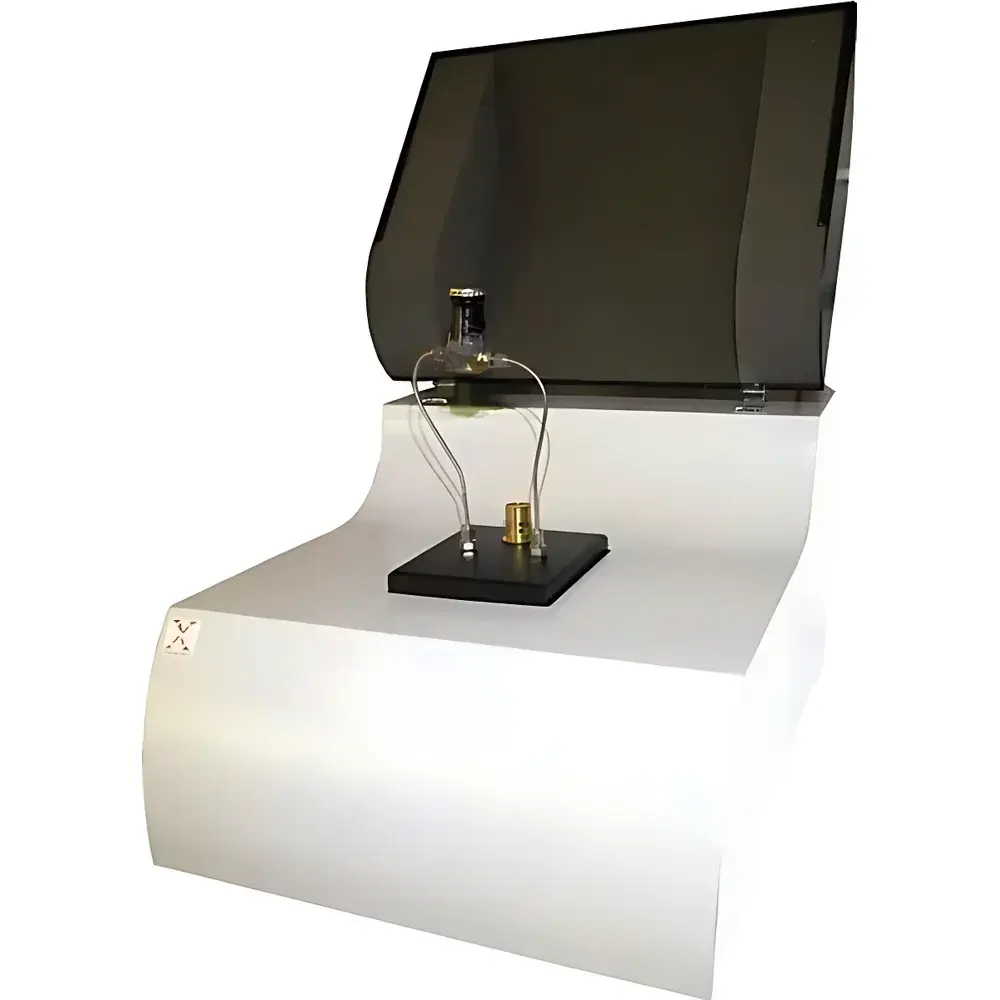
The ExtraSolution PackPerm Oxygen Transmission Rate (OTR) Analyzer is a precision-engineered instrument designed for quantitative measurement of oxygen permeation through flexible and rigid packaging materials under controlled environmental conditions. It operates on the principle of coulometric detection—a highly sensitive electrochemical method that quantifies oxygen molecules traversing a test specimen by generating a proportional electrical current. This technique enables trace-level OTR determination down to sub-cc/m²·day sensitivity, making it suitable for evaluating high-barrier films, multilayer laminates, pharmaceutical blister packs, sterile medical device pouches, and sustainable packaging alternatives including biodegradable PET bottles and PLA-based containers. Unlike pressure decay or infrared-based methods, the PackPerm delivers true diffusion-driven OTR values compliant with ASTM F1307 (Standard Test Method for Oxygen Permeability of Flexible Barrier Materials) and ISO 15105-2 (Plastics—Film and sheeting—Determination of gas transmission rate—Part 2: Coulometric detection). Its dual-chamber design allows independent regulation of temperature (ambient), oxygen partial pressure (0–100% O₂), and relative humidity (0–90% RH, non-condensing) on both test sides—enabling systematic study of environmental influence on barrier performance.
Key Features
- Coulometric oxygen sensor with sub-ppm detection limit and long-term signal stability, eliminating drift-related recalibration cycles
- Non-destructive OTR testing for open packages; minimal-invasive testing for sealed packages requiring only two 1-mm diameter access ports
- Independent control of internal and external O₂ concentration and RH—critical for simulating real-world storage conditions (e.g., headspace O₂ in pharmaceutical vials or humidity gradients across food pouches)
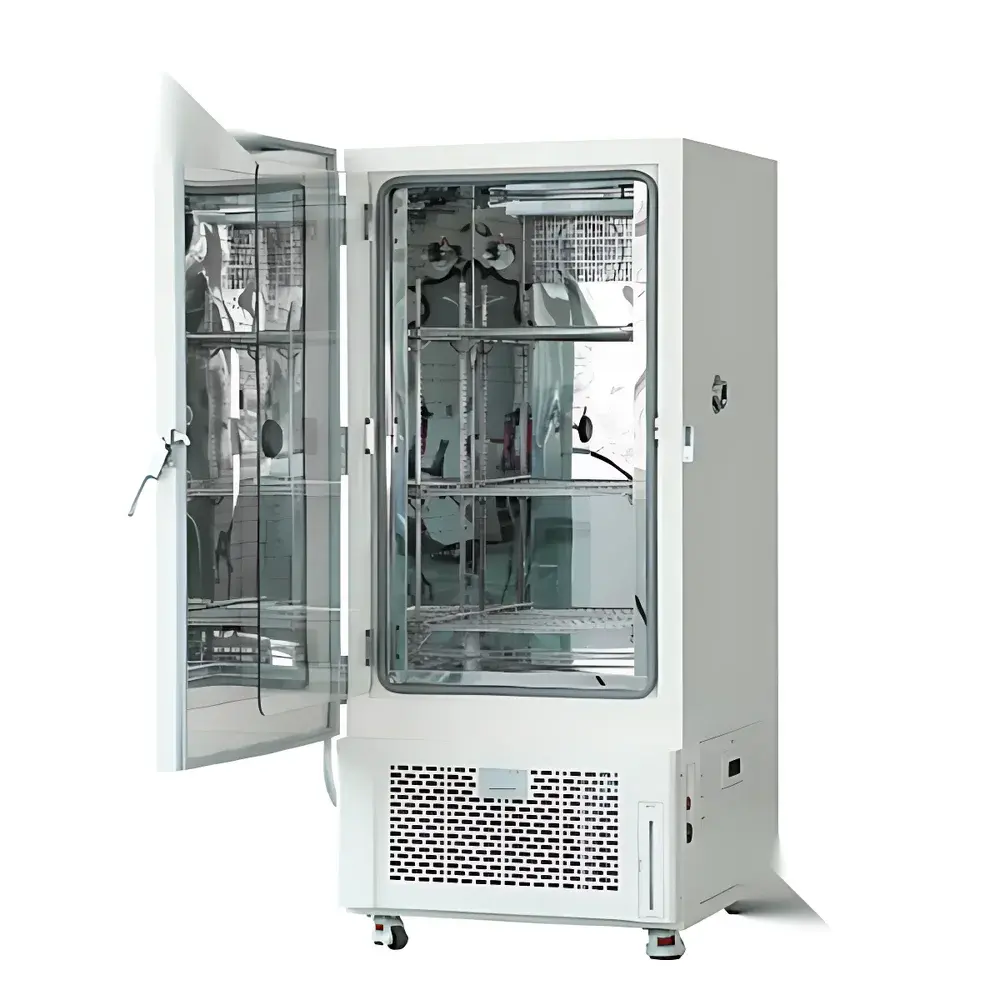
- Integrated environmental chamber maintaining uniform thermal equilibrium across sample surface without condensation risk
- Modular sample holder accommodating flat films (up to 100 mm × 100 mm), formed trays, pre-filled sachets, small bottles (≤500 mL), caps, stoppers (natural cork, synthetic elastomers), and tubular structures
- Compliance-ready architecture supporting audit trails, user access levels, and electronic signatures per FDA 21 CFR Part 11 requirements when operated with validated software configuration
Sample Compatibility & Compliance
The PackPerm supports a broad spectrum of packaging formats encountered in regulated industries: laminated foil pouches, aluminum-coated PET, EVOH-containing coextrusions, cold-form blister foils, silicone-coated paperboard, molded fiber trays, and emerging mono-material recyclable structures. It accommodates irregular geometries via custom gasket kits and conforms to ISO/IEC 17025 calibration traceability standards through NIST-traceable reference films. Testing protocols align with USP <671> (Packaging—Performance Testing), ASTM D3985 (O₂ permeability of plastic film using coulometric sensor), and EU Pharmacopoeia 2.6.18 (Permeation of gases through packaging materials). All hardware components—including sensor housing, gas manifolds, and sealing mechanisms—are constructed from electropolished stainless steel and PTFE-lined fittings to prevent catalytic O₂ decomposition or adsorption artifacts.
Software & Data Management
The PackPerm Control Suite is a Windows-based application delivering real-time OTR calculation, dynamic parameter mapping, and automated report generation. It records time-resolved sensor output, chamber environmental logs, and seal-integrity diagnostics (leak rate estimation via transient O₂ influx analysis). Data export options include CSV, PDF (with embedded metadata), and XML for LIMS integration. The software implements ALCOA+ principles: attributable, legible, contemporaneous, original, accurate, complete, consistent, enduring, and available. Audit trail functionality captures all user actions—including method edits, calibration events, and result approvals—with immutable timestamps and operator IDs. Optional IQ/OQ documentation packages are available for GMP-regulated environments requiring validation against Annex 11 and ICH Q5C guidelines.
Applications
- Quality assurance of pharmaceutical primary packaging—verifying OTR stability of blister lidding foils and HDPE vial closures across shelf life
- Development of oxygen-scavenging labels and active barrier coatings for ready-to-eat meal trays
- Comparative evaluation of natural cork vs. technical stoppers in wine bottle applications under varying RH profiles
- Accelerated aging studies correlating OTR increase with thermal stress or UV exposure in biodegradable beverage bottles
- Regulatory submission support for FDA 510(k) or CE Marking dossiers requiring barrier performance evidence per MDR Annex I, Section 10.5
- Root cause analysis of premature spoilage in nitrogen-flushed snack bags through localized OTR mapping
FAQ
What is the minimum measurable OTR value achievable with the PackPerm?
The instrument achieves a lower detection limit of 0.005 cm³/m²·day·atm at 23°C and 0% RH, verified using certified low-permeability reference films.
Can the PackPerm test packages containing liquid or semi-solid contents?
Yes—provided the internal headspace volume is ≥5 mL and the product does not outgas volatile organic compounds interfering with coulometric detection.
Is sensor recalibration required between tests?
No routine recalibration is needed; the coulometric sensor is factory-calibrated and maintains linearity over 12 months under standard operating conditions.
Does the system support custom test atmospheres beyond air and nitrogen?
Yes—via optional mass flow controllers, users may introduce defined gas mixtures (e.g., 1% O₂ in CO₂) to simulate modified atmosphere packaging (MAP) environments.
How is leak detection distinguished from true permeation in the software?
The algorithm applies first-order kinetic modeling to differentiate exponential permeation curves from linear leakage profiles based on temporal response characteristics and pressure-independent O₂ flux behavior.