
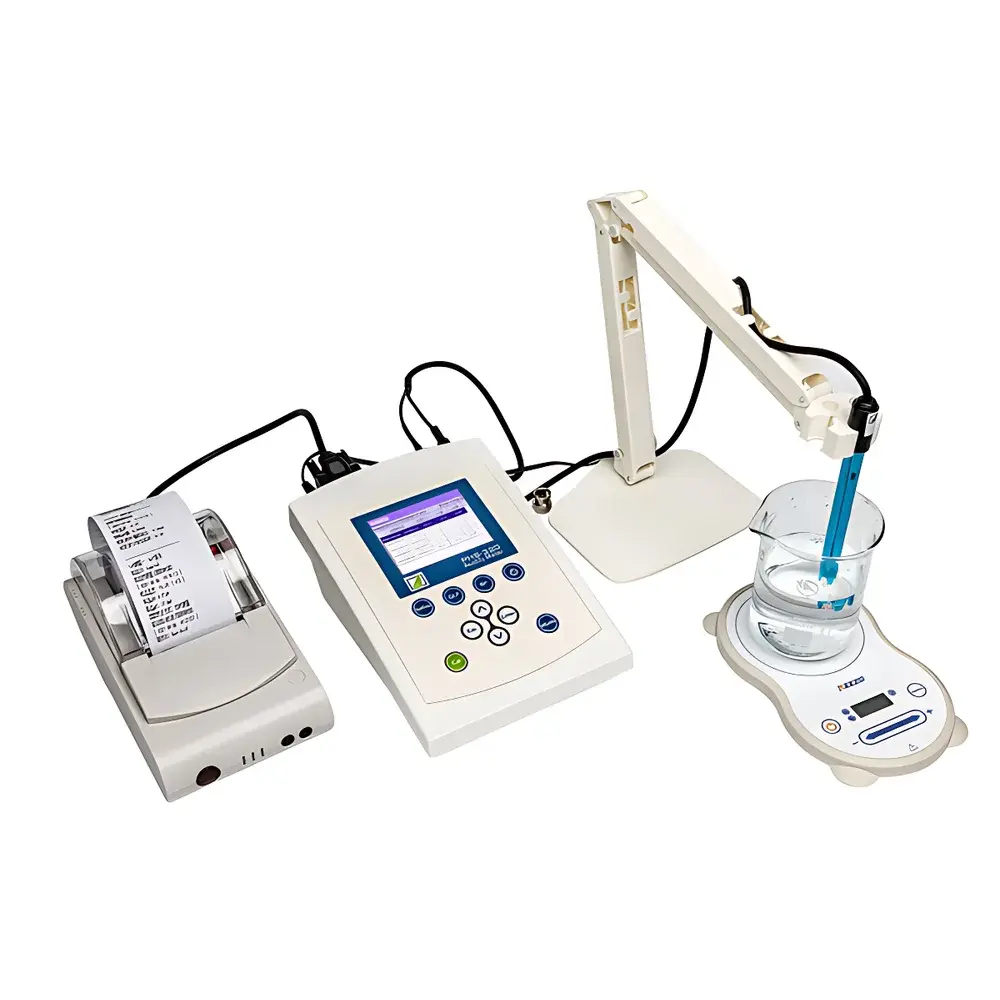
FangZhou PHS-320 Advanced Benchtop pH/mV/ISE Meter
| Brand | FangZhou |
|---|---|
| Origin | Sichuan, China |
| Model | PHS-320 |
| Instrument Type | Multifunctional Benchtop Electrochemical Analyzer |
| Parameter Types | pH, mV, Rel.mV, ORP, ISE, Temperature (T) |
| Measurement Accuracy | ±0.002 pH |
| pH Range | −5.000 to +20.000 pH |
| Resolution | 0.001 / 0.01 / 0.1 pH (user-selectable) |
| mV Range | −2000.00 to +2000.00 mV |
| mV Resolution | 0.01 / 0.1 / 1 mV (user-selectable) |
| Temperature Range | −20.0 to +135.0 °C |
| Temp. Resolution | 0.1 °C |
| Temp. Accuracy | ±0.2 °C ±1 digit |
| Input Impedance | ≥3 × 10¹² Ω |
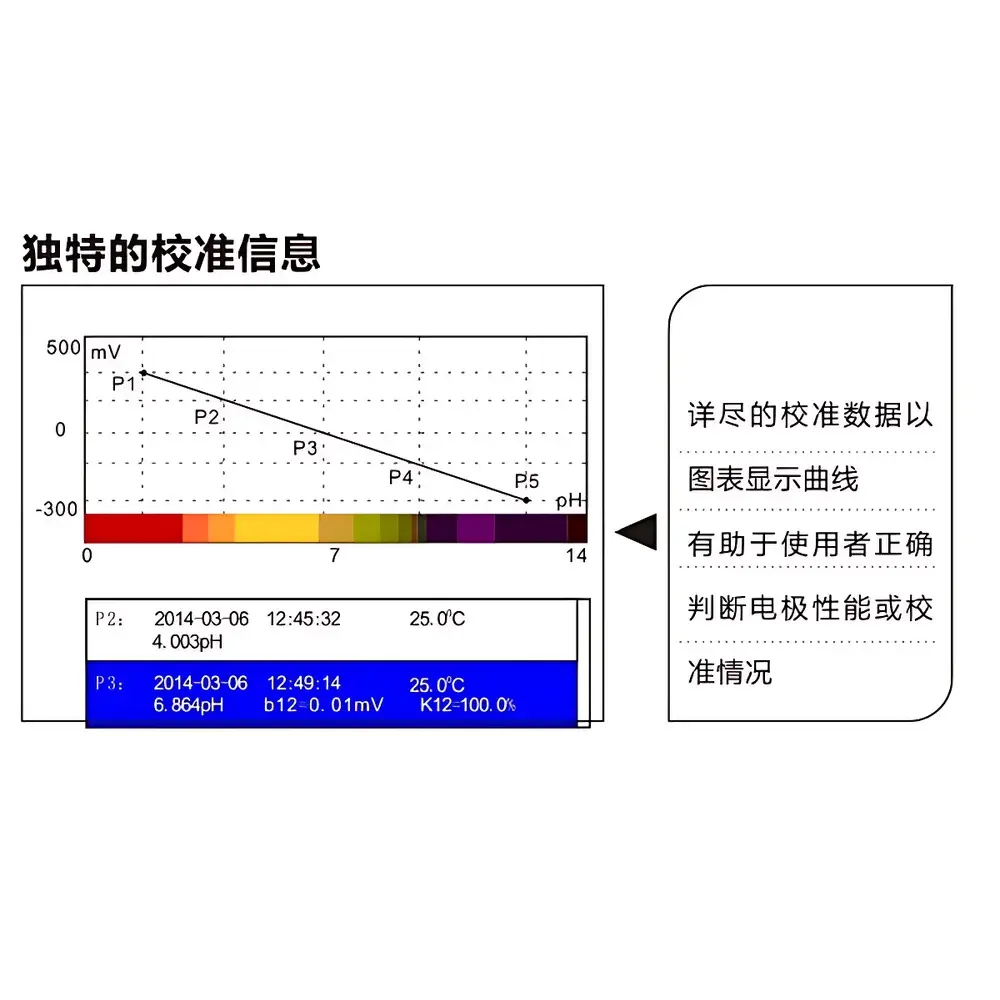
| Calibration Points | 1–5 point auto-recognized pH calibration |
| Supported Buffers | 33 NIST-traceable standards across 7 international groups (JJG119, METTLER TOLEDO US/EU, Merck, DIN 19266/NIST, DIN 19267, JIS Z8802) |
| ATC | Automatic & Manual Temperature Compensation |
| Isopotential Adjustment Range | −20.000 to +20.000 pH |
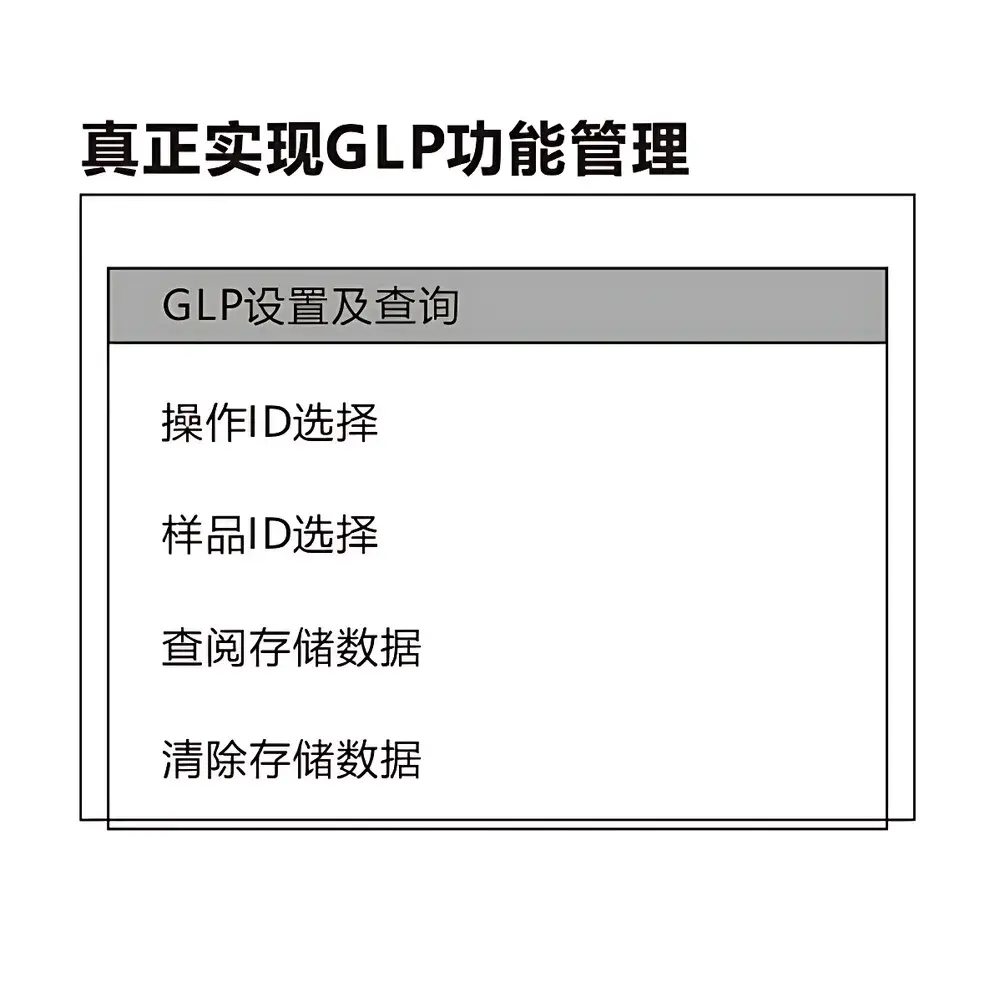
| Data Storage | ≥100,000 records with GLP-compliant metadata (Sample ID ×10, Operator ID ×10, timestamp, calibration history, electrode status) |
| Interface | RS232 with three operational modes (printer output, PC data export to Excel/Word/Notepad, bidirectional instrument control) |
| Power | DC 9 V, 500 mA (center-positive) |
Overview
The FangZhou PHS-320 is a microprocessor-controlled, high-precision benchtop electrochemical analyzer engineered for rigorous laboratory environments requiring trace-level pH, redox potential (ORP), ion activity (ISE), and millivolt (mV) measurements. Based on potentiometric principle using a glass pH electrode and reference system, the instrument measures the electromotive force generated at the interface between sample solution and sensing membrane—converted into pH values via the Nernst equation. Its extended measurement range (−5.000 to +20.000 pH) supports highly acidic, alkaline, and non-aqueous media, while its ≥3 × 10¹² Ω input impedance ensures minimal loading error during low-conductivity measurements such as ultrapure water or organic solvents. Designed in compliance with international metrological standards—including JJG119 (China), DIN 19266/NIST (Germany), and JIS Z8802 (Japan)—the PHS-320 delivers metrologically traceable results suitable for regulatory submissions and quality assurance workflows.
Key Features
- True-color TFT LCD display with graphical curve visualization, intuitive menu navigation, and dual time/date stamping for audit-ready timestamping
- User-selectable resolution modes: 0.001 pH / 0.01 mV (high-precision mode) or coarser steps for rapid screening
- Five configurable measurement modes: Real-time, Timed, Auto-Fast, Auto-Medium, and Auto-Slow—optimized for dynamic equilibration kinetics in viscous, colloidal, or low-ionic-strength samples
- Isopotential adjustment (−20.000 to +20.000 pH) enabling compatibility with zero-potential electrodes including specialized Ag/AgCl and calomel variants
- Comprehensive self-diagnostic suite evaluating electrode slope, asymmetry potential, response time, and internal reference stability—flagging deviations before measurement invalidation
- Automatic temperature compensation (ATC) with dual-mode support: integrated Pt1000 sensor or manual entry; compensation range spans −20.0 to +135.0 °C
- GLP-compliant data governance: embedded storage of ≥100,000 records with full metadata (sample ID, operator ID, calibration logs, electrode serial number, environmental conditions)
Sample Compatibility & Compliance
The PHS-320 accommodates diverse sample matrices through application-specific electrode configurations—validated per ISO/IEC 17025 and aligned with FDA 21 CFR Part 11 data integrity expectations. Dedicated electrode kits include FZ-600T general-purpose electrodes (for pharmaceutical buffers, cell culture media, and titration endpoints), low-resistance glass membranes for pure water (USP compliant), double-junction probes for sulfide- or protein-rich suspensions, and food-grade stainless-steel puncture electrodes for solid/semi-solid matrices (e.g., cheese, fruit pulp). All buffer sets are certified against NIST-traceable standards, and calibration verification follows ASTM D1293 (water pH) and USP (pH measurement procedures). The instrument’s architecture meets GLP requirements for electronic record retention, audit trails, and user access control—enabling seamless integration into GMP-regulated QC laboratories.
Software & Data Management
Data export and instrument control occur via RS232 interface supporting three interoperable protocols: (1) Direct printing to thermal printers in GLP-formatted reports—including calibration certificates, raw data tables, and trend graphs; (2) Bidirectional communication with Windows-based PCs, enabling real-time streaming and batch export to Excel (.xlsx), Word (.docx), or plain-text (.txt) formats without proprietary software dependencies; (3) Command-line instrument control for automated workflows within LIMS or custom Python/Matlab scripts. All stored entries retain immutable timestamps, operator credentials, and electrode performance metrics—satisfying ALCOA+ principles (Attributable, Legible, Contemporaneous, Original, Accurate, Complete, Consistent, Enduring, Available) for regulatory audits.
Applications
The PHS-320 serves critical functions across regulated and research-intensive domains: pH monitoring of WFI (Water for Injection) and Purified Water per USP ; endpoint detection in acid-base titrations for API synthesis; ORP tracking in wastewater bioreactors; ISE quantification of fluoride, chloride, or ammonium in environmental samples; and surface pH mapping of hydrogels or dermal formulations using planar electrodes. Its multi-parameter capability supports method development in bioprocessing (e.g., fermentation broth pH/potential correlation), food safety testing (ISO 21569 for acidic preservation validation), and electrochemical corrosion studies under simulated industrial conditions.
FAQ
Does the PHS-320 support 21 CFR Part 11 compliance?
Yes—the instrument implements role-based user authentication, electronic signatures, and immutable audit trails for all calibration, measurement, and data export events.
Can it measure pH in non-aqueous solvents like ethanol or DMSO?
Yes—its extended range and high-input-impedance design enable stable readings in low-dielectric media when paired with solvent-compatible electrodes and appropriate calibration standards.
What buffer standards are preloaded in the auto-recognition library?
33 NIST-traceable solutions across seven internationally recognized sets, including DIN 19266, JIS Z8802, and METTLER TOLEDO US/EU formulations.
Is temperature compensation mandatory during pH measurement?
No—manual temperature entry is supported, but ATC is recommended for thermally sensitive samples where drift may exceed ±0.002 pH/°C.
How is electrode health monitored in real time?
The self-diagnostic engine continuously evaluates slope deviation (>95% ideal), asymmetry potential shift (>±30 mV), and response time (>2 sec to 95% equilibrium)—alerting users prior to data rejection.





