
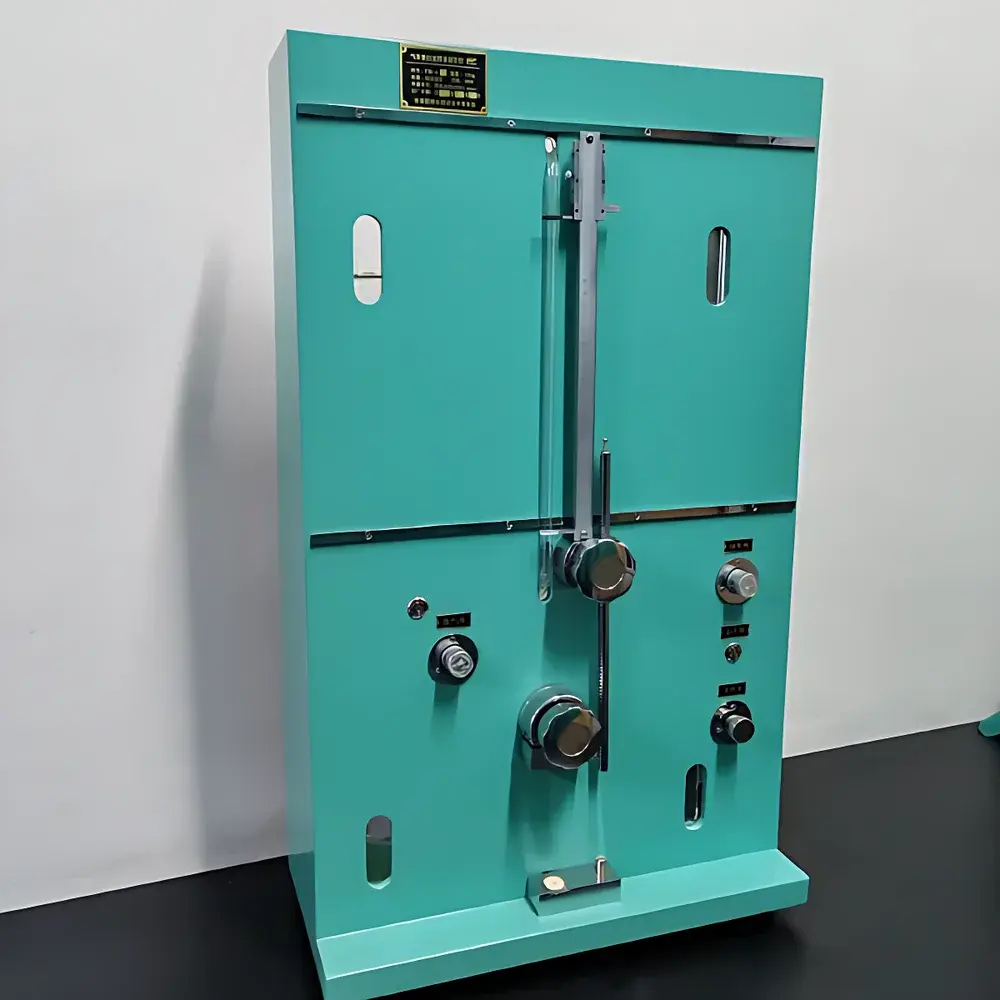
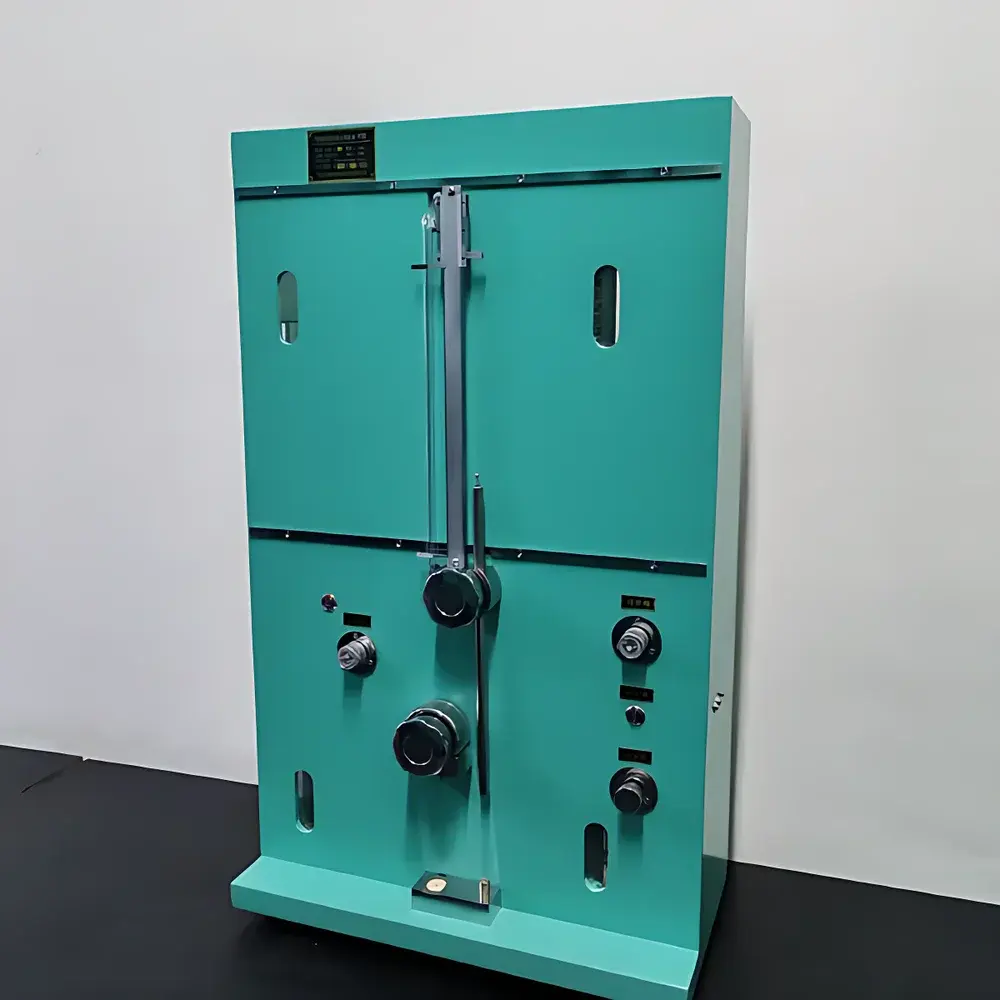
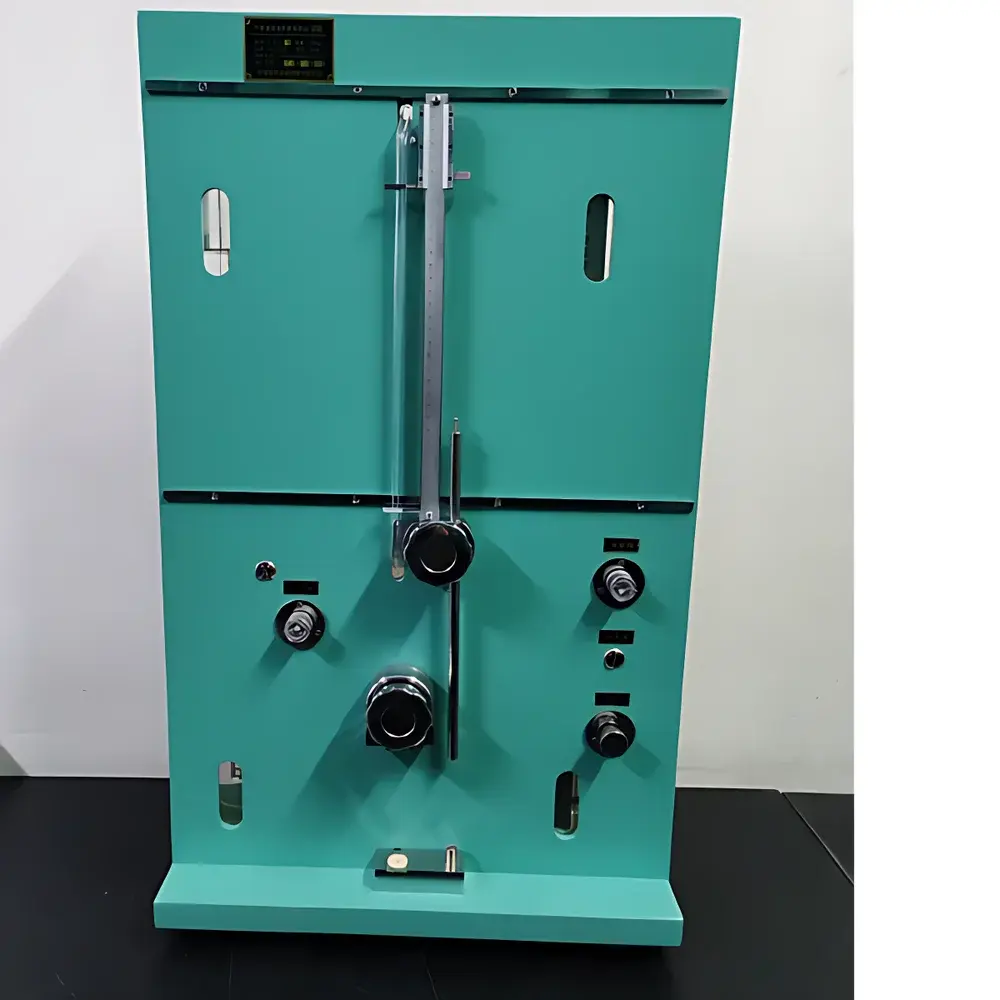
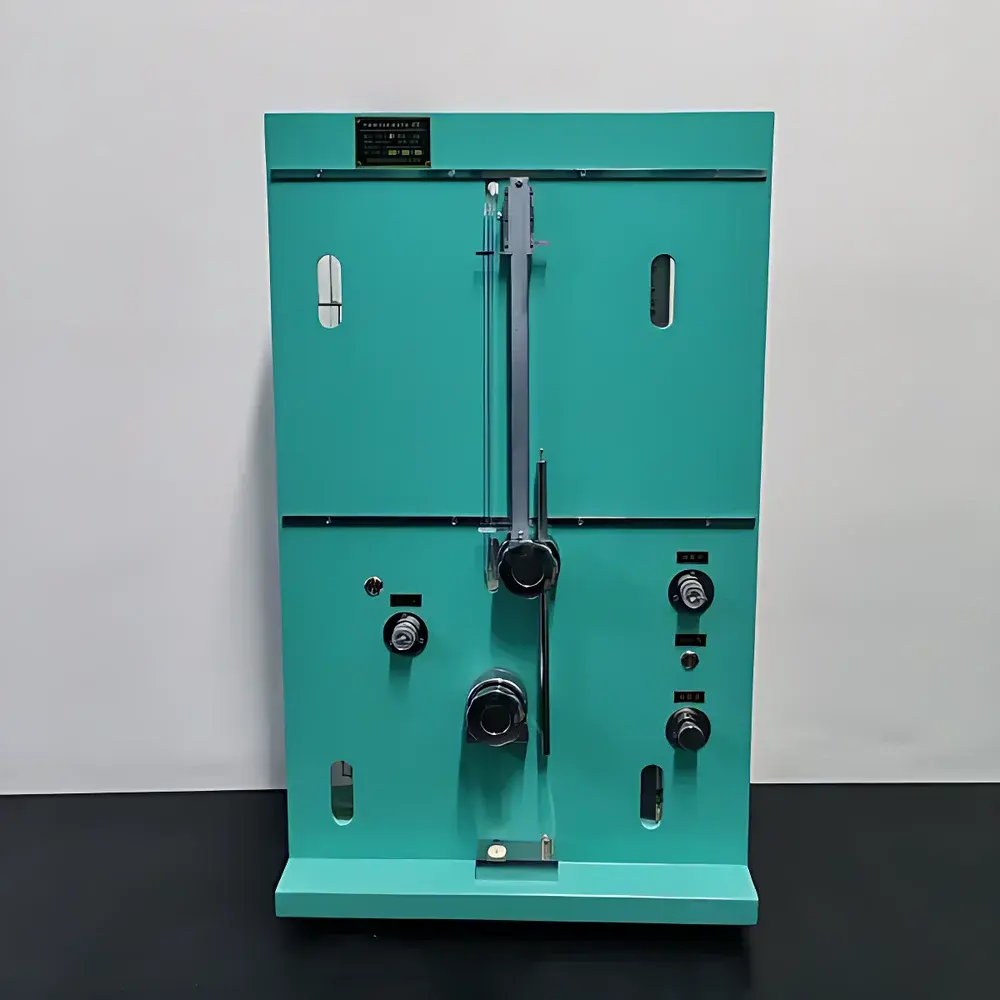
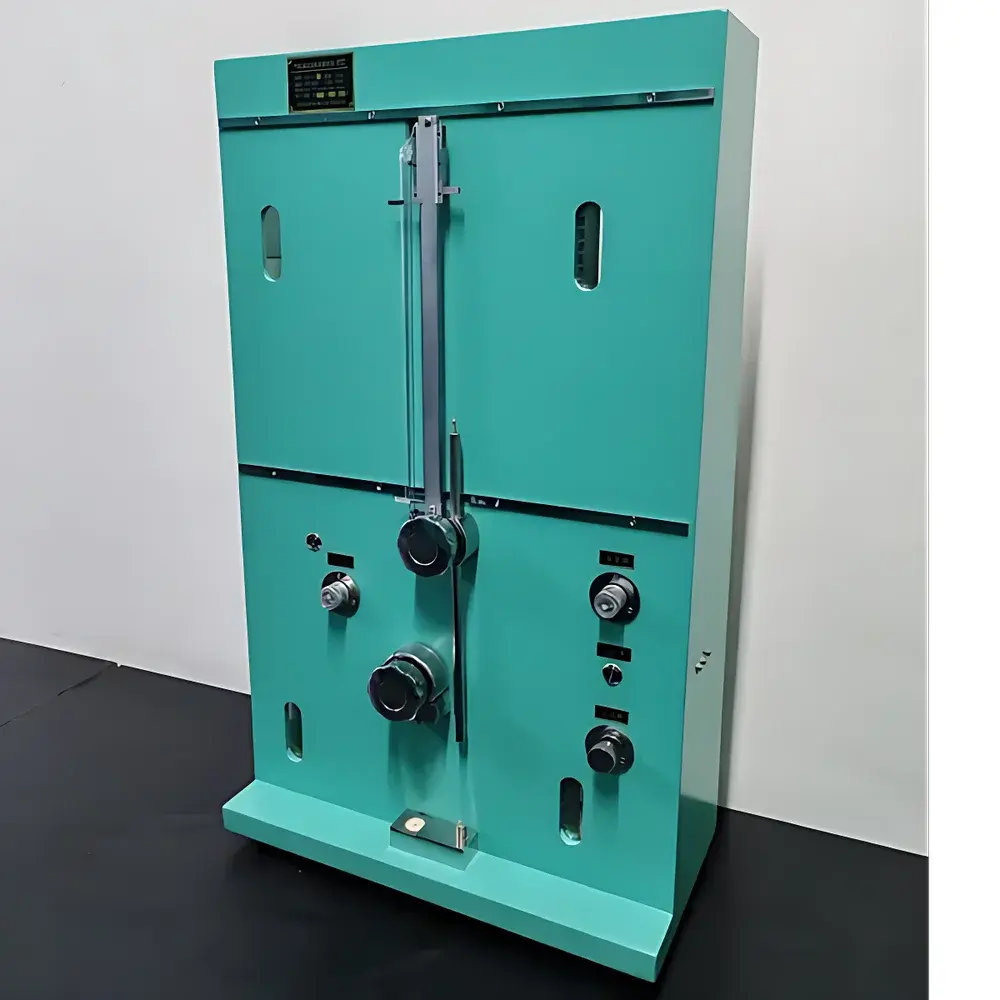
Fisher Sub-Sieve Sizer Aode305-11231
| Brand | Aode |
|---|---|
| Origin | Liaoning, China |
| Manufacturer Type | Direct Manufacturer |
| Country of Origin | Domestic (China) |
| Model | Aode305-11231 |
| Product Type | Intelligent |
| Display Interface | PC-based Software |
| Measurement Range | 0.20–50 µm |
| Repeatability | ±3% |
| Porosity Range | 0.25–0.95 |
| Inlet Gas Pressure | 3 kPa |
Overview
The Fisher Sub-Sieve Sizer Aode305-11231 is an intelligent, benchtop particle size analyzer engineered for rapid and reproducible determination of average particle size (Dk) and specific surface area of dry, free-flowing powders via the constant-pressure air permeability method—commonly known as the “Zhang Ruifu Method.” This technique is fully compliant with GB/T 11107–1989 (Chinese National Standard) and ISO 10070:1991 (International Standard), both of which define the theoretical and procedural framework for calculating particle size from air flow resistance through a consolidated powder bed under laminar, viscous flow conditions. Unlike laser diffraction or dynamic light scattering instruments, the Aode305-11231 operates on Darcy’s law and the Kozeny-Carman equation, where measured pressure drop (ΔP) across a uniformly compacted sample bed—of known mass (m), thickness (L), and porosity (εp)—is directly related to the equivalent spherical particle diameter (Dk). Its core measurement principle targets the *viscous-flow equivalent particle size*, making it especially suitable for fine and ultrafine metallic, ceramic, pharmaceutical, and catalyst powders in the 0.20–50 µm range where sedimentation or optical methods face resolution or dispersion limitations.
Key Features
- Intelligent PC-based control interface with automated data logging, eliminating manual interpolation or slide-rule calculation
- Stable 3 kPa regulated inlet gas pressure system with integrated water-column manometer and precision bleed valve for ±0.5 mm H2O pressure stability
- Dual-mode operation: supports both direct reading (via calibrated graphical nomograph) and full parametric computation (Dk, Dv, Sk, Sv, Sw) based on user-input εp, L, H, and α (loading factor)
- Robust mechanical design featuring stainless-steel sample tubes, sintered bronze frits, calibrated porous plugs, and quick-clamp mounting for repeatable bed compaction
- Integrated desiccation unit with color-indicating silica gel (blue → pink transition signals moisture saturation)
- Compliant with GLP documentation requirements: all test parameters—including date/time stamp, operator ID, sample ID, porosity, bed thickness, ΔP, and calculated Dk—are timestamped and exportable in CSV format
Sample Compatibility & Compliance
The Aode305-11231 is validated for use with non-agglomerated, dry, granular materials including metal powders (Fe, Cu, Ni, Ti alloys), oxide ceramics (Al2O3, ZrO2), pharmaceutical excipients (lactose, microcrystalline cellulose), catalyst supports (SiO2, activated carbon), and nuclear fuel precursors. Sample preparation requires precise mass measurement (±0.001 g), controlled bed compaction, and verification of uniform porosity (0.25–0.95). The instrument meets metrological traceability requirements per ISO/IEC 17025:2017 when operated within specified environmental conditions: ambient temperature 25 ± 12 °C, RH < 80%, and vibration-free benchtop placement. It is not intended for wet slurries, fibrous, or highly cohesive materials without prior drying and deagglomeration.
Software & Data Management
The proprietary PC software provides real-time monitoring of airflow stabilization, automatic detection of steady-state ΔP, and one-click calculation of Dk using Equation Dk = 5.34 × L (where L is bed thickness in cm). Users may input measured H (U-tube water column height in cm), m (sample mass in g), ρe (effective density in g/cm³), and α to compute Dv (full surface-area-equivalent size) and Sv (total specific surface area in m²/g) per ISO 10070 Annex B. All raw and derived values are stored with audit trail metadata compliant with FDA 21 CFR Part 11 (electronic signature support optional via third-party PKI integration). Export formats include CSV, PDF test reports, and Excel-compatible templates aligned with ASTM E2856–22 reporting conventions.
Applications
- Quality control of atomized metal powders for additive manufacturing feedstock qualification
- Batch release testing of pharmaceutical active ingredients per USP “Particle Size Distribution” guidelines
- Process optimization in powder metallurgy sintering cycles via correlation of Dk with green density and shrinkage behavior
- Characterization of catalyst carriers where surface area governs catalytic activity (e.g., Pt/Al2O3)
- Research-grade validation of nanoparticle agglomeration state via comparison of Dk (permeability-derived) vs. D50 (from TEM or BET)
- Regulatory submission support for FDA IND/ANDA filings requiring orthogonal particle sizing methodology
FAQ
What physical principle does the Aode305-11231 rely on?
It applies the Zhang Ruifu Method—a standardized air permeability technique grounded in laminar gas flow theory (Poiseuille flow) through porous media, correlating pressure drop across a fixed-thickness powder bed to its equivalent spherical particle diameter.
Is calibration required before each test?
Yes—daily verification of U-tube manometer zero baseline, inlet pressure stability at 500 mm H2O, and precision valve response using the supplied certified reference tube is mandatory per GB/T 11107–1989 Section 6.2.
Can the instrument measure nanoparticles below 0.2 µm?
While the stated lower limit is 0.20 µm, sub-100 nm particles may be assessed indirectly via Dv calculation if δ (shape correction factor) is determined experimentally or referenced from published δ–β curves—but such analysis falls outside routine QC scope and requires expert interpretation.
Does it comply with FDA 21 CFR Part 11?
The base software provides timestamped, non-editable records; full Part 11 compliance (including electronic signatures and audit trail encryption) requires deployment on a validated Windows domain environment with IT-managed access controls.
How is porosity (εp) determined during operation?
εp is calculated in real time using Equation εp = 1 − (m / (ρe × A × L)), where A is the cross-sectional area of the sample tube (fixed at 2.00 cm²), L is measured bed thickness (mm), and ρe is provided by the user or material database.



