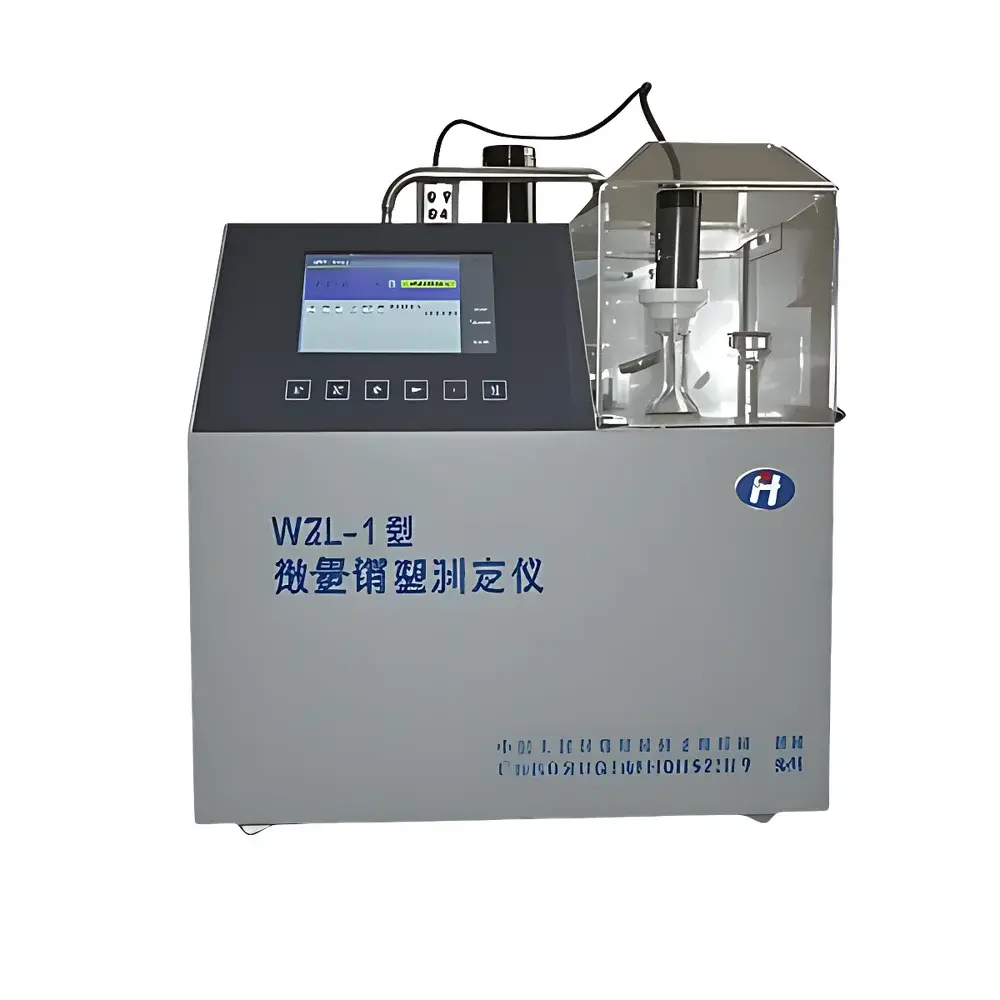
Forerunner ZY-800KB Kirby-Bauer Zone of Inhibition Analyzer with Integrated Antimicrobial Susceptibility Testing (AST) Decision Support System
| Brand | Forerunner |
|---|---|
| Model | ZY-800KB |
| Origin | Beijing, China |
| Manufacturer Type | Authorized Distributor |
| Country of Origin | China |
| Pricing | Available Upon Request |
Overview
The Forerunner ZY-800KB Kirby-Bauer Zone of Inhibition Analyzer is a CE-compliant, ISO 15197–aligned digital imaging system engineered for standardized antimicrobial susceptibility testing (AST) in clinical microbiology laboratories. It implements the CLSI M02-A12 and EUCAST v13.0 methodologies for disk diffusion assays, capturing high-resolution monochrome images of Mueller-Hinton agar plates inoculated with standardized suspensions (0.5 McFarland) and impregnated with commercially available antibiotic-impregnated disks. The system employs calibrated CCD imaging, geometric distortion correction, and pixel-based edge-detection algorithms to quantify inhibition zone diameters with ≤0.2 mm repeatability across repeated measurements under controlled ambient lighting conditions. Designed for integration into routine diagnostic workflows, it supports full traceability of raw image data, measurement metadata, and interpretive outputs in accordance with CLIA, CAP, and ISO 15189 quality management requirements.
Key Features
- Intelligent background compensation algorithm that automatically suppresses plate markings, manufacturer logos, and handwritten annotations without compromising zone edge fidelity.
- Non-restrictive disk placement recognition: detects irregularly positioned or partially overlapping antibiotic disks using adaptive contour segmentation—no pre-alignment fixtures or fiducial markers required.
- Embedded AST interpretation engine compliant with CLSI M100-S33 and EUCAST 2023 breakpoints; includes configurable rulesets for ESBL, AmpC, carbapenemase, and MRSA/MRSE phenotypic confirmation.
- Real-time clinical decision support: flags critical resistance patterns (e.g., cefoxitin-resistant Staphylococcus aureus, ceftazidime-avibactam non-susceptibility in Pseudomonas aeruginosa) with contextual alerts based on organism identification and local epidemiology profiles.
- Firmware and rulebase updates delivered via secure HTTPS channel; version-controlled update logs retained for audit trail compliance.
- Modular reporting framework supporting over 35 predefined templates aligned with WHO GLASS, CDC NHSN, and national AMR surveillance protocols—including customizable headers, multilingual text fields, and PDF/A-1b archival export.
- Open relational database architecture (SQLite3 with optional PostgreSQL migration path); enables user-defined breakpoint tables, custom organism groupings, and retrospective re-interpretation using updated guidelines.
Sample Compatibility & Compliance
The ZY-800KB accommodates standard 90 mm and 150 mm Petri dishes with transparent or frosted polystyrene bases. It accepts all FDA-cleared and CE-marked commercial antibiotic disks (Oxoid, BD BBL, Thermo Fisher, Liofilchem), including combination disks for synergy testing (e.g., amoxicillin-clavulanate, ceftazidime-avibactam). Calibration verification is performed using NIST-traceable reference zones printed on certified test slides (ZI-STD-01). The system meets IEC 61000-4 electromagnetic compatibility standards and operates within Class II biological safety cabinet-compatible environmental parameters (15–30°C, 30–70% RH, non-condensing). All data handling conforms to HIPAA-compliant de-identification protocols and supports 21 CFR Part 11–compliant electronic signatures when deployed with validated authentication modules.
Software & Data Management
The proprietary Forerunner AST Suite v4.2 provides role-based access control (RBAC), automated audit logging (user actions, timestamped image captures, breakpoint modifications), and encrypted local storage with optional AES-256 backup to network-attached storage (NAS). Raw TIFF images, annotated zone overlays, and structured CSV/HL7 v2.5 exports are generated per test. LIS/HIS integration is achieved via ASTM E1384-compliant middleware or direct HL7 ADT/ORU message exchange. Audit trails include operator ID, instrument serial number, calibration status, and software version hash—fully retrievable for internal QA reviews or external accreditation audits (e.g., CAP Microbiology Checklist MIB.42500).
Applications
This system is routinely deployed in hospital clinical microbiology labs for routine AST of Gram-positive cocci (including Enterococcus spp.), Gram-negative bacilli (Escherichia coli, Klebsiella pneumoniae, Pseudomonas aeruginosa, Acinetobacter baumannii), and fastidious organisms (Haemophilus influenzae, Streptococcus pneumoniae). It supports outbreak investigation workflows through batch analysis of isolate clusters, longitudinal resistance trend visualization, and automated generation of WHONET-compatible datasets. Research applications include evaluation of novel antimicrobial agents, validation of rapid AST methods, and correlation studies between phenotypic zone diameters and genotypic resistance markers.
FAQ
Does the ZY-800KB support automated MIC determination?
No—it performs disk diffusion zone measurement only. MIC values must be derived indirectly using CLSI/EUCAST correlation tables or confirmed via broth microdilution or gradient strip methods.
Can the system validate CLSI M02-A12 plate preparation criteria?
Yes—software includes built-in checks for agar depth uniformity (via optical density profiling), disk spacing compliance (>24 mm center-to-center), and incubation condition logging (temperature/humidity/time stamps if integrated with environmental sensors).
Is FDA 510(k) clearance available for this device?
The ZY-800KB is registered with China NMPA as a Class II medical device (Registration No. 京械注准20222220123); FDA submission is not currently pursued. Clinical use in the U.S. requires laboratory-developed test (LDT) validation per CLIA regulations.
How frequently are breakpoint databases updated?
Rulebase updates are issued quarterly, aligned with CLSI M100 and EUCAST annual releases; users receive automated notifications and can schedule off-peak deployment windows.
What image resolution and lighting specifications ensure reproducibility?
Imaging module delivers 4800 × 3200 pixel resolution at 96 dpi with uniform LED illumination (5000K CCT, ±5% intensity variation across field-of-view), validated per ISO 15197 Annex D protocols.