
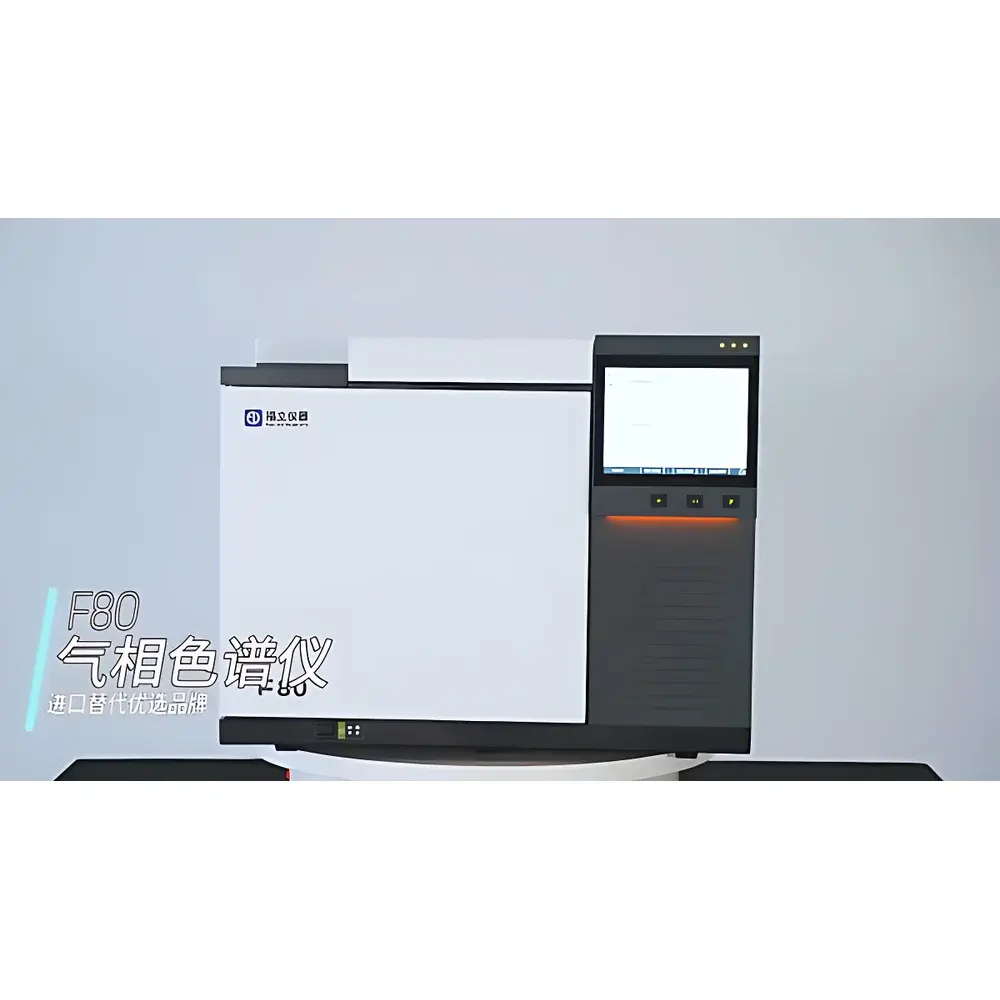
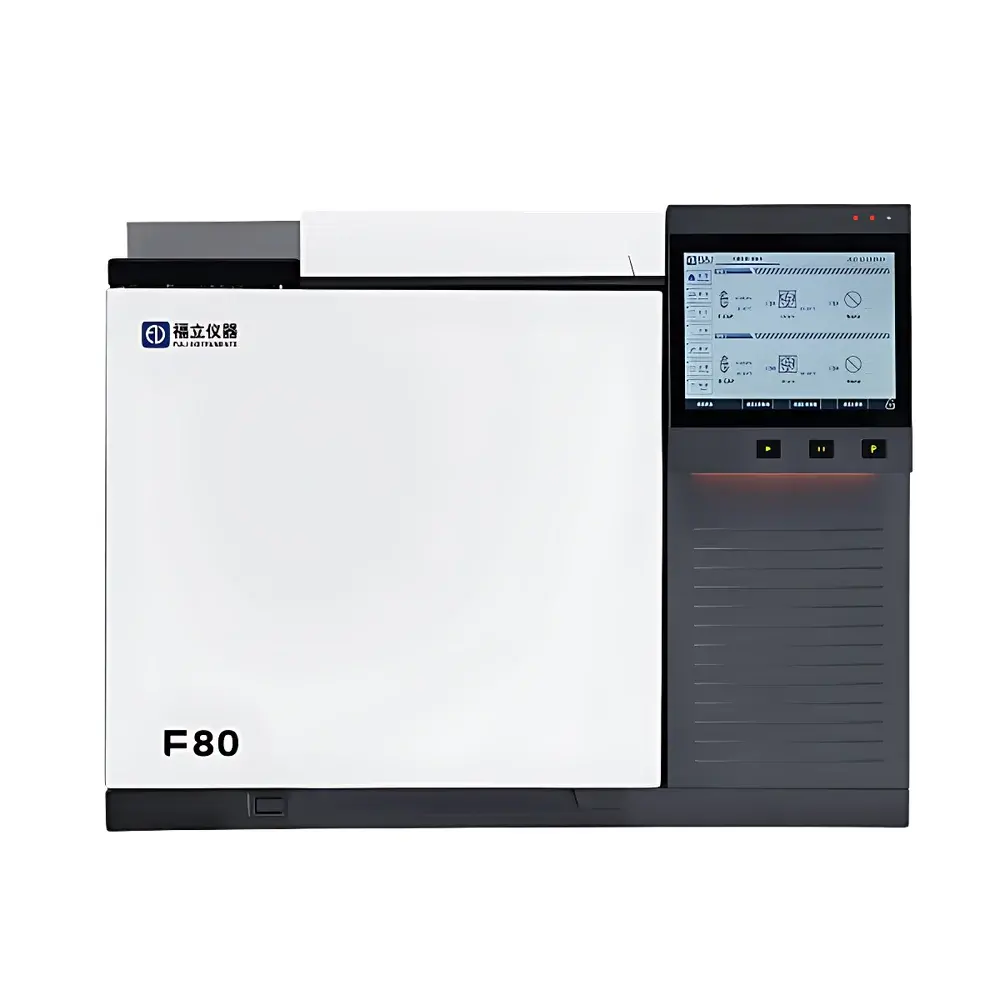
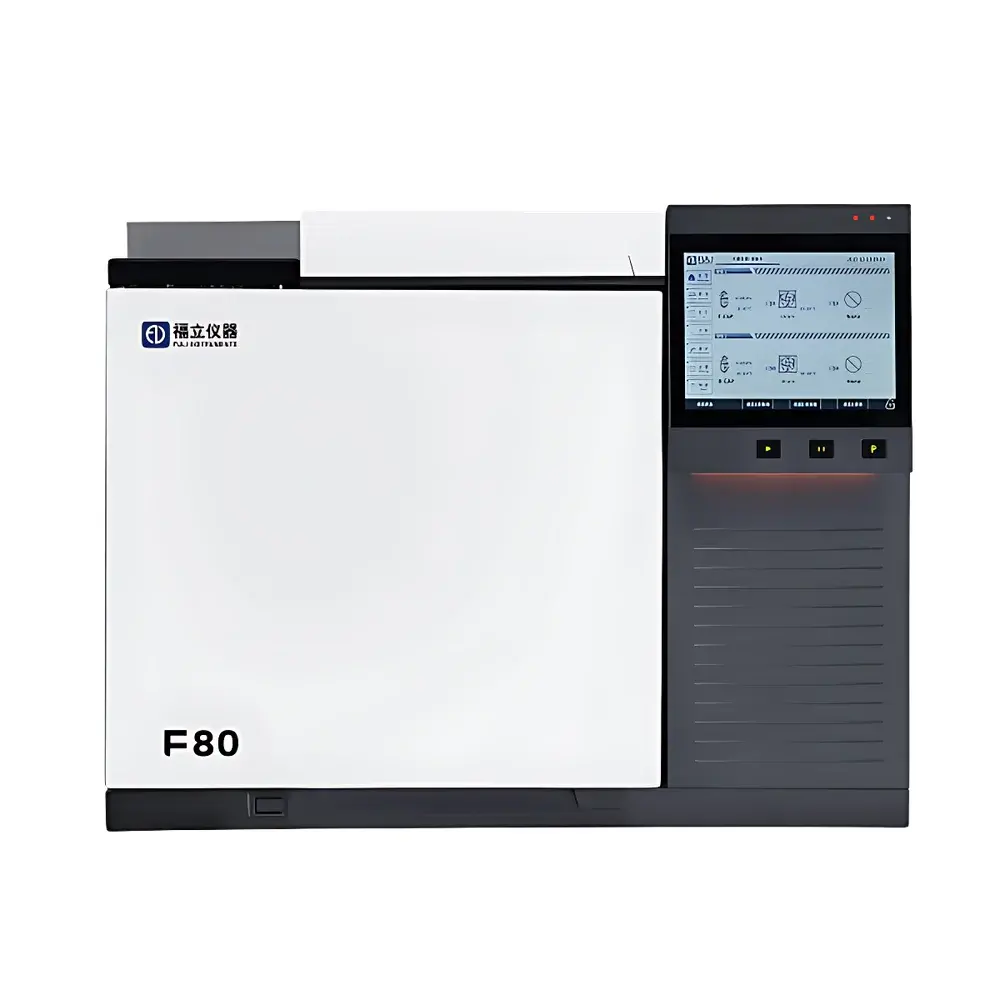
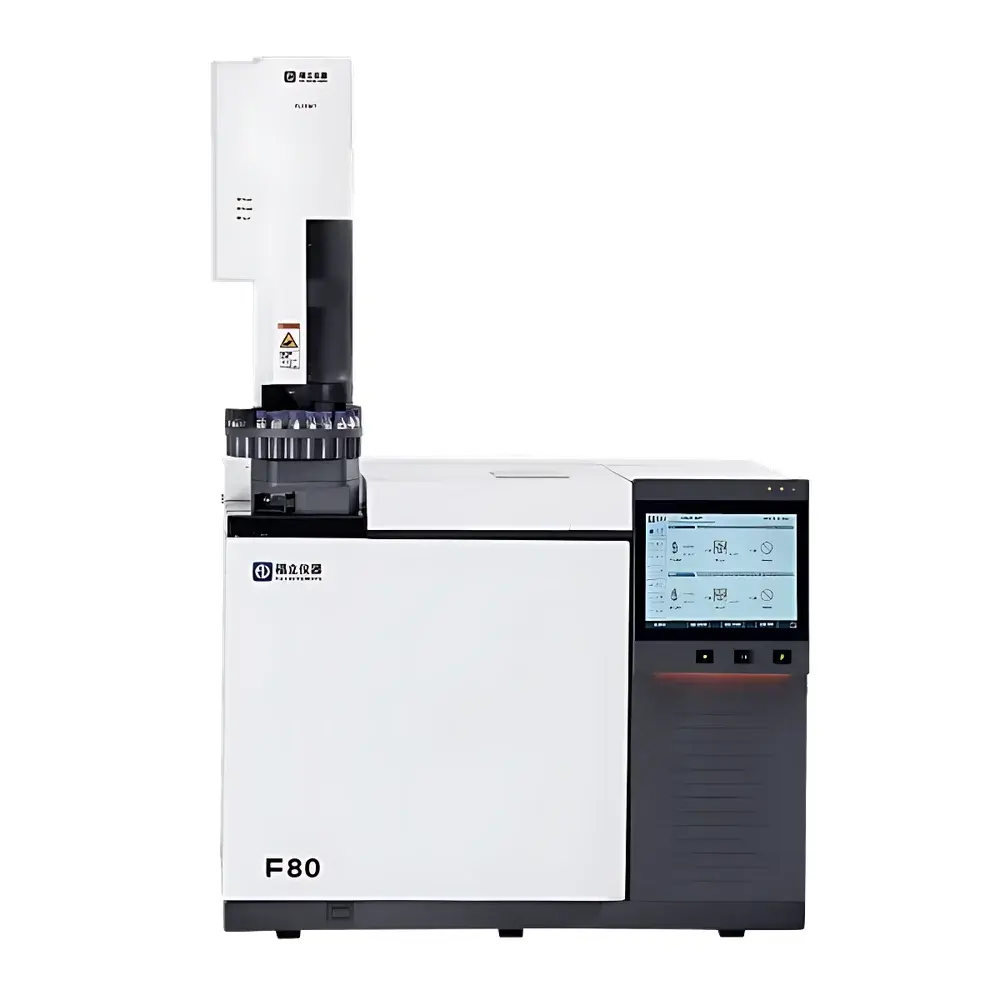
Fortel F80 Gas Chromatograph
| Brand | Fortel |
|---|---|
| Origin | Zhejiang, China |
| Manufacturer Type | Direct Manufacturer |
| Instrument Type | Laboratory Gas Chromatograph |
| Model | F80 |
| Application Scope | General-Purpose |
| EPC Generation | 4th-Generation Electronic Pressure Control (EPC) |
| Column Oven Design | Platinum Resistance Temperature Sensor with Unobstructed Mounting |
| Safety Features | Dual-Temperature Monitoring, Hydrogen Auto-Shutoff, DC Heating, Flame-Retardant Materials |
| Detector Options | Multiple Configurable Detectors |
| Flow Path Flexibility | Multi-Valve/Multi-Column Support, Deans Switch, Micro-Flow Center-Cut, Comprehensive 2D-GC Ready |
| Software Platform | MyLab Chromatography Workstation (Web-Based Remote Access via PC/Tablet/Smartphone) |
| Compliance Context | Designed for GLP/GMP-aligned laboratories |
Overview
The Fortel F80 Gas Chromatograph is a laboratory-grade, general-purpose analytical instrument engineered for high reproducibility, operational robustness, and long-term stability in routine and method-development environments. Built upon the proven mechanical and thermal architecture of the GC97 series, the F80 integrates fourth-generation Electronic Pressure Control (EPC) — developed under China’s National Key R&D Program — to deliver precise, digitally regulated carrier gas flow and column head pressure across diverse temperature and flow regimes. Its core separation principle relies on partition chromatography, where analytes are separated based on differential volatility and polarity as they migrate through a thermally stabilized capillary column under controlled carrier gas flow. The column oven employs an unobstructed platinum resistance temperature sensor (Pt100) configuration, enabling sub-0.05 °C thermal responsiveness and minimizing temperature lag during ramping or isothermal holds. This design ensures superior retention time repeatability (<0.02 min RSD) and peak shape fidelity over extended run sequences.
Key Features
- Fourth-generation EPC system with real-time digital pressure and flow calibration, supporting both constant flow and constant pressure modes with <±0.01 psi pressure accuracy.
- Column oven with dual-sensor thermal monitoring and rapid heating/cooling capability (up to 60 °C/min heating rate; ambient-to-450 °C in <12 min).
- Integrated safety architecture: dual independent temperature sensors, hydrogen auto-shutoff logic triggered by abnormal thermal rise or leak detection, DC-powered heater circuits, and UL94 V-0 rated flame-retardant housing materials.
- Modular inlet system designed for quick-swappable liners and septa, supporting split/splitless, PTV, and cold-on-column injection configurations.
- Multi-detector compatibility including FID, TCD, ECD, NPD, and FPD — all with independently programmable operating parameters and digital signal acquisition.
- ECO energy-saving mode that dynamically reduces power consumption during standby and overnight operation without compromising thermal stability.
Sample Compatibility & Compliance
The F80 accommodates volatile and semi-volatile organic compounds (VOCs/SVOCs) across environmental, pharmaceutical, petrochemical, food safety, and forensic applications. It supports standard 0.1–0.53 mm ID fused-silica capillary columns up to 60 m in length and is compatible with common stationary phases (e.g., DB-5ms, HP-INNOWAX, DB-FFAP). The system meets fundamental requirements for ISO/IEC 17025-compliant laboratories and incorporates design elements aligned with Good Laboratory Practice (GLP) and current Good Manufacturing Practice (cGMP) workflows — including user-level access control, electronic signature support, and configurable audit trail logging within the MyLab software environment. While not pre-certified for FDA 21 CFR Part 11, its architecture enables validation-ready deployment when configured with appropriate IT infrastructure and procedural controls.
Software & Data Management
The MyLab Chromatography Workstation serves as the unified control and data analysis platform for the F80. It operates natively on Windows OS and provides full web-browser-based remote access via secure HTTPS — enabling real-time instrument monitoring and method execution from desktops, tablets, or smartphones without client-side installation. The interface follows widely adopted chromatographic conventions (e.g., Agilent OpenLab, Thermo Chromeleon), supporting sequence creation, integration parameter optimization, calibration curve generation (linear, quadratic, weighted), and report templating. All raw data files (.FCH) are stored in vendor-neutral formats with embedded metadata (method, instrument conditions, operator ID, timestamps). Audit trail functionality records user actions, parameter changes, and data modifications with immutable timestamps — facilitating compliance with internal quality audits and regulatory inspections.
Applications
The F80 is routinely deployed in: residual solvent analysis per ICH Q3C guidelines; pesticide residue screening in agricultural commodities (AOAC 2007.01); hydrocarbon profiling in fuels and lubricants (ASTM D5186, D6730); flavor and fragrance compound identification in beverages and cosmetics; and volatile organic compound quantification in indoor air and wastewater (EPA TO-17, Method 8260). Its flexible flow path architecture supports advanced configurations such as heart-cutting multidimensional GC (MDGC), Deans switching for parallel column analysis, and micro-flow center-cut setups for coupling with mass spectrometry or olfactometry systems.
FAQ
Does the F80 support fully automated unattended operation?
Yes — when equipped with an autosampler (e.g., Fortel AS-200 series) and scheduled methods in MyLab, the F80 can execute multi-day sequences with automatic startup, shutdown, and email alerts upon completion or error.
Can the F80 be integrated into a LIMS environment?
Yes — MyLab supports ASTM E1394-compliant data export and offers optional ODBC connectivity for direct result transfer to LIMS platforms.
Is method transfer from legacy GC systems feasible?
Method translation tools within MyLab assist in converting parameters from Agilent, Shimadzu, or Thermo platforms; column geometry and carrier gas properties are automatically adjusted to maintain equivalent linear velocity.
What maintenance intervals are recommended for the EPC module?
No routine recalibration is required; however, annual verification using certified pressure standards and flow meters is advised per ISO/IEC 17025 Clause 6.4.3.
How is cybersecurity addressed in remote access mode?
Remote sessions use TLS 1.2+ encryption, session timeouts, and role-based authentication; network deployment requires firewall configuration restricting inbound access to designated IP ranges only.



