
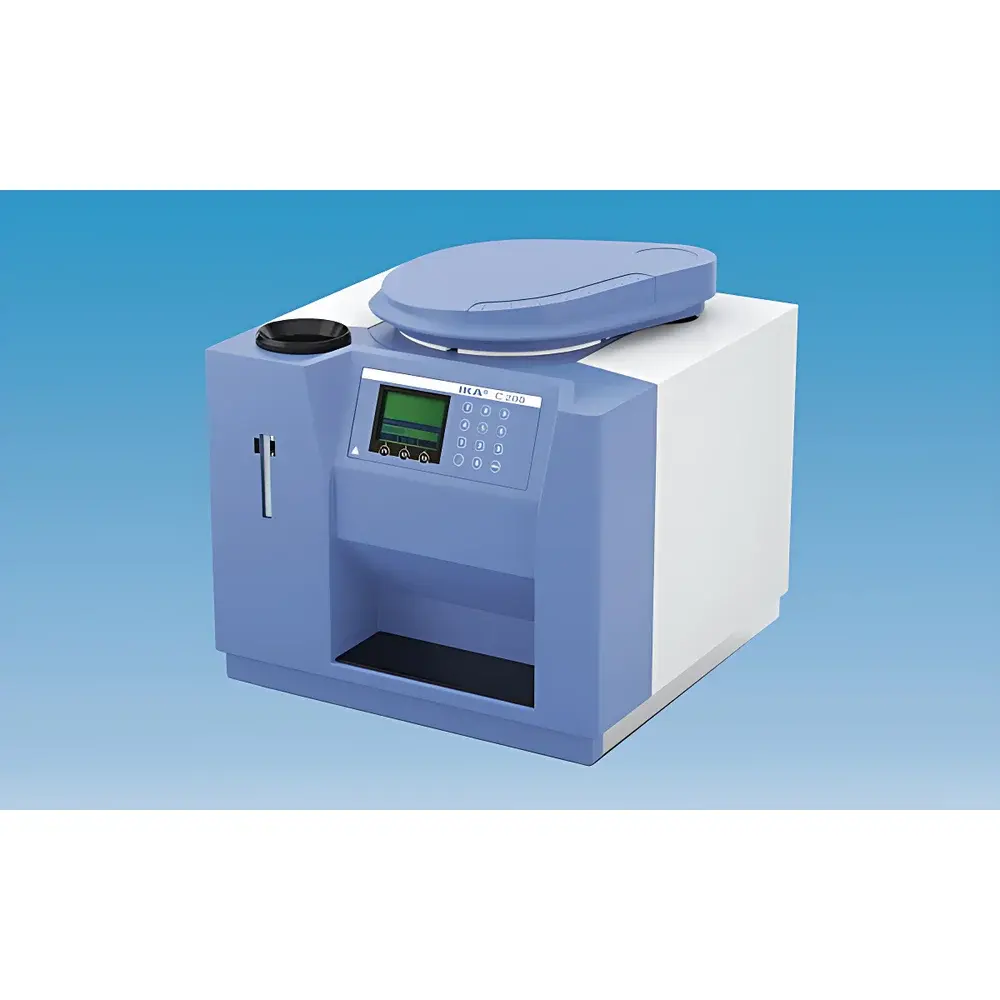
FTT Oxygen Bomb Calorimeter
| Brand | FTT |
|---|---|
| Origin | United Kingdom |
| Model | Oxygen Bomb Calorimeter |
| Standards Compliance | ISO 1716, ISO 1928, ASTM D240, ASTM D4809, ASTM D5468, ASTM D5865, ASTM E711 |
| Application Scope | Gross Calorific Value (GCV) determination of solid, liquid, and heterogeneous fuels and combustible materials |
| Configuration | Includes main calorimeter unit, high-pressure oxygen bomb assembly, oxygen charging station, calibration accessories (benzoic acid standard, ignition wire, crucibles), and installation kit |
Overview
The FTT Oxygen Bomb Calorimeter is a precision benchtop instrument engineered for the accurate determination of gross calorific value (GCV), also known as higher heating value (HHV), of combustible materials under controlled adiabatic or isoperibol conditions. It operates on the fundamental principle of constant-volume combustion calorimetry: a precisely weighed sample is ignited inside a sealed, high-pressure stainless-steel oxygen bomb immersed in a thermally insulated water jacket. The complete oxidation of the sample releases energy as heat, which is quantified by measuring the temperature rise of the surrounding water bath with high-resolution platinum resistance thermometers (PRTs). This method delivers traceable, reproducible results aligned with internationally recognized thermodynamic definitions of GCV—where latent heat of vaporization of water formed during combustion is included in the total energy output.
Key Features
- Robust, CE-marked adiabatic or isoperibol calorimeter architecture with integrated microprocessor-controlled temperature regulation and thermal equilibrium monitoring.
- High-strength, leak-tested oxygen bomb rated to 30 MPa (4350 psi), fabricated from corrosion-resistant austenitic stainless steel with precision-machined sealing surfaces and dual-valve safety venting.
- Dual-mode operation: supports both adiabatic mode (active jacket temperature tracking) and isoperibol mode (constant-temperature jacket), selectable via software interface to accommodate lab infrastructure and standard requirements.
- Integrated oxygen charging station with pressure regulator, digital pressure gauge (0–40 bar), and automatic shut-off valve to ensure consistent 3.0 MPa (30 bar) oxygen fill pressure per test cycle.
- Automated ignition circuit with adjustable voltage and current monitoring to guarantee reliable, low-energy ignition without sample splatter or incomplete combustion.
- Compliance-ready design: hardware and firmware architecture support audit trails, user access levels, and electronic signature capability—facilitating alignment with GLP, ISO/IEC 17025, and FDA 21 CFR Part 11 data integrity expectations when paired with validated software.
Sample Compatibility & Compliance
The system accommodates a broad spectrum of sample types including solid fuels (coal, coke, biomass pellets, construction materials per EN ISO 1716), liquid hydrocarbons (gasoline, kerosene, diesel grades 1D/2D, GT fuels per ASTM D240 and D4809), refuse-derived fuels (RDF, SRF per ASTM E711), foodstuffs and dietary supplements (per AOAC 968.12 and ISO 9831), and heterogeneous waste streams. All operational protocols and calibration routines are fully traceable to NIST-traceable benzoic acid standards (e.g., NIST SRM 39j). The instrument meets the mechanical, procedural, and reporting requirements of ISO 1716 (reaction to fire — determination of gross heat of combustion), ISO 1928 (solid mineral fuels — determination of gross calorific value), ASTM D5865 (coal and coke), ASTM D240 (petroleum fuels), and ASTM E711 (waste materials), enabling direct use in accredited testing laboratories and regulatory submission workflows.
Software & Data Management
The calorimeter interfaces with FTT’s proprietary CalWin software, a Windows-based application designed for method-driven operation, real-time thermal curve visualization, and automated GCV calculation per selected standard. CalWin enforces step-by-step test sequencing—including pre-firing equilibrium verification, post-combustion cooling correction (Regnault-Pfaundler or equivalent), nitric acid and sulfuric acid correction algorithms, and fuse wire energy subtraction. Raw temperature vs. time datasets, calibration logs, operator metadata, and final reports are stored in encrypted binary format with optional export to CSV or PDF. Audit trail functionality records all critical events—including method changes, calibration interventions, and result approvals—with timestamps and user IDs, satisfying documentation rigor required under ISO/IEC 17025 clause 7.7 and internal quality management systems.
Applications
This calorimeter serves as a primary reference instrument in fuel certification labs, cement and construction material testing facilities, waste-to-energy R&D centers, food nutrition analysis units, and academic combustion research groups. Typical use cases include quality control of commercial coal shipments against contractual GCV specifications; classification of building insulation materials per Euroclass fire performance criteria; validation of alternative fuel blends for industrial burners; nutritional labeling compliance for macronutrient energy content; and characterization of municipal solid waste composition for energy recovery modeling. Its adherence to consensus standards ensures cross-laboratory comparability and acceptance by regulatory bodies such as UKAS, DAkkS, and ANAB-accredited signatories.
FAQ
What standards does this calorimeter directly support?
ISO 1716, ISO 1928, ASTM D240, ASTM D4809, ASTM D5468, ASTM D5865, ASTM E711, EN 13823, and BS EN 13823.
Is the system suitable for testing heterogeneous or high-ash samples?
Yes—provided appropriate sample preparation (e.g., homogenization, pelletization, ash correction protocols) and use of certified reference materials for matrix-matched calibration.
Can the instrument be integrated into a LIMS environment?
CalWin supports ODBC-compliant database export and structured XML report generation, enabling configurable integration with third-party LIMS platforms via middleware or custom API adapters.
What maintenance is required for long-term accuracy?
Annual verification of thermometer linearity, oxygen bomb hydrostatic pressure testing, calorimeter water bath cleanliness verification, and recalibration using NIST-traceable benzoic acid are recommended per ISO/IEC 17025 Clause 6.4.
Does the system include validation documentation?
FTT supplies Factory Acceptance Test (FAT) reports, metrological traceability statements, and a comprehensive User Manual with IQ/OQ templates compliant with pharmaceutical and accredited lab commissioning practices.



