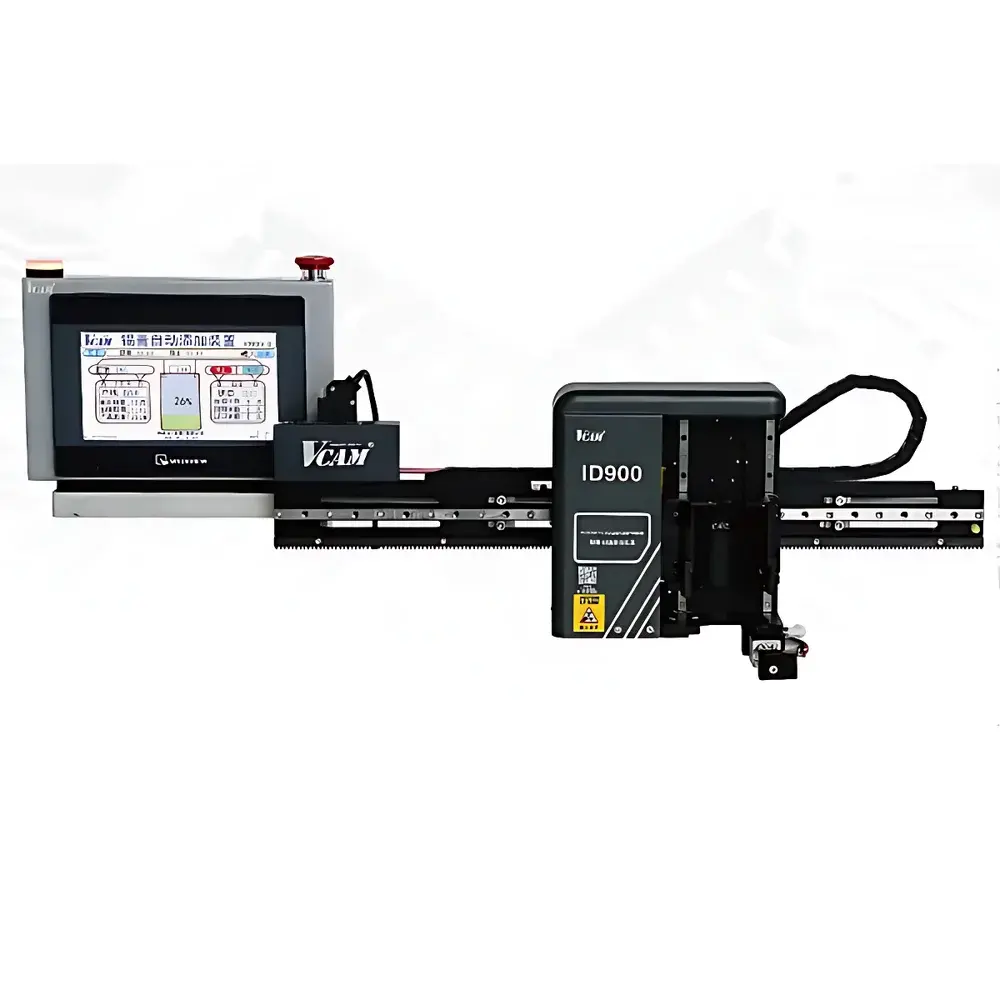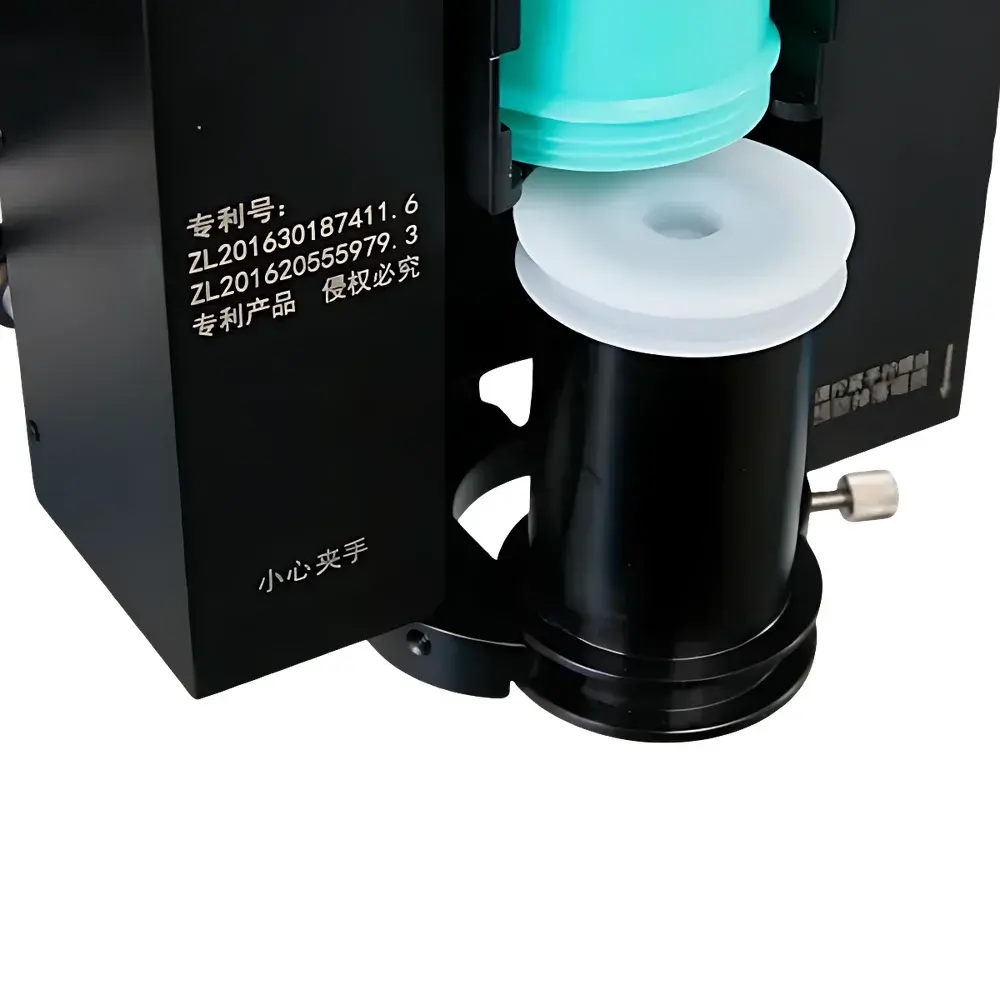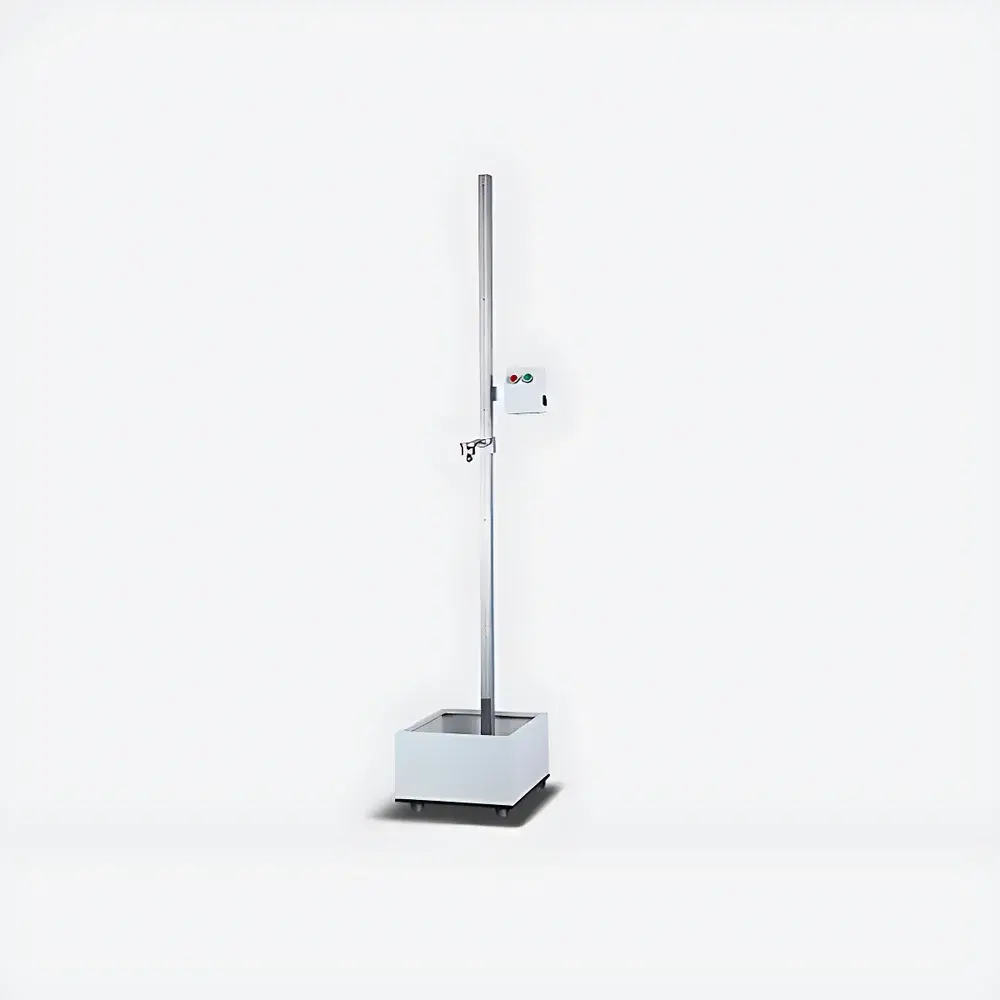
GBPI GB-LQ Ball Impact Tester
| Brand | GBPI (Guangzhou Biaoji) |
|---|---|
| Origin | Guangdong, China |
| Manufacturer Type | Direct Manufacturer |
| Origin Category | Domestic (China-made) |
| Model | GB-LQ |
| Quotation | Upon Request |
| Impact Height Range | 20–2000 mm (adjustable) |
| Standard Steel Balls | 50 g, 100 g, 250 g, 640 g (for food & packaging) |
| Specimen Holder Dimensions | 150 mm × 150 mm |
| Max. Specimen Size | ≤150 mm × 150 mm |
| Overall Dimensions | 450 mm × 500 mm × 2200 mm |
| Power Rating | 1000 W |
| Electrical Supply | AC 220 V, 50 Hz |
Overview
The GBPI GB-LQ Ball Impact Tester is a precision-engineered mechanical impact testing instrument designed to evaluate the resistance of rigid and semi-rigid packaging materials, finished products, and components to dynamic vertical impact forces. Based on the classical free-fall impact principle—where a standardized steel ball is released from a controlled height onto a horizontally clamped specimen—the system quantifies structural integrity, surface deformation, crack initiation, and failure thresholds under defined kinetic energy conditions. This method aligns with fundamental impact mechanics used in product safety validation, particularly for consumer electronics housings, plastic enclosures, pharmaceutical blister packs, medical device trays, and food-grade rigid containers. The tester operates without pneumatic or hydraulic actuation, relying instead on gravity-driven impact for high repeatability and minimal mechanical hysteresis.
Key Features
- Adjustable impact height ranging continuously from 20 mm to 2000 mm, enabling precise control over impact energy (E = m·g·h) across diverse material stiffness classes.
- Interchangeable calibrated steel balls conforming to ISO 3272 and ASTM D7148 specifications: 50 g, 60 g, 100 g, 250 g, and 640 g options—each traceably certified for mass tolerance ±0.5%.
- Robust specimen holder with fixed 150 mm × 150 mm aperture and adjustable clamping force to ensure consistent boundary conditions during impact, minimizing edge effects and slippage.
- Digital height encoder with ±0.5 mm resolution and real-time display for operator verification prior to release.
- Integrated electromagnetic release mechanism with <10 ms response time and zero mechanical pre-load, eliminating bounce-induced secondary impact artifacts.
- Self-contained control panel with LED indicators, manual emergency stop, and fail-safe interlock preventing operation when the safety shield is open.
Sample Compatibility & Compliance
The GB-LQ accommodates flat, planar specimens up to 150 mm × 150 mm and thicknesses up to 50 mm, including thermoplastic sheets (PP, PET, PS), laminated foils, molded polymer parts, cardboard composites, and pharmaceutical thermoformed blisters. It supports both qualitative pass/fail assessment and quantitative damage mapping (e.g., dent depth, crack length, delamination area). The instrument complies with key international and industry-specific standards: YBB 0021–2005 (Chinese Pharmacopoeia standard for pharmaceutical packaging impact resistance), GB/T 14485–1993 (Chinese national standard for impact testing of plastics), and provides traceable methodology compatible with ISO 6603-2 (plastics—impact testing—part 2: Charpy impact test) for comparative benchmarking. All mechanical components are constructed from anodized aluminum and stainless steel to ensure long-term dimensional stability and corrosion resistance in laboratory environments.
Software & Data Management
While the base GB-LQ operates as a stand-alone mechanical tester, optional USB-connected data acquisition modules enable timestamped logging of impact height, ball mass, and operator ID per test cycle. When integrated with GBPI’s proprietary LabManager™ software (v4.2+), users can generate audit-ready reports compliant with GLP and GMP documentation requirements—including electronic signatures, version-controlled test protocols, and 21 CFR Part 11–compliant audit trails. Raw data exports support CSV and PDF formats, and metadata fields align with LIMS integration schemas. Firmware updates are delivered via secure HTTPS channel and require dual-authentication to maintain system integrity.
Applications
- Pre-shipment validation of consumer electronics casings (smartphones, tablets, wearables) against drop-related housing fractures.
- Pharmaceutical packaging qualification—assessing blister pack seal integrity and push-through force consistency after simulated transit impact.
- Quality control of injection-molded automotive interior components (e.g., HVAC grilles, trim panels) for surface defect threshold determination.
- R&D evaluation of novel biopolymer films and compostable rigid containers under standardized mechanical stress profiles.
- Regulatory submission support for FDA 510(k) and CE Mark technical files requiring documented mechanical robustness evidence.
FAQ
What standards does the GB-LQ directly support?
It is configured and validated for YBB 0021–2005 and GB/T 14485–1993; its operational parameters also permit alignment with ISO 6603-2 and ASTM D7148 for cross-standard correlation studies.
Can the GB-LQ be used for non-flat specimens?
No—it requires planar, self-supporting specimens mounted horizontally within the 150 mm × 150 mm clamping frame. Curved or irregular geometries must be evaluated using alternative impact methods such as pendulum or instrumented drop towers.
Is calibration certification included with shipment?
Yes—each unit ships with a factory calibration certificate traceable to NIM (National Institute of Metrology, China), covering height encoder linearity, ball mass verification, and release timing accuracy.
Does GBPI offer IQ/OQ/PQ documentation packages?
Yes—validated installation qualification (IQ), operational qualification (OQ), and performance qualification (PQ) protocols are available upon request for regulated laboratories operating under ISO 17025, FDA, or EU Annex 11 frameworks.
What maintenance intervals are recommended?
Visual inspection and lubrication of guide rods every 200 test cycles; annual recalibration of height encoder and ball mass verification by an accredited metrology lab.
Related Products