
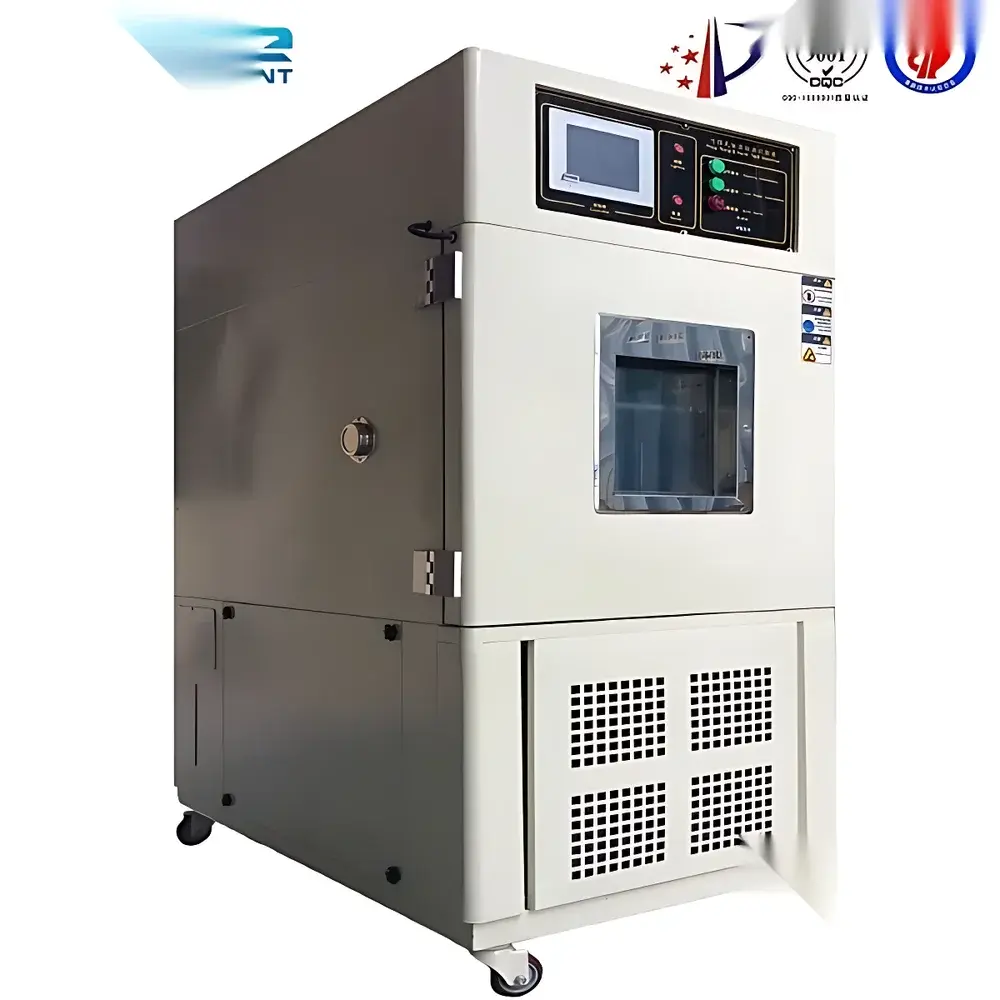
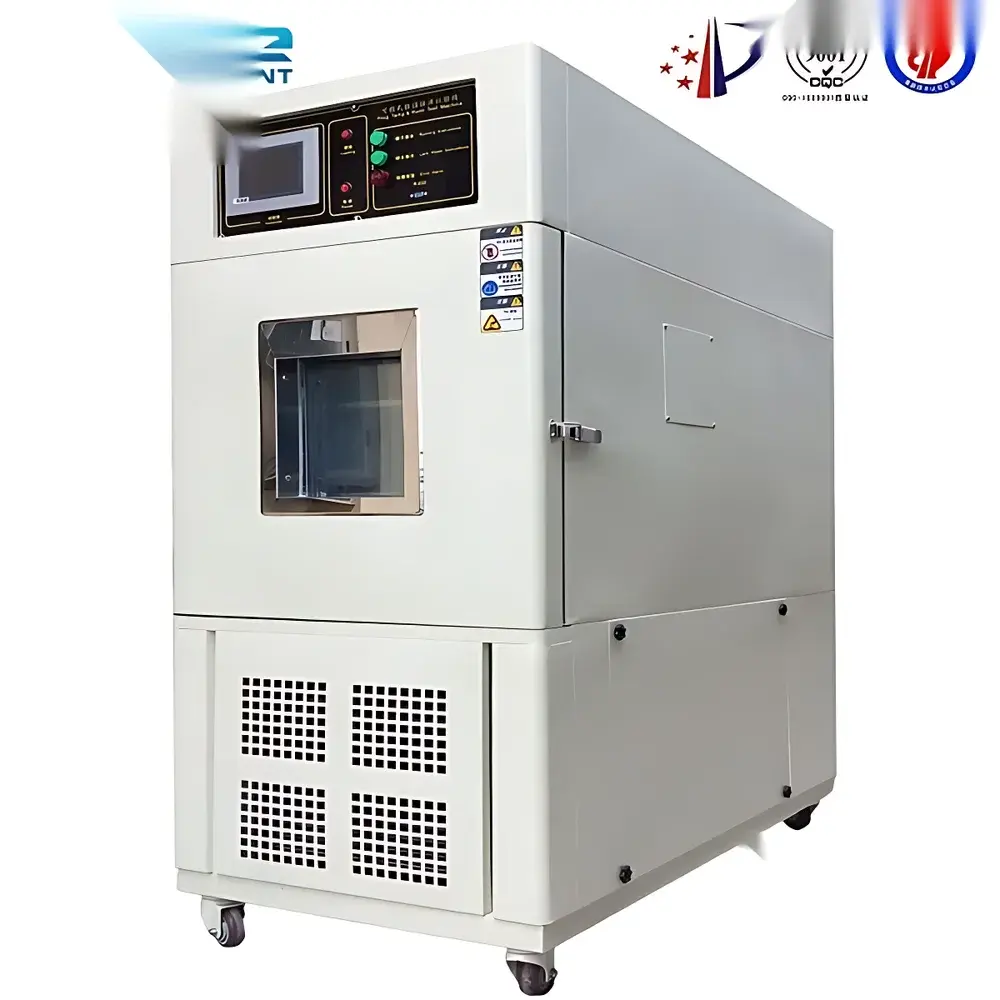
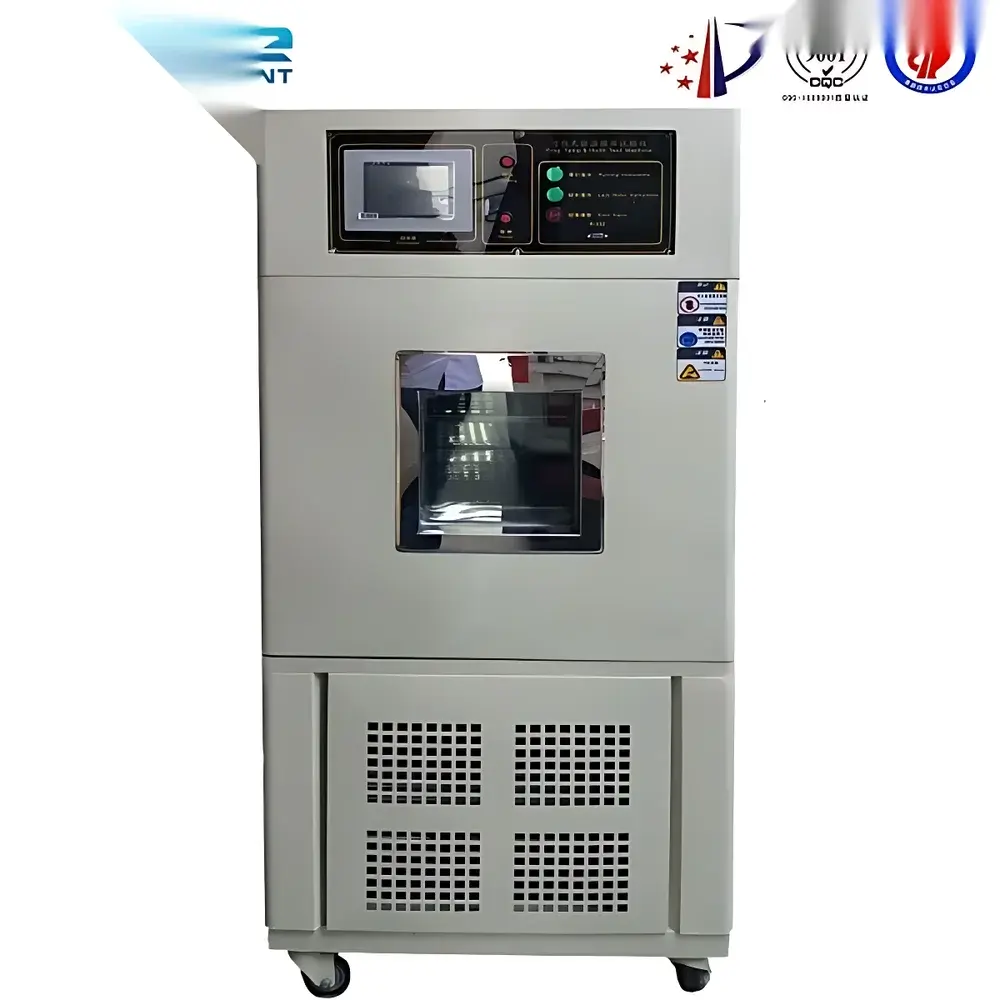
Generic High-Low Temperature Environmental Test Chamber
| Brand | Other Brands |
|---|---|
| Origin | Imported |
| Manufacturer Type | Authorized Distributor |
| Price Reference | USD 3,100 (ex-factory, indicative only) |
Overview
The Generic High-Low Temperature Environmental Test Chamber is a precision-engineered climatic simulation system designed to evaluate material and component reliability under controlled thermal stress conditions. Based on the principle of forced-air convection with dual-stage refrigeration and PID-controlled electric heating, it delivers stable, uniform temperature profiles across its working volume. This chamber supports standardized thermal aging, storage, and operational testing per international environmental test protocols—including IEC 60068-2 series, MIL-STD-810D/G, and GB/T 5170.2—enabling laboratories and quality assurance departments to assess long-term performance degradation, dimensional stability, and functional integrity of electronic assemblies, polymers, automotive components, and aerospace hardware under extreme temperature excursions.
Key Features
- Robust stainless-steel inner chamber with seamless welding and high-quality insulation (polyurethane foam, ≥100 mm thickness) for minimal thermal leakage and energy-efficient operation.
- Smooth-radius exterior housing with matte-finish surface treatment and ergonomic flat non-reactive door handle for enhanced operator safety and ease of access.
- High-efficiency hermetic compressor system coupled with low-noise axial fans and optimized air duct design ensures uniform temperature distribution (±0.5 °C at 100 mm from chamber walls, per GB/T 5170.2).
- Integrated anti-vibration mounting pads reduce mechanical transmission and maintain chamber stability during prolonged thermal cycling.
- Optional powered test port configuration (standardized 4–8 Ø50 mm feedthroughs) allows real-time electrical loading of DUTs (Device Under Test) during temperature exposure—critical for functional burn-in validation.
- Philips-grade observation window with embedded resistive defogging heater and high-transmittance tempered glass enables unobstructed visual monitoring without condensation interference.
- Comprehensive safety architecture including over-temperature cut-off, compressor high-pressure protection, phase-sequence monitoring, and door interlock switch compliance with IEC 61000-6-2 EMC immunity requirements.
Sample Compatibility & Compliance
The chamber accommodates a wide range of sample geometries—from PCB subassemblies and sensor modules to molded plastic housings and sealed battery packs—within standard internal dimensions (e.g., 400 × 400 × 400 mm, customizable). It meets metrological verification criteria defined in GB/T 5170.2–1996 and GB 10592–1993 for temperature uniformity, stability, and recovery time. All units undergo factory calibration traceable to national standards (CNAS-accredited reference thermometers), with optional ISO/IEC 17025-compliant calibration reports available upon request. The system is compatible with GLP/GMP-aligned test documentation workflows and supports audit-ready records when paired with compliant data logging software.
Software & Data Management
While the base model includes a programmable digital controller with local setpoint scheduling (up to 99 segments, 99 cycles), optional PC-based software enables remote supervision, real-time graphing, alarm history export (CSV/PDF), and automated report generation. Data logs include timestamped chamber temperature, setpoint deviation, alarm events, and runtime statistics—all stored with user-defined retention policies. For regulated environments, optional 21 CFR Part 11-compliant software modules provide electronic signatures, role-based access control, and immutable audit trails meeting FDA and EU Annex 11 requirements.
Applications
- Accelerated thermal aging of elastomers, adhesives, and encapsulants per ASTM D573 and ISO 188.
- Pre-conditioning of lithium-ion cells prior to cycle life or safety testing (UN 38.3, IEC 62133).
- Environmental stress screening (ESS) of avionics modules under MIL-STD-810G Method 501.6 (High Temperature) and Method 502.6 (Low Temperature).
- Qualification of medical device packaging per ISO 11607-1 accelerated aging protocols.
- Thermal shock pre-screening for semiconductor packages before JEDEC JESD22-A104 qualification.
FAQ
What temperature range does this chamber support?
Standard operating range is –40 °C to +150 °C; extended models reach –70 °C to +180 °C upon specification confirmation.
Is temperature uniformity validated per international standards?
Yes—uniformity is verified per GB/T 5170.2 and IEC 60068-3-5 using calibrated Class A PT100 sensors at nine designated points.
Can the chamber be integrated into an existing LIMS or MES platform?
Via optional RS485/Modbus RTU or Ethernet/IP interface, supporting structured data exchange with laboratory information management systems.
Does the unit comply with CE or UKCA marking requirements?
All imported units are supplied with CE Declaration of Conformity covering Machinery Directive 2006/42/EC and EMC Directive 2014/30/EU.
What maintenance intervals are recommended?
Compressor oil and refrigerant checks every 24 months; air filter cleaning every 3 months; annual calibration verification recommended for ISO-certified use.



