Geonor T-200B All-Weather Precipitation Gauge
| Origin | Norway |
|---|---|
| Manufacturer Type | Authorized Distributor |
| Origin Category | Imported |
| Model | T-200B |
| Price Range | USD 1,400 – 7,000 |
| Measurement Range | 600 / 1000 / 1500 mm |
| Collection Area | 200 cm² |
| Sensitivity | 0.05 / 0.075 / 0.1 mm |
| Accuracy | ±0.1% FS |
| Repeatability | ±0.1 / ±0.1 / ±0.15 mm |
| Power Supply | 8–24 V DC, 15 mA |
| Heated Option | 24 V or 220 V AC |
| Output | Square Wave 0–5 V and SDI-12 |
| Operating Temperature | −40 °C to +60 °C |
| Humidity | 0–100% RH |
| Temperature Drift | 0.001% FS/°C |
| Housing Material | Anodized Aluminum |
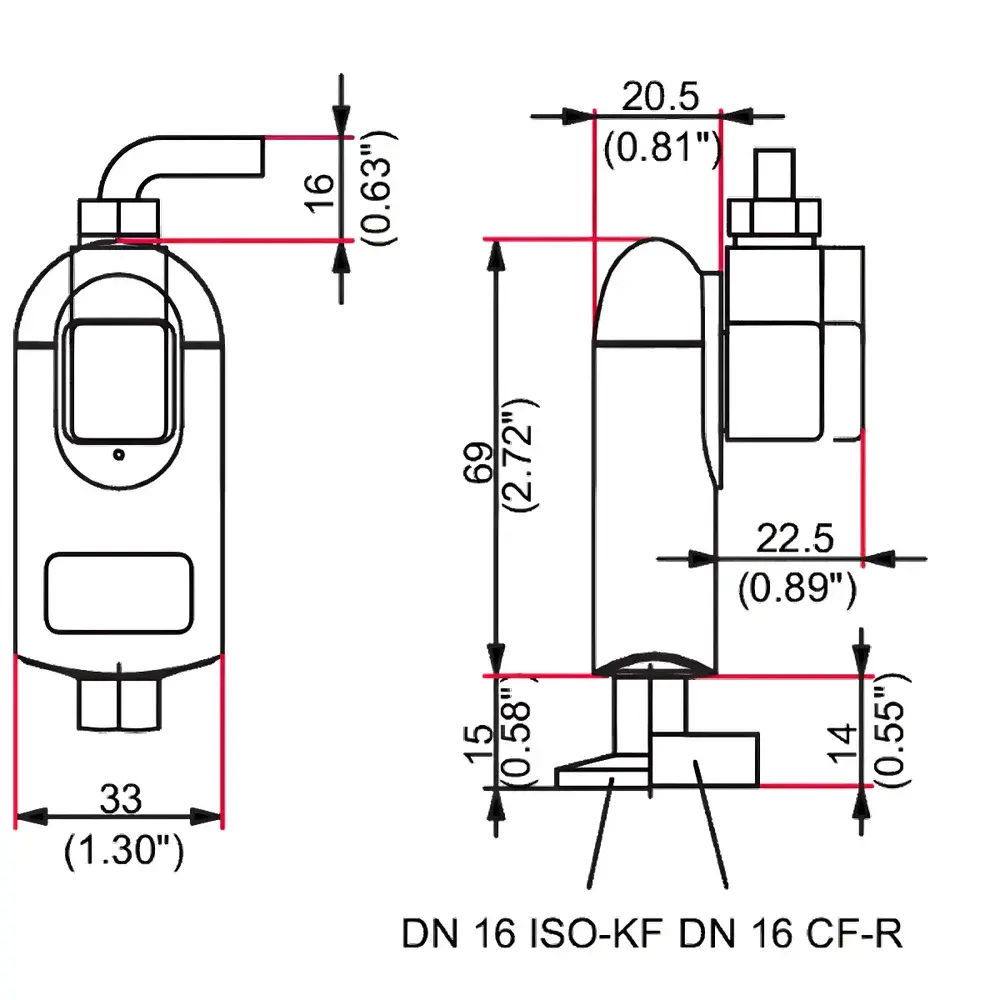
| Dimensions (Ø × H) | 390 × 760 / 800 / 1000 mm |
Overview
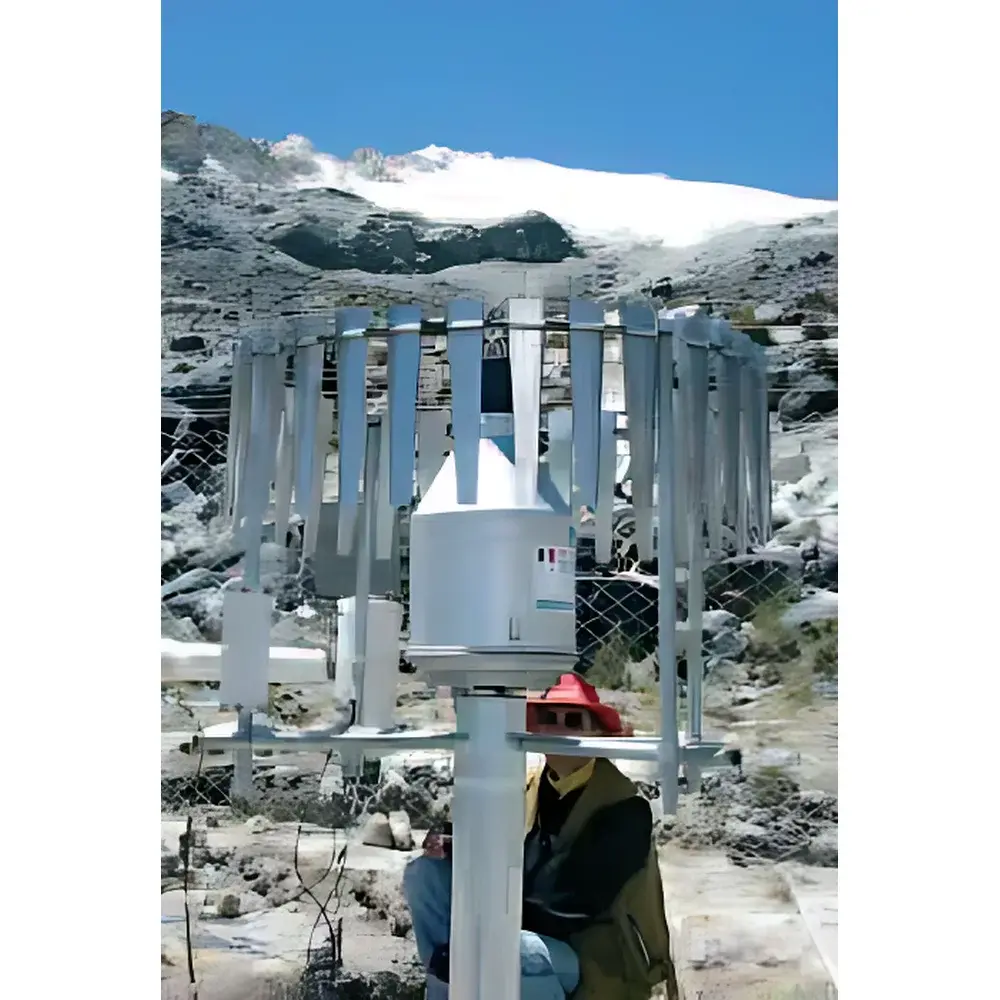
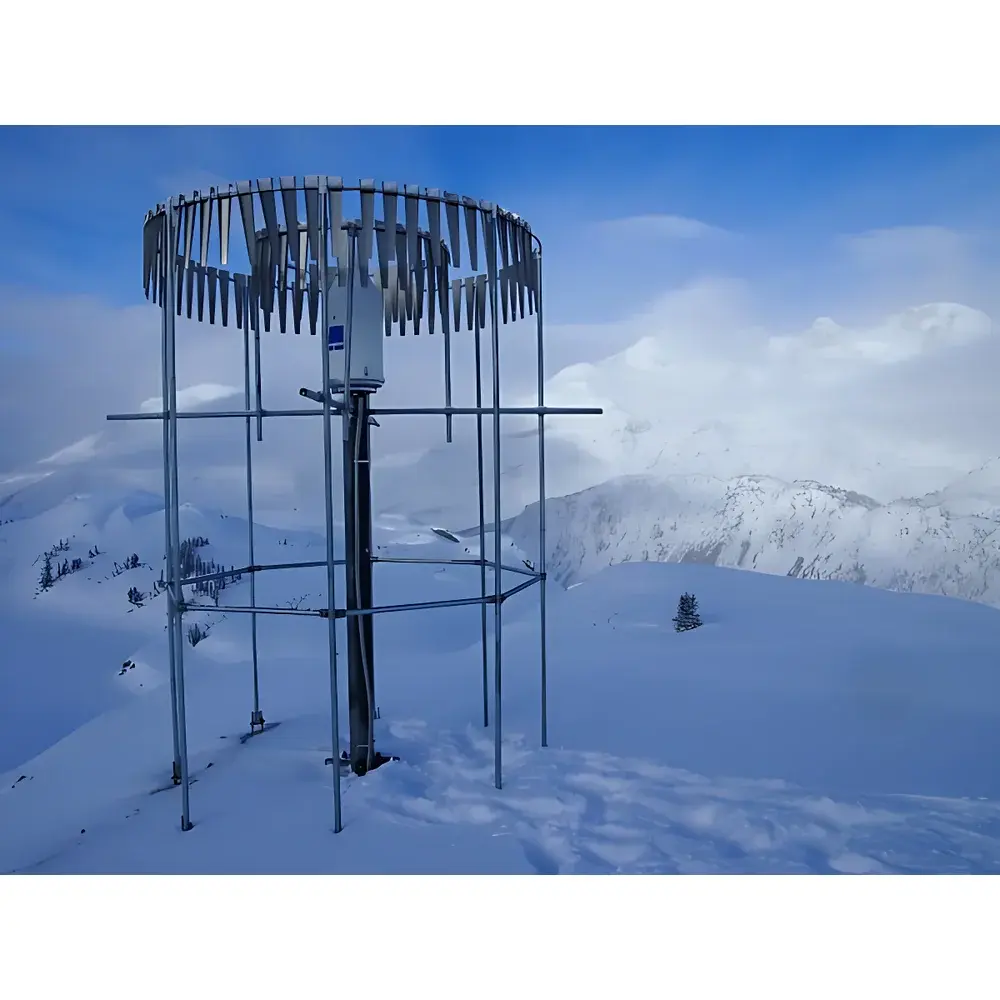
The Geonor T-200B All-Weather Precipitation Gauge is a high-reliability, maintenance-free weighing-type precipitation sensor engineered for continuous, unattended operation in extreme climatic conditions—from Arctic tundra to alpine environments. Unlike tipping-bucket or optical rain gauges, the T-200B employs a fundamental principle of vibrational wire load measurement: accumulated precipitation mass is quantified by detecting resonant frequency shifts in tensioned stainless-steel wires. Each wire functions as a precision mechanical oscillator whose natural frequency varies linearly with applied load—enabling direct, drift-stable mass-to-precipitation-depth conversion without moving parts, lubricants, or calibration drift from mechanical wear. This design eliminates common error sources such as bucket inertia, undercatch due to wind turbulence, or freezing-induced blockage—making the T-200B compliant with WMO Guide to Meteorological Instruments and Methods of Observation (WMO-No. 8) recommendations for high-latitude and high-elevation precipitation monitoring.
Key Features
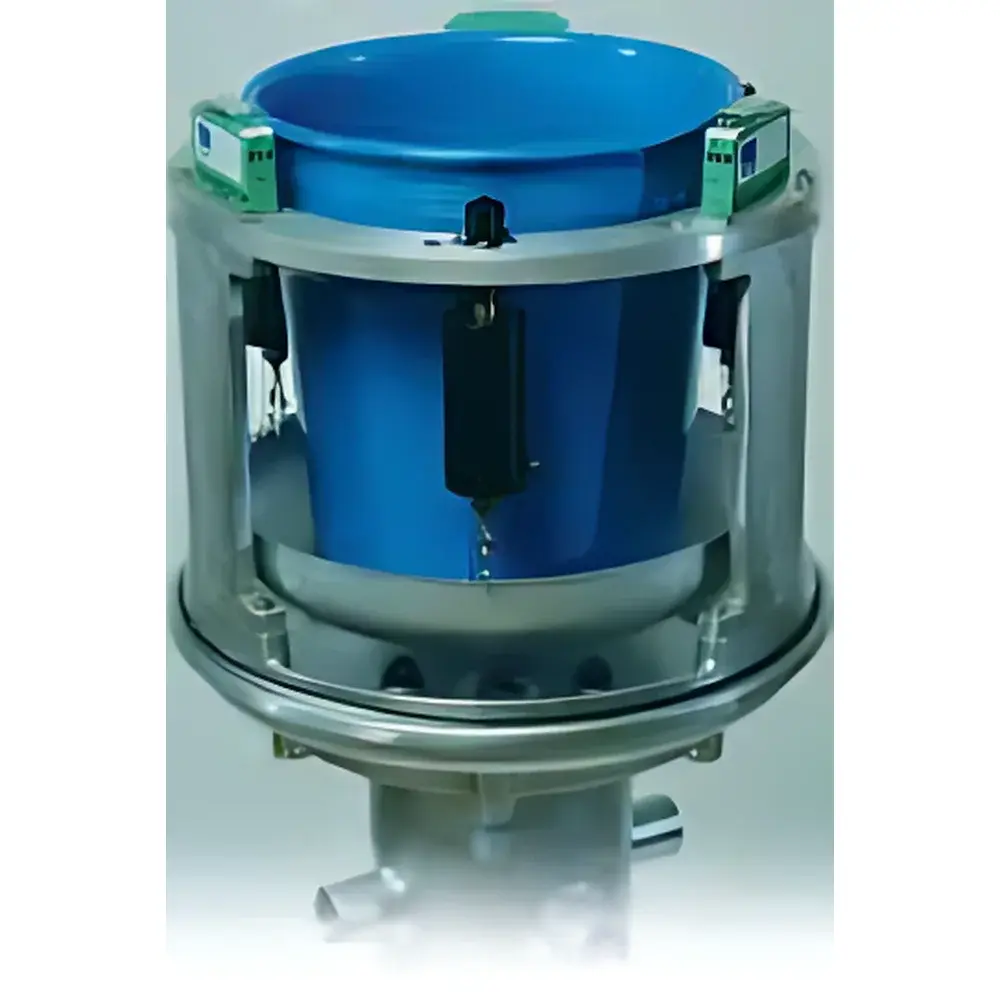
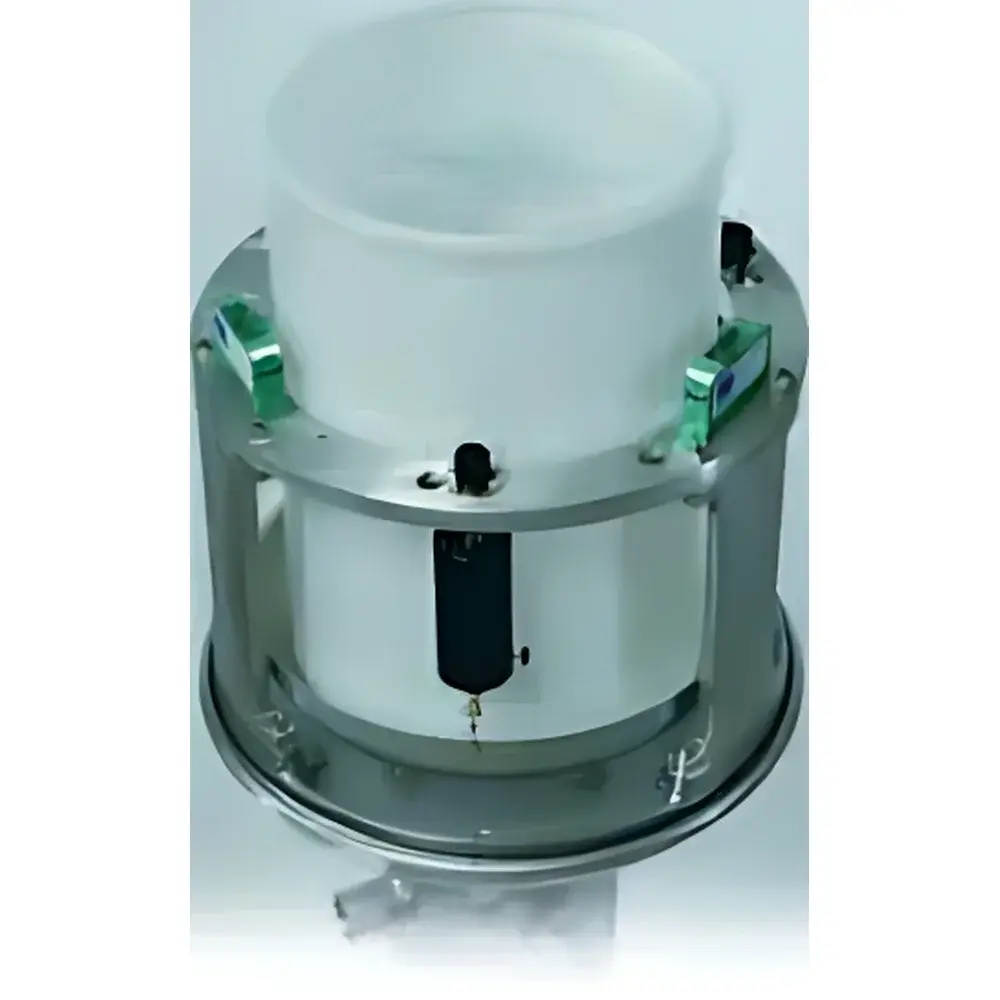
- Triple-wire sensor configuration option (standard: single wire) — provides redundancy, tilt compensation, and uninterrupted data continuity if one wire fails;
- Modular 600 mm, 1000 mm, or 1500 mm precipitation capacity vessels — all sharing identical 200 cm² orifice area and thermal-mass-optimized geometry;
- Integrated heating system for collector rim (24 V DC or 220 V AC powered) — prevents snow bridging and ice accumulation while maintaining WMO-defined collection efficiency;
- Low-power consumption (15 mA @ 8–24 V DC) — enables solar-battery operation at remote sites with no grid access;
- Robust anodized aluminum housing (standard black or optional white finish) — UV-stabilized, corrosion-resistant, and thermally reflective to minimize solar heating artifacts;
- Wind shield included as standard accessory — conforms to WMO Class A siting requirements and reduces wind-induced undercatch by >30% compared to unshielded configurations;
- Dual-output interface: TTL-compatible square-wave (0–5 V) and SDI-12 — compatible with Campbell Scientific, Onset HOBO, Delta-T, and other Tier-1 environmental data loggers.
Sample Compatibility & Compliance
The T-200B is validated for quantitative measurement of liquid rainfall, melting snow, sleet, and mixed-phase precipitation. Its 200 cm² orifice meets WMO Recommendation 8.3.1 for standardized catchment area, and its low-profile cylindrical geometry minimizes aerodynamic distortion. The gauge complies with ISO 9060:2018 (spectral classification for solar radiation instruments) for housing reflectivity when specified in white finish, and supports traceable calibration per ISO/IEC 17025-accredited laboratories. For regulatory-grade climate networks—including NOAA’s U.S. Climate Reference Network (USCRN), Environment and Climate Change Canada’s HYDRO network, and EUMETNET’s E-PROFILE program—the T-200B satisfies data integrity requirements under GLP-aligned operational protocols. Optional audit-trail-enabled data loggers may be configured to meet FDA 21 CFR Part 11 electronic record criteria where long-term hydrometeorological archives are subject to regulatory review.
Software & Data Management
Geonor provides the GAUGE software suite (Windows-based) for configuration, real-time diagnostics, and unit conversion (mass → depth using density assumptions for rain/snow). Raw frequency output is converted internally via factory-calibrated polynomial coefficients stored in non-volatile memory. SDI-12 implementation supports asynchronous polling and built-in self-test commands. When integrated with third-party platforms (e.g., IRIS SeisComP, MeteoIO, or custom Python-based ingestion pipelines), the T-200B delivers time-synchronized, gap-free precipitation mass time series at user-selectable intervals (1 sec to 60 min). All firmware updates preserve backward compatibility; configuration parameters—including density correction factors for seasonal snowpack, heater activation thresholds, and output scaling—are retained across power cycles.
Applications
- Long-term climate monitoring networks requiring WMO-compliant precipitation records;
- Hydrological modeling inputs for snowmelt-runoff forecasting in mountainous basins;
- Validation of satellite-based precipitation products (e.g., IMERG, GPM) at ground truth sites;
- Automated weather stations deployed in polar regions, high-altitude observatories, and offshore buoys;
- Regulatory compliance reporting for hydropower reservoir management and flood early-warning systems;
- Research on precipitation phase partitioning and density evolution in seasonal snowpacks.
FAQ
How does the T-200B handle frozen precipitation without manual intervention?
The integrated collector-rim heater prevents ice buildup during snowfall events; combined with the absence of mechanical components, it enables fully autonomous winter operation.
Can the T-200B distinguish between rain and snow?
It measures total accumulated mass. Rain/snow differentiation requires auxiliary sensors (e.g., present weather detector, temperature profile) or post-processing using air temperature and snow density models.
Is field recalibration required?
No—factory calibration is stable over temperature and time. Periodic verification against certified test weights (e.g., annually) is recommended for QA/QC programs.
What is the minimum detectable precipitation increment?
At 600 mm range: 0.05 mm equivalent depth; sensitivity degrades slightly at higher ranges due to increased vessel mass, but remains within WMO Class A performance thresholds.
Does the T-200B meet NIST-traceable standards?
Yes—Geonor’s calibration certificates reference NIST-traceable deadweight standards and include uncertainty budgets per ISO/IEC 17025 guidelines.
How is tilt tolerance achieved in the triple-wire configuration?
Each wire independently senses vertical load component; vector summation compensates for up to ±5° mounting misalignment without measurable bias in total mass calculation.