
GERSTEL PYRO High-Temperature Programmable Pyrolyzer for GC/MS
| Brand | GERSTEL |
|---|---|
| Origin | Germany |
| Manufacturer Type | Original Equipment Manufacturer (OEM) |
| Import Status | Imported |
| Model | PYRO |
| Instrument Type | Filament-Based Pyrolyzer |
| Temperature Range | 10–1000 °C |
| Heating Technology | Four-Point Resistance Measurement on Platinum Filament |
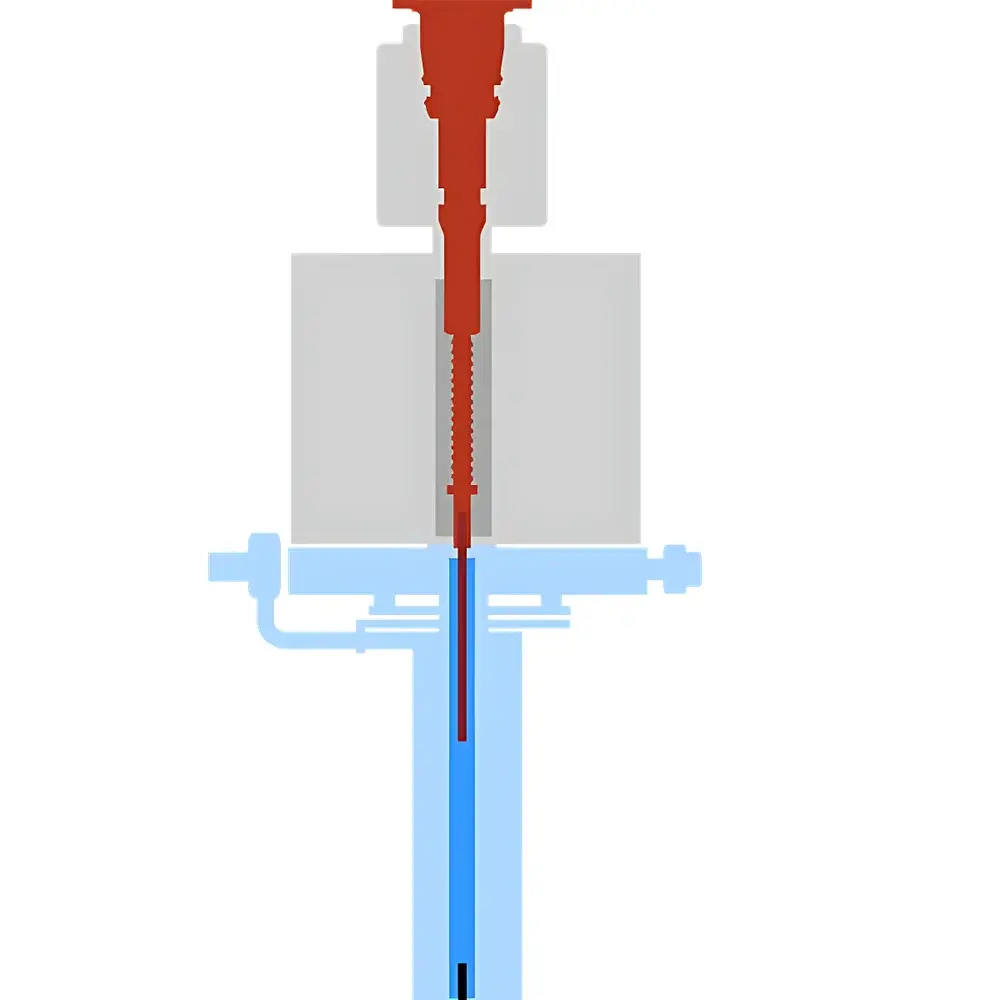
| Sample Introduction | Valveless, Transfer-Line-Free Direct Coupling to GC/MS |
| Optional Cryogenic Trapping | Compatible with CIS (Cold Injection System) for Dual-Stage Thermal Desorption |
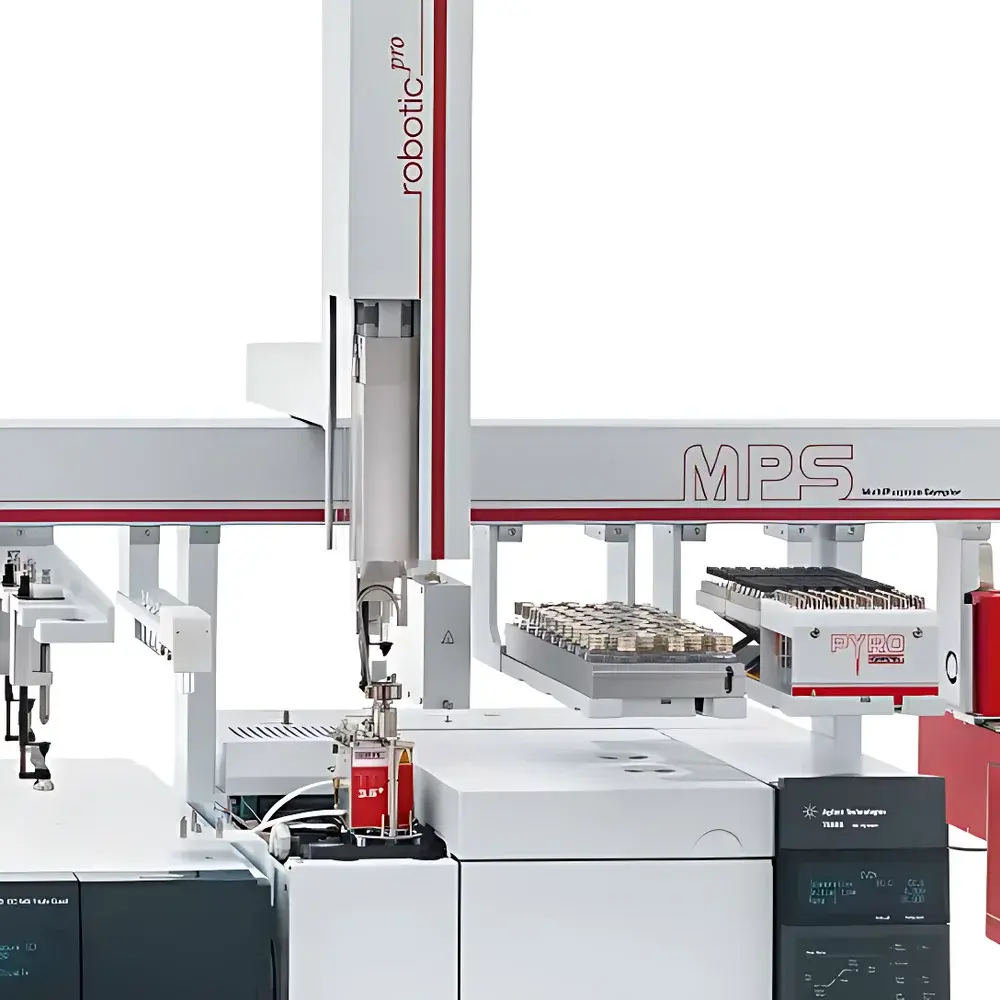
| Automation | Fully Integrated with MPS Robotic Sample Handling Platform |
| Compliance | Designed for GLP/GMP environments |
Overview
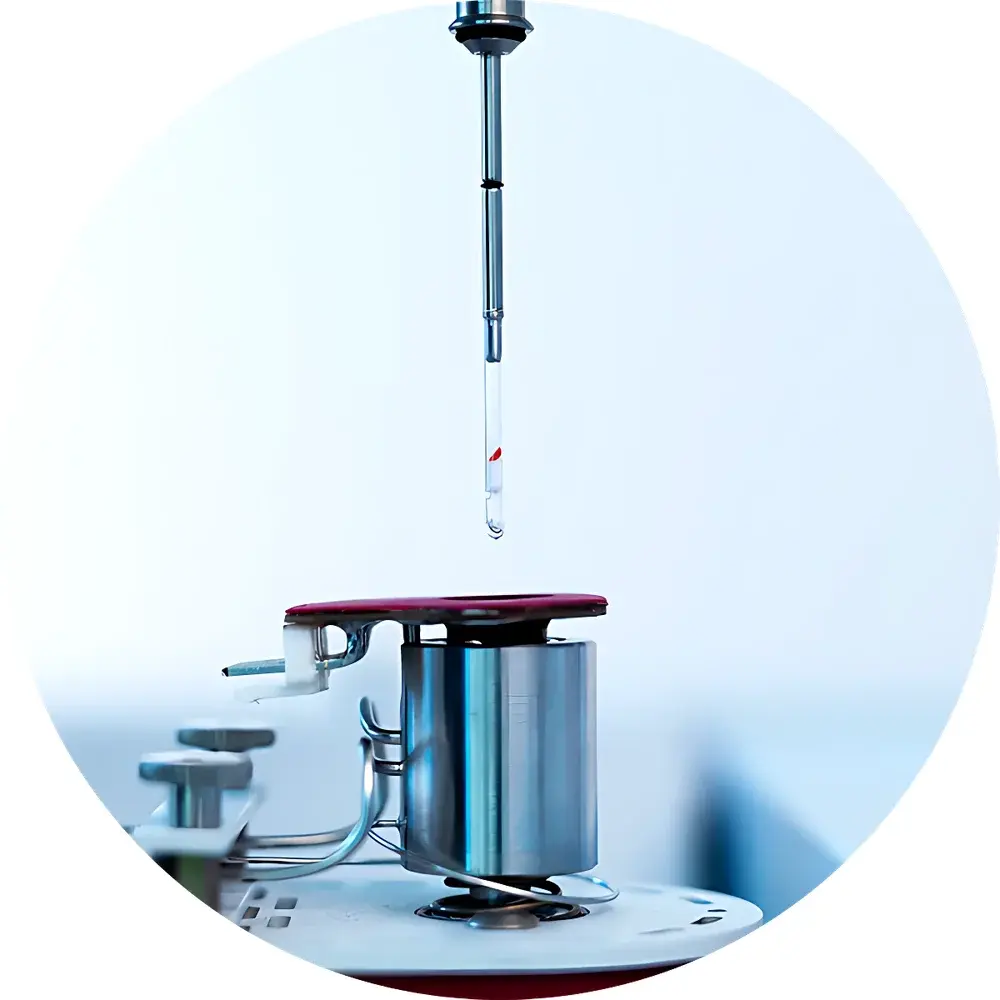
The GERSTEL PYRO is a high-precision, programmable filament-based pyrolyzer engineered for seamless integration with gas chromatography–mass spectrometry (GC/MS) systems. It operates on the principle of controlled thermal degradation—subjecting non-volatile organic materials to rapid, reproducible heating up to 1000 °C in an inert atmosphere—to generate characteristic volatile fragments suitable for chromatographic separation and mass spectral identification. Unlike conventional pyrolyzers relying on indirect temperature estimation, the PYRO implements four-point resistance measurement directly on its platinum filament, enabling real-time feedback control and empirical calibration of the actual sample-zone temperature. This capability ensures traceable, metrologically sound pyrolysis conditions—critical for method validation, inter-laboratory comparability, and regulatory submissions under ISO/IEC 17025, ASTM D7269, or USP <467>. As an upgrade module to the GERSTEL TDU2 thermal desorption unit, the PYRO retains full compatibility with existing TDU2 hardware, including cold trap (CIS) interfaces and robotic sample handling via the MPS platform.
Key Features
- True sample-zone temperature verification and active correction—only pyrolyzer on the market offering direct, traceable temperature metrology at the sample position
- Valveless, transfer-line-free interface to GC/MS eliminates adsorption sites, reduces carryover, and maximizes recovery of high-boiling-point analytes (e.g., polyaromatic hydrocarbons, polymer backbone fragments)
- Dual-mode introduction: (a) cryo-trapped pyrolysates followed by fast thermal desorption into the column (equivalent to secondary thermal desorption), or (b) direct hot-transfer for rapid screening applications
- Programmable pyrolysis modes: single-pulse, multi-stage (sequential temperature ramps), and thermogravimetric analysis (TGA)-simulated heating profiles
- Solvent venting function removes residual water or low-boiling solvents prior to pyrolysis—minimizing matrix interference and improving signal-to-noise for target fragment ions
- Full automation support via GERSTEL Maestro software; compatible with MPS Robotic for unattended batch processing of solid and liquid (dried) samples
Sample Compatibility & Compliance
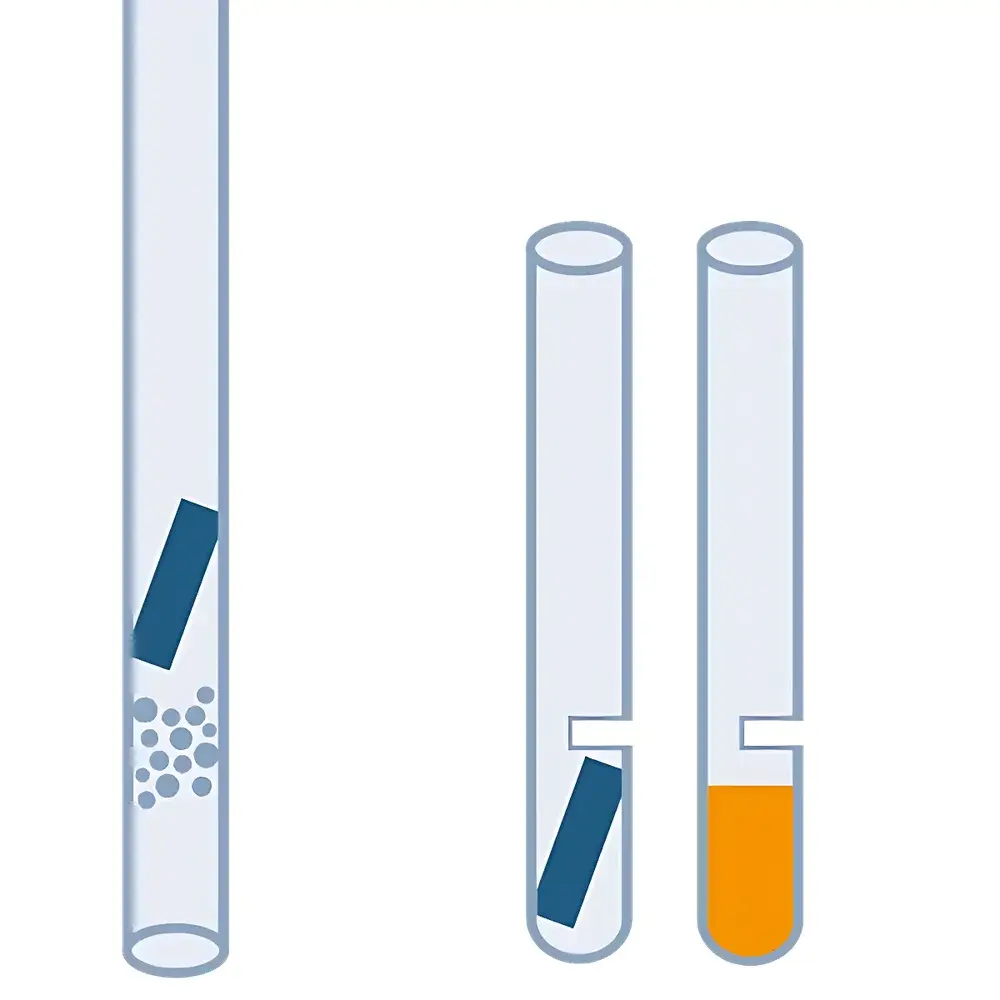
The PYRO accepts dried solid samples (e.g., polymers, soils, biological tissues, forensic residues) and pre-dried liquid extracts in standard quartz pyrolysis tubes (ID 3.5 mm, length 80 mm). Sample mass range: 0.01–5 mg, optimized for microgram-level detection limits when coupled with sensitive MS detectors. All thermal protocols—including ramp rates (0.1–100 °C/s), hold times (0.1–999 s), and multi-step sequences—are fully definable and repeatable. The system meets essential requirements for regulated environments: hardware timestamps, user-access logging, and electronic signature support align with FDA 21 CFR Part 11 when deployed with validated Maestro configurations. Method templates adhere to ISO 17025 documentation standards and are routinely applied in polymer QA/QC labs certified to ISO 9001 and IATF 16949.
Software & Data Management
GERSTEL Maestro serves as the unified control and data management environment for the PYRO. It provides ISO-compliant method creation, execution logging, and raw data archiving with SHA-256 hash integrity verification. Pyrolysis methods are stored as version-controlled XML files, supporting change tracking and rollback. Audit trail functionality records all parameter modifications, user logins, and instrument state transitions—enabling full traceability from sample loading to final report generation. Integration with LIMS platforms (via ASTM E1578-compliant APIs) allows automated result export and QC flagging based on predefined fragment ion ratios or retention time windows.
Applications
The PYRO is routinely deployed in polymer characterization (e.g., identification of copolymer composition, additive migration, degradation pathways), forensic paint and fiber analysis, food authenticity testing (e.g., detection of adulterants in edible oils or spices), and environmental forensics (e.g., source apportionment of microplastics or petroleum residues). Its ability to perform sequential thermal desorption–pyrolysis on the same sample enables comprehensive profiling of both volatile extractables and non-volatile macromolecular structures—reducing analytical turnaround time while preserving sample integrity.
FAQ
Can the PYRO be retrofitted to an existing GERSTEL TDU2 system?
Yes—the PYRO is designed as a drop-in upgrade module requiring only mechanical mounting and firmware update; no GC interface modifications are needed.
Does the PYRO require carrier gas optimization for different pyrolysis modes?
No—carrier gas flow (helium or hydrogen) is managed automatically by the integrated GC pressure control; optimal linear velocity is maintained across all heating profiles.
How is temperature accuracy verified during routine operation?
GERSTEL provides NIST-traceable calibration kits with reference materials (e.g., polyethylene, polystyrene); users can perform in-situ temperature verification using characteristic fragment ion ratios and retention time shifts.
Is method transfer between laboratories supported?
Yes—Maestro method files include embedded instrument configuration metadata, ensuring consistent performance across identical PYRO installations when paired with equivalent GC/MS hardware and column chemistries.
Related Products





