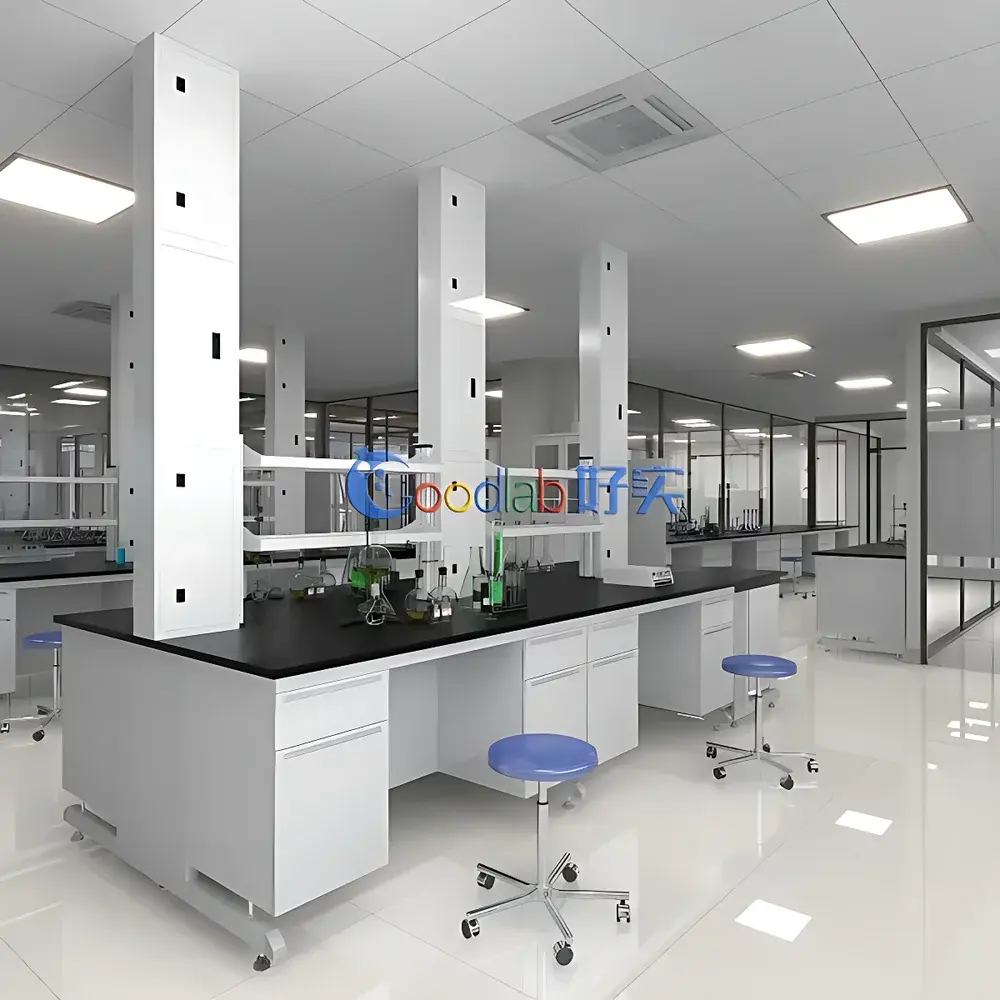
GoodLab GLYFZ Design & Construction Service for R&D Centers and Research Laboratories
| Brand | GoodLab |
|---|---|
| Origin | Sichuan, China |
| Manufacturer Type | Direct Manufacturer |
| Country of Origin | China |
| Model | GLYFZXJS |
| Pricing | Upon Request |
| Design Experience | 15 Years |
Overview
GoodLab’s R&D Center Design & Construction Service is a comprehensive, turnkey solution engineered for scientific institutions, pharmaceutical companies, biotechnology firms, and advanced manufacturing enterprises seeking to establish or upgrade mission-critical research laboratories. Unlike generic interior fit-outs, this service integrates architectural planning, engineering compliance, workflow optimization, and regulatory foresight from the earliest schematic phase through final commissioning. The design methodology is grounded in evidence-based spatial ergonomics and ISO/IEC 17025-aligned infrastructure principles—ensuring that laboratory environments support reproducible science, personnel safety, and long-term operational scalability. Each project begins with a functional needs assessment, followed by iterative layout modeling, MEP (mechanical, electrical, plumbing) integration, and hazard-specific zoning (e.g., chemical fume hood corridors, vibration-isolated instrumentation rooms, or biosafety level–compatible circulation paths).
Key Features
- Human-Centered Spatial Planning: Workflows are mapped using time-motion analysis and anthropometric standards (ISO 11228-1) to minimize non-productive movement, reduce cognitive load, and enhance collaboration—featuring acoustically separated quiet zones, writable wall surfaces, and adjustable-height workstations.
- Functional Zoning Architecture: Segregated yet interconnected zones—including wet lab bays with chemical-resistant epoxy flooring and trench drains, dry analytical areas with ESD-safe finishes, administrative pods with glare-free LED task lighting, and decompression-controlled rest lounges equipped with circadian lighting systems.
- Green & Sustainable Infrastructure: All material specifications comply with GB/T 18883–2022 (Indoor Air Quality Standard) and incorporate low-VOC adhesives, formaldehyde-free MDF, and energy-efficient HVAC systems with heat recovery wheels and demand-controlled ventilation (DCV) sensors.
- Integrated Safety Engineering: Structural provisions for seismic bracing (per GB 50011), explosion-relief panels in solvent storage zones, dual-circuit emergency power for critical life-safety systems, and seamless integration of biosafety cabinets (Class II A2/B2) with dedicated exhaust stacks meeting EN 14175 requirements.
- Digital Readiness Framework: Pre-wired infrastructure for IoT sensor networks (temperature, humidity, CO₂, particulate), structured cabling compliant with ISO/IEC 11801 Category 6A, and conduit pathways预留 for future robotic automation or LIMS interface expansion.
Sample Compatibility & Compliance
This service supports diverse laboratory typologies—including analytical chemistry, materials characterization, cell culture, and microelectronics R&D—each requiring distinct environmental controls and containment strategies. All designs adhere to national and international regulatory frameworks: GB 50073–2013 (Cleanroom Standards), GB 50346–2011 (Biosafety Laboratory Construction), and referenced clauses of ISO 15190:2020 (Medical Laboratories – Requirements for Safety). For multinational clients, documentation packages include cross-referenced equivalency statements against ANSI/ASHRAE 110, NFPA 45, and EU Directive 2010/32/EU (Work Equipment Safety).
Software & Data Management
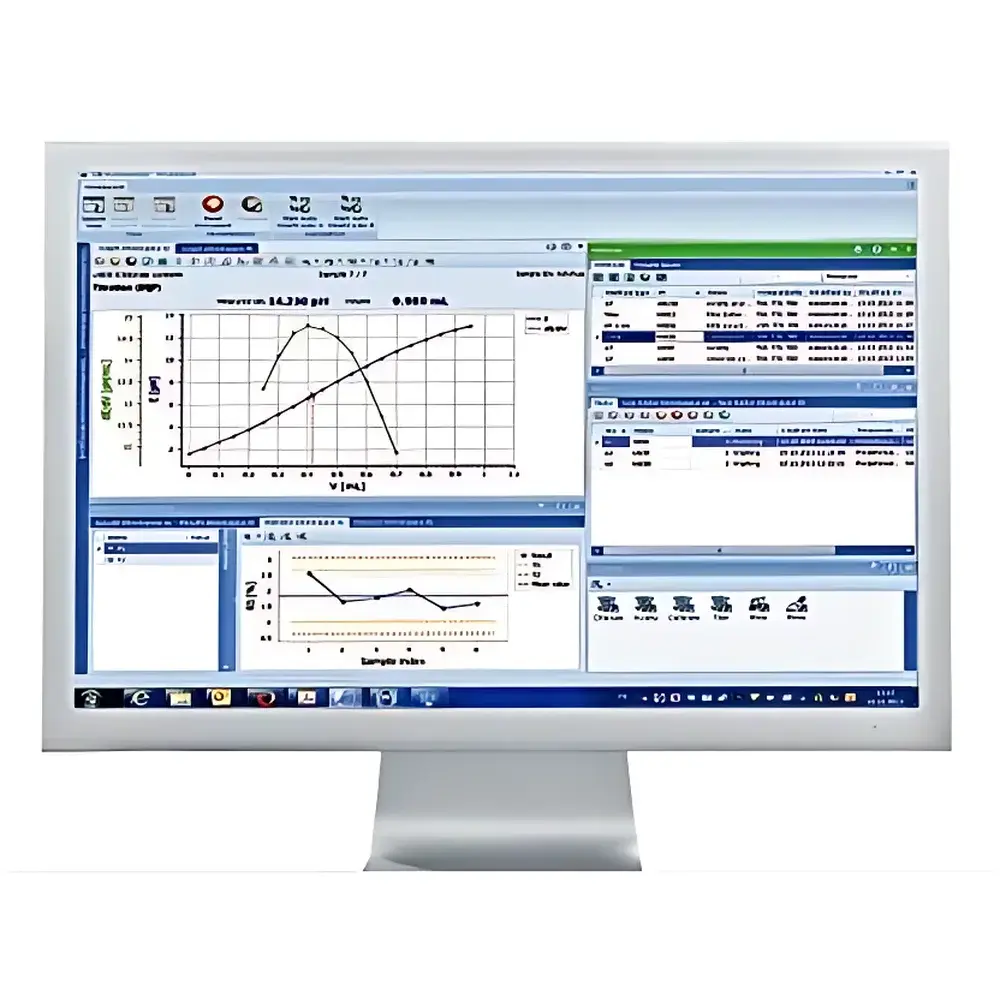
Design deliverables include BIM-enabled Revit models (IFC 4.3 exportable), clash-detection reports, and integrated facility management (IFM) metadata tagging for asset lifecycle tracking. All documentation is archived in a secure, audit-ready format supporting GLP/GMP traceability—complete with revision-controlled drawing sets, equipment specification sheets, and third-party validation protocols (e.g., airflow visualization reports, static pressure differentials, and sound pressure level measurements). Optional add-ons include digital twin deployment for real-time environmental monitoring and predictive maintenance scheduling.
Applications
- Pharmaceutical R&D facilities requiring USP <797>/<800> compliance for sterile compounding and hazardous drug handling.
- University core facilities needing modular, reconfigurable bench layouts to accommodate evolving grant-funded projects.
- Automotive battery testing labs demanding vibration isolation (<0.5 µm RMS), thermal stability (±0.3°C), and gas detection redundancy.
- Agri-tech innovation centers integrating controlled-environment growth chambers with adjacent molecular analysis suites.
- Nanomaterial synthesis labs requiring Class 100 cleanrooms, inert-gas purged gloveboxes, and HEPA/ULPA filtration cascades.
FAQ
Does GoodLab provide post-construction validation and certification support?
Yes—third-party commissioning services include air balance reports, fume hood face velocity verification (per ASHRAE 110), and biosafety cabinet certification (NSF/ANSI 49), delivered with full traceability to accredited calibration labs.
Can the design accommodate future expansion or technology upgrades?
All master plans include 20% reserved capacity in electrical distribution, HVAC tonnage, and data backbone bandwidth—plus structural allowances for ceiling-mounted robotic arms or overhead utility carriers.
Is GoodLab experienced with international clients subject to FDA or EMA oversight?
Yes—over 32% of completed projects serve multinational clients; documentation aligns with FDA 21 CFR Part 11 electronic record requirements and includes full audit trails for design change control.
What is the typical timeline from concept to handover?
Standard engagement spans 16–24 weeks, depending on scope complexity and permitting jurisdiction—broken into four phases: Needs Assessment (2–3 wks), Schematic Design (4–6 wks), Technical Documentation & Permitting (6–8 wks), and Construction Supervision + Commissioning (4–7 wks).
Related Products