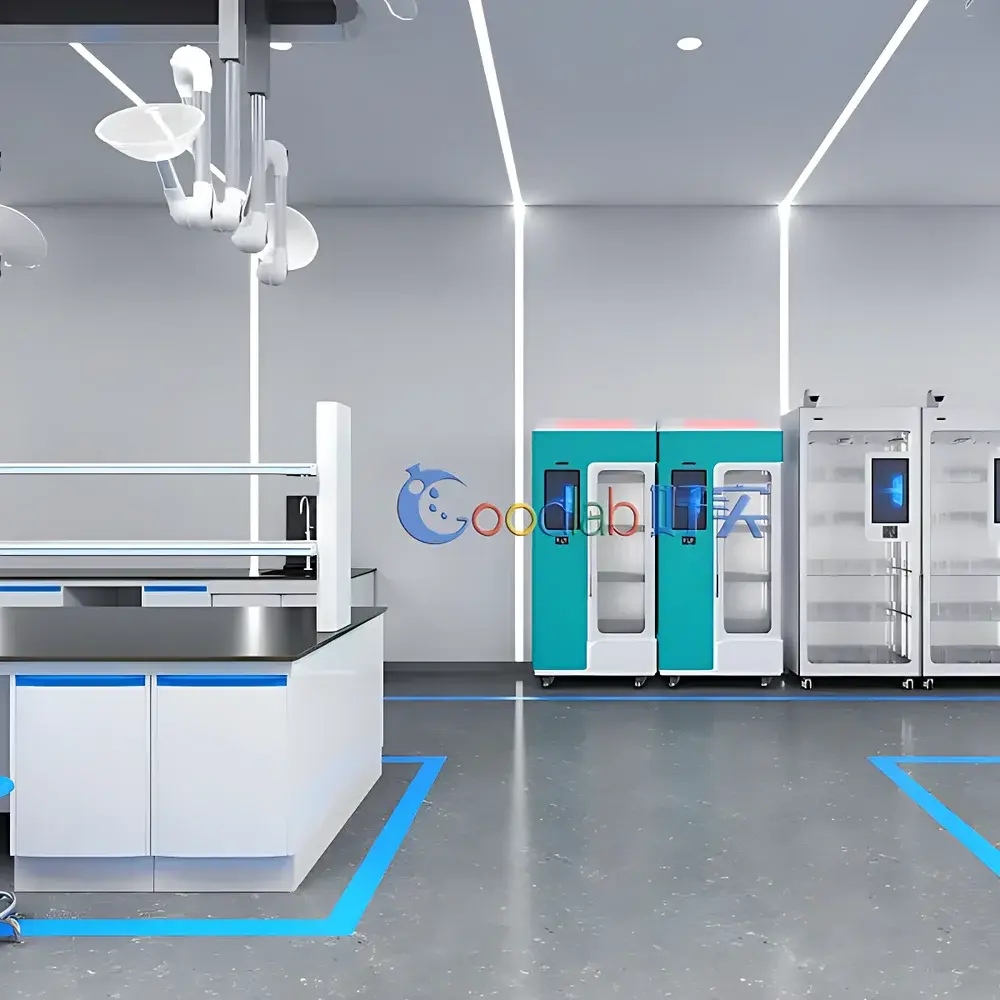
GoodLab GLzhsya Smart Laboratory Planning & Design Service
| Brand | GoodLab |
|---|---|
| Origin | Sichuan, China |
| Manufacturer Type | Direct Manufacturer |
| Country of Origin | China |
| Model | GLzhsya |
| Pricing | Upon Request |
| Design Experience | 15 Years |
Overview
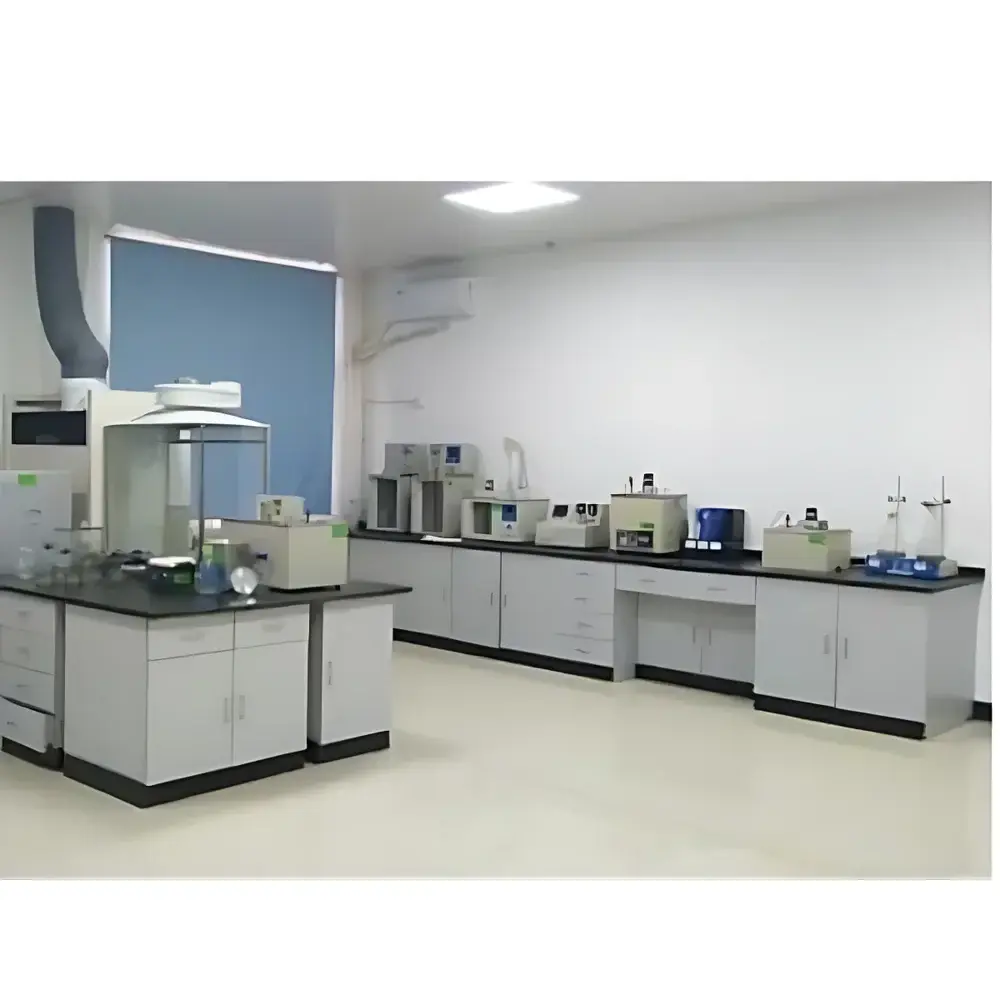
GoodLab GLzhsya Smart Laboratory Planning & Design Service is a comprehensive, engineering-led laboratory infrastructure solution tailored for research institutions, pharmaceutical QC labs, academic core facilities, and industrial R&D centers. Unlike generic architectural consulting, this service integrates domain-specific scientific workflow analysis with Industry 4.0 digital architecture—leveraging IoT sensor networks, edge-enabled device integration, AI-driven resource optimization algorithms, and cloud-native data governance frameworks. The core methodology follows the ISO/IEC 17025:2017-aligned “lab-as-a-system” principle, where physical layout, HVAC zoning, safety interlocks, instrument connectivity protocols (e.g., IEEE 802.3, MQTT, OPC UA), and cyber-physical security layers are co-designed from first principles. It addresses not only spatial efficiency but also long-term adaptability to evolving analytical standards (e.g., USP <1058>, ASTM E2500, ISO 14644 cleanroom classifications) and regulatory audit readiness.
Key Features
- Workflow-Centric Layout Engineering: Spatial configuration derived from time-motion studies of actual experimental protocols—including sample intake, preparation, instrumentation, data review, and waste handling—to minimize cross-contamination risk and operator fatigue.
- IoT-Ready Infrastructure: Pre-wired conduit pathways, PoE++ (802.3bt) power delivery, and shielded Category 6A+ cabling supporting real-time device telemetry, remote diagnostics, and predictive maintenance integration.
- Unified Environmental Intelligence: Distributed sensor mesh (temperature, humidity, VOCs, particulate count, CO₂, differential pressure) feeding into a central BMS with automated HVAC response logic compliant with ISO 14644-1 Class 5–8 requirements.
- Interoperable Device Integration Framework: Standardized API gateways and middleware (RESTful/JSON, HL7 FHIR for bio-labs) enabling seamless connectivity between LIMS, ELN, chromatography data systems (CDS), and robotic liquid handlers.
- GLP/GMP-Compliant Digital Audit Trail: Built-in timestamped logging of all access events, environmental deviations, equipment status changes, and user actions—designed to meet FDA 21 CFR Part 11 electronic record/electronic signature requirements.
- Scalable Cloud Data Architecture: On-premise or hybrid deployment options with encrypted data pipelines, role-based access control (RBAC), and metadata tagging aligned with FAIR (Findable, Accessible, Interoperable, Reusable) principles.
Sample Compatibility & Compliance
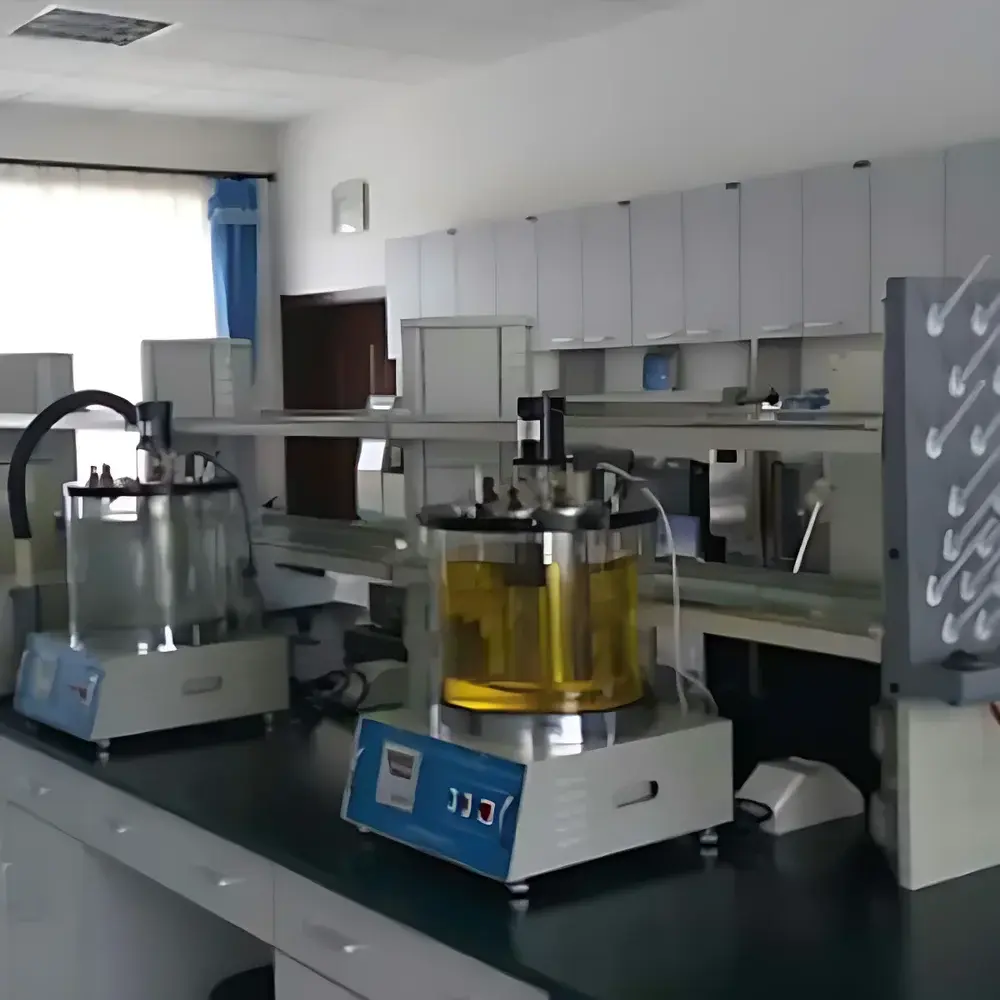
The GLzhsya design framework supports heterogeneous laboratory typologies—including wet chemistry suites, cell culture biosafety level 2 (BSL-2) environments, analytical instrumentation bays (HPLC, GC-MS, ICP-MS), and material testing zones—without compromising domain-specific regulatory constraints. All designs adhere to national building codes (GB 50019, GB 50346), international safety standards (IEC 61000-6-4 EMC, NFPA 45), and industry-specific guidelines such as CLSI GP35-A4 for clinical lab planning and ASTM E2656 for pharmaceutical facility validation. Electrical schematics include dedicated grounding for sensitive instrumentation; ventilation layouts incorporate HEPA filtration and airflow containment per ASHRAE 110 tracer gas testing protocols.
Software & Data Management
GoodLab provides an integrated digital twin platform—deployed on secure private cloud infrastructure—that mirrors the physical lab’s topology, equipment inventory, calibration schedules, and SOP repository. This platform enables dynamic simulation of workflow bottlenecks, energy consumption forecasting, and real-time occupancy analytics. Data ingestion pipelines support structured (SQL databases, CSV exports) and semi-structured (JSON, XML) formats from third-party instruments and enterprise systems. Audit logs are immutable, cryptographically hashed, and retained for configurable durations (≥36 months), satisfying retention mandates under ISO/IEC 17025 Clause 7.5.2 and EU Annex 11. Optional integration with LabVantage LIMS or Thermo Fisher SampleManager is available via certified connector modules.
Applications
- Greenfield construction of university core analytical facilities requiring multi-user scheduling, instrument sharing, and federated data governance.
- Retrofitting legacy QA/QC laboratories in pharmaceutical manufacturing sites to achieve ALCOA+ data integrity compliance.
- Designing modular, reconfigurable lab units for contract research organizations (CROs) serving diverse client assay portfolios.
- Establishing regional reference labs under national public health initiatives—integrating point-of-care diagnostic devices with centralized epidemiological dashboards.
- Supporting national metrology institutes in deploying traceable measurement environments compliant with ILAC G19 and BIPM CIPM MRA requirements.
FAQ
Does GoodLab provide turnkey construction management, or is this strictly a design consultancy?
GoodLab delivers end-to-end project execution—including schematic design, detailed engineering drawings, tender documentation, vendor coordination, and commissioning support—but does not hold general contractor licenses. We partner exclusively with Class A licensed construction firms accredited by the Ministry of Housing and Urban-Rural Development (China).
Can the GLzhsya framework integrate with existing LIMS or ELN platforms already deployed in our facility?
Yes. Integration is implemented via documented REST APIs, HL7 interfaces, or flat-file exchange mechanisms. Compatibility assessments are conducted during the Discovery Phase using your current system’s technical specifications and version release notes.
How is cybersecurity addressed in the smart lab architecture?
Network segmentation (OT/IT demilitarized zones), TLS 1.3 encryption for all inter-device communications, NIST SP 800-53 Rev. 5-aligned access controls, and quarterly vulnerability scanning are embedded into the baseline design package.
Related Products