
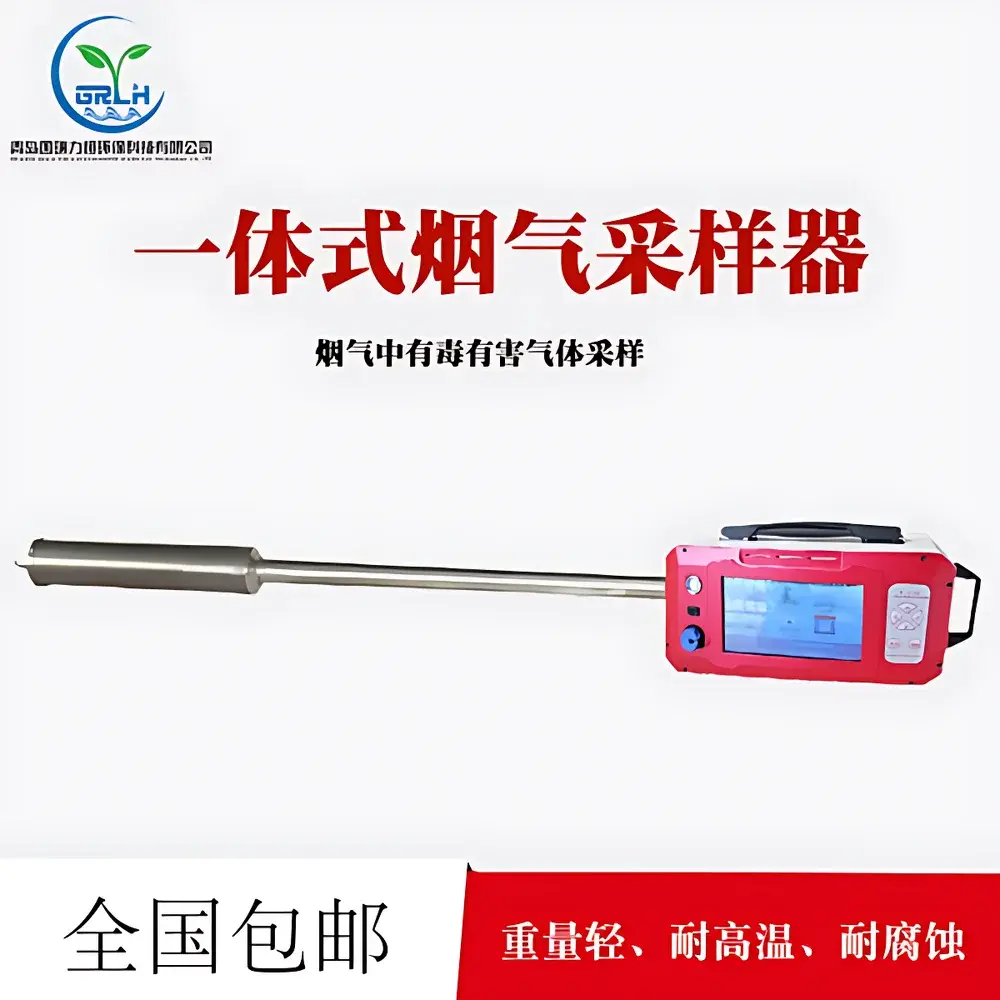
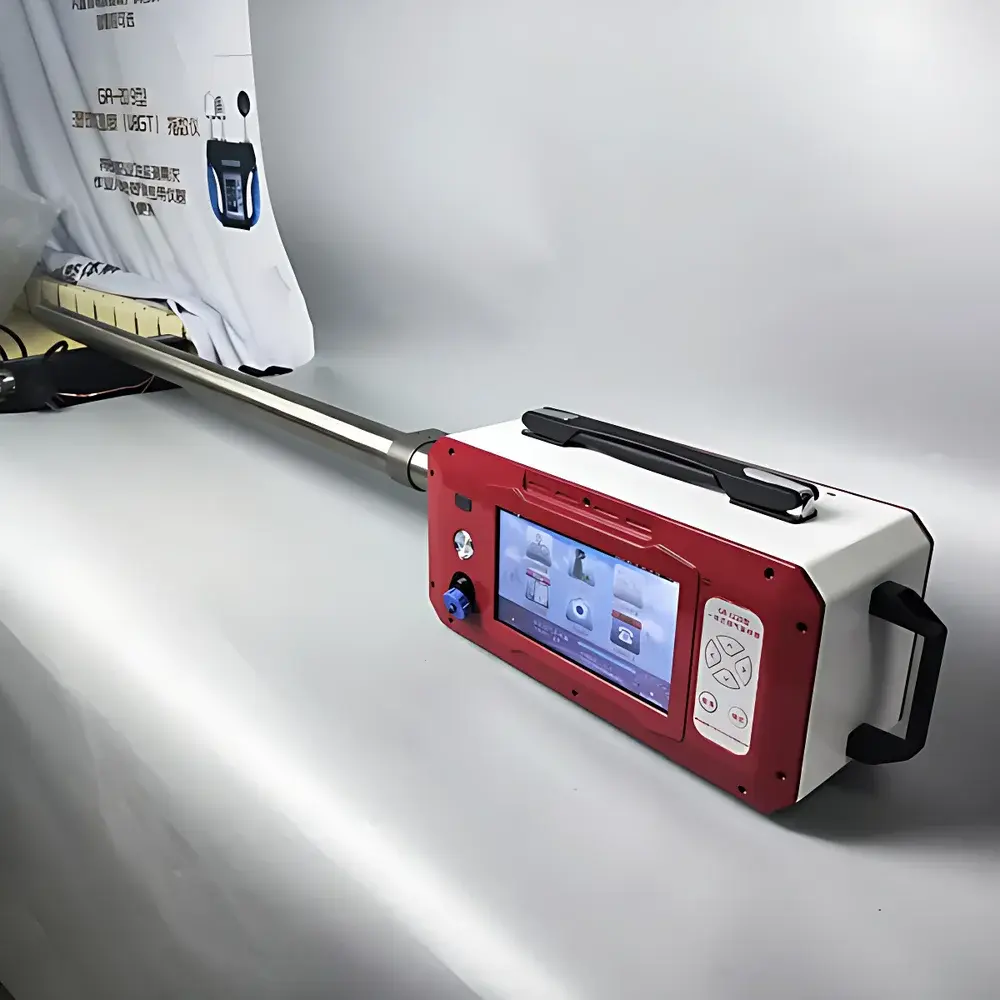
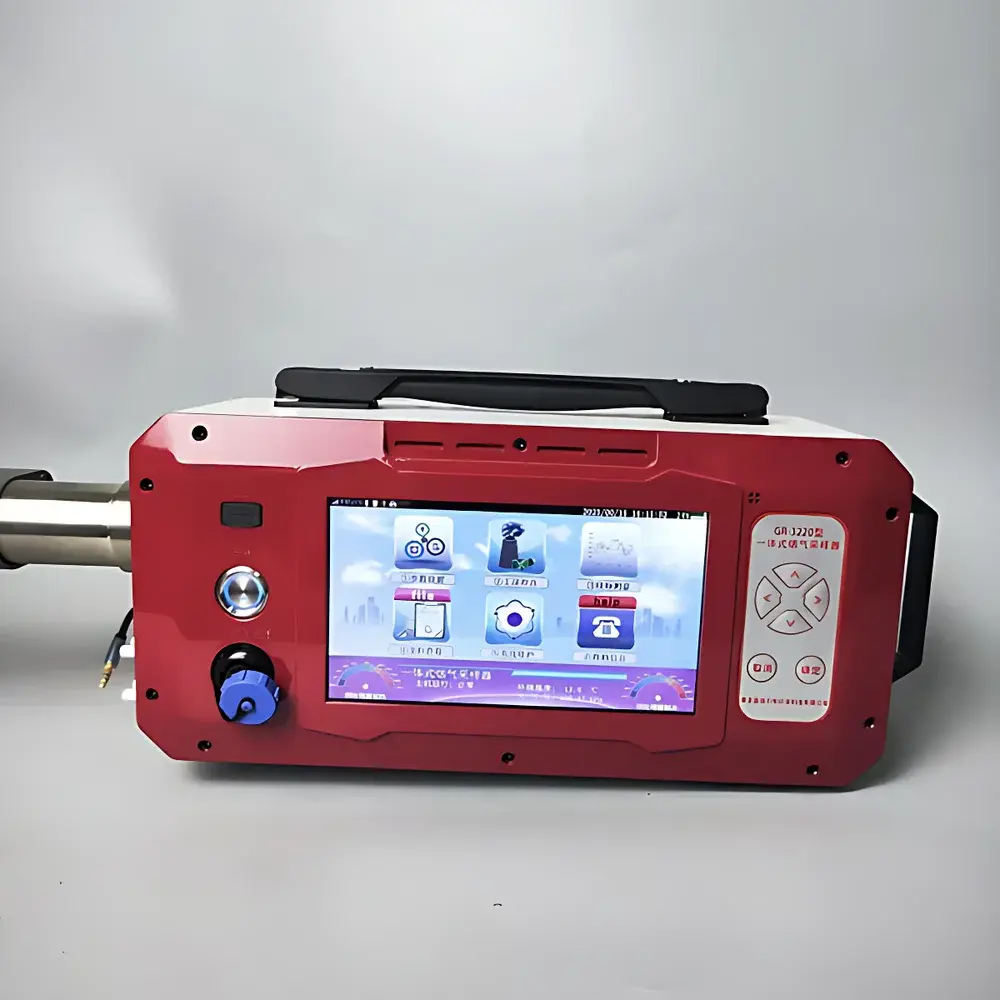
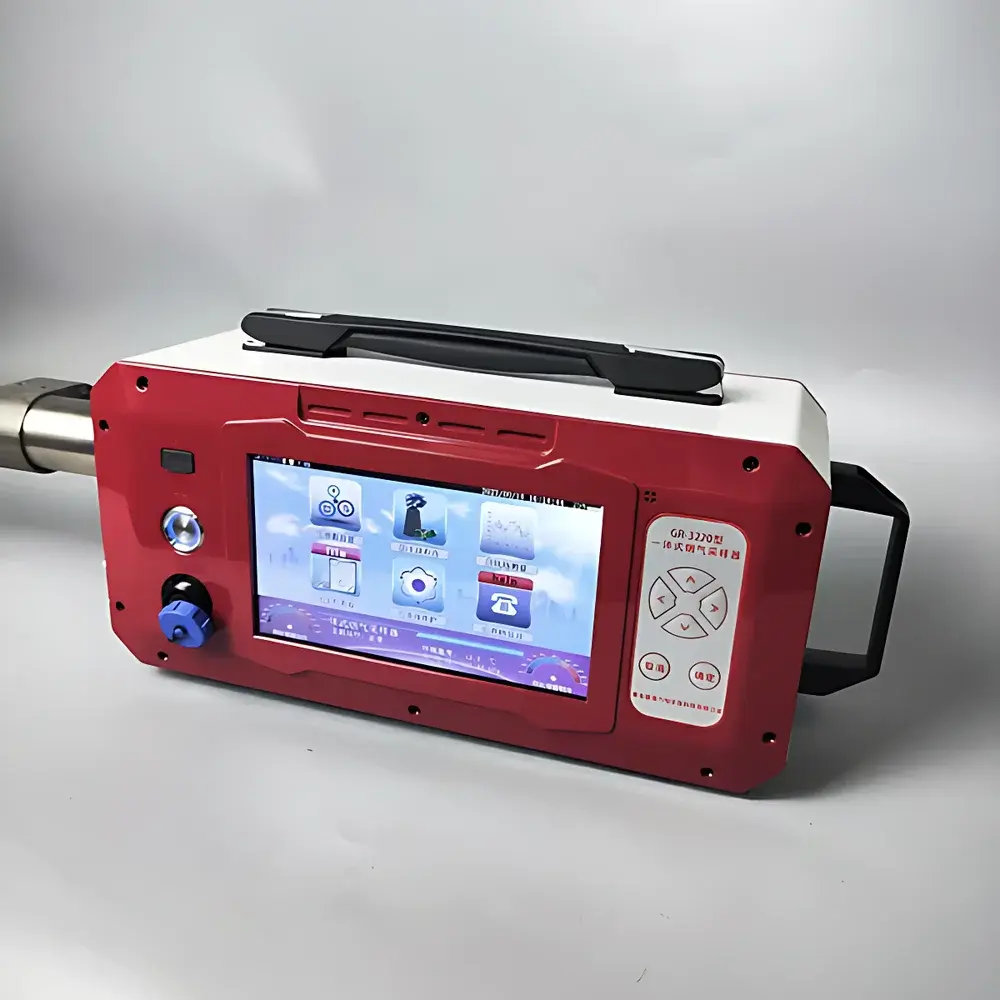
Guo Ruili Heng GR-3220 Integrated Flue Gas Sampling System for Mercury and Toxic Gaseous Pollutants
| Brand | Guo Ruili Heng |
|---|---|
| Origin | Shandong, China |
| Manufacturer Type | Direct Manufacturer |
| Country of Origin | China |
| Model | GR-3220 |
| Sampling Flow Rate | (0.1–1.5) L/min |
| Flow Accuracy | ≤ ±2.5% |
| Sampling Temperature Range | (−50–500) °C |
| Flue Gas Velocity Range | (1–45) m/s |
| Target Analytes | Gaseous mercury (Hg⁰, Hg²⁺), SO₂, NOₓ, HCl, HF, and other toxic gaseous pollutants |
Overview
The Guo Ruili Heng GR-3220 Integrated Flue Gas Sampling System is an engineered solution for regulatory-compliant, field-deployable sampling of gaseous mercury and co-emitted toxic pollutants from stationary combustion sources. Designed in strict accordance with U.S. EPA Method 30B and Chinese national standards—including HJ 917–2017, HJ/T 47–1999, GB/T 16157–1996, and HJ/T 397–2007—the system implements dual-mode collection: aqueous absorption for soluble acidic gases (e.g., SO₂, HCl, HF) and thermally stable adsorption tubes (e.g., iodated carbon or gold-coated quartz) for total gaseous mercury speciation (Hg⁰ and reactive Hg²⁺). Its integrated architecture combines a heated sampling probe, precision flow control, real-time flue gas parameter monitoring (temperature, static/dynamic pressure, velocity, moisture content, and O₂ concentration), and on-board data logging—enabling traceable, auditable sample acquisition under variable stack conditions.
Key Features
- Monolithic probe–controller integration: Compact footprint (≤380 × 220 × 180 mm), lightweight titanium alloy probe (<2.8 kg), optimized for manual deployment in confined access points or mobile monitoring platforms.
- Full-path heated sampling line: Maintains probe tip-to-absorber temperature ≥120 °C to prevent mercury adsorption loss and condensate formation; Peltier-based rapid cooling module at the moisture separator ensures dew point suppression without mechanical refrigeration.
- Dual independent high-vacuum sampling pumps: Each rated for ≥−40 kPa suction pressure, individually programmable for differential flow control during parallel absorption/adsorption sampling; integrated leak-check protocol per ASTM D7520–18.
- Real-time flue gas metrology: Simultaneous measurement of stack temperature (±0.5 °C), differential pressure (±1 Pa), velocity (calculated via pitot tube with ISO 10780–1 calibration), volumetric moisture (0–40% v/v, ±0.3% absolute), and paramagnetic O₂ (0–25%, ±0.1% abs).
- Intelligent sampling logic: Auto-purge function expels ambient air from the probe prior to sampling initiation; dynamic flow compensation adjusts setpoint based on real-time temperature/pressure to maintain isokinetic sampling fidelity.
- Robust human–machine interface: 7-inch sunlight-readable capacitive touchscreen with wide-temperature operation (−20 to 60 °C); dual input mode (touch + tactile keys); supports multilingual UI (English, Chinese, Spanish).
- Power flexibility: Operates on AC 100–240 V or internal rechargeable Li-ion battery (≥4.5 h continuous runtime at 1.0 L/min); automatic resume-on-power-restoration with timestamped interruption logging.
Sample Compatibility & Compliance
The GR-3220 accommodates standardized sampling media per regulatory protocols: 10-mm OD quartz adsorption tubes (EPA 30B), impingers containing KCl/H₂O₂ or NaOH solutions (for SO₂/NOₓ), and certified silica gel–desiccant cartridges for moisture correction. All wet chemistry components are chemically inert (PTFE/FEP-lined) and validated for <1 ng Hg breakthrough at 1.5 L/min over 60 min. The system meets GLP data integrity requirements: audit-trail enabled firmware logs all parameter changes, operator IDs (via optional RFID badge), and calibration events; raw sensor outputs are stored unaltered with microsecond timestamps. It supports 21 CFR Part 11–compliant electronic signatures when paired with validated third-party LIMS interfaces.
Software & Data Management
Built-in firmware version 3.2 provides full local data governance: >100,000 sample records retained with embedded metadata (probe ID, tube lot#, analyst ID, ambient barometric pressure, calibration certificate expiry). Data export options include USB 2.0 mass storage (CSV/Excel-compatible), Bluetooth 5.0 wireless transmission to field tablets, and direct thermal printing (integrated 58-mm printer). Optional PC software (GR-Suite v2.1) enables automated report generation per HJ 917–2017 Annex B, uncertainty budgeting per ISO/IEC 17025:2017 Clause 7.6.2, and trend analysis across multi-site campaigns. Firmware updates are digitally signed and validated against SHA-256 checksums.
Applications
- Regulatory compliance monitoring at coal-fired power plants, waste incinerators, and cement kilns under China’s GB 13223–2011 and EU IED Annex VI.
- Mercury speciation studies supporting sorbent injection optimization and activated carbon performance validation.
- Stack testing for acid gas emissions (SO₂, HCl, HF) during MACT or Best Available Techniques (BAT) assessments.
- Method validation and round-robin interlaboratory studies requiring traceable, isokinetic sampling under high-velocity (>30 m/s), high-moisture (>25%) flue conditions.
- Educational use in environmental engineering labs for hands-on training in EPA Method 30B execution, QA/QC procedures, and stack parameter correlation modeling.
FAQ
Does the GR-3220 support isokinetic sampling correction in real time?
Yes. The system continuously calculates required nozzle velocity using measured flue gas temperature, static pressure, and pitot differential pressure, then dynamically adjusts pump speed to maintain ±5% isokinetic deviation per ISO 10780–1.
Can adsorption tubes be changed without breaking the heated zone seal?
Yes. The quick-release silicone coupling between the heated adsorption chamber and tube holder maintains thermal continuity while allowing tool-free tube replacement—validated for zero leakage at 1.5 L/min under 50 kPa backpressure.
Is firmware upgrade capability available post-purchase?
Yes. Field-upgradable firmware is distributed via encrypted USB key or secure HTTPS portal; each release includes revision-controlled change logs and impact assessments per IEC 62304 Class B software lifecycle requirements.
What calibration standards does the GR-3220 accept for flow verification?
Certified primary standards including bubble meters (NIST-traceable), critical orifices (ISO 6707–2), and electronic calibrators meeting ISO/IEC 17025 calibration scope for volumetric flow (0.1–2.0 L/min, ±0.5% reading).
How is data integrity ensured during extended unattended operation?
All measurements are written to redundant non-volatile memory (SPI NOR + eMMC); power-loss recovery preserves last valid 15-min dataset with CRC-32 validation; clock drift is corrected via GPS-synced NTP server option.







