
H2G1 Portable Hydrogen Generator by ALS (Japan)
| Brand | ALS (Japan) |
|---|---|
| Origin | Japan |
| Manufacturer Type | Authorized Distributor |
| Country of Origin | Imported |
| Model | H2G1 |
| Instrument Category | Electrochemical Hydrogen Generator |
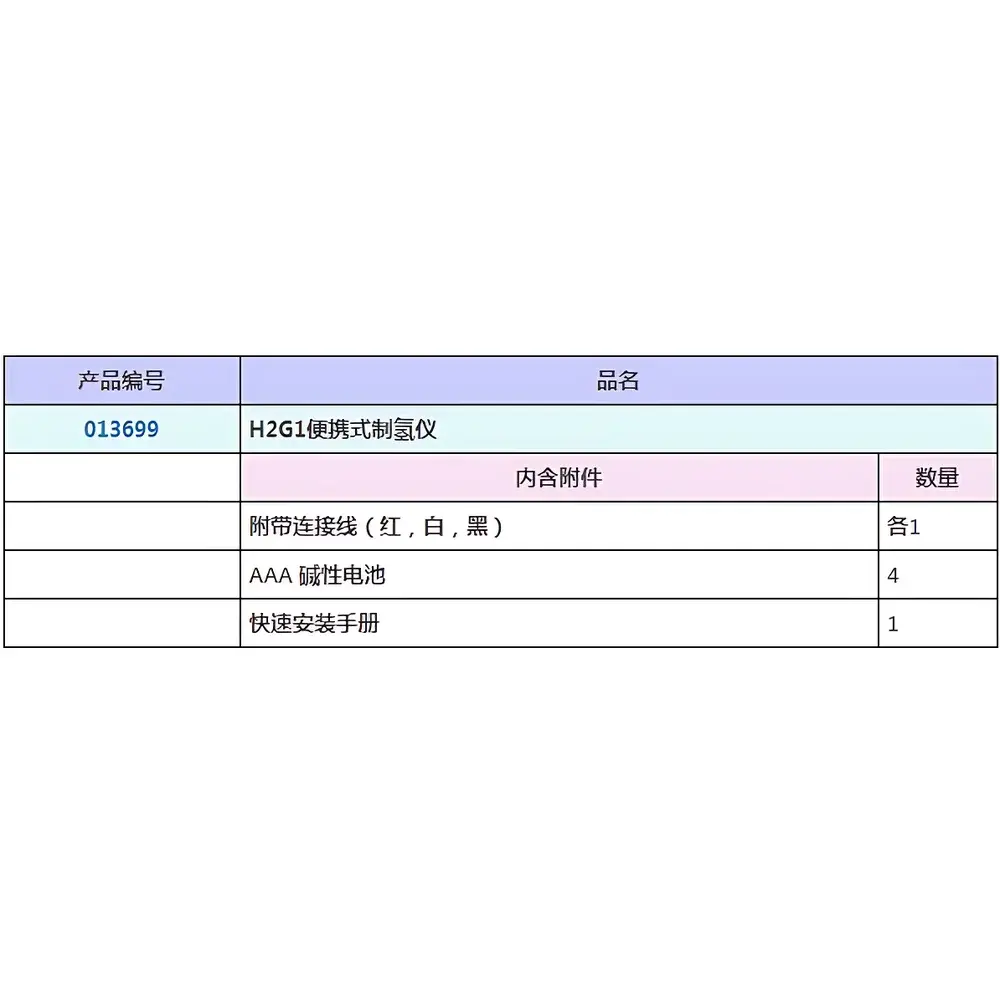
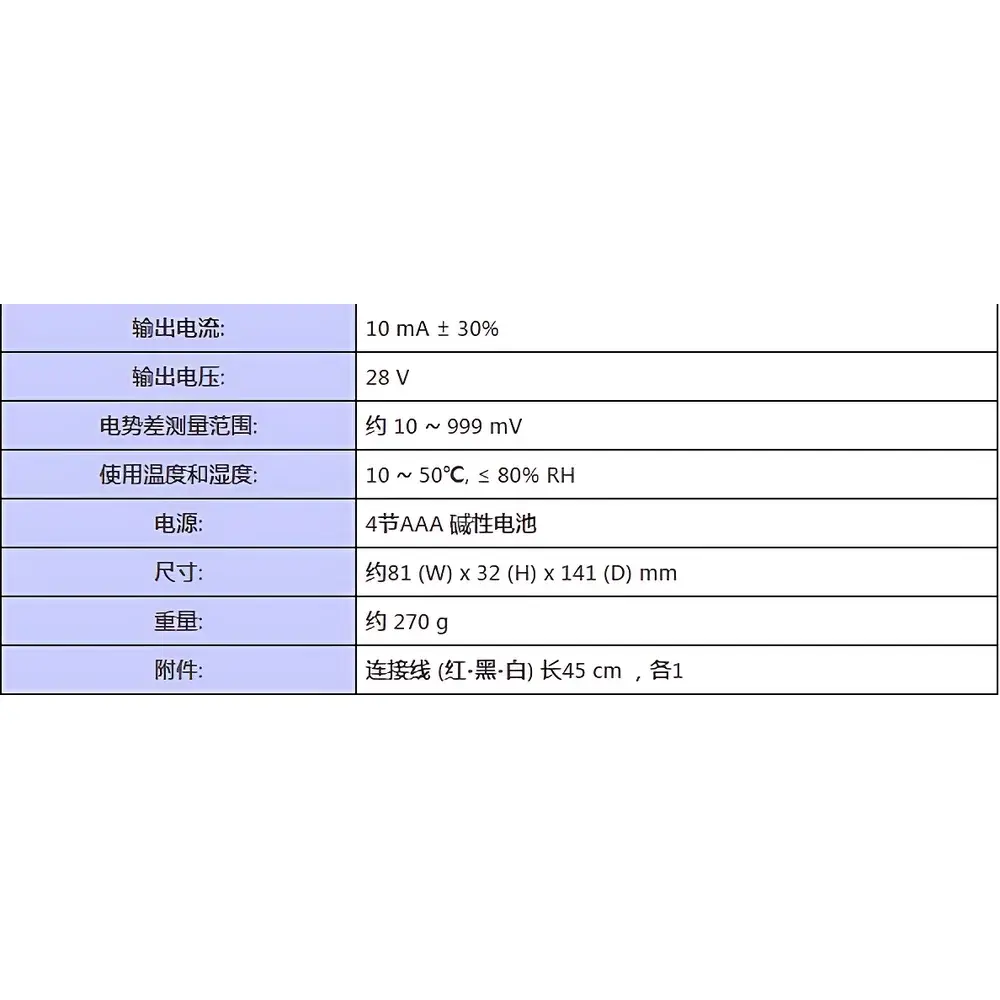
| Power Source | 4×AAA batteries (≈30 operations) |
| Electrolysis Time | ~4 min (with 1.2 mol/L HCl solution) |
| Dimensions | 80 mm (W) × 35 mm (H) × 140 mm (D) |
Overview
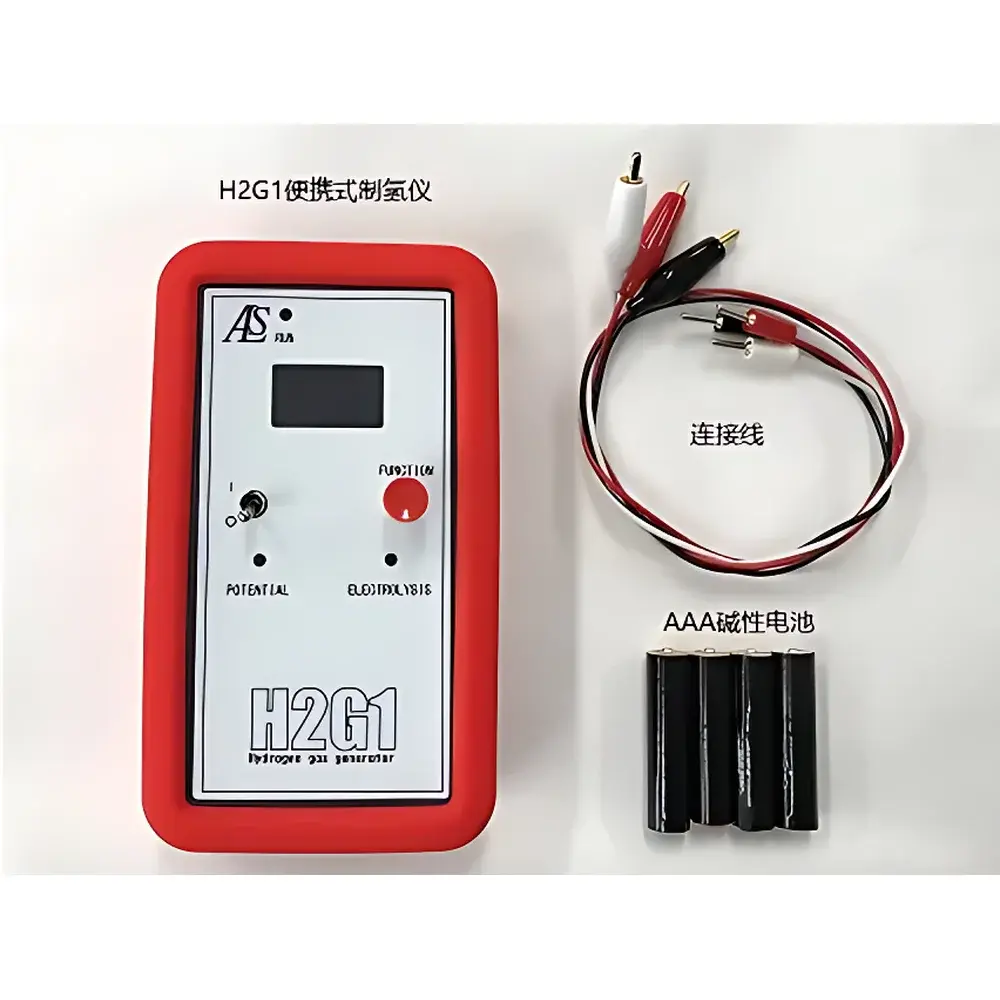
The H2G1 Portable Hydrogen Generator, engineered by ALS Co., Ltd. of Japan, is a compact, battery-powered electrochemical hydrogen generation system designed for on-site or field-deployable applications requiring high-purity hydrogen gas. Unlike conventional gas cylinders or large-scale electrolyzers, the H2G1 employs controlled acid-mediated water electrolysis—using hydrochloric acid (HCl) as the proton-conducting electrolyte—to generate hydrogen via a low-voltage DC current across a proprietary electrode assembly. This principle ensures stoichiometric, on-demand H₂ production without external gas supply infrastructure. The device operates exclusively in ambient conditions and delivers hydrogen at near-ambient pressure and temperature, making it suitable for integration with portable gas chromatographs (GC), hydrogen flame ionization detectors (FID), or small-scale catalytic reactors where trace-level, consistent hydrogen flow is critical. Its design prioritizes operational safety through integrated overcurrent protection, sealed electrolyte containment, and passive thermal management—eliminating risks associated with pressurized gas storage.
Key Features
- Compact form factor (80 × 35 × 140 mm) enables benchtop, glovebox, or mobile laboratory deployment
- Battery-operated architecture using four standard AAA cells supports approximately 30 full-generation cycles per set—ideal for remote or off-grid use
- Rapid hydrogen generation: ~4 minutes to produce sufficient H₂ from 1.2 mol/L HCl solution for typical analytical start-up sequences
- Integrated electrochemical cell with corrosion-resistant electrodes and chemically stable membrane separator ensures long-term repeatability and minimal maintenance
- Onboard status indicators provide real-time feedback on electrolysis progress, battery level, and system readiness
- No external power supply required—no need for AC adapters, inverters, or grounding infrastructure
Sample Compatibility & Compliance
The H2G1 is compatible with aqueous hydrochloric acid solutions at concentrations up to 1.2 mol/L, which serve as both electrolyte and proton source. It does not support alkaline electrolytes, organic solvents, or solid-phase precursors. As an electrochemical gas generator—not a gas storage device—it complies with IEC 61010-1:2010 for electrical safety in laboratory equipment and meets JIS C 61010-1 standards for measurement, control, and laboratory use. While not certified for hazardous area operation (e.g., ATEX or IECEx), its low-energy operation (<5 W average power draw), absence of high-pressure components, and sealed electrolyte reservoir align with general laboratory safety protocols under ISO/IEC 17025-accredited environments. Users must observe local regulations regarding handling and disposal of dilute HCl solutions in accordance with national chemical safety guidelines (e.g., OSHA Hazard Communication Standard or CLP Regulation).
Software & Data Management
The H2G1 operates as a standalone hardware unit with no embedded microcontroller, firmware, or digital interface. Consequently, it does not feature data logging, USB connectivity, Bluetooth, or software-driven parameter control. All operational parameters—including electrolyte volume, concentration, and ambient temperature—are manually configured prior to activation. This analog design enhances electromagnetic compatibility (EMC) stability and eliminates cybersecurity or regulatory concerns related to electronic recordkeeping. For laboratories operating under FDA 21 CFR Part 11 or EU Annex 11 requirements, manual logbook entries documenting date, operator ID, HCl batch number, and generation duration are recommended to satisfy audit-trail expectations for auxiliary gas supply systems.
Applications
- Portable gas chromatography: On-site H₂ carrier gas supply for field-deployable GC-FID systems used in environmental monitoring (e.g., VOC screening in soil gas or ambient air)
- Electrochemical sensor calibration: Provision of reference-grade hydrogen for zero-gas and span-gas validation of H₂-specific sensors (e.g., metal-oxide semiconductor or electrochemical H₂ sensors)
- Small-scale catalysis studies: Controlled reductive atmospheres in microreactors or glovebox-integrated reaction chambers
- Teaching laboratories: Demonstrating Faraday’s laws of electrolysis, stoichiometric gas evolution, and proton-coupled electron transfer in undergraduate physical chemistry curricula
- Backup hydrogen source: Redundant H₂ supply during cylinder changeover or delivery delays in regulated QC/QA labs
FAQ
What electrolyte is required for operation?
Aqueous hydrochloric acid solution at 1.2 mol/L concentration is specified for optimal performance and reproducible generation time.
Can the H2G1 be used with other acids or bases?
No. Only HCl solutions within the validated concentration range are supported; substitution with H₂SO₄, HNO₃, or KOH may damage the cell or yield inconsistent output.
Is hydrogen purity quantified or certified?
Hydrogen generated is >99.9% pure by volume, with primary impurities limited to residual water vapor and trace HCl mist—both removable via optional in-line desiccant or scrubber modules.
Does the device require routine calibration?
No calibration is needed; performance is governed by fixed electrochemical stoichiometry and verified electrolyte concentration.
How is spent electrolyte handled?
Used HCl solution must be neutralized and disposed of in accordance with local chemical waste regulations—ALS provides Material Safety Data Sheet (MSDS) documentation for compliant handling.





