
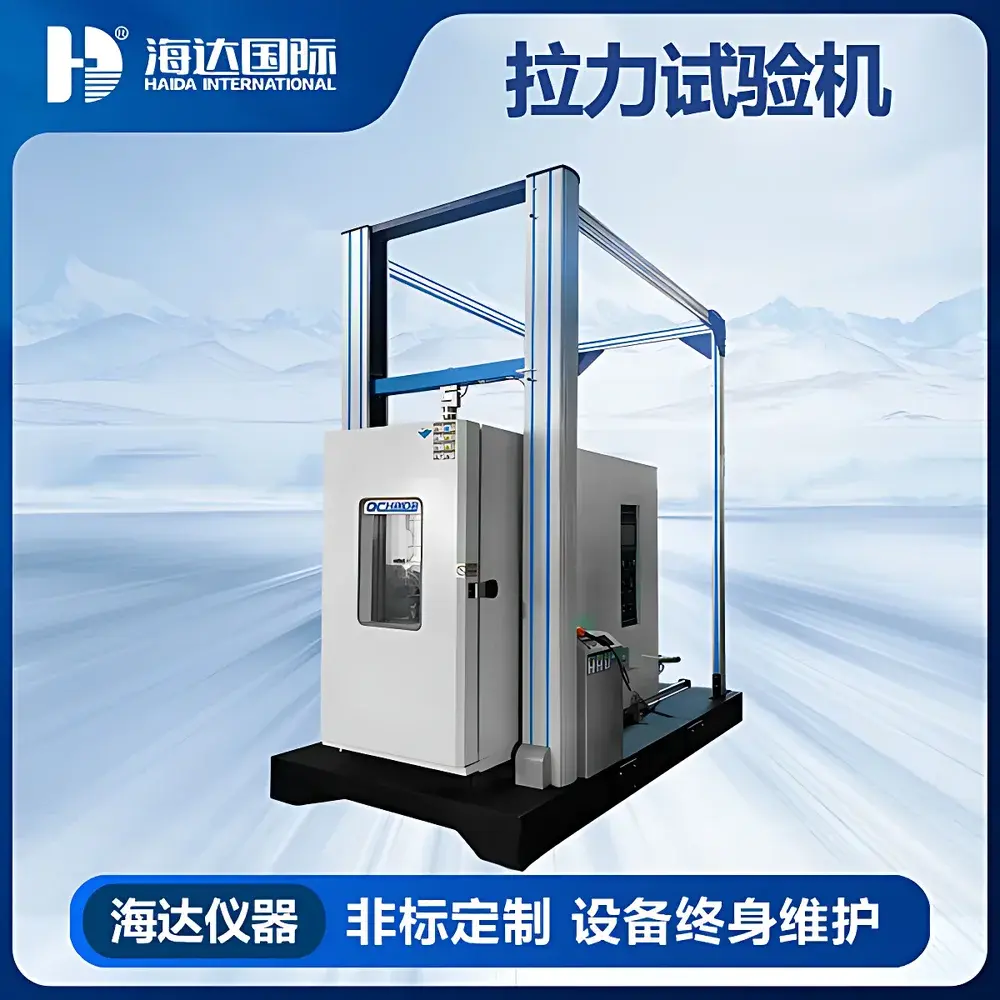
HAIDA HD-B607-S High-Low Temperature Computer-Controlled Servo Tensile Testing Machine
| Brand | HAIDA INTERNATIONAL |
|---|---|
| Origin | Guangdong, China |
| Manufacturer Type | Manufacturer |
| Model | HAIDA HD-B607-S High-Low Temperature Computer-Controlled Servo Tensile Testing Machine |
| Max. Test Load | 10 kN |
| Force Accuracy | ≤ ±0.5% FS |
| Test Stroke | 1400 mm (excluding grips) |
| Crosshead Speed Range | 0.1–500 mm/min |
| Load Resolution | 1/250,000 |
| Effective Test Force Range | 50 N – 10 kN |
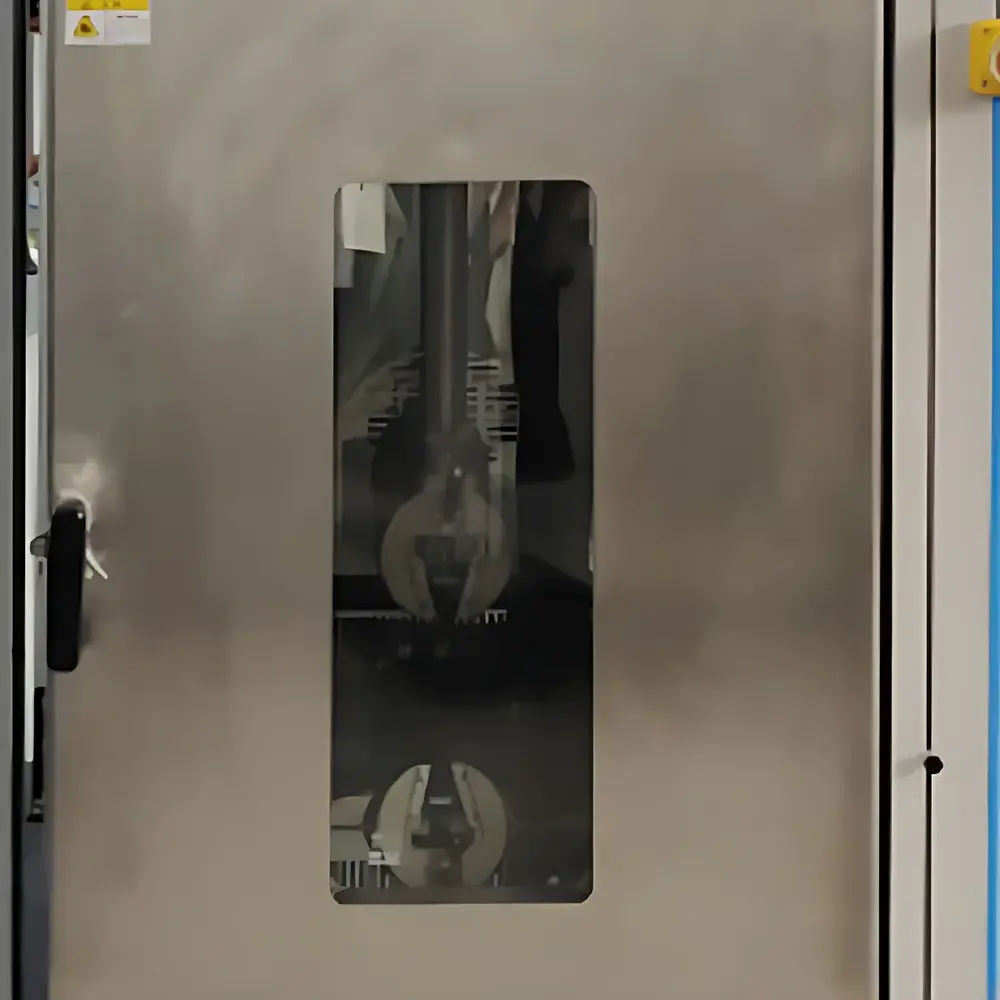
| Temperature Chamber Dimensions | 400 × 400 × 700 mm (L×W×H) |
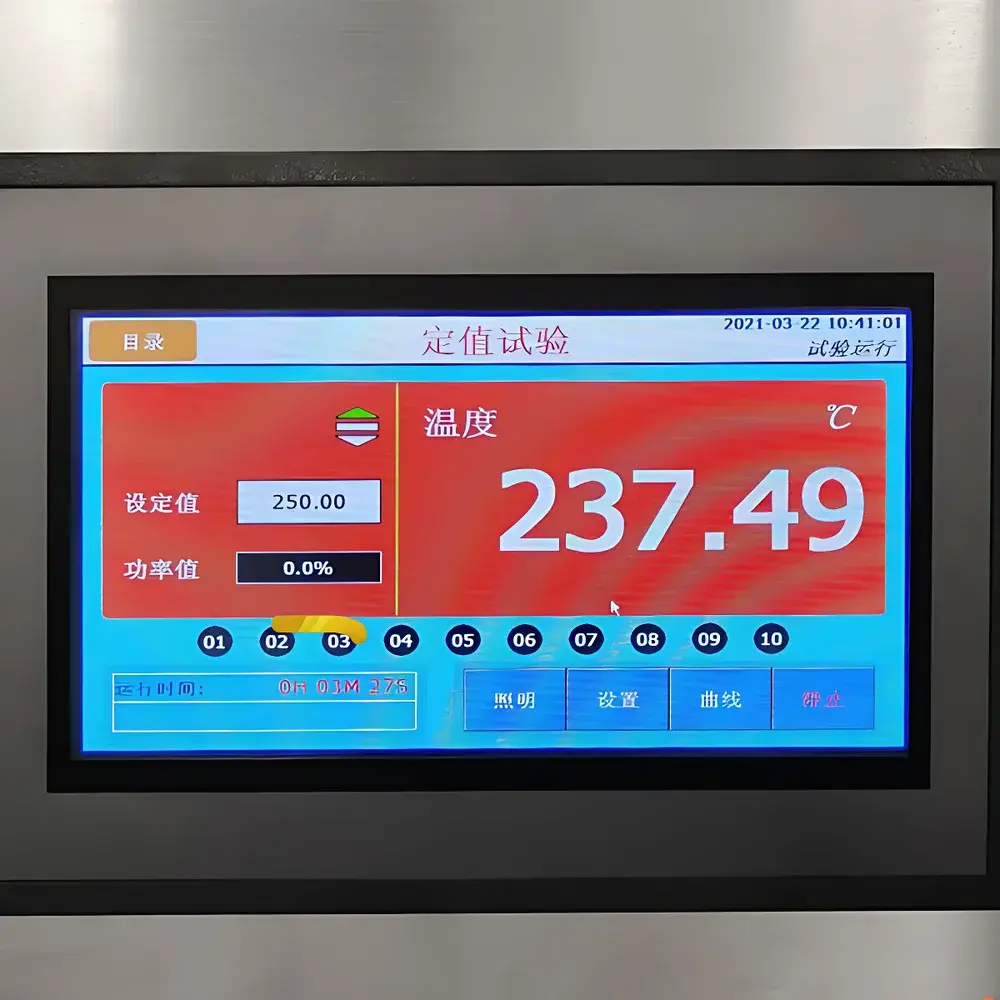
| Temp. Control Range | −40 °C to +150 °C |
| Temp. Stability | ±1 °C |
| Temp. Uniformity | ±2 °C |
| Heating/Cooling Rate | >2 °C/min / >1 °C/min |
| Power Supply | 3-phase AC 380 V for chamber |
Overview
The HAIDA HD-B607-S High-Low Temperature Computer-Controlled Servo Tensile Testing Machine is a precision-engineered electromechanical system designed for standardized uniaxial tensile, compression, and peel testing of polymeric, elastomeric, metallic, and composite materials under controlled thermal conditions. Built upon a dual-column servo-driven architecture with preloaded ball-screw transmission, the system delivers high positional repeatability and force fidelity across its full stroke range of 1400 mm. Its integrated environmental chamber—capable of stable operation from −40 °C to +150 °C with PID-based digital temperature regulation—enables direct correlation between mechanical performance and thermally induced microstructural transitions. The instrument complies with fundamental mechanical test principles defined in ISO 527, ASTM D638, ASTM D3039, and ISO 6892-1, supporting both static and quasi-static loading protocols required for QC release, R&D validation, and regulatory submission.
Key Features
- Robust dual-column structural frame fabricated from A3 steel with laser-cut precision and powder-coated finish (gloss white/metallic blue), ensuring long-term dimensional stability and vibration damping;
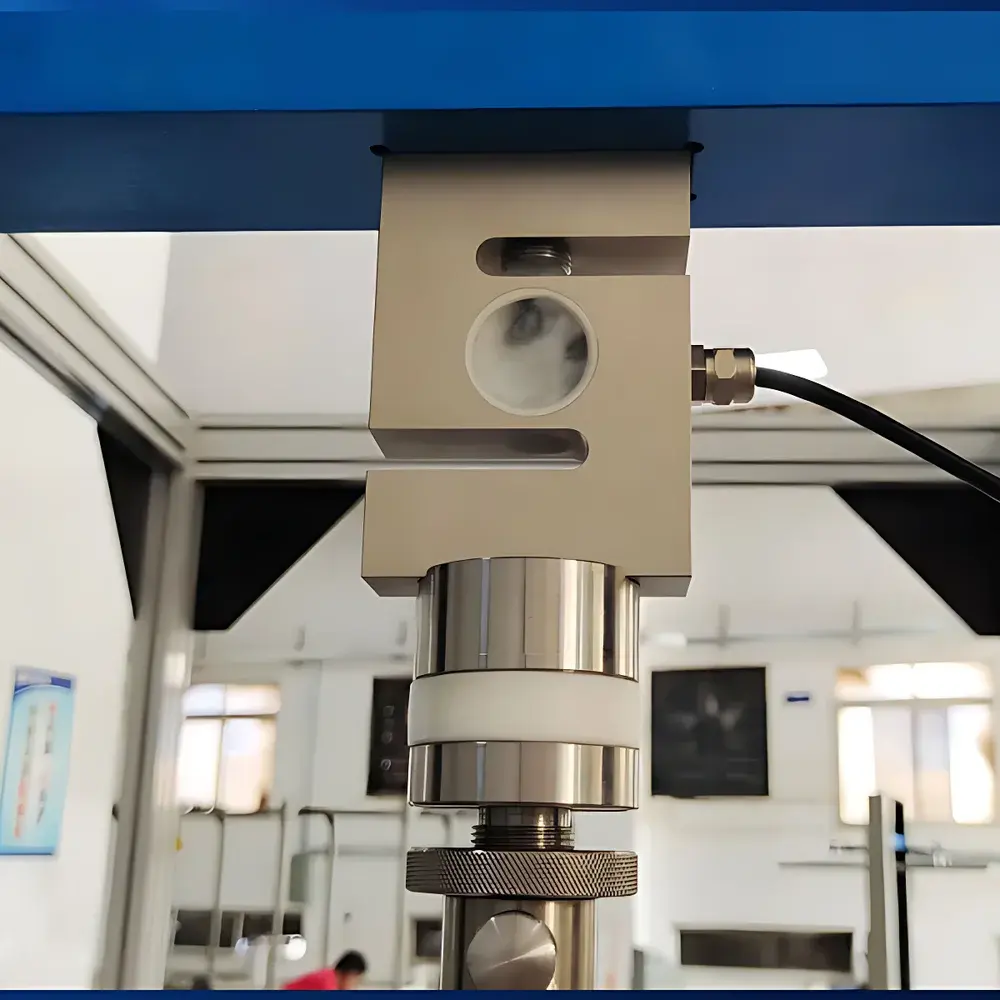
- High-resolution load measurement using a factory-calibrated 10 kN load cell with ≤ ±0.5% full-scale accuracy and 1/250,000 internal resolution;
- 0.4 kW servo motor and matched drive system enabling smooth, programmable crosshead motion from 0.1 to 500 mm/min with real-time speed feedback;
- Dedicated manual jog controls (up/down) on the machine base, allowing safe, non-software-dependent positioning during sample setup or maintenance;
- Direct USB-connected PC interface eliminating network latency or peripheral interference—critical for time-sensitive data capture during brittle fracture or creep events;
- Modular sensor and grip compatibility: supports optional load cells (e.g., 1 kN, 5 kN, 20 kN) and application-specific fixtures (pneumatic, wedge, hydraulic, peel, shear) without hardware modification;
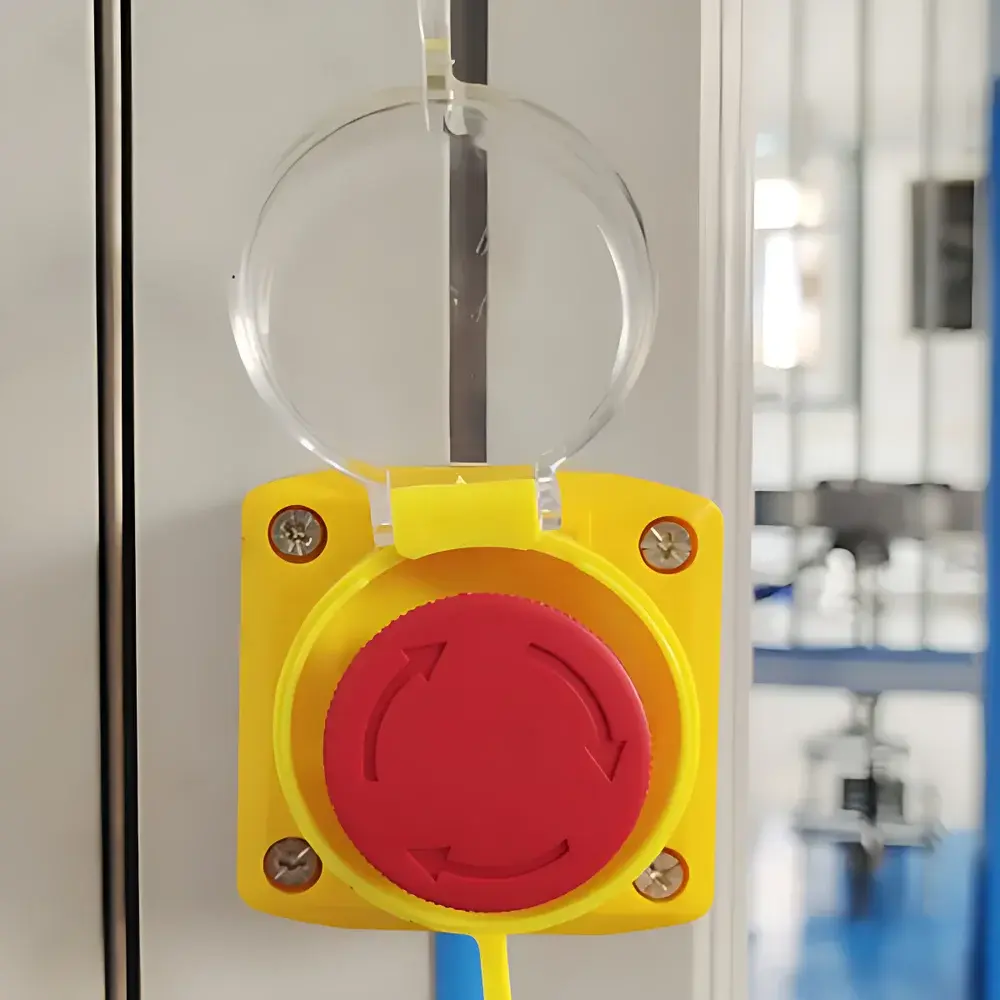
- Integrated safety architecture including mechanical limit switches, software-defined overload cutoff, automatic return-to-start post-test, and emergency stop circuit compliant with IEC 60204-1.
Sample Compatibility & Compliance
The HD-B607-S accommodates specimens up to 700 mm wide and 1400 mm in active gauge length, with standard test zones conforming to ISO 527-2 Type 1A, ASTM D638 Type I–V, and GB/T 1040.1–2018 geometries. Its environmental chamber provides uniform thermal exposure across the entire specimen gage section (±2 °C deviation), validated per ASTM E74 and ISO 17025 calibration traceability requirements. The system supports full compliance with GLP and GMP documentation workflows: audit trails, electronic signatures, and 21 CFR Part 11–compliant data archiving are enabled via optional software modules. All mechanical and thermal subsystems are certified to CE (EN ISO 12100, EN 61000-6-2/6-4) and RoHS directives.
Software & Data Management
The proprietary HAIDA TestMaster™ control and analysis suite operates natively on Windows OS and offers bilingual UI (English/Chinese/Traditional Chinese). It implements real-time acquisition at ≥1 kHz sampling rate, synchronized with temperature logging from the chamber’s embedded Pt100 sensors. Key software capabilities include: multi-curve overlay with statistical deviation bands; automatic yield point detection per ISO 6892-1 Annex B; modulus calculation using tangent, secant, or chord methods; batch report generation in PDF/XLS formats with embedded metadata (operator ID, timestamp, calibration certificate ID, environmental log); and configurable pass/fail thresholds aligned with internal SOPs or external standards such as ASTM D882 or ISO 1184. Raw data files (.hdt) are stored with SHA-256 checksums to ensure forensic integrity.
Applications
- Evaluation of temperature-dependent tensile strength, elongation at break, and Young’s modulus in thermoplastics (e.g., PP, ABS, PEEK) across crystallization and glass transition regimes;
- Characterization of adhesive bond durability under thermal cycling—used in automotive trim, aerospace composites, and flexible electronics assembly;
- Quality assurance of rubber compounds (NR, SBR, EPDM) per ASTM D412 and ISO 37, including low-temperature brittleness assessment at −40 °C;
- Mechanical screening of medical-grade silicone tubing and hydrogel films under simulated physiological temperatures;
- Creep and stress-relaxation profiling of shape-memory polymers between −10 °C and +90 °C;
- Validation of packaging film seal integrity (peel strength) under elevated humidity and temperature per ASTM F88 and ISO 11607-2.
FAQ
Does the HD-B607-S meet ISO/IEC 17025 calibration requirements?
Yes—the load cell, displacement encoder, and chamber temperature sensors are supplied with NIST-traceable calibration certificates. Optional on-site verification by accredited third-party labs is available.
Can the system perform cyclic loading tests (e.g., fatigue) at variable temperatures?
While primarily optimized for static and quasi-static tests, the servo controller supports user-defined step-and-hold profiles with synchronized thermal ramping. Dedicated fatigue modules require firmware upgrade and additional hardware (e.g., high-cycle actuator).
What is the maximum specimen thickness that can be clamped within the environmental chamber?
The chamber’s internal clearance allows for specimens up to 65 mm thick when using standard pneumatic side-action grips—custom fixtures may extend this capability.
Is remote monitoring and control supported?
Local Ethernet connectivity enables secure remote desktop access. Full cloud-based telemetry (real-time force/temp/stroke streaming) is available through the HAIDA Connect add-on module with TLS 1.2 encryption.
How often does the system require recalibration?
Annual calibration is recommended per ISO 9001 and internal QA policies. Load cell drift verification should be performed before each test session using certified reference weights.



