
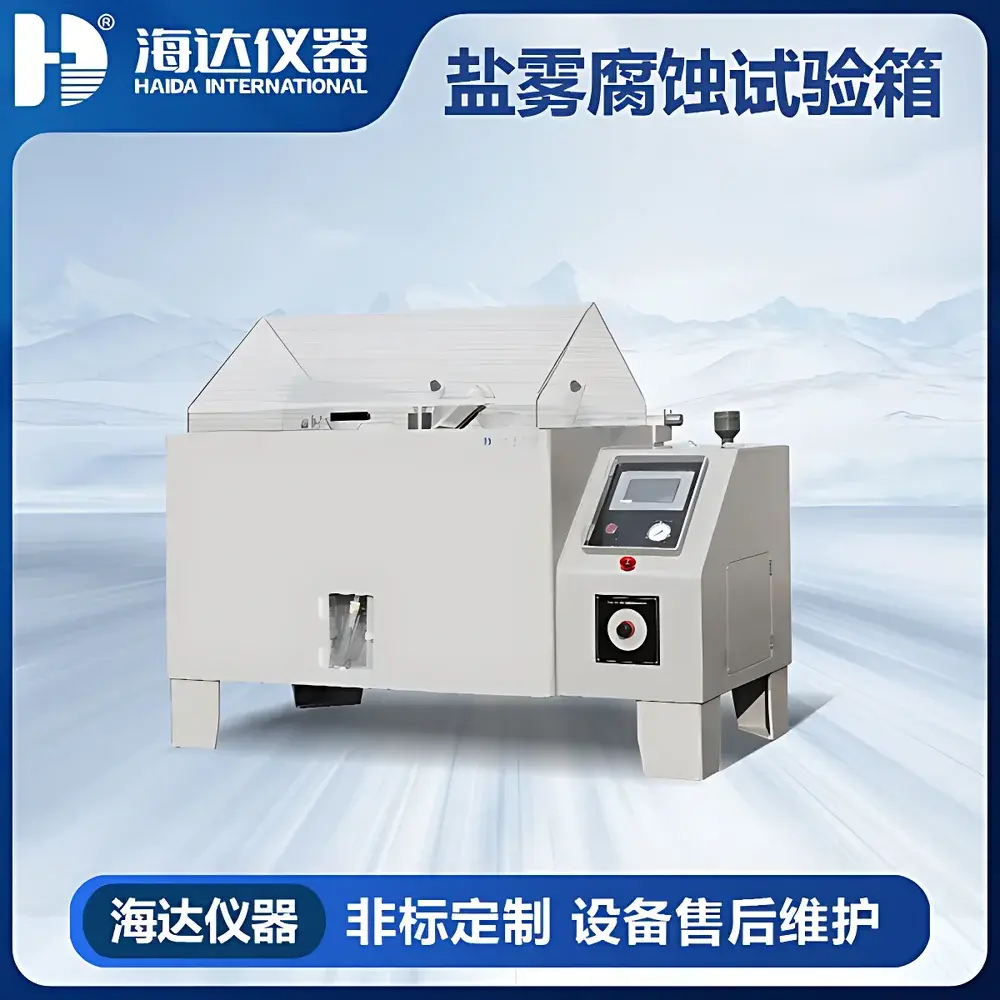
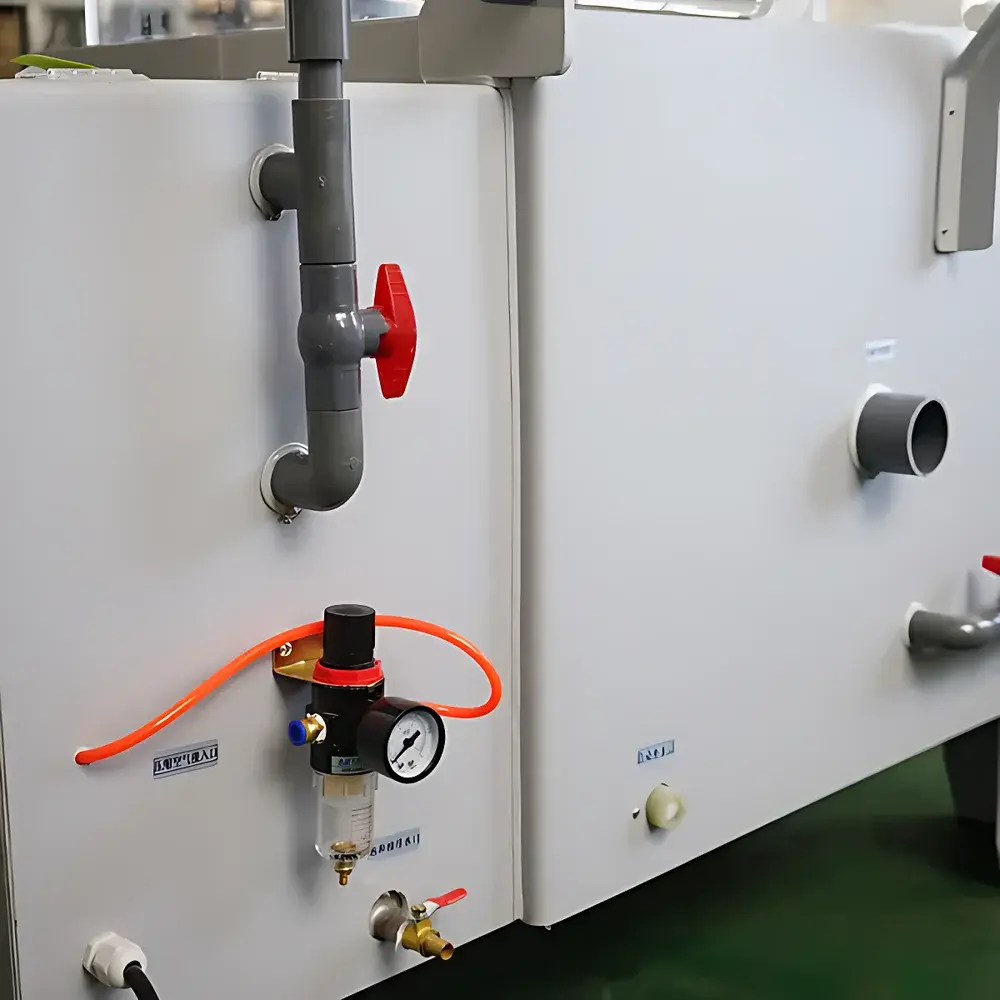
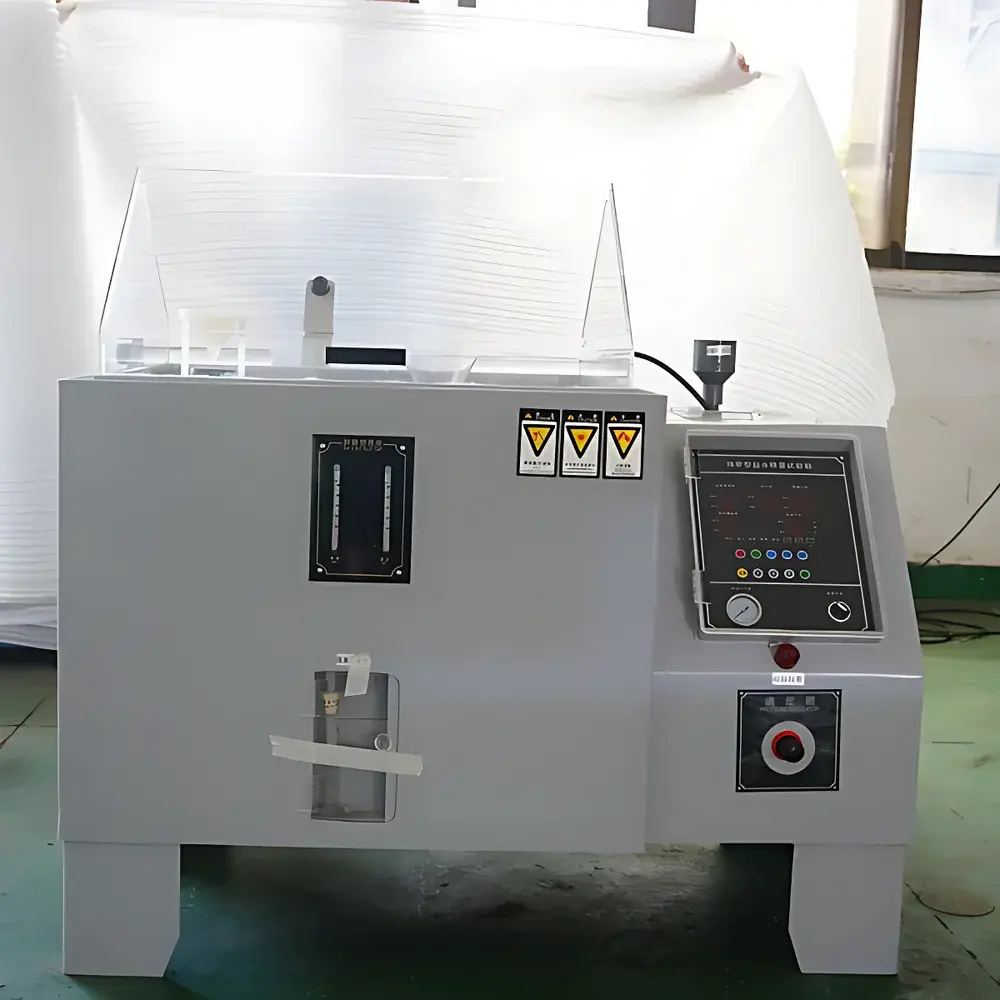
HAIDA HD-E808-60A Precision Salt Spray Test Chamber
| Brand | HAIDA INTERNATIONAL |
|---|---|
| Origin | Guangdong, China |
| Manufacturer Type | Direct Manufacturer |
| Model | HD-E808-60A |
| Spray Method | Adjustable Continuous/Intermittent |
| Spray Rate | 1.0–2.0 mL/80 cm²/h (averaged over ≥16 h) |
| Nozzle Pressure | 1.00 ± 0.01 kgf/cm² |
| Test Chamber Temperature Range | RT to 50 °C |
| Temperature Uniformity | ±2 °C |
| Temperature Stability | ±1 °C |
| Temperature Resolution | 0.1 °C |
| Chamber Volume | 108 L |
| Internal Dimensions (L×W×H) | 60 × 45 × 40 cm |
| External Dimensions (L×W×H) | ~110 × 65 × 110 cm |
| Weight | ~60 kg |
| Max Power | 2.2 kW |
| Supply | 1Ø AC 220 V, 10 A |
| Compliance | ASTM B117, ISO 9227, GB/T 10125, JIS H8502, IEC 60068-2-11, GJB 150.11A |
Overview
The HAIDA HD-E808-60A Precision Salt Spray Test Chamber is an engineered environmental test system designed for standardized corrosion resistance evaluation of metallic substrates, protective coatings, electroplated layers, organic and inorganic conversion films, passivated surfaces, and corrosion-inhibiting oils. It operates on the principle of controlled salt fog generation—via compressed air-driven atomization of conditioned saline solution—to simulate aggressive atmospheric chloride exposure under reproducible thermal and chemical conditions. The chamber supports three primary test protocols: Neutral Salt Spray (NSS), Acetic Acid Salt Spray (AASS), and Copper-Accelerated Acetic Acid Salt Spray (CASS), each governed by internationally recognized standards including ASTM B117, ISO 9227, and GB/T 10125. Its robust construction—featuring 8 mm imported PVC panels rated for continuous operation up to 85 °C—and integrated water-sealed chamber design ensure long-term dimensional stability, gas-tight containment, and minimal drift during extended cyclic testing.
Key Features
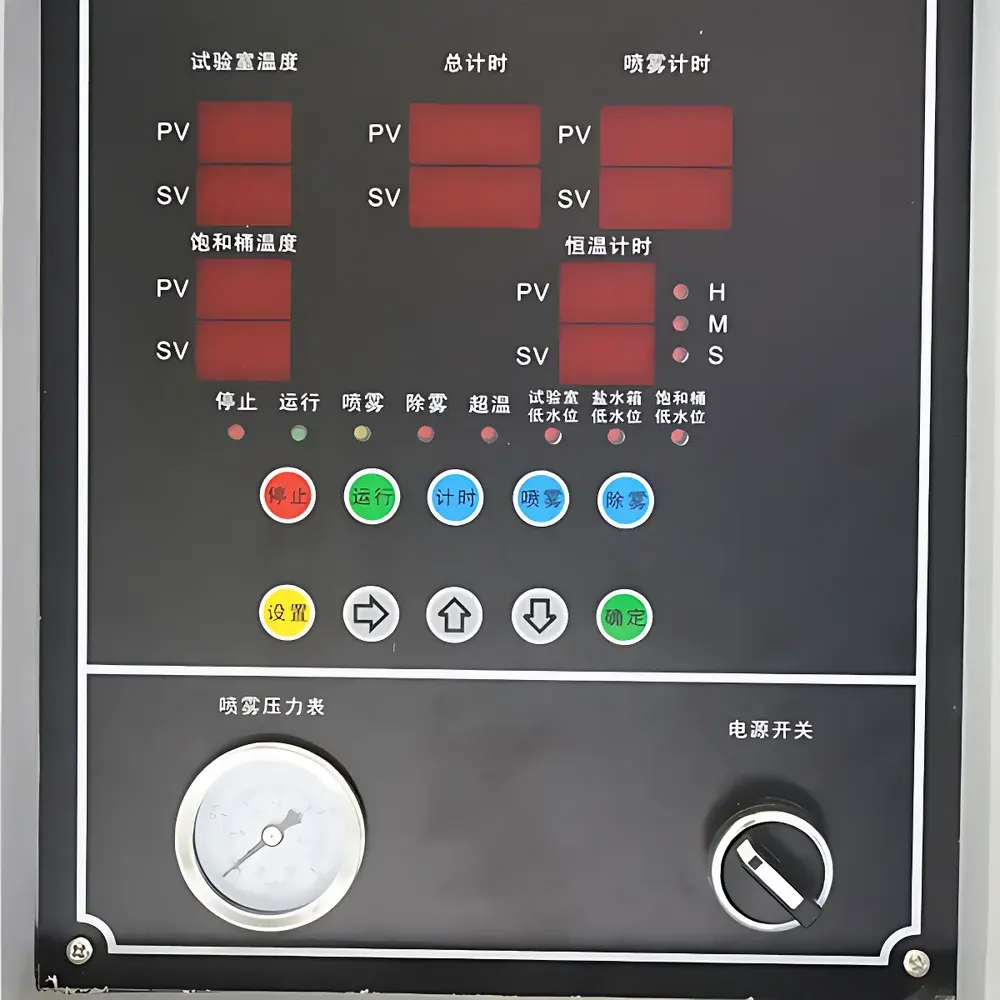
- 7-inch industrial-grade touch-screen controller with dual-language (English/Chinese) interface, supporting both fixed-parameter (continuous) and programmable (intermittent/cyclic) test profiles
- High-precision temperature control using PT100 platinum resistance sensors and anti-windup PID algorithms, achieving ±1 °C stability and 0.1 °C resolution across the full operating range (RT to 50 °C)
- Two-stage air pressure regulation system: pre-heated saturated air at 2 kgf/cm² enters the SUS304 stainless steel pressure vessel, then is reduced to precisely 1.00 ± 0.01 kgf/cm² for consistent nozzle delivery
- Bernoulli-effect spray tower with borosilicate glass nozzles and adjustable cone angle ensures uniform mist distribution without clogging or crystallization—even during multi-day uninterrupted operation
- Integrated water-seal chamber lid and pneumatic sealing mechanism prevent condensate drip onto specimens, maintaining test validity per ISO 9227 clause 7.3
- Electrical isolation architecture separates water circuits from control electronics, minimizing risk of short-circuiting in high-humidity environments
- Multi-layer safety architecture includes independent over-temperature cutoffs for both test chamber and saturator, low-water level detection, phase-loss protection, and earth leakage monitoring
Sample Compatibility & Compliance
The HD-E808-60A accommodates a broad spectrum of specimen geometries via its adjustable planar sample rack, enabling four-directional exposure while maximizing usable volume within the 108 L internal chamber. Specimens—including automotive fasteners, PCB assemblies, galvanized sheet metal, anodized aluminum extrusions, and coated medical device housings—are positioned to avoid direct impingement and shadowing effects. All operational parameters adhere strictly to the measurement tolerances specified in ASTM B117 Annex A1 (spray collection rate, pH, temperature uniformity) and ISO 9227 Section 6 (calibration verification procedures). The system supports GLP-compliant documentation workflows when paired with optional external data loggers; full traceability of test conditions—including real-time temperature, elapsed time, and spray status—is retained in non-volatile memory for audit readiness.
Software & Data Management
The embedded controller logs timestamped operational events—including start/stop commands, temperature deviations, spray activation cycles, and fault triggers—with automatic timestamping and local storage capacity for ≥30 days of continuous runtime data. While the base unit does not include network connectivity or FDA 21 CFR Part 11-compliant electronic signatures, its RS-485 serial interface enables integration with third-party SCADA systems or laboratory information management systems (LIMS) for centralized reporting. All user-defined test programs—including ramp-and-soak sequences for hybrid corrosion-accelerated protocols—are stored with version-controlled naming and password-protected access levels. Calibration records, maintenance logs, and sensor verification reports can be exported via USB flash drive in CSV format for archival or regulatory submission.
Applications
This chamber serves critical quality assurance functions across industries where long-term material integrity under corrosive exposure is mission-critical. In the automotive sector, it validates coating adhesion and edge coverage on chassis components per SAE J2334. Electronics manufacturers use it to verify conformal coating performance on printed circuit boards prior to field deployment in coastal or industrial environments. Aerospace suppliers conduct CASS testing on titanium alloy fasteners to meet AMS 2700 requirements. Electroplating service providers rely on its repeatability for customer-facing certification reports aligned with ISO 4520 and EN 1247. Additionally, R&D laboratories employ the HD-E808-60A in comparative studies of novel corrosion inhibitors, self-healing polymer coatings, and nanocomposite barrier layers—leveraging its stable spray density and tight temperature control to isolate variable effects.
FAQ
What standards does the HD-E808-60A comply with?
It meets ASTM B117, ISO 9227, GB/T 10125, JIS H8502, IEC 60068-2-11, and GJB 150.11A for neutral, acetic acid, and copper-accelerated salt spray testing.
Can the spray rate be verified independently?
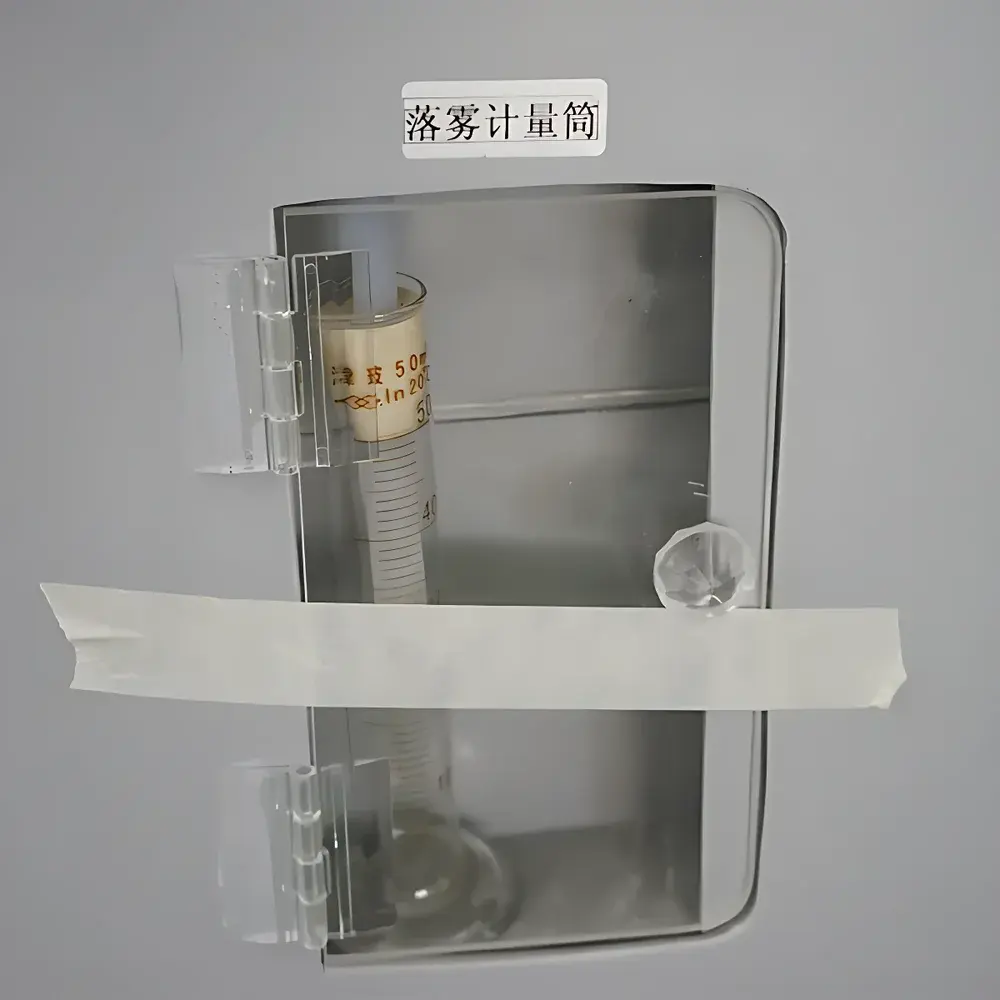
Yes—the system includes calibrated funnels and graduated cylinders per ASTM B117 Section 7.2; users must collect fog for ≥16 hours across at least two locations to calculate average deposition rate.
Is the chamber suitable for CASS testing at 50 °C?
Yes—the 8 mm PVC construction and insulated saturator support sustained operation at 50 ± 1 °C required for copper-accelerated protocols without warping or outgassing.
How is pH stability maintained during prolonged testing?
Freshly prepared solutions are recommended; boiling deionized water before mixing reduces dissolved CO₂, minimizing pH drift. For AASS/CASS, initial pH adjustment to 2.8–3.0 compensates for post-atomization shifts.
What electrical infrastructure is required for installation?
A dedicated 1Ø AC 220 V / 10 A circuit with TN-S or TT earthing (ground resistance < 4 Ω) and upstream 16 A magnetic-thermal breaker is mandatory.
Does the unit support automated data export for regulatory audits?
Raw operational logs are exportable via USB in CSV format; however, full 21 CFR Part 11 compliance requires integration with validated external software platforms.



