
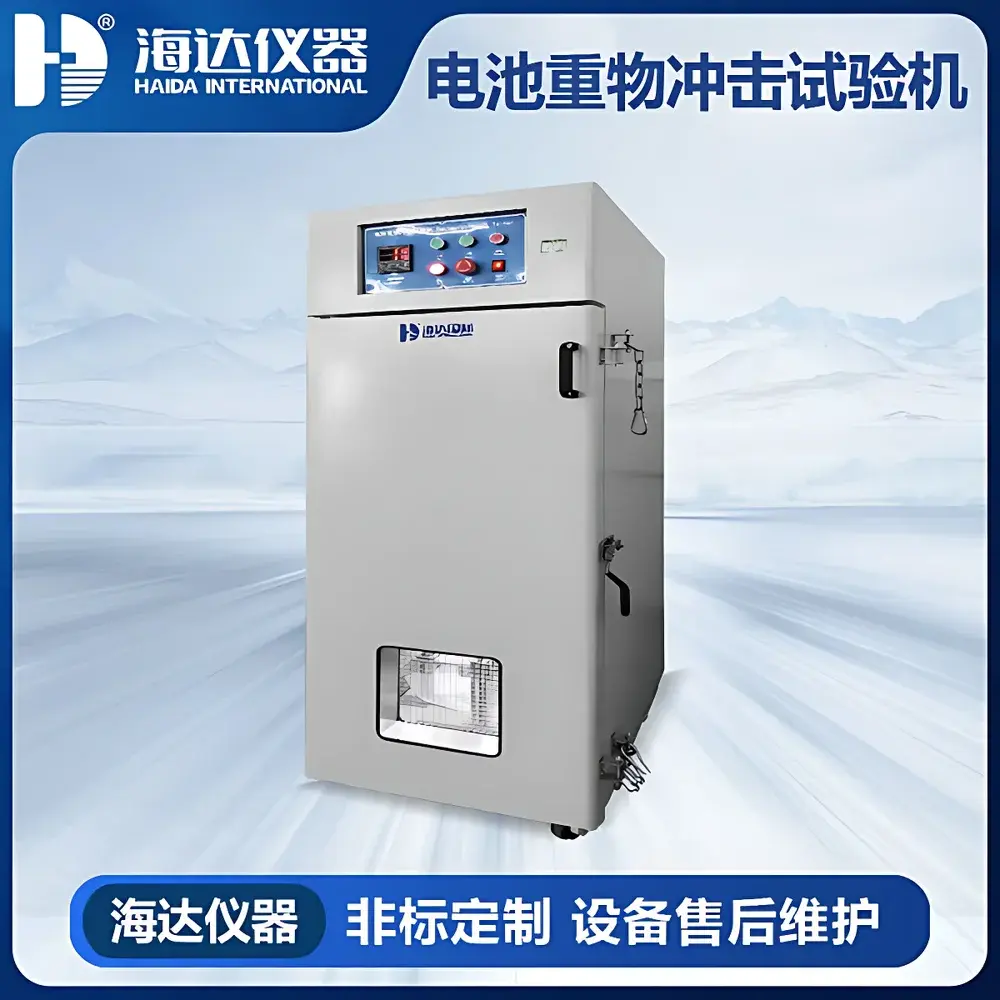
HAIDA HD-H206 Battery Crush & Impact Tester for Hydrogen Energy and EV Applications
| Brand | HAIDA INTERNATIONAL |
|---|---|
| Origin | Guangdong, China |
| Manufacturer Type | Direct Manufacturer |
| Country of Origin | China |
| Model | HAIDA HD-H206 Battery Crush & Impact Tester |
| Quotation | Upon Request |
| Internal Chamber Dimensions | 490 × 520 × 1430 mm (W×D×H) |
| External Dimensions | 700 × 1000 × 1700 mm (W×D×H) |
| Chamber Material | 1.2 mm SUS304 stainless steel with PTFE lining |
| Exterior Enclosure | 1.5 mm cold-rolled steel with powder coating |
| Viewing Window | 250 × 250 mm double-layer tempered glass with stainless steel mesh overlay |
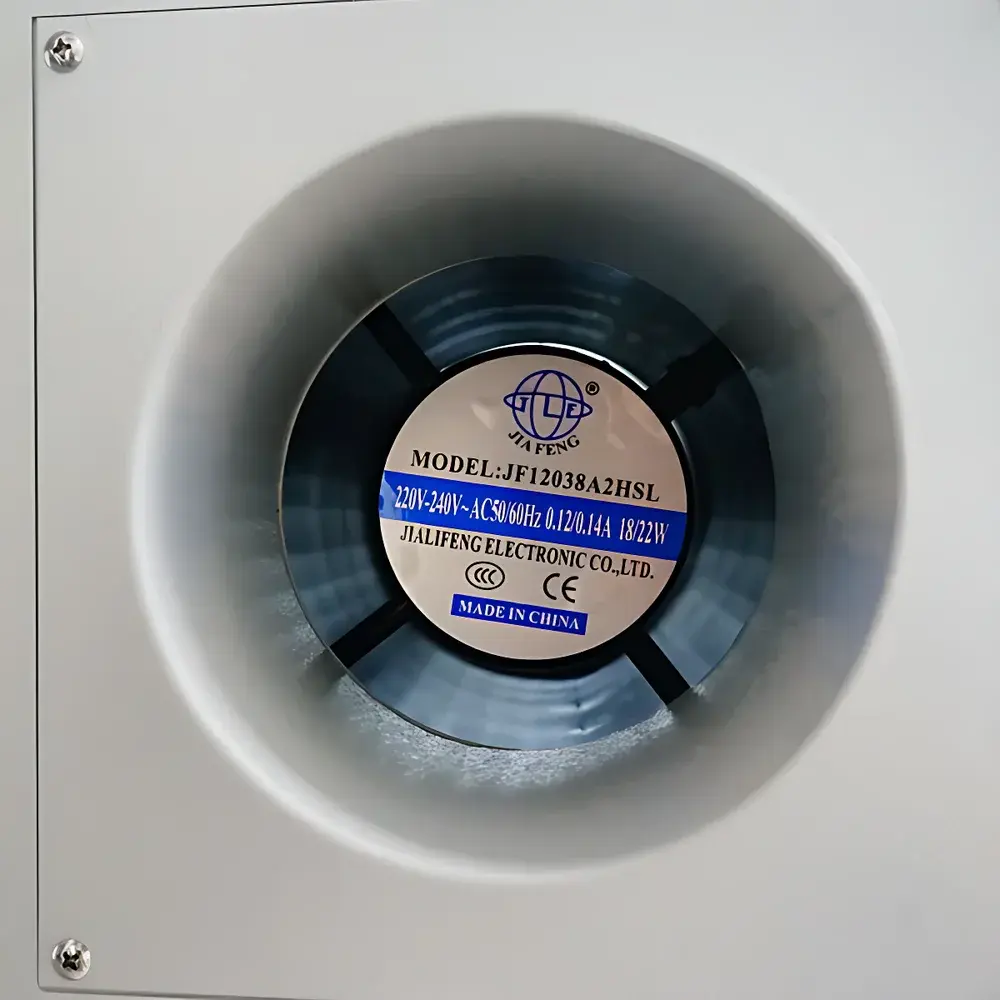
| Exhaust Port | Ø100 mm, rear-mounted |
| Pressure Relief Port | 200 × 200 mm, rear-mounted, spring-actuated |
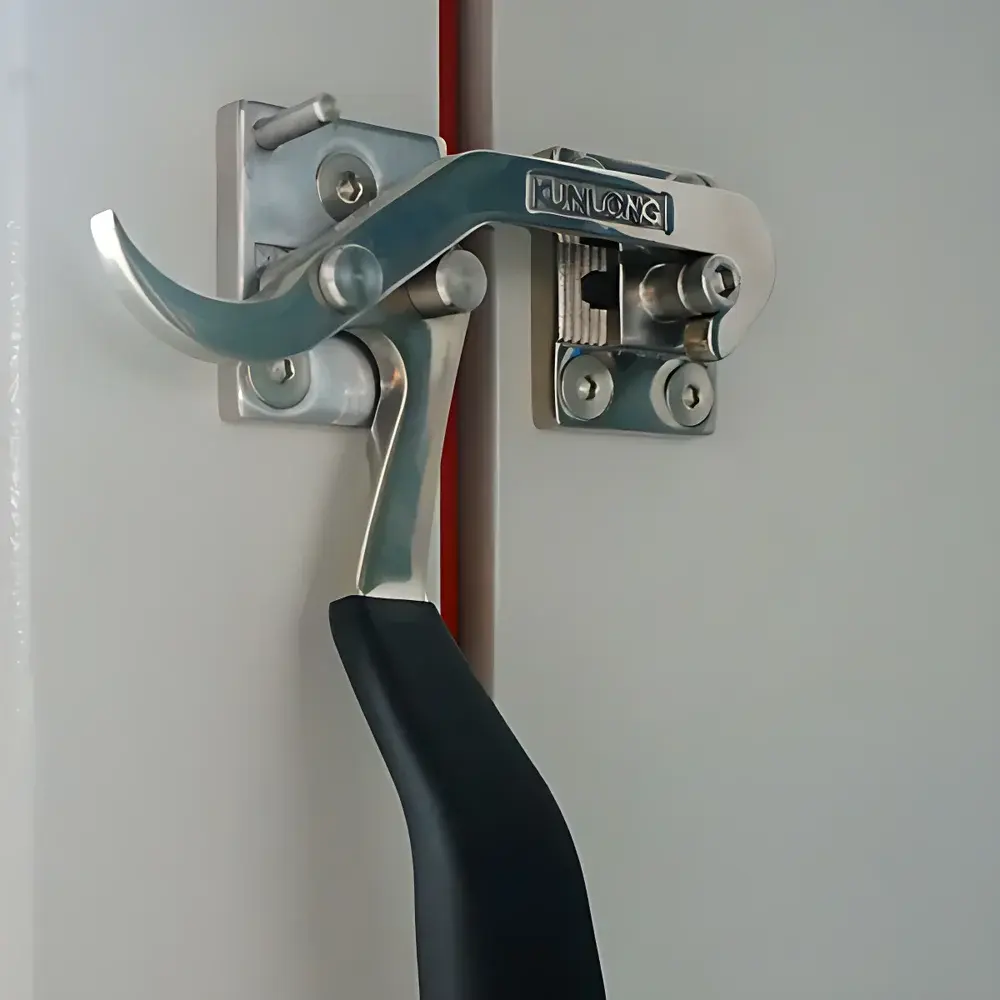
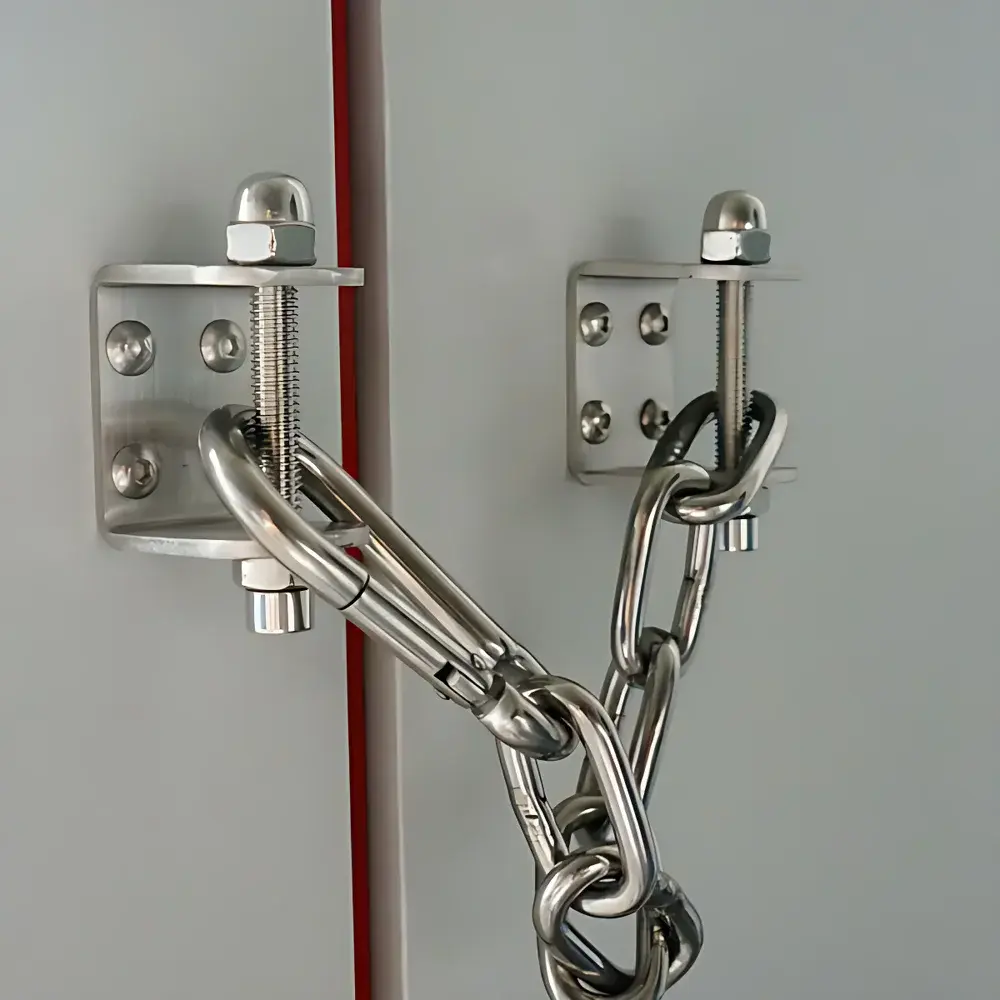
| Door Configuration | Left-hinged single door with safety interlock switch and explosion-proof chain restraint |
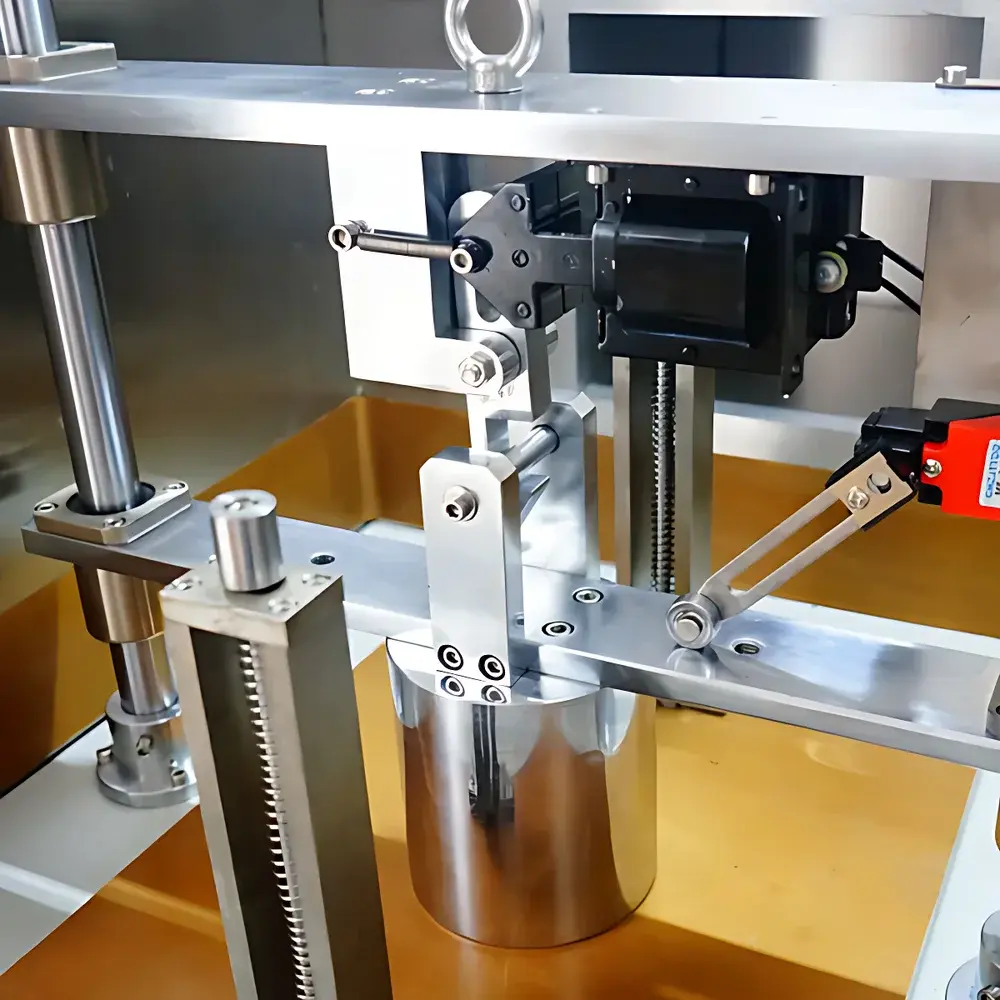
| Drop Mass | 9.1 ± 0.1 kg or 10 kg |
| Impact Height Range | 0–1000 mm (standard test height: 610 ± 25 mm) |
| Height Display | LED digital readout, resolution ±5 mm |
| Impact Rod | Ø15.8 ± 0.2 mm (5/8″) hardened 45# steel rod, horizontally mounted across cell center |
| Maximum Test Specimen Size | 200 × 200 × 200 mm |
| Impact Surface | 45# steel, 30 mm thick, baked enamel finish |
| Illumination | Integrated LED lighting for real-time visual monitoring |
| Net Weight | 270 kg |
| Power Supply | AC 220 V, 600 W, 50/60 Hz |
Overview
The HAIDA HD-H206 Battery Crush & Impact Tester is a purpose-engineered safety evaluation system designed to simulate mechanical abuse conditions relevant to lithium-ion and solid-state batteries used in hydrogen energy storage systems, fuel cell electric vehicles (FCEVs), and stationary energy storage applications. It operates on the principle of controlled gravitational impact—where a calibrated mass is elevated to a defined height and released under free-fall conditions onto a battery cell positioned per standardized orientation requirements. The test replicates worst-case mechanical intrusion scenarios such as vehicle crash-induced deformation or handling-related compression events. Unlike generic drop testers, the HD-H206 integrates structural containment, pressure relief architecture, and fail-safe interlocks to meet stringent laboratory safety protocols for high-energy-density electrochemical systems. Its design complies with internationally harmonized mechanical abuse test definitions found in UN Manual of Tests and Criteria Part III, Subsection 38.3, and aligns with functional safety expectations outlined in ISO 6469-1 and SAE J2464.
Key Features
- Robust dual-layer safety enclosure: 1.2 mm SUS304 stainless steel inner chamber with PTFE lining prevents electrolyte corrosion and facilitates post-test decontamination; outer shell fabricated from 1.5 mm powder-coated cold-rolled steel provides structural integrity and EMI shielding.
- Engineered pressure management system: Rear-mounted 200 × 200 mm spring-loaded pressure relief port activates automatically during catastrophic failure to vent overpressure while minimizing directional blast hazards; complementary Ø100 mm exhaust duct enables connection to external fume extraction networks.
- Optimized optical monitoring: 250 × 250 mm dual-pane tempered glass viewport with integrated stainless steel mesh ensures operator visibility without compromising containment integrity; built-in LED illumination delivers uniform, shadow-free illumination of the impact zone.
- Fail-safe operational logic: Interlocked left-hinged door requires positive latching before system activation; mechanical anti-rotation guide rods ensure vertical drop alignment; impact rod is precision-ground and heat-treated to maintain dimensional stability across repeated cycles.
- Repeatable mechanical calibration: Digital LED height display with ±5 mm accuracy enables traceable setup of standard test heights (e.g., 610 mm per GB/T 31485); drop mass certified to 9.1 ± 0.1 kg or 10 kg per IEC 62133 Annex A.7 requirements.
Sample Compatibility & Compliance
The HD-H206 accommodates cylindrical, prismatic, and pouch-type cells up to 200 mm per side, supporting both single-cell qualification and module-level mechanical stress screening when used with custom fixtures. Cell positioning follows strict geometric constraints: cylindrical cells are oriented with their longitudinal axis parallel to the base plane and perpendicular to the impact rod axis; rectangular cells are placed with their longest dimension orthogonal to the rod and largest face normal to the impact vector. This configuration ensures reproducible force transmission pathways consistent with UL 1642 Clause 9 and GB/T 31241 Section 7.4.2. The system satisfies mandatory pre-market testing requirements under UN38.3 Section 38.3.2.2 (impact test), IEC 62133-2:2017 Clause 7.2.2, and GB/T 31485-2015 Clause 5.2.2. All test reports generated using this instrument support GLP-compliant documentation workflows when paired with external audit-ready data loggers.
Software & Data Management
The HD-H206 utilizes hardware-based push-button control with no embedded firmware or proprietary software stack—ensuring deterministic operation, long-term serviceability, and regulatory transparency. All critical parameters (drop height, mass selection, test date/time stamp) are manually recorded by the operator into standardized test logs compliant with ISO/IEC 17025 documentation requirements. For laboratories requiring electronic recordkeeping, the unit features RS-232 and dry-contact output interfaces compatible with third-party LIMS platforms and FDA 21 CFR Part 11–compliant electronic signature systems. Calibration certificates for the impact rod diameter (Ø15.8 ± 0.2 mm), drop mass (9.1 ± 0.1 kg), and height encoder are supplied with each unit and traceable to CNAS-accredited metrology labs.
Applications
- Safety validation of proton exchange membrane (PEM) fuel cell stack components subjected to mechanical shock during transport or installation.
- Qualification testing of lithium iron phosphate (LiFePO₄) and nickel-manganese-cobalt (NMC) traction batteries for hydrogen hybrid electric vehicles.
- Design verification of battery thermal runaway propagation barriers under localized mechanical penetration.
- Third-party certification testing for CE marking, KC certification, and PSE compliance in stationary hydrogen storage systems.
- Research-grade mechanical abuse studies correlating impact energy input (J = m·g·h) with internal short-circuit onset voltage thresholds.
FAQ
What standards does the HD-H206 explicitly support?
It is configured to execute tests per GB/T 31485-2015, GB/T 31241-2014, UN38.3, IEC 62133-2:2017, and UL 1642:2012.
Can the tester accommodate pouch cells?
Yes—provided they are rigidly mounted on a non-deformable aluminum base plate to prevent lateral buckling during impact.
Is height adjustment motorized or manual?
Height is adjusted manually via calibrated rack-and-pinion lift mechanism; no servo or stepper motor is used to eliminate electromagnetic interference risks near sensitive battery measurements.
Does the system include data logging capability?
No internal memory or USB export is provided; however, analog/digital outputs enable integration with external DAQ systems meeting IEC 61508 SIL-2 requirements.
What maintenance intervals are recommended?
Monthly visual inspection of impact rod surface finish and door interlock continuity; annual recalibration of drop mass and height encoder by an accredited metrology provider.
Related Products





