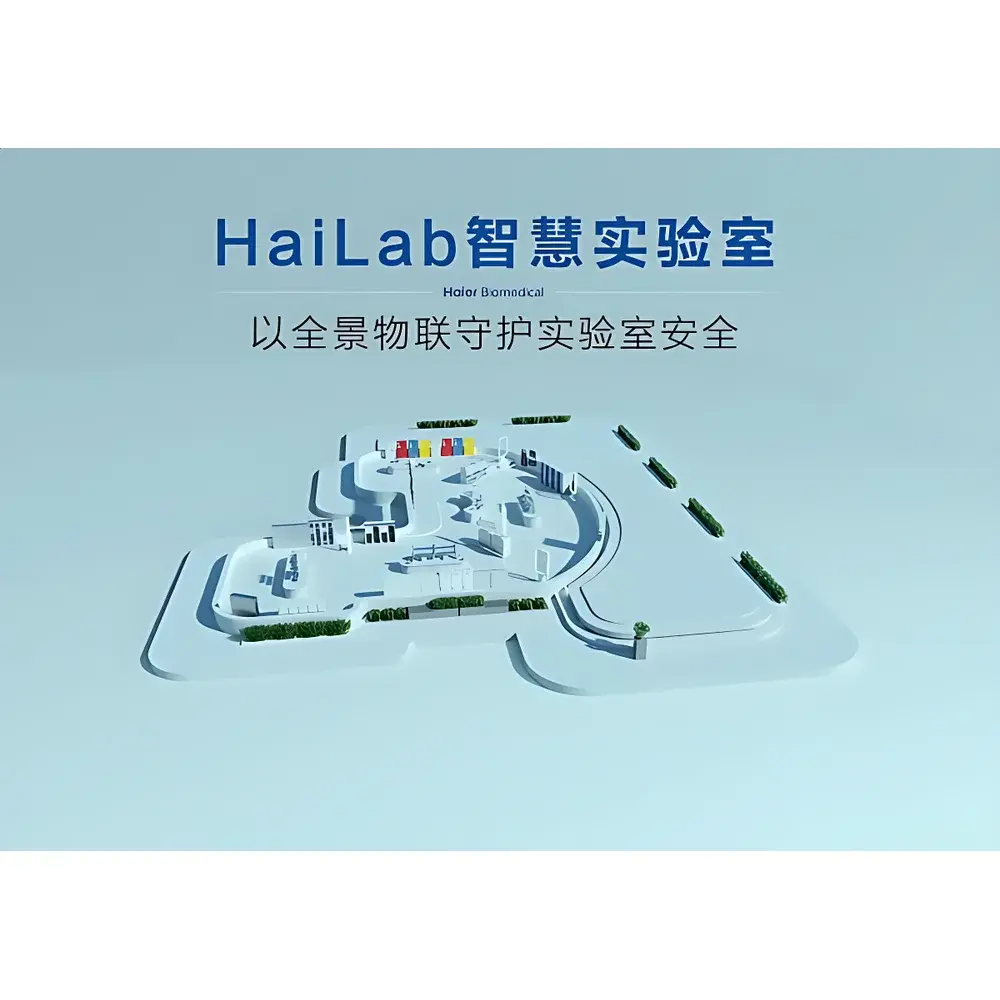

Haier Biomedical Smart Animal Laboratory Solution
| Brand | Haier Biomedical |
|---|---|
| Origin | Shandong, China |
| Manufacturer Type | Original Equipment Manufacturer (OEM) |
| Country of Origin | China |
| Model | Haier Biomedical Smart Animal Laboratory |
| Pricing | Available upon Request |
Overview
The Haier Biomedical Smart Animal Laboratory Solution is a purpose-built Laboratory Information Management System (LIMS) designed specifically for preclinical research facilities operating under stringent regulatory and ethical frameworks. Engineered to support Good Laboratory Practice (GLP), AAALAC International standards, and national animal welfare legislation—including China’s Regulations on the Administration of Experimental Animals and GB 14925–2010—this integrated software platform digitizes and orchestrates the full lifecycle of animal-based research operations. It implements a process-driven architecture grounded in ISO/IEC 17025-aligned data integrity principles, ensuring audit-ready traceability from animal procurement through experimental execution, housing management, and endpoint data capture. Unlike generic LIMS platforms, this solution embeds domain-specific workflows—such as IACUC (Institutional Animal Care and Use Committee) ethics review routing, cage occupancy scheduling with real-time environmental parameter linkage, and mandatory welfare checkpoint logging—directly into its core data model.
Key Features
- End-to-End Workflow Orchestration: Automated, rule-based routing for ethics applications, including configurable review stages, electronic signatures, deadline alerts, and automatic archival per GB 50447–2008 facility documentation requirements.
- Cage & Housing Resource Management: Dynamic cage reservation system synchronized with HVAC and environmental monitoring systems (temperature, humidity, ammonia levels), supporting compliance with GB 14925–2010 environmental thresholds.
- Animal Lineage & Lifecycle Traceability: Unique animal ID assignment at intake; integration with RFID or barcode scanners; full lineage tracking across breeding, transport, acclimatization, procedure, and euthanasia events.
- Integrated Equipment & Calibration Management: Scheduled maintenance logs, usage counters, and calibration certificate expiry tracking aligned with ISO/IEC 17025 clause 6.4.10.
- Role-Based Access Control (RBAC): Granular permission tiers mapped to GLP personnel roles (e.g., Principal Investigator, IACUC Chair, Animal Technician), enforcing separation of duties and 21 CFR Part 11–compliant electronic audit trails.
- Real-Time Operational Dashboard (“Control Center”): Customizable KPI visualization—including cage utilization rate, protocol deviation frequency, ethics approval cycle time, and animal mortality trends—supporting continuous improvement per PDCA methodology.
Sample Compatibility & Compliance
The solution supports heterogeneous data ingestion from common laboratory instrumentation (e.g., environmental sensors, weighing scales, anesthesia monitors) via HL7, CSV, or RESTful API interfaces. It enforces structured metadata capture for all animal-derived samples—linking tissue specimens, blood draws, and histology slides directly to individual animal IDs and experimental protocols. All data handling conforms to GB 19489–2008 biosafety requirements and incorporates built-in mechanisms for data anonymization during external sharing. The system architecture meets the technical controls specified in China’s Guiding Opinions on the Humane Treatment of Experimental Animals, including mandatory logging of enrichment activities, veterinary interventions, and daily health observations.
Software & Data Management
Built on a secure, containerized microservices architecture, the platform delivers high availability and scalability across on-premise or private cloud deployments. All user actions generate immutable, timestamped audit logs compliant with GLP Annex 11 and FDA 21 CFR Part 11 Subpart B (electronic records and signatures). Data backups follow a 3-2-1 strategy (three copies, two media types, one offsite), with encryption-at-rest (AES-256) and encryption-in-transit (TLS 1.2+). Reporting modules generate standardized outputs aligned with AAALAC accreditation submissions and annual reporting requirements under the Experimental Animal Licensing Management Measures (Trial). Version-controlled SOP templates are embedded within workflow steps, ensuring procedural consistency across multi-site facilities.
Applications
- Academic biomedical research institutes managing large-scale rodent, rabbit, or non-human primate colonies
- Pharmaceutical CROs conducting IND-enabling toxicology and pharmacokinetic studies
- Government regulatory testing laboratories requiring full chain-of-custody for mandated safety assessments
- Hospital-affiliated translational research centers integrating animal models with clinical biobanking infrastructure
- Contract breeding facilities needing certified lineage documentation and genetic quality assurance reporting
FAQ
Does the system support integration with existing environmental monitoring hardware?
Yes—it provides native drivers for major vendors (e.g., Vaisala, Testo, Delta OHM) and supports custom integration via Modbus TCP or MQTT protocols.
Can ethics approval workflows be customized per institutional IACUC policies?
Absolutely—the workflow engine allows drag-and-drop configuration of review stages, approver hierarchies, conditional branching, and automated escalation paths.
Is the platform validated for use in GLP-regulated studies?
Yes—validation documentation (IQ/OQ/PQ protocols and reports) is provided, and the system includes features required for GLP compliance, including audit trail review functionality and electronic signature validation.
How is animal welfare compliance enforced within the software?
Through mandatory digital checklists tied to facility inspection schedules, automated alerts for overdue health assessments, and configurable welfare metric thresholds that trigger notifications when exceeded.
What training resources are available for administrators and end users?
Comprehensive role-specific e-learning modules, live instructor-led virtual workshops, and on-site train-the-trainer sessions are included in the implementation package.