
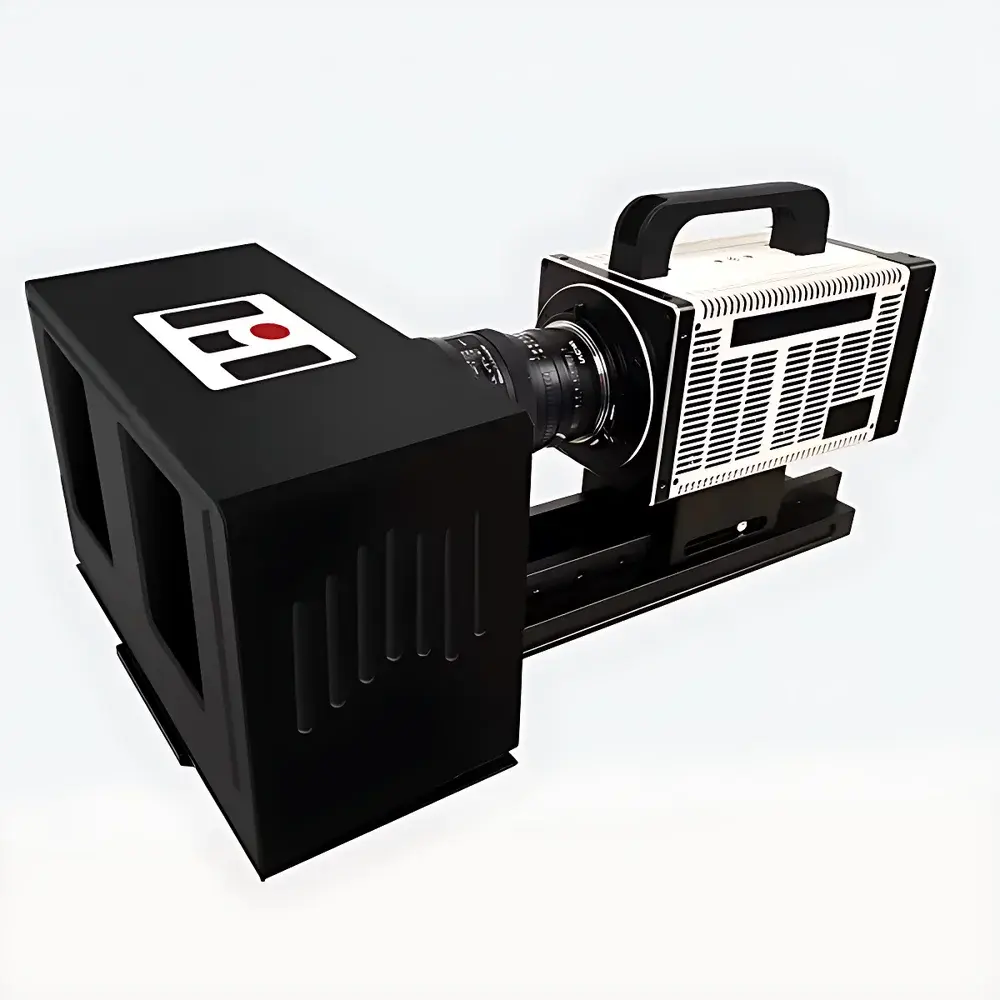
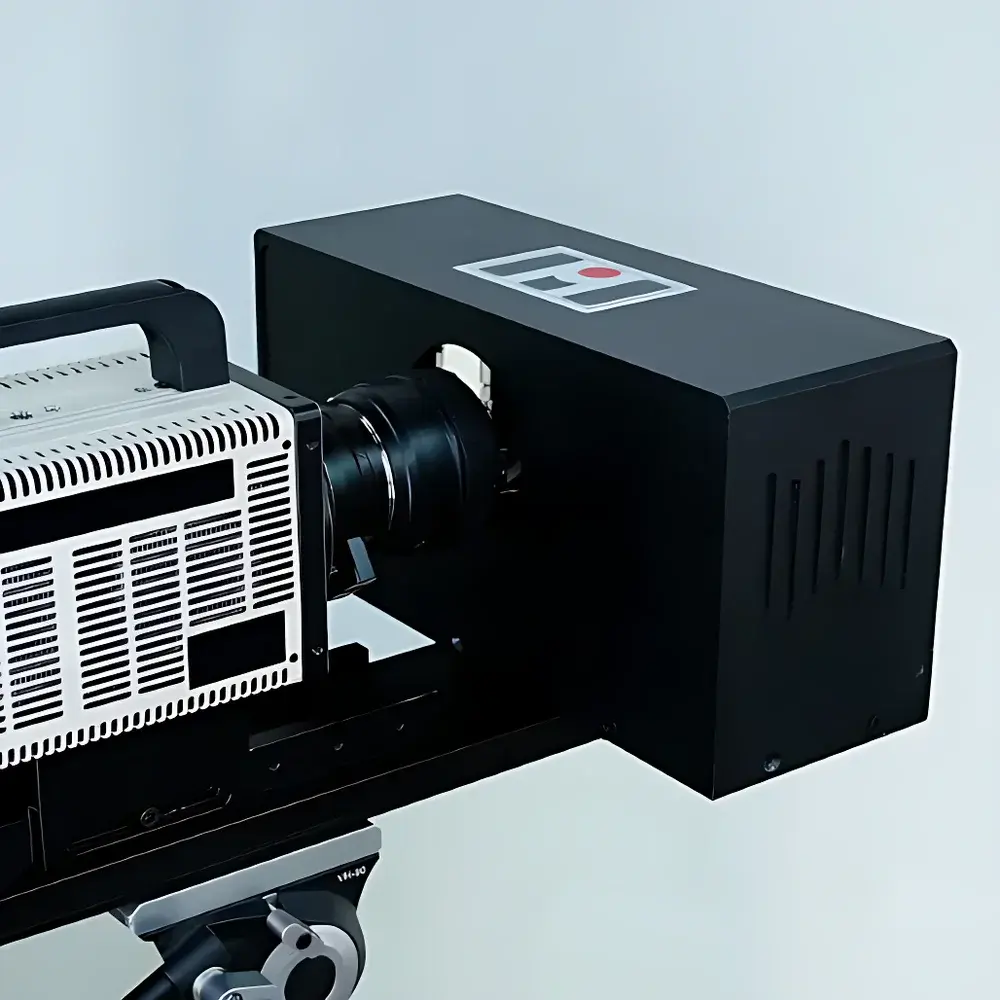
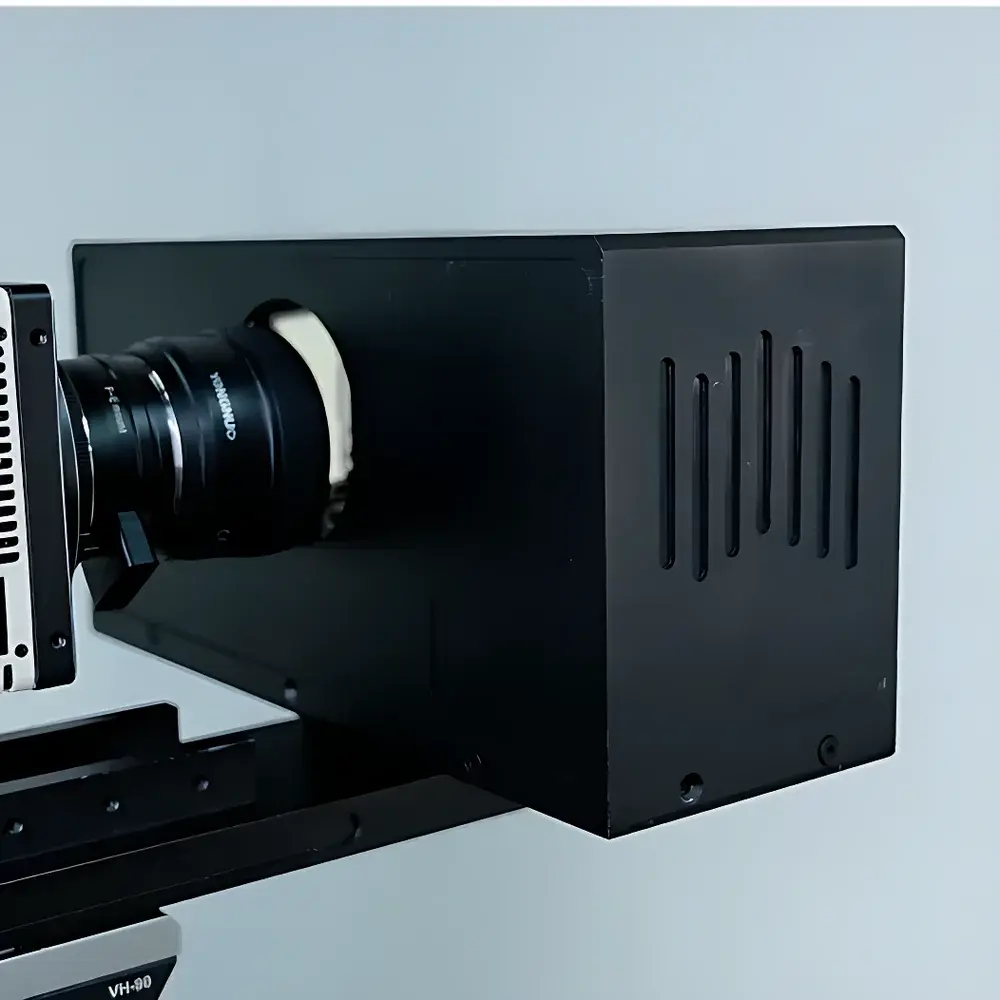
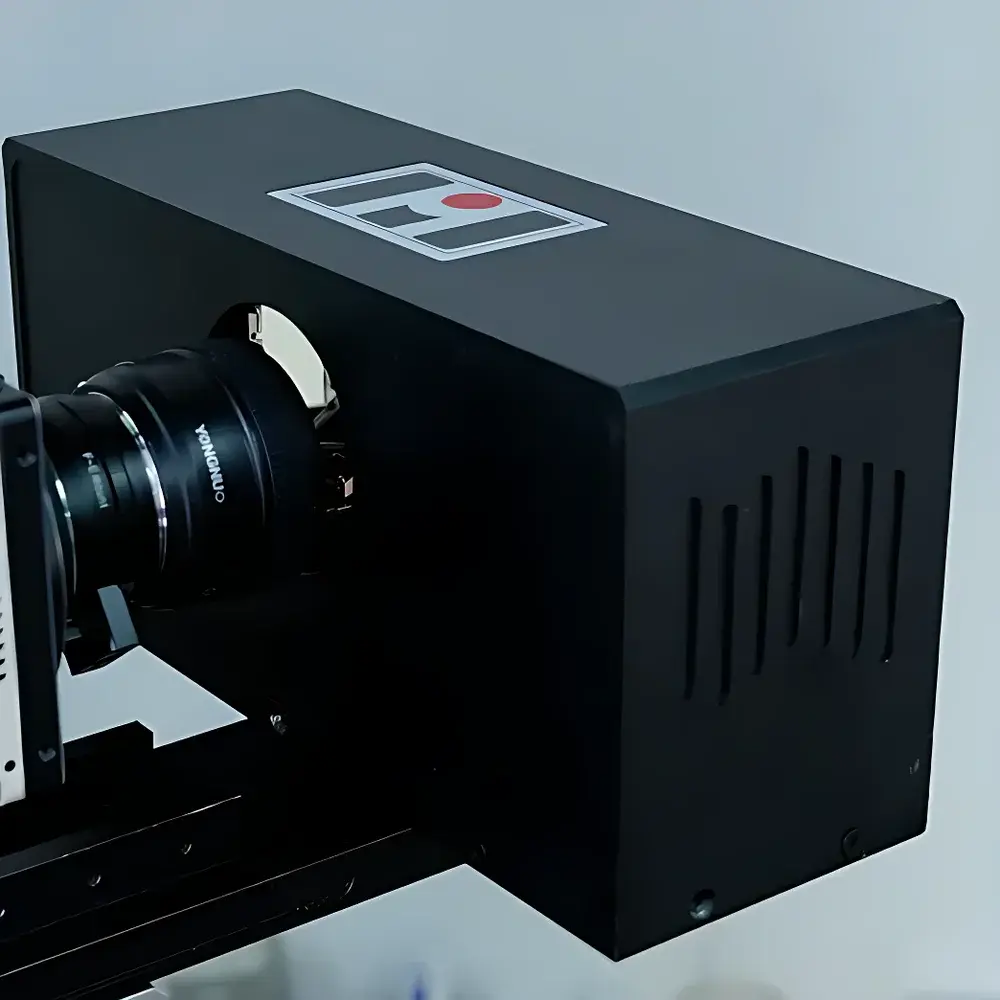
Haytham BlueBox 2000-1Q High-Speed Digital Image Correlation (DIC) Non-Contact Strain Measurement System
| Brand | Haytham |
|---|---|
| Origin | Guangdong, China |
| Manufacturer Type | Authorized Distributor |
| Country of Origin | China |
| Model | BlueBox 2000-1Q |
| Pricing | Upon Request |
Overview
The Haytham BlueBox 2000-1Q is a high-speed, full-field digital image correlation (DIC) system engineered for non-contact, quantitative deformation and strain measurement in dynamic mechanical testing environments. Based on stereo-vision optical principles, the system captures synchronized high-resolution image pairs from two calibrated CMOS cameras, then applies sub-pixel displacement tracking algorithms to compute 3D surface displacements, strains (εxx, εyy, εxy), and rigid-body motion parameters with micron-level spatial resolution. Designed for integration into universal testing machines (UTMs), servo-hydraulic frames, thermal-mechanical test rigs, and impact setups, the BlueBox 2000-1Q delivers real-time strain mapping at acquisition rates up to 2,000 frames per second (fps) — enabling precise characterization of transient phenomena such as crack initiation, plastic localization, vibration modes, and high-strain-rate deformation in metals, composites, polymers, and biomaterials.
Key Features
- High-speed stereo-DIC architecture supporting up to 2,000 fps at full sensor resolution (e.g., 1280 × 1024 pixels per camera)
- Real-time on-board processing engine with embedded FPGA and GPU-accelerated correlation algorithms for low-latency strain computation
- Modular optical design: interchangeable lenses (focal lengths 25–100 mm), adjustable inter-camera baseline, and optional telecentric or macro optics for micro-scale applications
- Automated calibration workflow compliant with ISO/IEC 17025 traceability requirements; includes NIST-traceable 2D/3D calibration targets and validation reports
- Ruggedized industrial enclosure (IP54-rated) with passive thermal management for stable operation in laboratory and pilot-line environments
- Hardware synchronization interface (TTL/RS-422) for precise temporal alignment with load cells, extensometers, high-speed cameras, and environmental chambers
Sample Compatibility & Compliance
The BlueBox 2000-1Q accommodates specimens ranging from 5 mm × 5 mm micro-tensile coupons to 1,200 mm × 600 mm structural panels. Surface preparation follows ASTM E837-22 guidelines for speckle pattern generation — compatible with standard spray-on random speckles, inkjet-printed stochastic patterns, or laser-etched micro-textures. The system supports compliance with multiple international standards, including ASTM E1338 (strain measurement using optical methods), ISO 10365 (mechanical testing — terminology for DIC), and EN 10002-5 (tensile testing of metallic materials — use of optical extensometry). All measurement data logs include metadata required for GLP/GMP audit trails, and software timestamps are synchronized to UTC via NTP or GPS reference clocks.
Software & Data Management
Control and analysis are performed using Haytham DIC Studio v4.x — a Windows-based application developed in accordance with FDA 21 CFR Part 11 requirements for electronic records and signatures. The software provides role-based user access control, configurable audit trail logging (including operator ID, timestamp, parameter changes, and export events), and encrypted project file storage (.hds format). Raw image sequences, displacement fields, strain tensors, and time-series plots can be exported in HDF5, ASCII CSV, or MATLAB .mat formats. Integration APIs (C/C++, Python, .NET) enable automated workflows with LabVIEW, MATLAB Simulink, and custom test sequencing platforms. Data integrity is ensured through SHA-256 checksum validation upon import/export and automatic backup to network-attached storage (NAS) or cloud repositories with configurable retention policies.
Applications
- Mechanical characterization of advanced materials under quasi-static, cyclic, and dynamic loading (e.g., fatigue crack growth, creep rupture, ballistic impact)
- Validation of finite element models (FEM) by direct comparison of experimental strain fields against simulated outputs
- In-process monitoring of additive manufacturing build layers and post-build distortion analysis
- Thermo-mechanical coupling studies using simultaneous DIC + infrared thermography (IR) data fusion
- Biomechanics research: soft tissue deformation during indentation, scaffold compression, and orthopedic implant testing
- Quality assurance in aerospace component certification (e.g., composite wing spar bending, turbine blade vibrational mode analysis)
FAQ
What is the minimum measurable strain resolution of the BlueBox 2000-1Q?
The system achieves typical strain resolution of ±20 µε (microstrain) for static measurements and ±50 µε under high-speed conditions, depending on speckle quality, working distance, and lens configuration.
Can the BlueBox 2000-1Q be used in vacuum or elevated temperature environments?
Yes — optional environmental enclosures and quartz-window camera housings support operation in vacuum chambers (down to 10⁻³ mbar) and thermal chambers (−40 °C to +200 °C); optical path compensation modules maintain focus stability across temperature gradients.
Is third-party software integration supported?
Yes — native drivers and documented SDKs enable bidirectional communication with MTS TestSuite, Instron Bluehill, and custom Python-based test automation frameworks.
Does the system require periodic recalibration?
Calibration validity is maintained for 12 months under normal lab conditions; annual verification using certified 3D calibration artifacts is recommended per ISO/IEC 17025 and internal QA protocols.
How is measurement uncertainty quantified and reported?
Uncertainty budgets follow GUM (Guide to the Expression of Uncertainty in Measurement) principles and include contributions from camera noise, lens distortion, speckle contrast, and subset correlation confidence thresholds — all automatically calculated and embedded in exported result files.



