
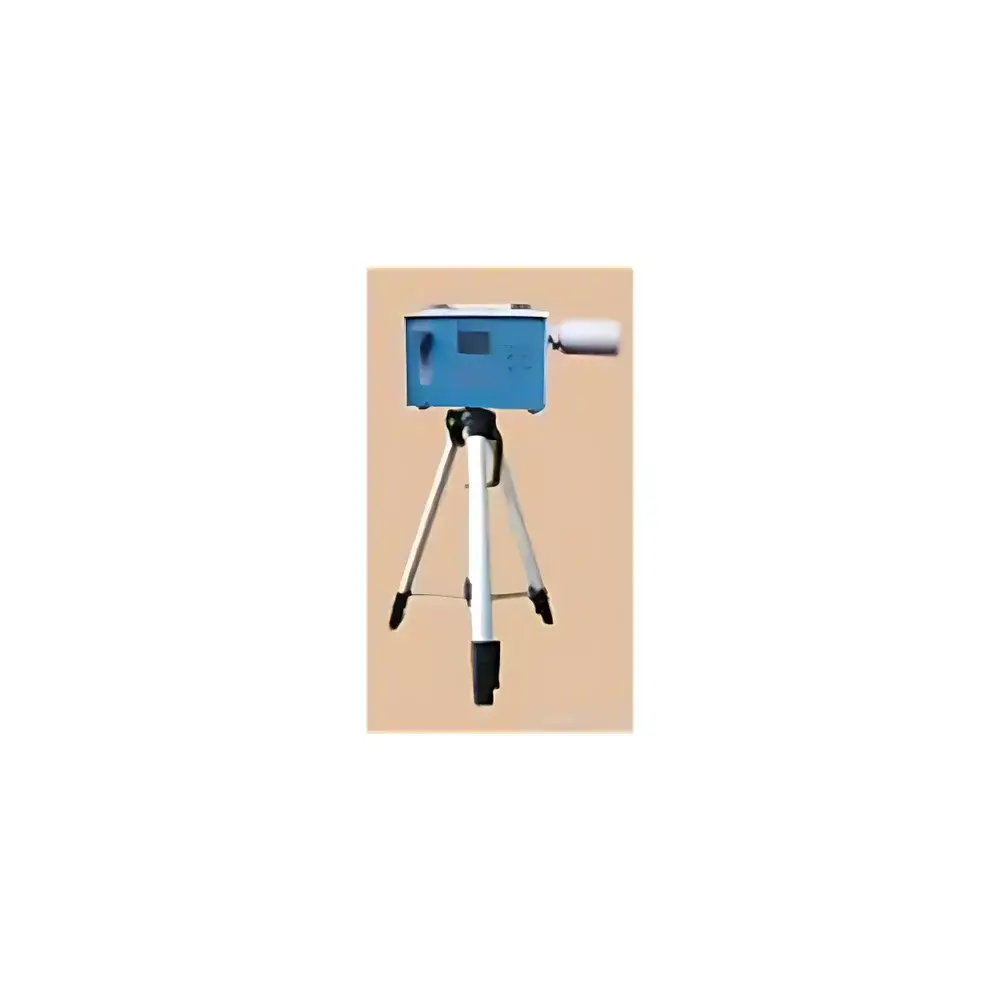
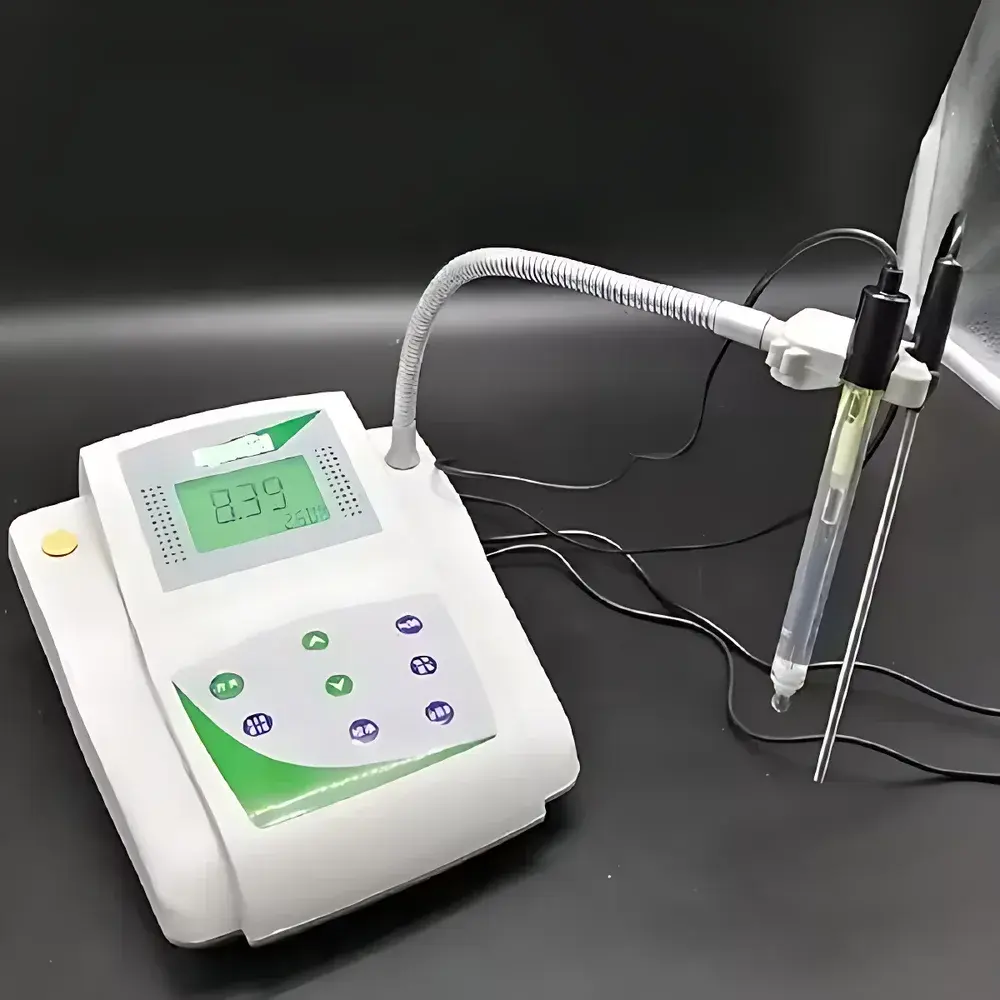
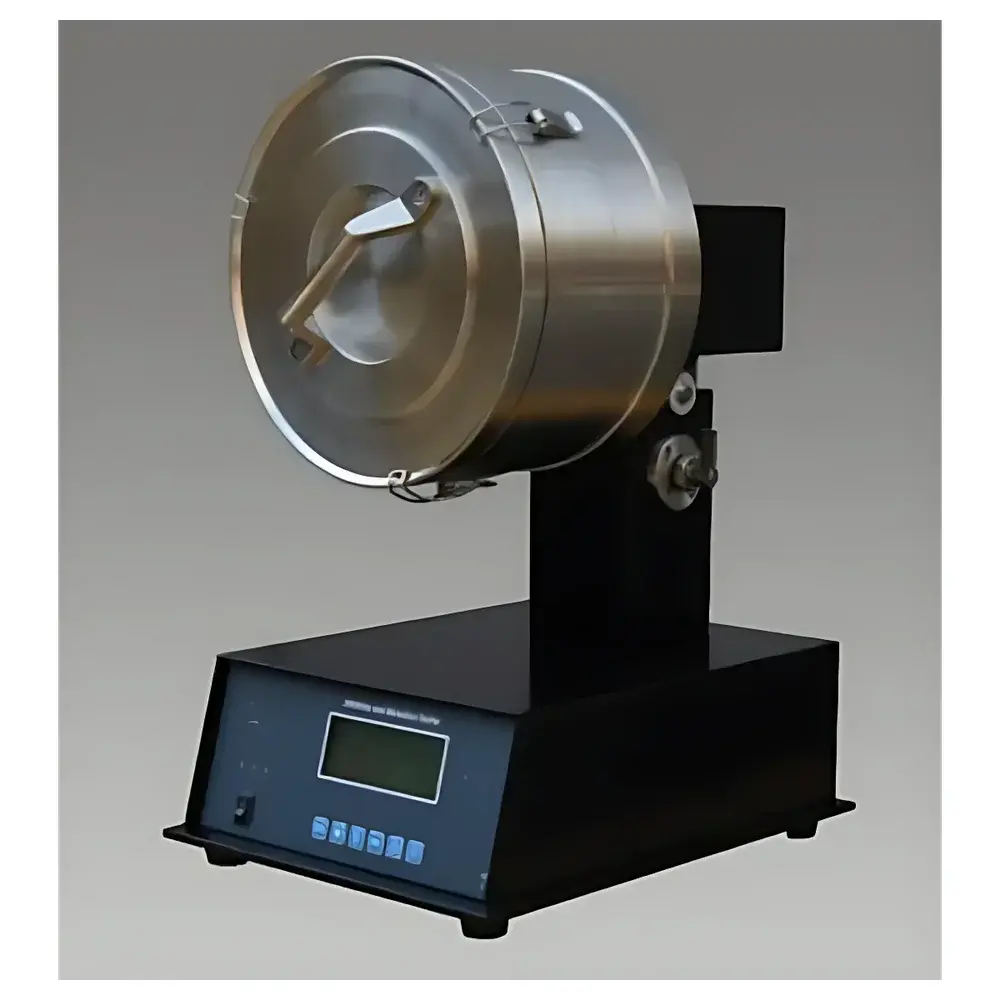
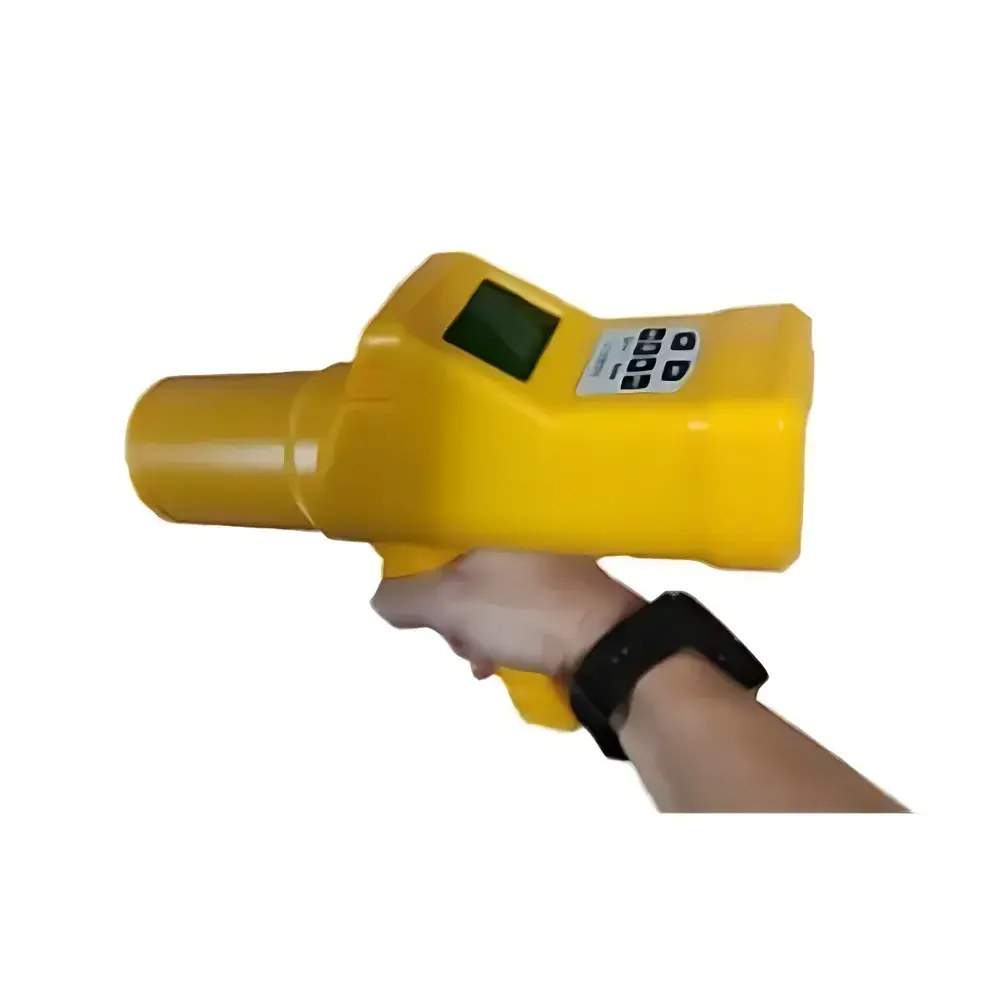
Hengao De HA-JFC-3 Personal Dust Sampler | HAD-PHS-3E Benchtop pH Meter | HAD-M6 Catalyst Attrition Tester | HAD-310GM Protective X/Y Radiation Survey Meter | HAD-TG-250 Sludge Specific Resistance Tester | HAD-CST Capillary Suction Time Analyzer
| Brand | Hengao De |
|---|---|
| Origin | Beijing, China |
| Manufacturer Type | Authorized Distributor |
| Country of Origin | China |
| Model | HA-JFC-3 / HAD-PHS-3E / HAD-M6 / HAD-310GM / HAD-TG-250 / HAD-CST |
| Sampling Flow Range | 0.1–3 L/min |
| pH Range | −2.00 to +18.00 pH |
| pH Resolution | 0.01 pH |
| Radiation Dose Rate Range | 0.01 µSv/h to 1 Sv/h |
| Energy Response | 30 keV to 1.5 MeV |
| CST Measurement Area | (4580 ± 60) mm² |
| Power Supply | AC 220 V / DC 3–6 V (battery or adapter) |
| Weight | ≤0.5 kg (HA-JFC-3), 630 g (HAD-310GM), 3.2 kg (HAD-TG-250) |
Overview
This integrated instrumentation suite comprises six rigorously engineered laboratory and field-deployable analyzers designed for occupational health monitoring, environmental compliance, catalytic material characterization, radiation safety, and wastewater treatment process optimization. Each instrument adheres to nationally recognized technical standards—Q/JYH01-2002 (dust sampling), ASTM D4058-96 (catalyst attrition), JG 393-2018 (radiation surveying), and TB/T3091-2019 (visual perception assessment)—ensuring metrological traceability and regulatory acceptability in industrial hygiene, QC/QA, and research applications. The HA-JFC-3 personal dust sampler employs a high-vacuum diaphragm pump to maintain stable flow under variable filter loading conditions; the HAD-PHS-3E pH meter utilizes dual-junction glass composite electrodes with automatic temperature compensation (ATC) across 0–100 °C; the HAD-M6 catalyst attrition tester implements programmable rotational abrasion per ASTM methodology; the HAD-310GM radiation survey meter integrates dual GM tubes with auto-ranging circuitry for seamless transition between background and emergency dose-rate regimes; the HAD-TG-250 sludge specific resistance tester follows standardized vacuum filtration principles per standard gravimetric protocols; and the HAD-CST analyzer quantifies capillary suction time via resistive conductivity measurement across fixed-interval platinum electrodes on filter paper—enabling rapid, non-destructive assessment of dewaterability.
Key Features
- HA-JFC-3: Dual-power operation (AC 220 V ±10% / 4×AA batteries), >26 kPa vacuum pressure, ±2.5% FS flow accuracy, and programmable timer with ≤±0.1% deviation.
- HAD-PHS-3E: High-impedance input (>1012 Ω), manual/automatic temperature compensation, 300-point data storage, and buffered calibration verification using NIST-traceable pH 4.01/7.00/10.01 solutions.
- HAD-M6: LCD interface with bilingual (English/Chinese) menu navigation, non-volatile parameter memory, stepper-motor-driven drum rotation (25–100 rpm), and configurable sieve mesh (standard 20-mesh, optional custom apertures).
- HAD-310GM: Dual GM tube configuration with independent high/low-range channels, energy-compensated response from 30 keV to 1.5 MeV, real-time audible/visual alarm thresholds, and dose-rate logging with timestamped records.
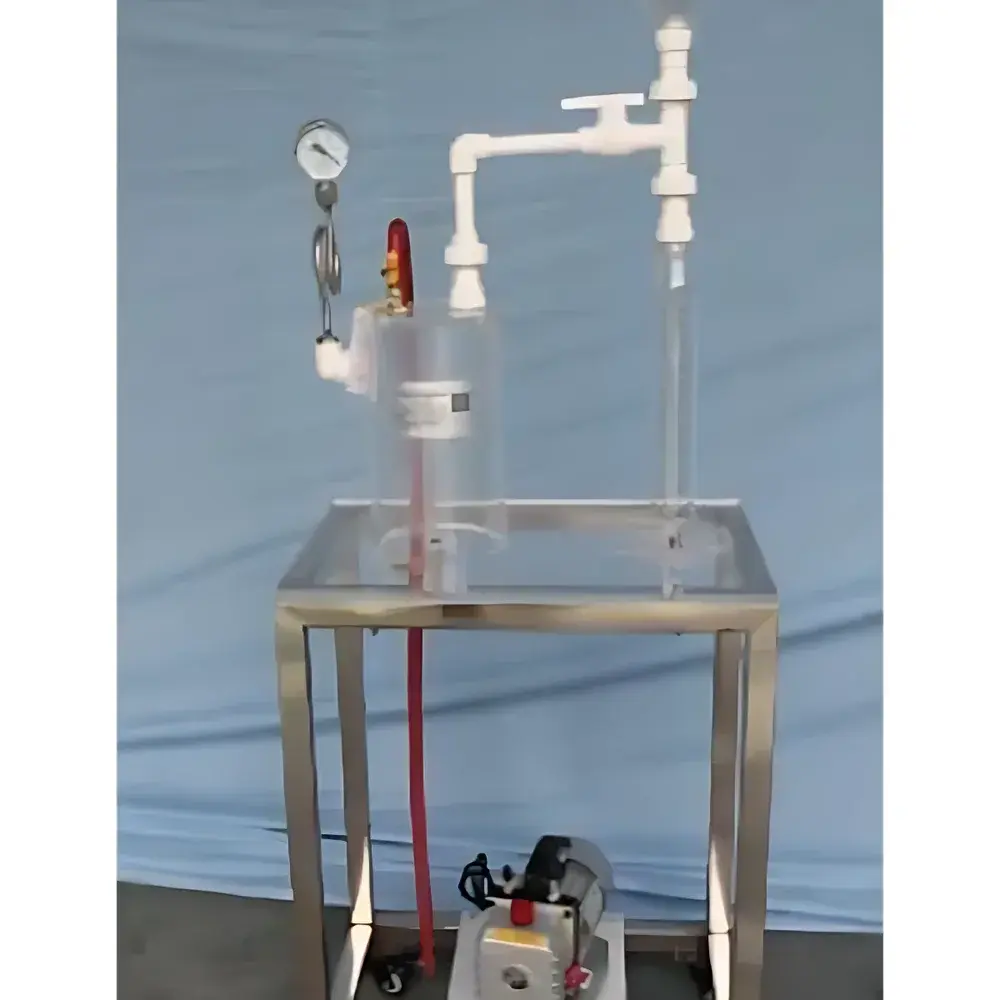
- HAD-TG-250: Vacuum-controlled filtration system with precision vacuum gauge (0–100 kPa), stainless-steel frame, borosilicate glass components, and dual 300 mL calibrated receivers for replicate testing.
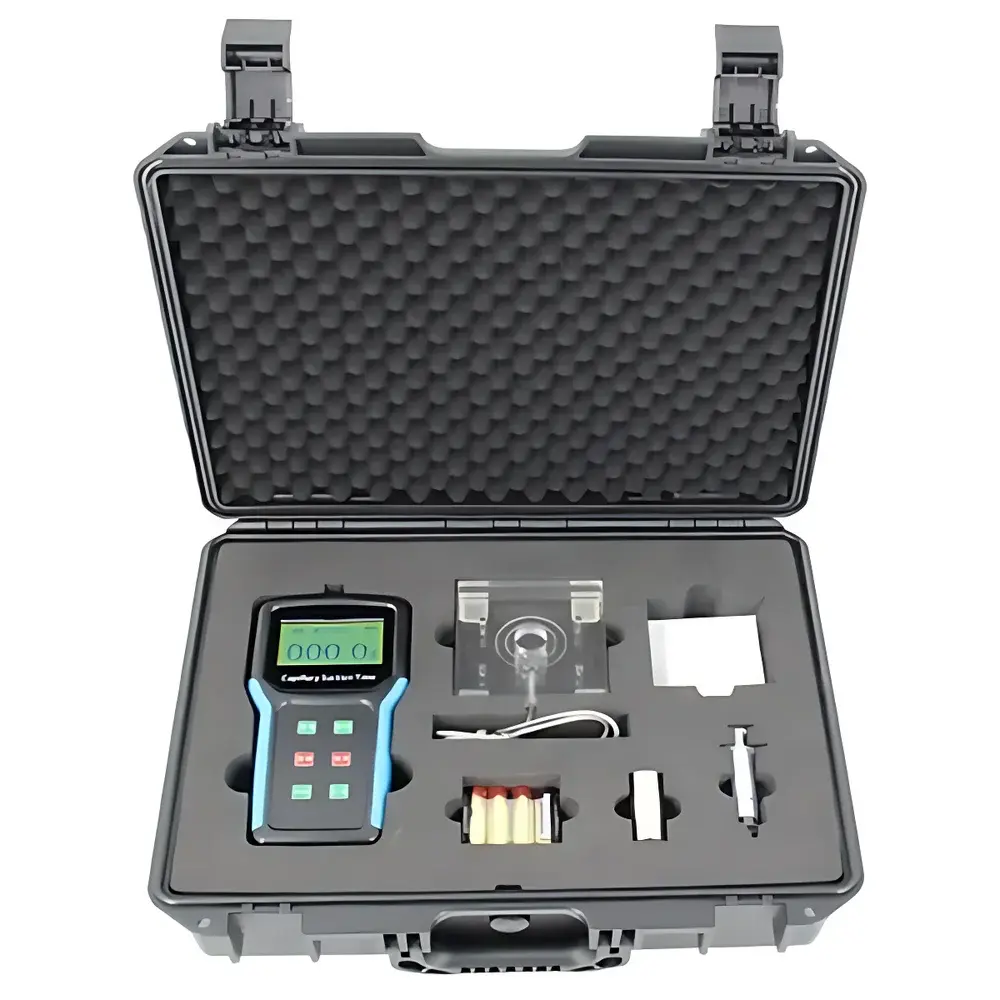
- HAD-CST: Fixed-area filtration surface (4580 mm²), microprocessor-controlled timing resolution <0.1 s, embedded data retention for 30 test cycles, and CE-compliant low-voltage DC3V operation for field portability.
Sample Compatibility & Compliance
All instruments comply with internationally referenced test methodologies and national metrological verification requirements. The HA-JFC-3 supports 37 mm and 25 mm diameter PVC, mixed-cellulose ester (MCE), and polyvinyl chloride (PVC) filters for total and respirable dust fractionation. The HAD-PHS-3E accommodates aqueous, non-aqueous, and low-ionic-strength samples via interchangeable electrode configurations (e.g., double-junction reference for aggressive matrices). The HAD-M6 accepts granular catalysts and carriers sized 0.5–5 mm, conforming to ASTM D4058 particle size distribution criteria. The HAD-310GM meets JG 393-2018 performance specifications for protective-level survey meters—including angular dependence ≤±30%, linearity error <±10% over full range, and overload recovery <5 s after 10× full-scale exposure. The HAD-TG-250 and HAD-CST systems are validated for municipal and industrial activated sludge, anaerobically digested biosolids, and chemical coagulant-conditioned suspensions per ISO 10521-1 and US EPA Method 1680.
Software & Data Management
While standalone operation is fully functional, select models support external data capture via RS232 serial interface (HAD-08A deep vision tester, HAD-310GM radiation meter) or USB-to-serial adapters (HAD-PHS-3E, HAD-CST). All logged datasets include date/time stamps, operator ID (via optional IC card reader integration), and instrument serial number—facilitating audit-ready documentation under GLP/GMP frameworks. The HAD-PHS-3E stores calibration history, slope/mV offset values, and buffer identification for full traceability. The HAD-310GM provides cumulative dose reporting aligned with ICRP dose calculation conventions. No cloud-based services or proprietary software dependencies are required; raw ASCII-formatted output is compatible with Excel, LabVIEW, and LIMS platforms. Firmware updates are delivered via secure FTP upon registration—maintaining compliance with FDA 21 CFR Part 11 electronic record integrity requirements where applicable.
Applications
These instruments serve cross-sectoral analytical needs: industrial hygienists deploy the HA-JFC-3 for OSHA-regulated personal exposure monitoring in mining, construction, and foundry operations; water utilities apply the HAD-CST and HAD-TG-250 to optimize polymer dosing and centrifuge feed conditioning; petrochemical R&D labs use the HAD-M6 to benchmark catalyst mechanical stability during scale-up; nuclear medicine departments rely on the HAD-310GM for quarterly room surveys and brachytherapy source handling verification; academic laboratories employ the HAD-PHS-3E for enzyme kinetics, titration endpoint detection, and buffer capacity studies; and transportation safety agencies integrate the HAD-08A into driver fitness-for-duty programs per GBZ188-2014 occupational health screening guidelines. Each unit is engineered for reproducibility across shifts, operators, and ambient conditions—from −10 °C outdoor sampling to 40 °C humidified lab environments.
FAQ
Are these instruments certified for use in regulated GMP environments?
Yes—the HAD-PHS-3E, HAD-310GM, and HAD-TG-250 support 21 CFR Part 11-compliant data integrity when paired with validated serial logging software and user access controls.
Can the HAD-M6 accommodate non-standard sieve sizes?
Yes—custom sieve inserts (10–100 mesh) can be ordered separately and installed without tooling; dimensional tolerances conform to ISO 3310-1.
Does the HA-JFC-3 meet NIOSH BC 0500 or ISO 7708 requirements?
It satisfies Q/JYH01-2002, which references ISO 7708:1995 for respirable dust fractionation; full NIOSH approval requires third-party validation per BC 0500 test protocol.
What maintenance intervals are recommended for the HAD-310GM GM tubes?
Annual verification against a calibrated 137Cs source is advised; tube replacement is typically required after 5 × 10⁹ counts or 5 years of continuous use.
Is CST data directly convertible to specific resistance (r) values?
No—CST is an empirical index correlated to r via regression models established for specific sludge types; direct conversion requires parallel TG-250 testing per ISO 10521-1 Annex B.





