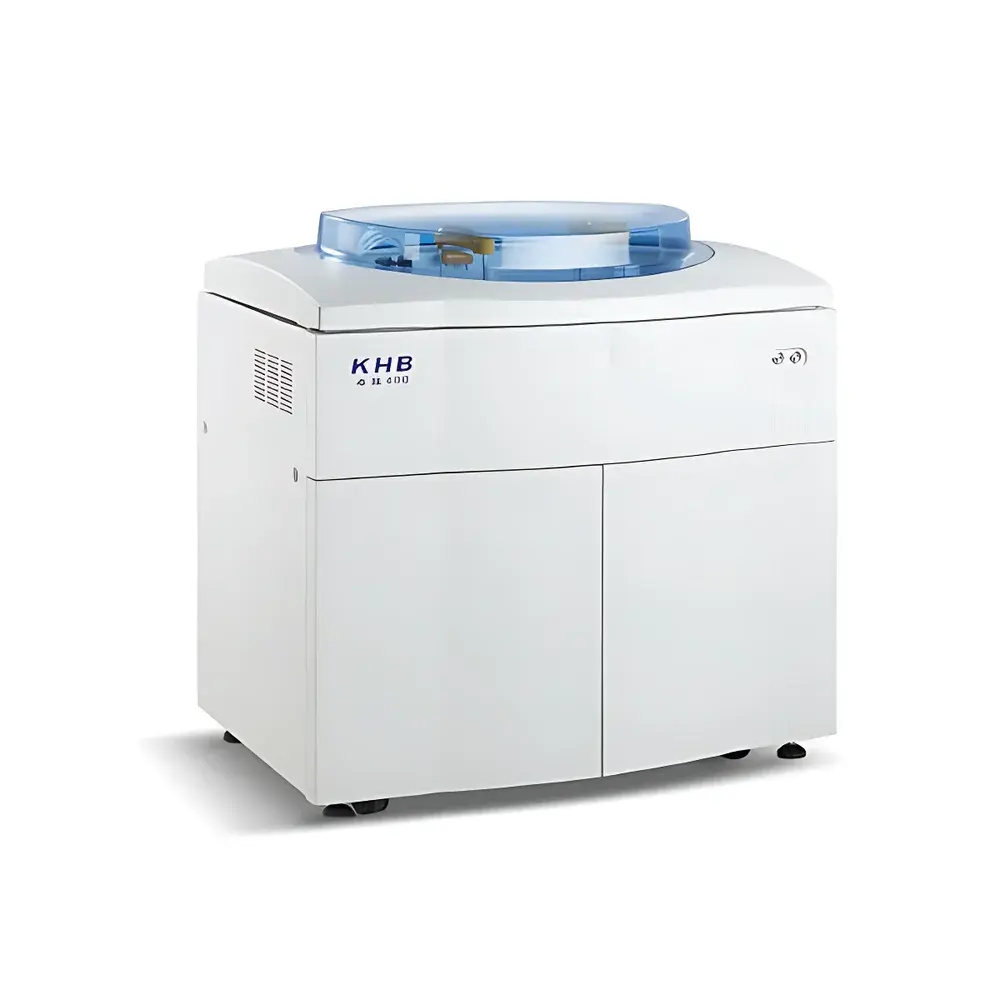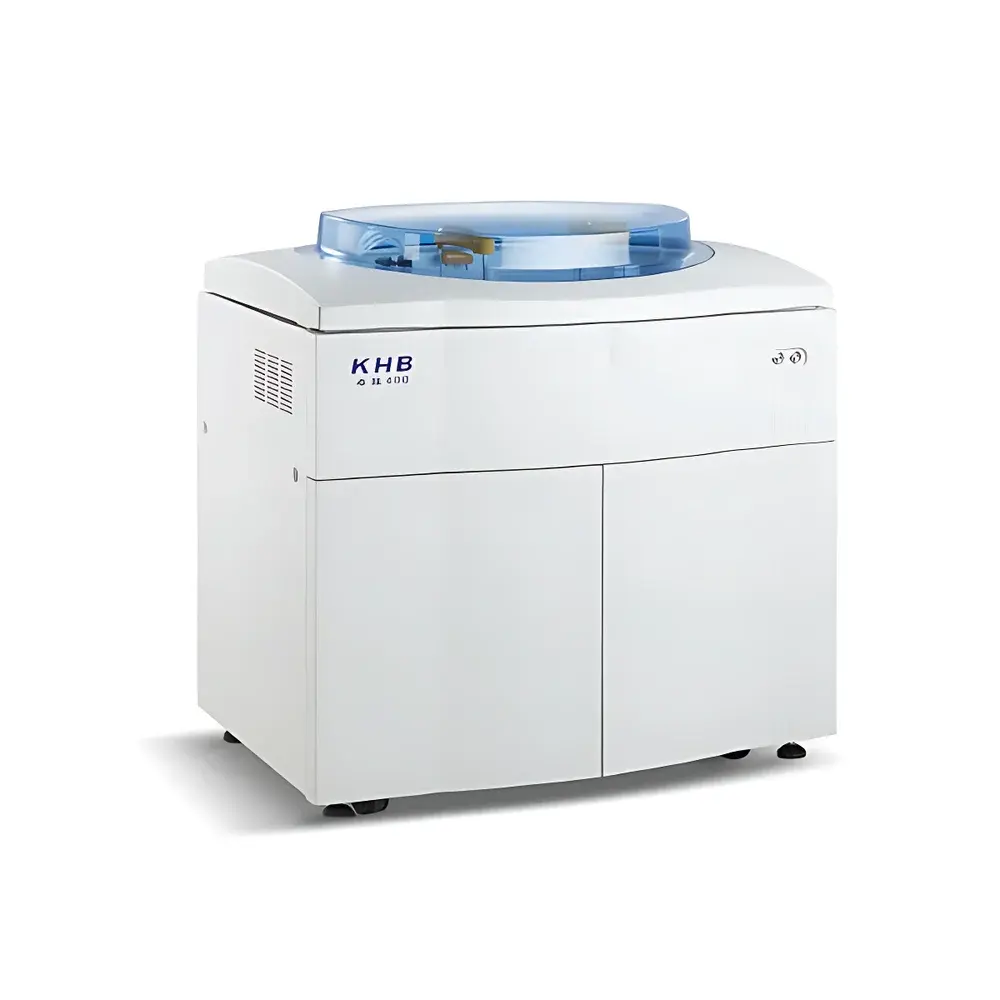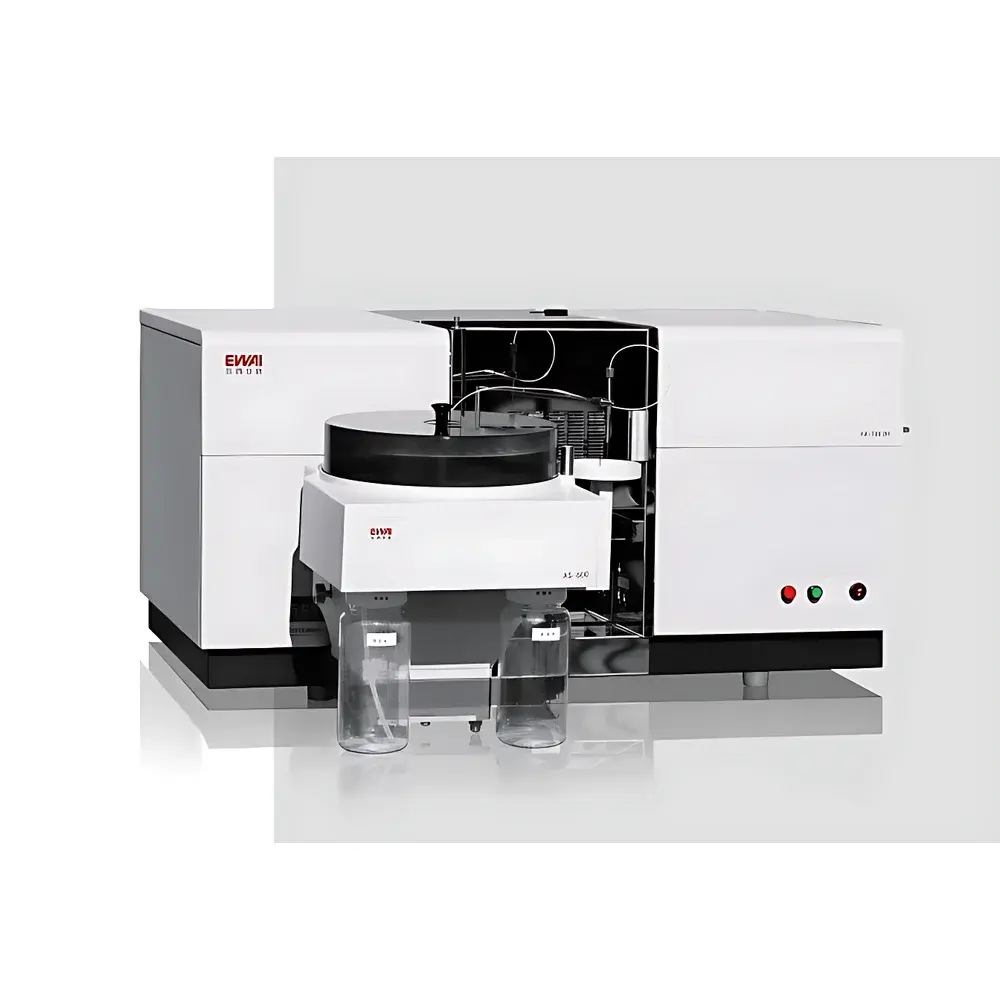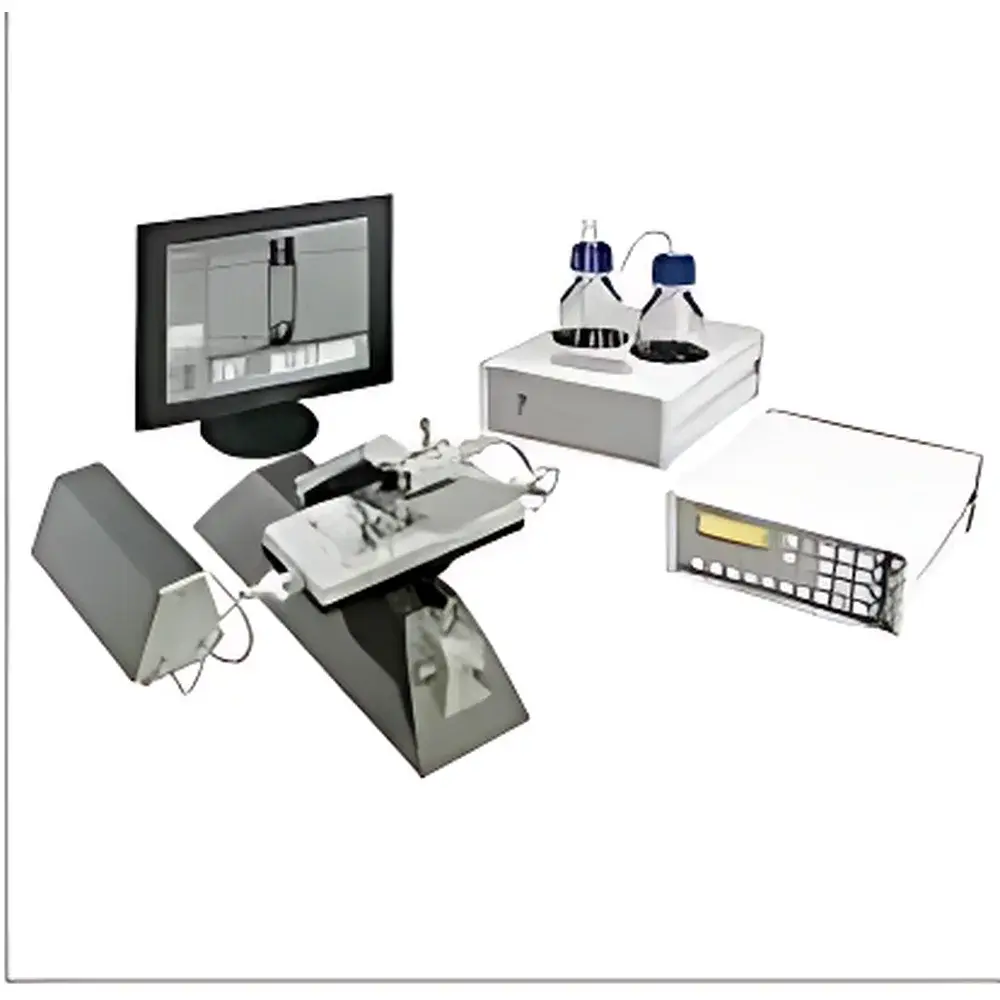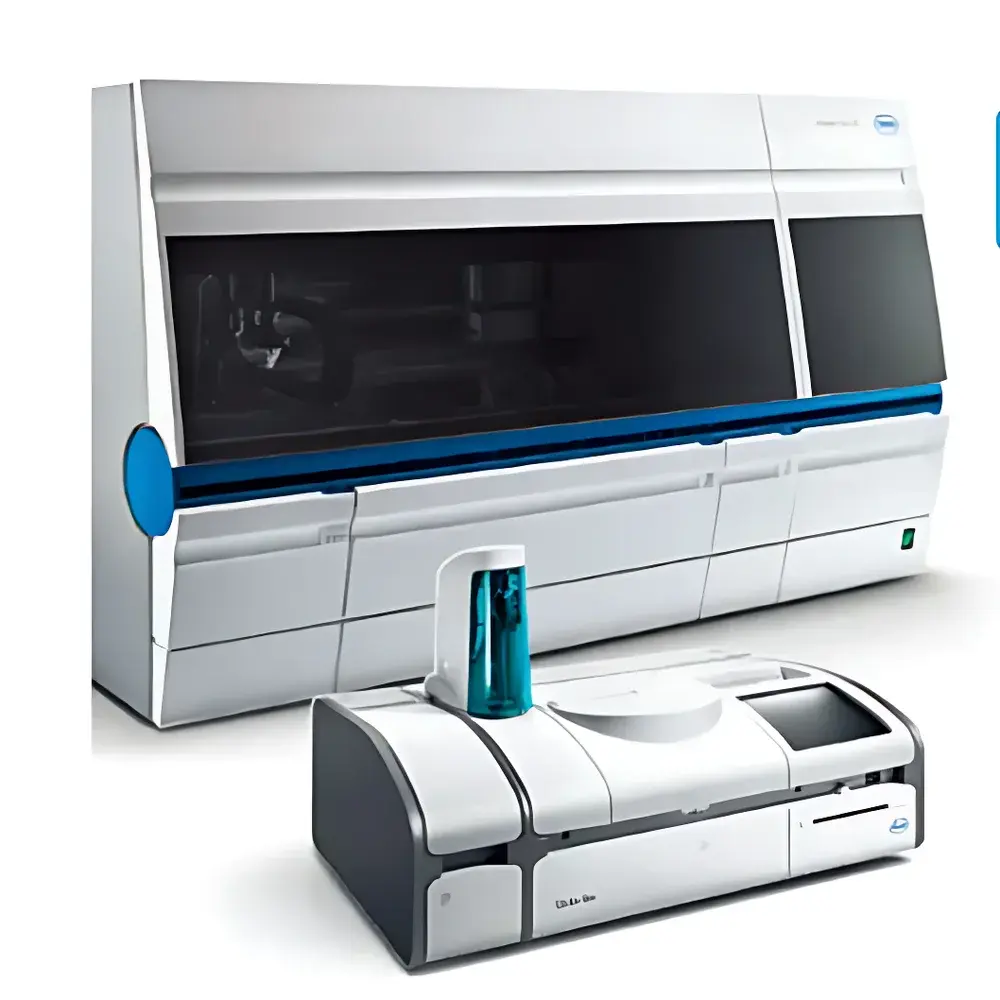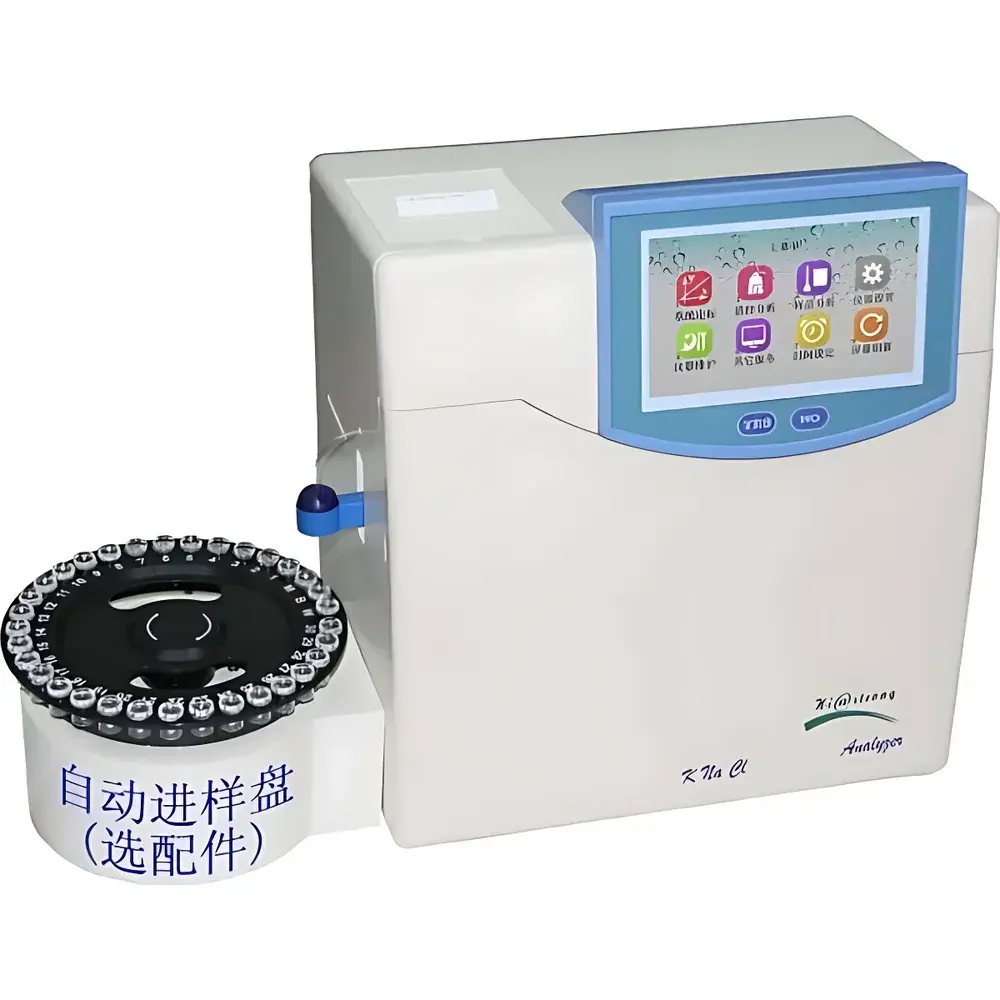
Histrong HC-9883 Electrolyte Analyzer
| Brand | Histrong |
|---|---|
| Origin | Guangdong, China |
| Manufacturer Type | OEM/ODM Manufacturer |
| Country of Origin | China |
| Model | HC-9883 |
| Price | Upon Request |
| Measurement Range (K⁺) | 0.40–15.00 mmol/L |
| Resolution | 0.01 mmol/L |
| Measurement Range (Na⁺) | 30.0–200.0 mmol/L |
| Resolution | 0.1 mmol/L |
| Measurement Range (Cl⁻) | 30.0–200.0 mmol/L |
| Resolution | 0.1 mmol/L |
| Sample Volume | < 100 µL |
| Turnaround Time | < 60 s/sample |
| Interface | USB + RS-232 |
| Printer | Integrated high-speed thermal printer (Chinese UI) |
| Operating Temperature | 10–35 °C |
| Relative Humidity | < 85% RH |
| Power Supply | 220 V ±10%, 50 Hz, 60 W |
| Dimensions (W×D×H) | 360 × 240 × 420 mm |
| Weight | 8 kg |
Overview
The Histrong HC-9883 Electrolyte Analyzer is a benchtop, ion-selective electrode (ISE)-based clinical analyzer engineered for rapid, precise, and reproducible quantification of key electrolytes—potassium (K⁺), sodium (Na⁺), and chloride (Cl⁻)—in whole blood, serum, plasma, and heparinized samples. It operates on the principle of potentiometric measurement using solid-state or polymer membrane ISEs, where analyte-specific ion activity generates a Nernstian potential difference across the sensing membrane. This voltage is converted to concentration via calibrated two-point or multi-point standardization, with automatic temperature compensation (ATC) integrated into the measurement circuitry. Designed for mid-volume clinical laboratories, emergency departments, and point-of-care settings, the HC-9883 delivers sub-minute results without compromising analytical rigor, meeting essential performance criteria outlined in CLIA-waived testing guidelines and ISO 15197:2013 for in vitro diagnostic devices.
Key Features
- ARM-based high-speed embedded processor enabling real-time data acquisition, firmware over-the-air (OTA) updates via network interface, and deterministic response latency for time-critical diagnostics.
- Side-drive auto-reset sample aspiration system eliminating manual syringe actuation—reducing operator dependency and minimizing carryover risk between sequential runs.
- Programmable protein removal cycle using timed enzymatic or detergent-based flush protocols to prevent biofouling of fluidic pathways and maintain electrode surface integrity over extended operation.
- Integrated opto-mechanical liquid distribution valve with monolithic housing, reducing dead volume, simplifying tubing layout, and supporting field-replaceable cartridge-based maintenance.
- Imported ion-selective membranes (e.g., valinomycin for K⁺, sodium tetraphenylborate for Na⁺, and quaternary ammonium salts for Cl⁻) ensuring low detection limits, minimal cross-sensitivity, and ≥12-month operational lifespan under routine use.
- Full walk-away automation: auto-calibration, sample aspiration, electrode immersion, measurement, post-run rinse, result display, and thermal report generation—requiring zero manual cleaning or recalibration during an 8-hour shift.
- Dual-standard communication architecture compliant with RS-232 (for LIS/HIS integration) and USB 2.0 (for direct PC connection or flash drive data export), supporting HL7 v2.x message framing for bidirectional lab information exchange.
Sample Compatibility & Compliance
The HC-9883 accepts lithium heparin, EDTA, or plain serum/plasma specimens (minimum 80 µL); capillary whole blood is supported with optional micro-sampling adapter. It complies with IEC 61010-1:2010 for electrical safety and IEC 61326-1:2013 for electromagnetic compatibility. While not FDA 510(k)-cleared, its analytical performance aligns with CLSI EP15-A3 verification protocols and meets intra-assay imprecision targets (<1.0% CV) required for waived testing under U.S. CLIA regulations. The thermal printer output satisfies traceability requirements per ISO 15189:2022 Annex A.5.10, with timestamped reports retaining audit-ready metadata including calibration lot numbers, QC run IDs, and operator logins.
Software & Data Management
Embedded firmware supports automated QC tracking per Westgard multirules (1₂ₛ, 1₃ₛ, 2₂ₛ, R₄ₛ, 4₁ₛ, 10ₓ), generating Levey-Jennings charts and calculating mean, SD, and CV for each analyte across user-defined QC batches. All measurement events—including raw mV readings, temperature logs, and error flags—are stored locally in non-volatile memory (≥10,000 test records). Data export is supported in CSV format via USB mass storage mode; no proprietary software installation is required. Audit trail functionality records all parameter modifications, calibration events, and user login/logout timestamps—enabling GLP/GMP-aligned review for internal quality audits.
Applications
Primary deployment includes critical care units (ICU/ER) for rapid assessment of acid-base balance and electrolyte disturbances in sepsis, renal failure, or cardiac arrhythmia cases; outpatient clinics performing metabolic panel triage; and blood bank labs monitoring electrolyte shifts during massive transfusion protocols. Secondary use cases include veterinary diagnostics (canine/feline serum analysis) and pharmaceutical stability studies requiring small-volume ionic strength monitoring.
FAQ
What sample types are validated for use with the HC-9883?
Whole blood (lithium heparin), serum, and plasma are fully validated. Capillary samples require the optional micro-sampling kit.
Does the instrument support external QC material assignment and trending?
Yes—users can define up to 5 QC levels per analyte and assign custom lot numbers; trends are visualized in real time with violation alerts.
Is the thermal printer compatible with standard medical-grade thermal paper?
Yes—it uses 57-mm-wide thermal paper compliant with ISO 24711, with archival stability exceeding 60 months under ambient dark storage.
Can the HC-9883 be integrated into a hospital’s LIS without middleware?
RS-232 supports direct HL7 ADT/ORU messaging; configuration requires LIS-side mapping of field delimiters and segment identifiers.
How often must the ISE modules be replaced under typical usage (20 tests/day)?
Electrode cartridges are rated for ≥8,000 measurements; replacement is indicated by sustained signal drift (>±2 mV baseline shift) or failed calibration verification.