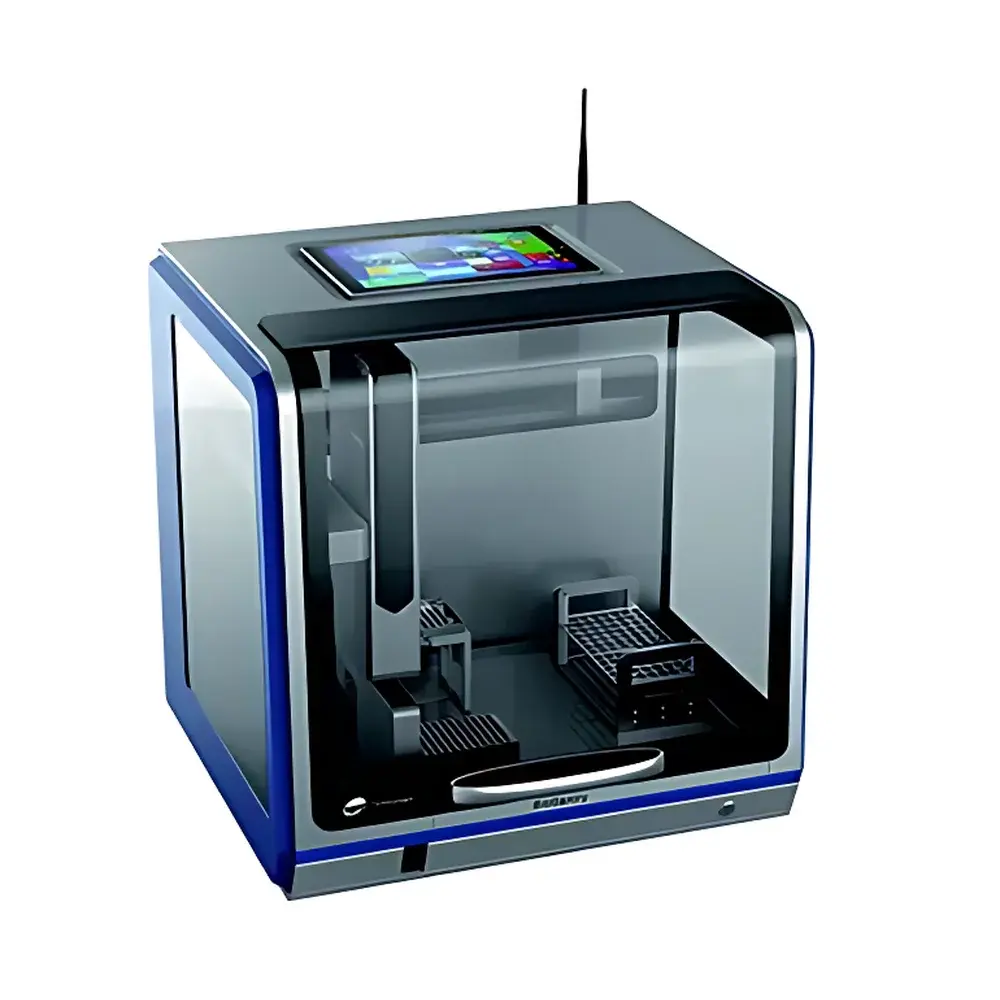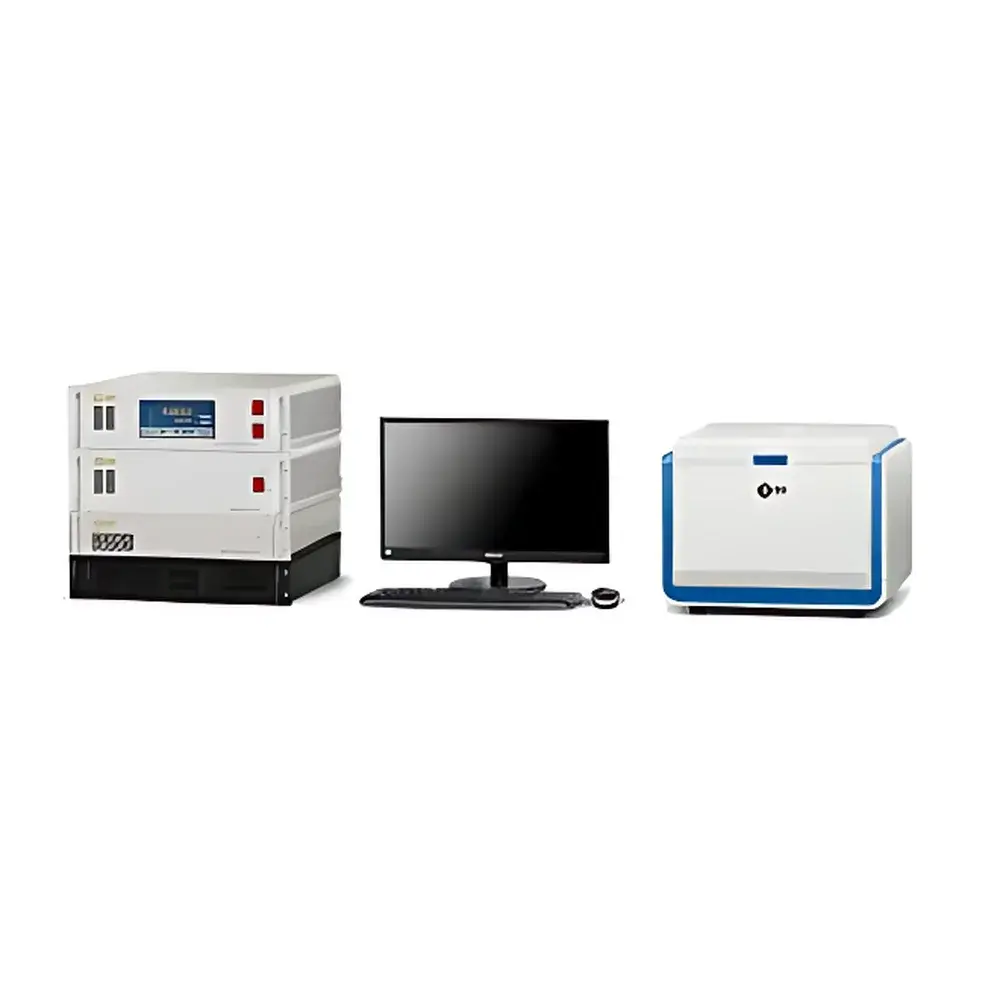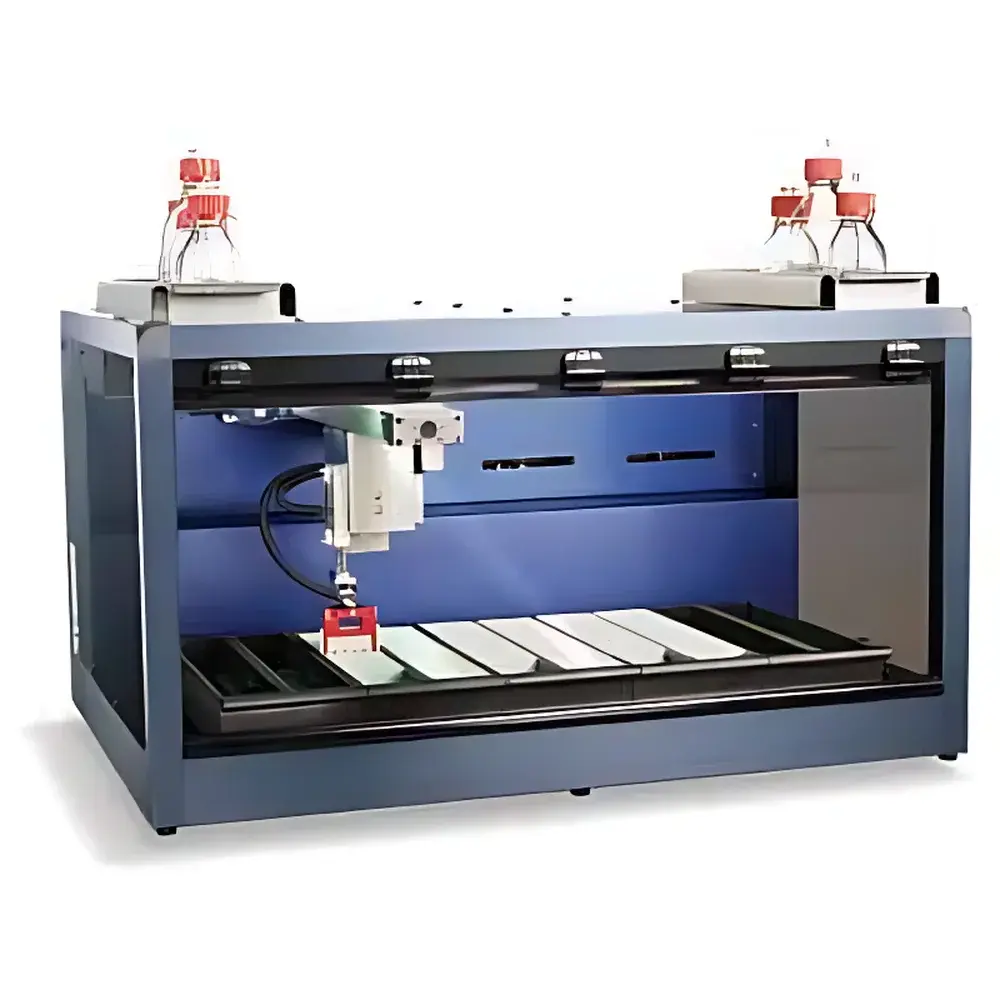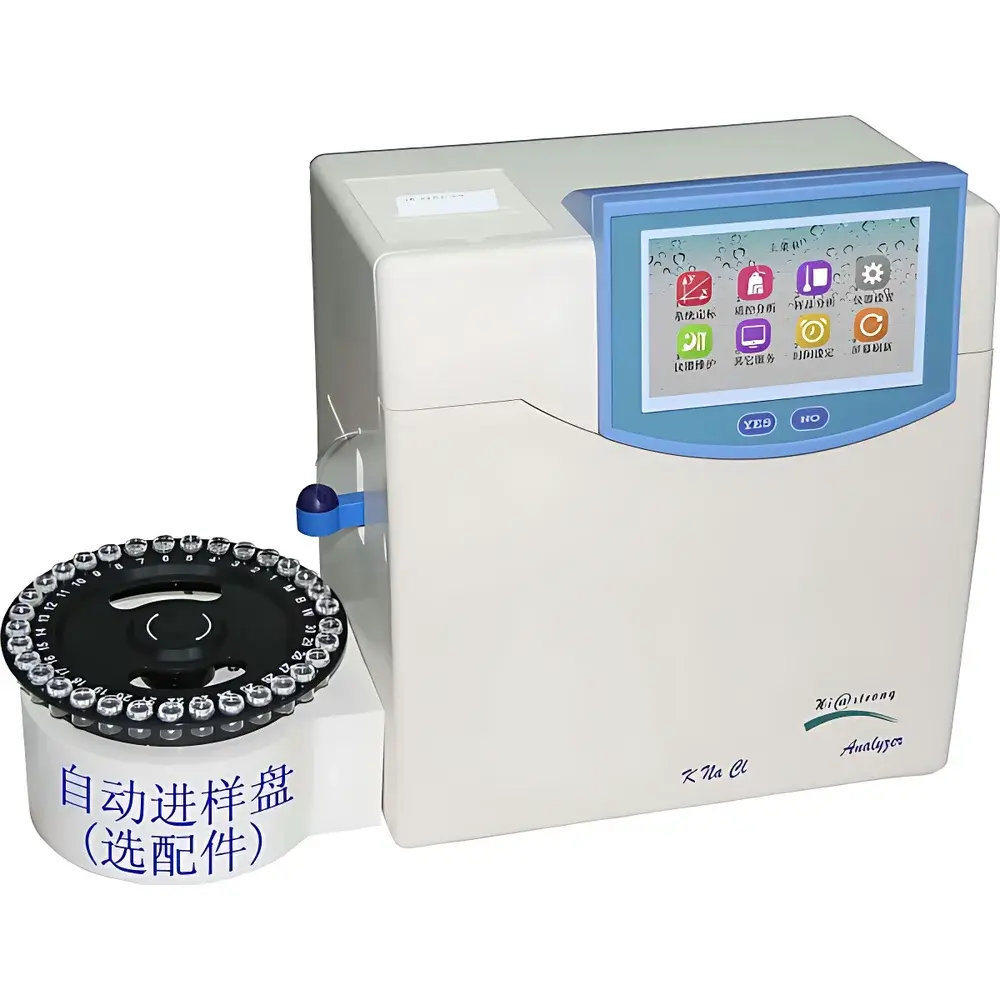
Histrong HC9885 Fully Automated Electrolyte Analyzer
| Brand | Histrong |
|---|---|
| Model | HC9885 |
| Origin | Guangdong, China |
| Manufacturer Type | Direct Manufacturer |
| Country of Origin | China |
| Measurement Range (K⁺) | 0.40–15.00 mmol/L |
| Resolution | 0.01 mmol/L |
| Measurement Range (Na⁺) | 30.0–200.0 mmol/L |
| Resolution | 0.1 mmol/L |
| Measurement Range (Cl⁻) | 30.0–200.0 mmol/L |
| Resolution | 0.1 mmol/L |
| Measurement Range (iCa²⁺) | 0.10–5.00 mmol/L |
| Resolution | 0.01 mmol/L |
| pH Range | 4.00–9.00 |
| Resolution | 0.01 |
| Sample Volume | 60–220 µL |
| Throughput | 25–90 samples/hour |
| Internal Thermal Printer | Integrated low-noise high-speed Chinese thermal printer |
| Communication Interfaces | USB + RS232 |
| Operating Temperature | 10–35 °C |
| Relative Humidity | <85% |
| Power Supply | 220 V ±10%, 50 Hz, 60 W |
Overview
The Histrong HC9885 Fully Automated Electrolyte Analyzer is a benchtop clinical chemistry analyzer engineered for precision, reliability, and regulatory compliance in routine and high-volume clinical laboratories. It employs potentiometric ion-selective electrode (ISE) technology—based on the Nernst equation—to quantitatively determine key electrolytes (K⁺, Na⁺, Cl⁻, iCa²⁺) and pH in whole blood, serum, plasma, and urine specimens. The system utilizes solid-state, imported membrane-based ISEs with integrated reference electrodes, ensuring long-term stability, minimal drift, and reduced calibration frequency. Its microfluidic architecture features a closed-loop, low-volume fluidics path with automated deproteinization cycles, eliminating protein fouling on electrode surfaces—a critical factor in maintaining measurement fidelity across extended operational periods.
Key Features
- ARM-based high-performance embedded processor with over-the-air firmware update capability via Ethernet or USB, enabling seamless compliance with evolving software validation requirements (e.g., IEC 62304).
- Automated deproteinization module: Scheduled enzymatic or chemical wash cycles remove protein deposits from tubing and electrode junctions, preserving electrode response time and minimizing carryover (<0.05%).
- Lateral-drive auto-reset sample probe mechanism: Eliminates cross-contamination through positive mechanical retraction and air-gap aspiration; compliant with CLSI EP21-A2 guidelines for carryover assessment.
- Optical liquid-level detection system: Real-time monitoring of sample volume, reagent levels, and waste status; triggers audible/visual alerts upon insufficient sample or air-in-line conditions.
- Integrated photodiode-based fluidic valve positioning: Ensures repeatable metering accuracy and simplifies preventive maintenance—no manual calibration of peristaltic pump rollers required.
- Auto-potential tracking and dual-parameter calibration (slope + intercept): Supports two-point calibration with primary standards traceable to NIST SRM 918b (for K⁺/Na⁺) and SRM 919c (for Cl⁻), meeting ISO 15197:2013 analytical performance criteria.
- Fully automated workflow: From sample aspiration and electrode conditioning to measurement, rinsing, QC evaluation, and report generation—requiring zero manual intervention between runs.
Sample Compatibility & Compliance
The HC9885 accepts heparinized whole blood (lithium or sodium), serum, plasma (EDTA/K₂-EDTA), and random urine without centrifugation. Sample volumes range from 60–220 µL, accommodating pediatric and microsample applications. All measurements adhere to CLIA-waived test categorization under U.S. FDA 21 CFR Part 866.2100 and meet ISO 15189:2022 requirements for pre-analytical, analytical, and post-analytical phase control. Built-in QC management supports Westgard multi-rules (1₂ₛ, 1₃ₛ, 2₂ₛ, R₄ₛ, 4₁ₛ, 10ₓ) with automatic flagging of out-of-control events. Audit trail functionality records all user actions, calibration events, error logs, and result modifications—fully compliant with FDA 21 CFR Part 11 electronic record and signature requirements when paired with validated data management software.
Software & Data Management
The instrument operates with embedded firmware supporting LIS/HIS integration via ASTM E1381/E1394 protocols. Optional PC-based DataLink Pro software provides database-driven QC trending (Levey-Jennings, Youden plots), inter-laboratory comparison (RIQAS-compatible), and GLP/GMP-compliant electronic archiving with 10-year retention capacity. Dual communication interfaces (USB 2.0 + RS232) allow simultaneous connection to local workstations and central laboratory networks. All reports include full traceability: operator ID, calibration lot numbers, reagent expiration dates, environmental log (temperature/humidity), and instrument serial number—essential for CAP accreditation and ISO/IEC 17025 audits.
Applications
The HC9885 serves as a core platform in emergency departments, critical care units, dialysis centers, and outpatient clinical labs for rapid assessment of acid-base balance, renal function, cardiac arrhythmia risk (e.g., hyperkalemia), and metabolic disorders (e.g., diabetic ketoacidosis). Its 30-position autosampler enables unattended batch processing for STAT and routine workloads, while the 25–90 samples/hour throughput ensures scalability during peak demand. The system’s low sample volume requirement and integrated QC analytics make it particularly suited for neonatal ICUs and resource-constrained settings where specimen conservation and operational robustness are paramount.
FAQ
What sample types are compatible with the HC9885?
Whole blood (heparinized), serum, plasma (EDTA), and urine—no centrifugation required.
Does the analyzer support external quality assessment programs?
Yes; QC data export formats comply with RIQAS, CAP Survey, and UK NEQAS standards.
Is the system compliant with FDA 21 CFR Part 11?
When used with validated DataLink Pro software and configured audit trail settings, yes—including electronic signatures, role-based access, and immutable logs.
How often does the system require recalibration?
Typically every 8–12 hours under continuous operation; automated two-point calibration is initiated by user schedule or after QC failure.
Can the HC9885 interface with hospital LIS systems?
Yes—via ASTM E1381 (unidirectional) or E1394 (bidirectional) messaging over RS232 or TCP/IP Ethernet (with optional network adapter).
Related Products