
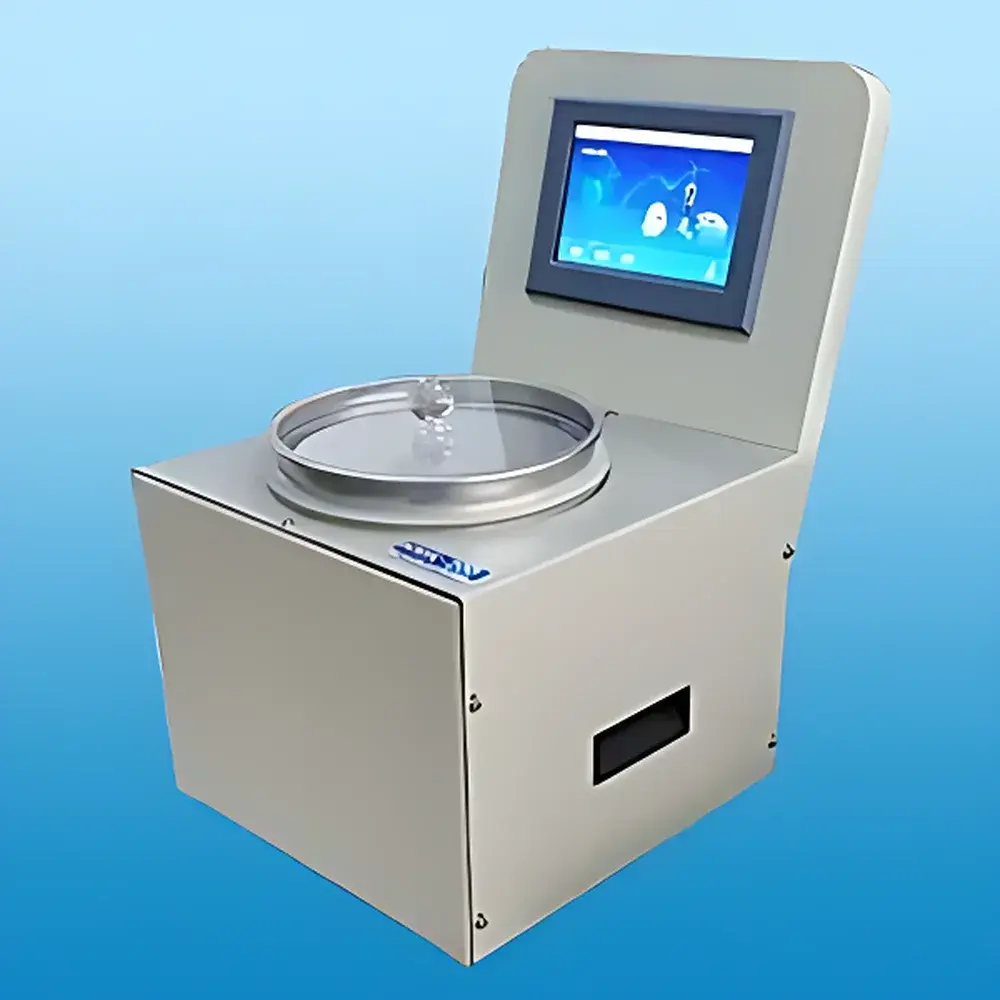
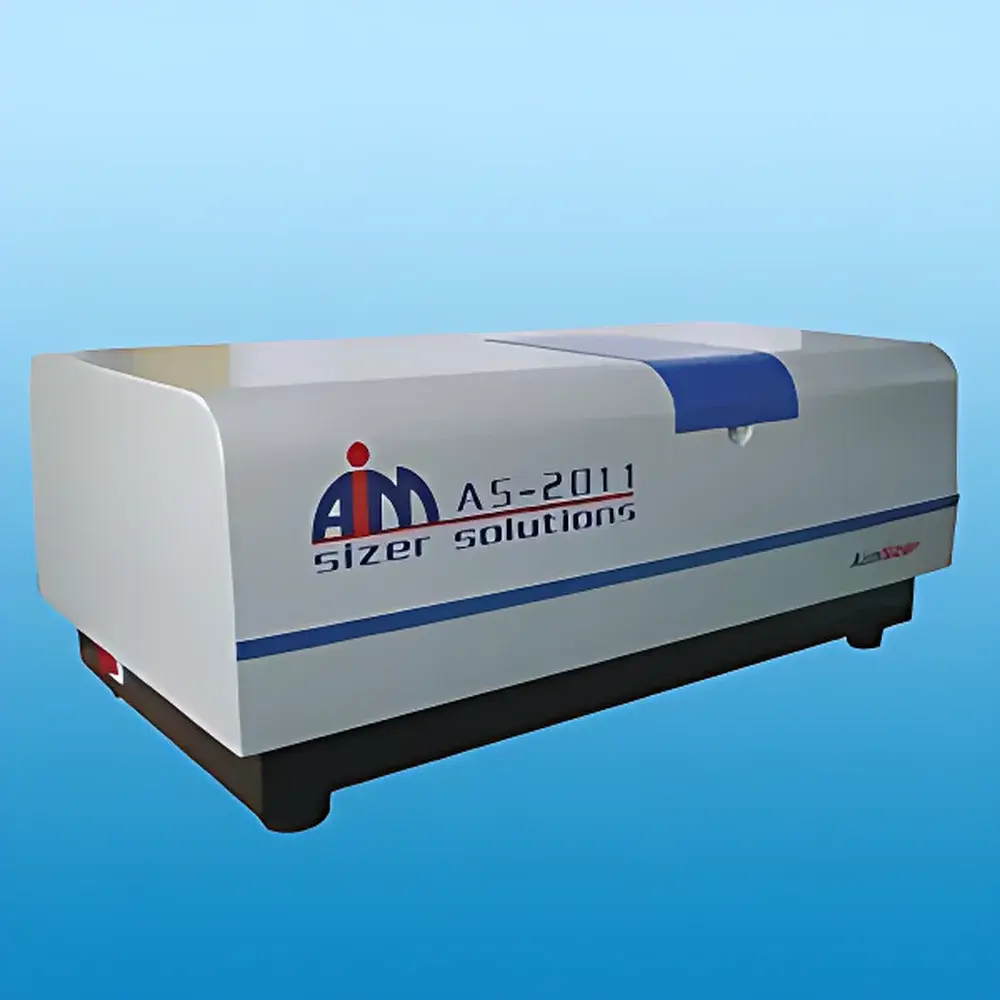
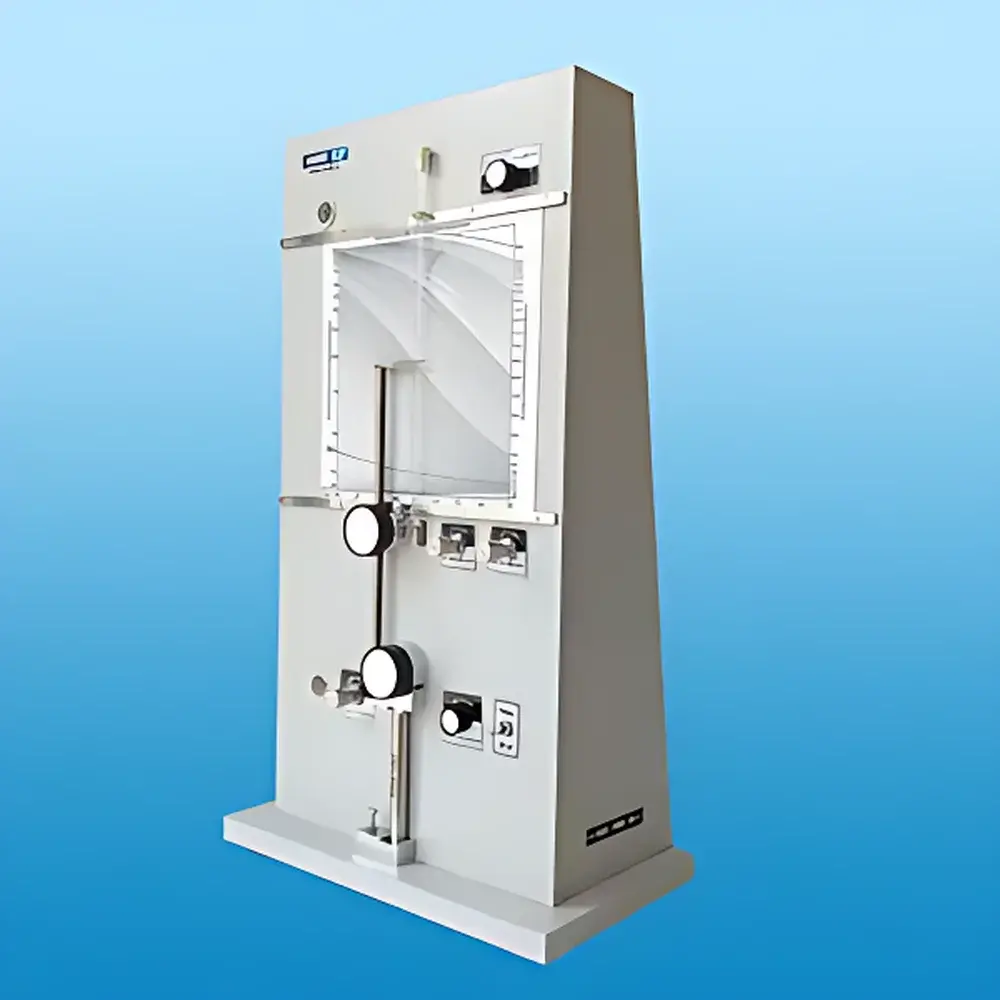
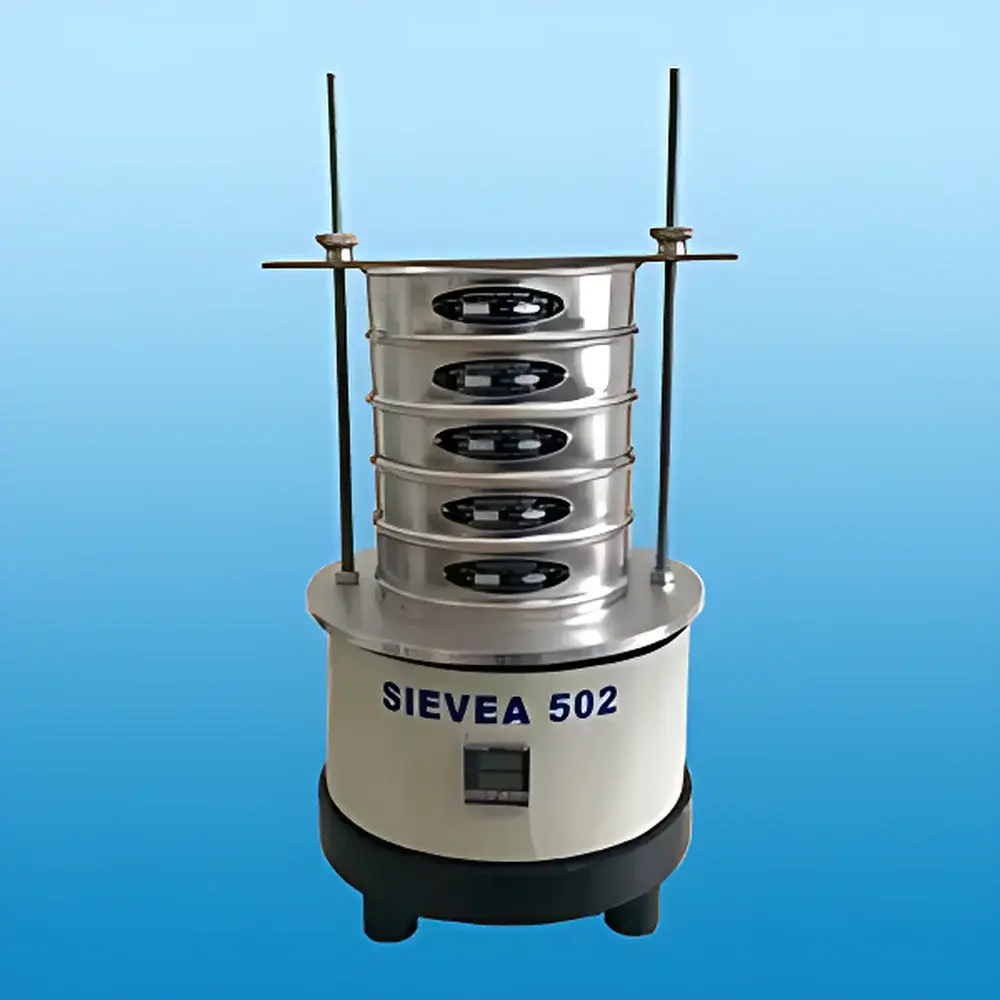
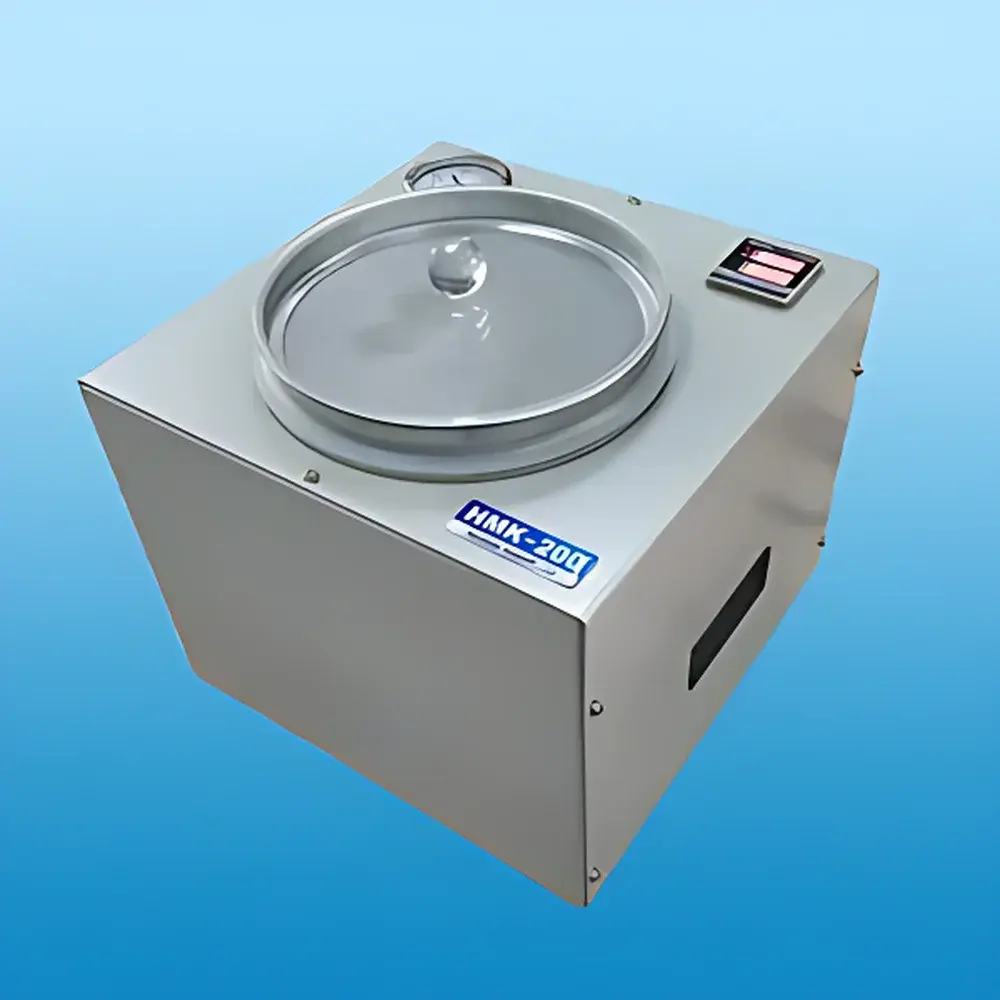
HMK-200 Air Jet Sieve Analyzer, HMK-22 Fisher Sub-Sieve Sizer, AS-2011 Laser Diffraction Particle Size Analyzer — LABULK (HMK Series & AS Series)
| Brand | LABULK |
|---|---|
| Origin | Liaoning, China |
| Manufacturer Type | Direct Manufacturer |
| Product Type | Intelligent |
| Display | Digital Readout Panel, Touchscreen, PC Interface |
| Measurement Principle | Fisher Air Permeability (HMK-22), Air Jet Sieving (HMK-200), Static Light Scattering / Mie Theory (AS-2011) |
| Size Range | 0.2–50 µm (HMK-22), 3–5000 µm (HMK-200), 0.1–500 µm (AS-2011) |
| Repeatability | ≤3% (HMK-22), ≤3% (HMK-200), <1% (AS-2011) |
| Porosity Range | 0.25–0.95 (HMK-22) |
| Air Pressure | 0–10 kPa (HMK-200), 5 kPa (HMK-22) |
| Power Supply | 220 V / 50 Hz (all models), 110 V / 60 Hz (HMK-22 optional) |
| Weight | 18 kg (HMK-22), 14.8 kg (HMK-200), N/A (AS-2011) |
| Dimensions | 41.8 × 24.6 × 73.7 cm (HMK-22), 58 × 35 × 35 cm (HMK-200), N/A (AS-2011) |
| Compliance | ISO 13320-1 (AS-2011), ASTM B330 (HMK-22), ISO 4497 (HMK-200) |
Overview
The LABULK HMK-200, HMK-22, and AS-2011 represent a complementary triad of laboratory-grade particle size analyzers engineered for distinct physical measurement principles and application domains. The HMK-22 operates on the Fisher Sub-Sieve Sizing principle—quantifying average particle size via air permeability through a compacted powder bed under controlled gas flow. This method is uniquely suited for fine, cohesive, or electrostatically charged powders where conventional sieving fails. The HMK-200 employs air jet sieving: a high-efficiency dynamic separation technique using precisely regulated negative pressure and rotating nozzle-induced turbulence to de-agglomerate and classify dry powders across a broad range (3–5000 µm). In contrast, the AS-2011 utilizes static laser diffraction based on Mie scattering theory, delivering full volumetric particle size distribution (PSD) data from 0.1 to 500 µm with sub-micron resolution. All three instruments are manufactured in accordance with international metrological rigor and designed for integration into GLP-compliant laboratories requiring traceable, repeatable, and auditable particulate characterization.
Key Features
- HMK-22: Precision-engineered American-style needle valve for fine-tuned airflow regulation; quartz-glass manometer tube with ruby-referenced calibration standard traceable to NIST-equivalent references; hardened stainless steel compaction base ensuring long-term dimensional stability under repeated loading; laser-cut gear rack enabling smooth, backlash-free vertical motion of the sample column.
- HMK-200: 7-inch capacitive touchscreen interface with real-time status feedback and programmable SOPs; infinitely variable nozzle rotation (0–35 rpm) with low/medium/high preset modes; integrated RS-232 port for seamless connection to analytical balances; auto-calculation of cumulative undersize mass percentage post-sieving; advanced “open-sieve” initiation protocol minimizing near-size particle blinding.
- AS-2011: Monolithic steel optical bench eliminating thermal drift and mechanical misalignment; high-stability laser diode (>25,000 h lifetime) coupled with Fourier lens in fixed alignment; dual-path detector array (main + side scatter) optimized for angular signal capture from 0.1–500 µm; black anti-reflective interior coating suppressing stray light interference; interchangeable wet dispersion modules—micro-cell (0.5–5 mL) and circulating system (AS20) with integrated ultrasonication, stirring, and flow control.
Sample Compatibility & Compliance
These analyzers collectively address material classes inaccessible to single-principle instruments. The HMK-22 excels with dense, non-porous metallic and ceramic powders (e.g., tungsten carbide, cobalt, ferrites) where interparticle friction dominates flow behavior. The HMK-200 handles lightweight, fibrous, or highly adhesive materials—including pharmaceutical actives, food starches, and graphite—without solvent dependency. The AS-2011 supports both aqueous and organic dispersions, accommodating nanoparticles, pigments, catalysts, and biologics. Regulatory alignment includes conformance to ISO 13320-1 (laser diffraction), ASTM B330-22 (Fisher subsieve), and ISO 4497:2021 (air jet sieving). Data integrity features support 21 CFR Part 11 readiness: user role-based access (admin/operator), electronic audit trails, and password-protected method parameters.
Software & Data Management
The AS-2011’s proprietary Windows-based software implements full Mie inversion with adjustable refractive index and absorption coefficient inputs. It generates ISO-compliant reports containing D10/D50/D90, span, specific surface area, and histogram/distribution curve exports in CSV, PDF, and XML formats. All instruments support raw data export via RS-232; the HMK-200 and AS-2011 include automated calculation engines that output mass-weighted PSDs without manual interpolation. Calibration logs, instrument diagnostics, and environmental metadata (temperature, humidity, operator ID) are embedded in each result file to satisfy GLP/GMP documentation requirements.
Applications
These systems serve cross-industry QA/QC and R&D workflows: magnetic materials and P/M feedstocks (HMK-22); food additives, cement, and polymer fillers (HMK-200); battery cathode slurries, nanomaterials, and sterile drug suspensions (AS-2011). Their combined deployment enables orthogonal validation—e.g., confirming laser-derived D50 against Fisher average size for regulatory submissions—or tiered analysis: coarse fraction screening via air jet sieving followed by submicron resolution via laser diffraction. Each platform supports method transfer between labs through standardized operating procedures and documented uncertainty budgets.
FAQ
What distinguishes Fisher air permeability from laser diffraction?
Fisher sizing yields a single-value “average particle size” derived from bulk air flow resistance, making it ideal for quality control of metal and ceramic powders per ASTM B330. Laser diffraction delivers full PSD with statistical descriptors (Dv50, span), essential for formulation development and process optimization.
Can the HMK-200 analyze moist or oily powders?
No—the HMK-200 is strictly for free-flowing dry powders. For wet or sticky samples, the AS-2011 with its wet dispersion module is recommended.
Is the AS-2011 compliant with pharmacopeial standards?
Yes—its performance meets USP <429>, EP 2.9.31, and JP 6.07 requirements for laser diffraction particle sizing when operated with validated methods and calibrated reference standards.
How is traceability ensured for the HMK-22?
Each unit ships with a certificate referencing a ruby-standard capillary tube calibrated against primary national standards; pressure transducers and flow meters are factory-traceable to ISO/IEC 17025-accredited laboratories.
Do these instruments require routine optical recalibration?
The AS-2011’s monolithic optical bench eliminates need for field alignment; only annual verification with NIST-traceable PSL standards is required. The HMK-22 and HMK-200 require periodic mechanical verification using certified gauge blocks and flow calibrators—procedures documented in the included maintenance manual.



