
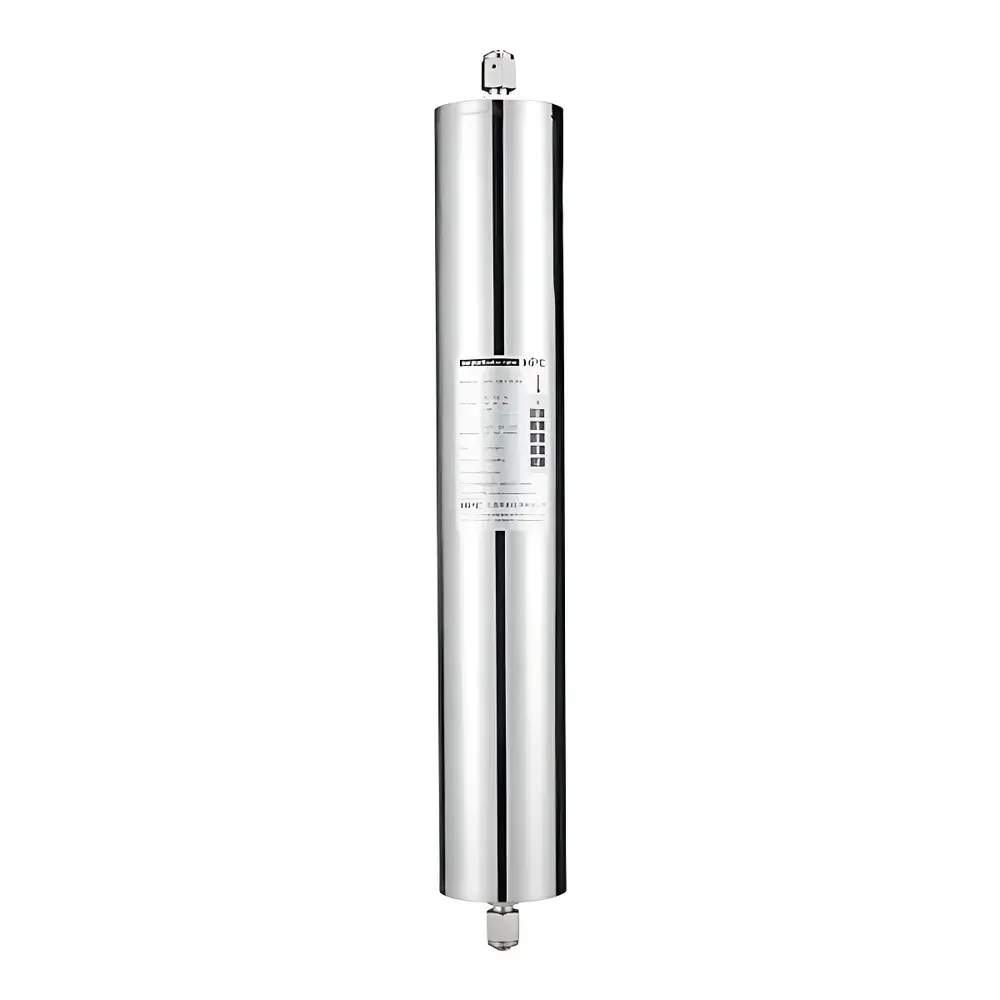
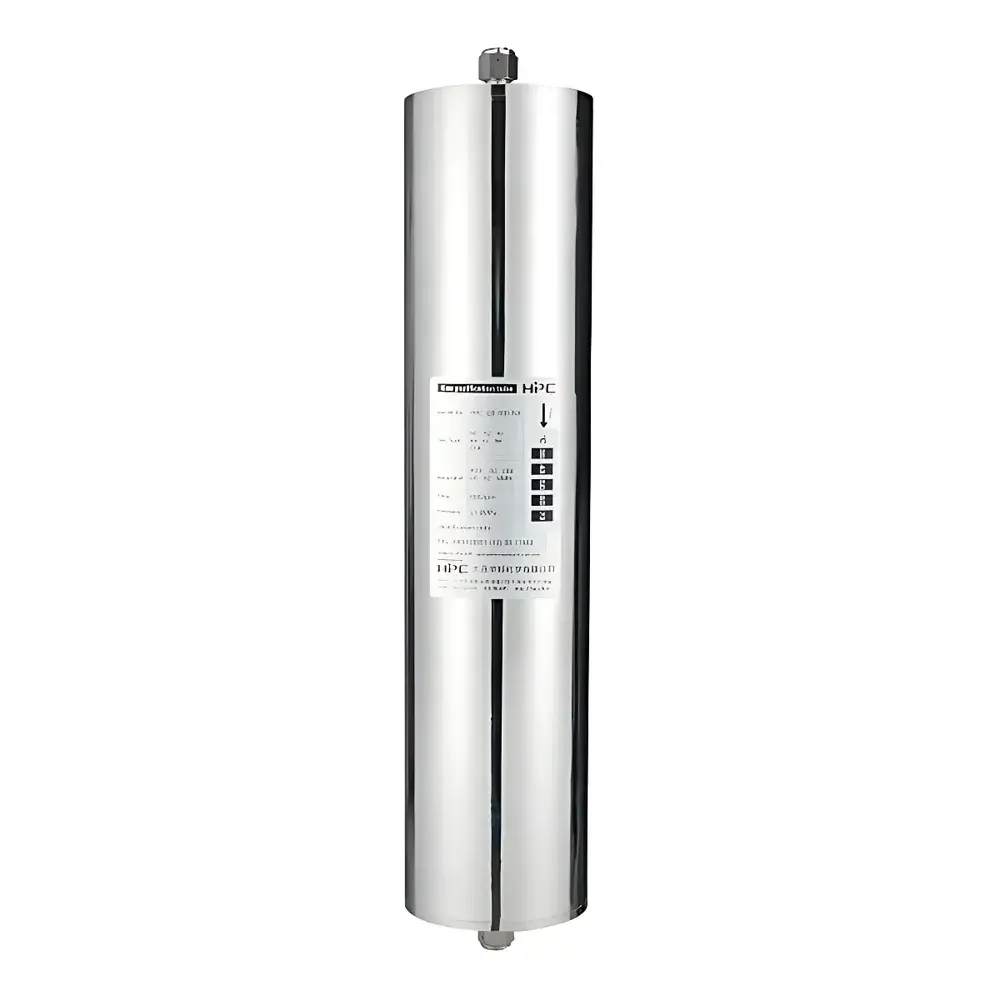
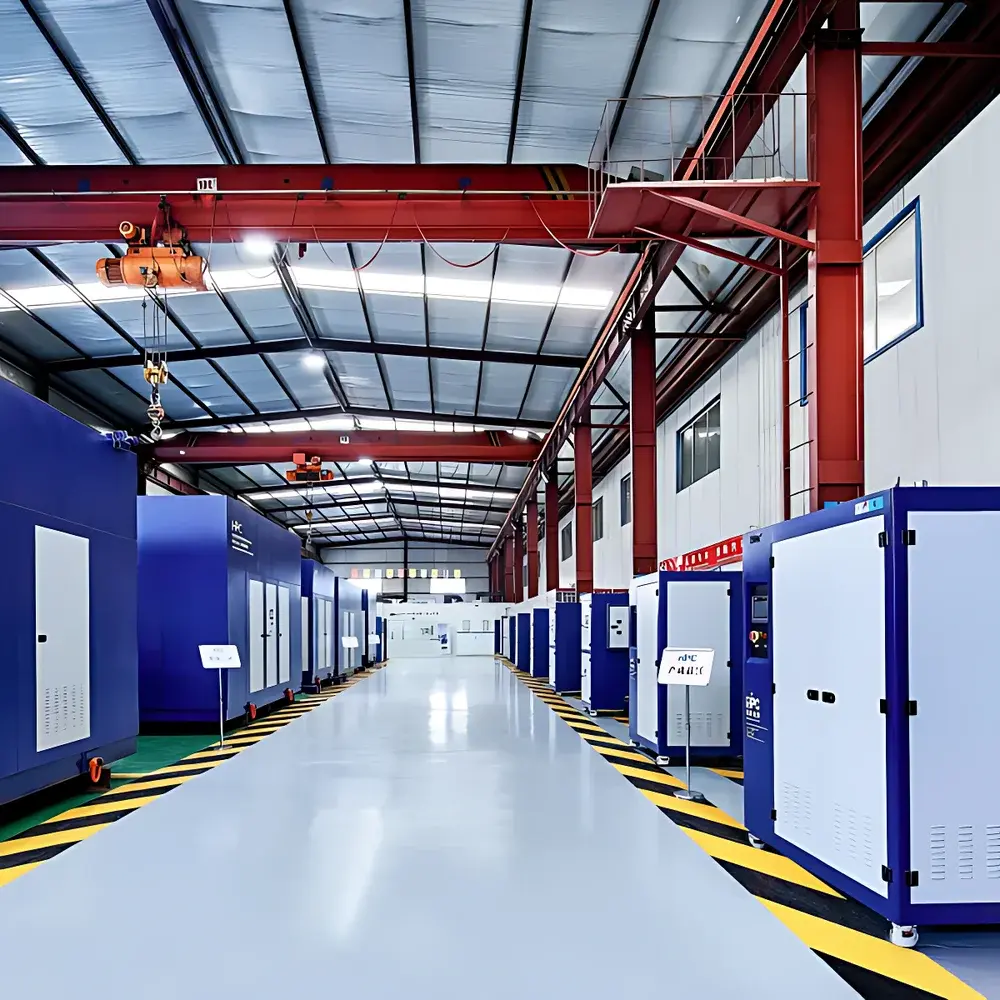

HPC HPC-Q9-10-WY High-Purity Nitrous Oxide (N₂O) Gas Purifier
| Brand | HPC |
|---|---|
| Origin | Liaoning, China |
| Manufacturer Type | Direct Manufacturer |
| Country of Origin | China |
| Model | HPC-Q9-10-WY |
| Applicable Gases | C₂H₇N, C₂H₈N₂, CH₃SiH₃, GeH₄, SiH₄, SF₆, CSiH₆ |
| Impurities Removed | H₂O, O₂, CO₂, NMHCs |
| Purification Depth | <1 ppbV |
| Flow Rate Range | 2–2000 slpm |
| Operating Temperature | Ambient |
Overview
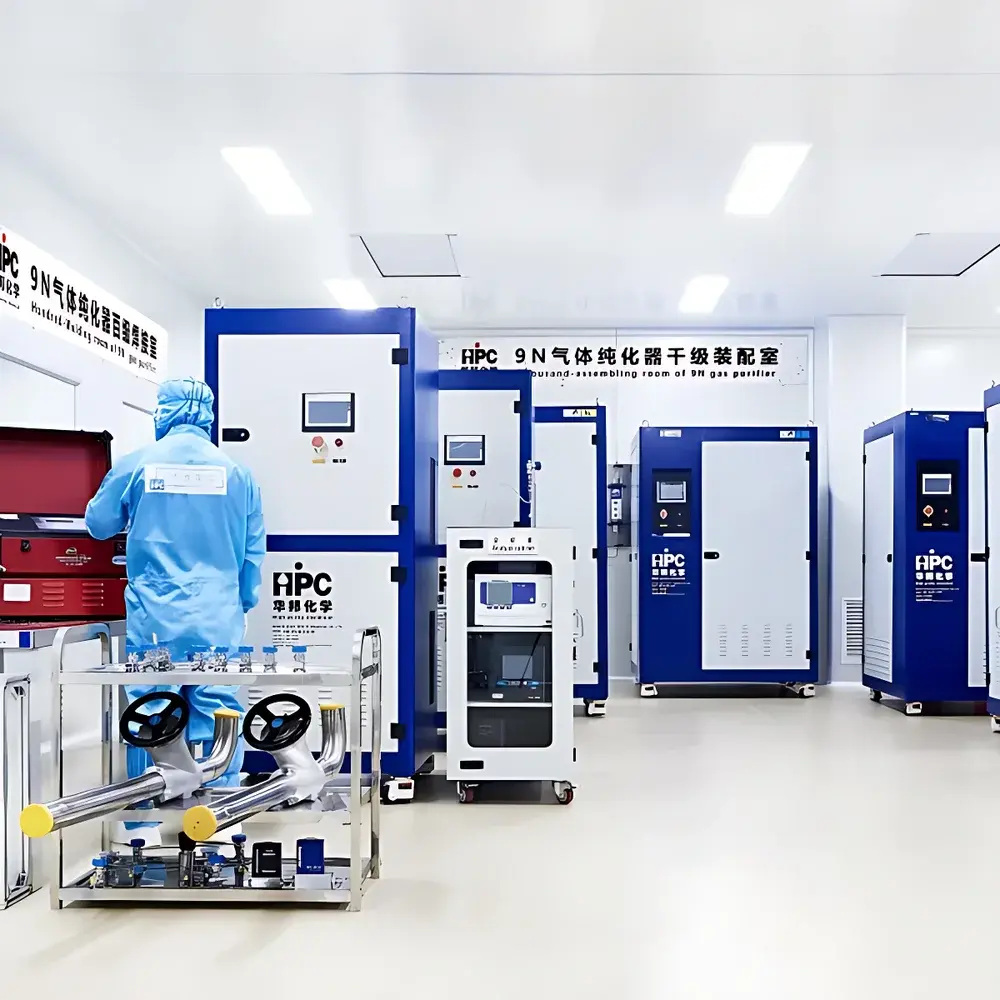
The HPC HPC-Q9-10-WY High-Purity Nitrous Oxide (N₂O) Gas Purifier is an engineered solution for ultra-trace impurity removal from specialty process gases—specifically optimized for N₂O used in semiconductor fabrication, high-precision etching, atomic layer deposition (ALD), and calibration gas standards. It operates on a dual-mechanism principle combining selective chemical adsorption (e.g., transition-metal oxide catalysts for O₂ and H₂O decomposition/oxidation) with high-surface-area physical adsorption (e.g., activated alumina and molecular sieves for CO₂ and NMHCs). The unit delivers consistent sub-part-per-trillion (sub-ppt) residual impurity levels—verified to <1 ppbV for H₂O, O₂, CO₂, and non-methane hydrocarbons—under continuous flow conditions across its full operational range. Its design adheres to semiconductor-grade gas delivery system requirements, including compatibility with Class 1 cleanroom assembly protocols and compliance with SEMI F57-0318 (Specification for Ultra-High-Purity Gases) guidelines.
Key Features
- Integrated dual-stage purification architecture: front-end catalytic conversion followed by precision adsorption beds for multi-impurity targeting.
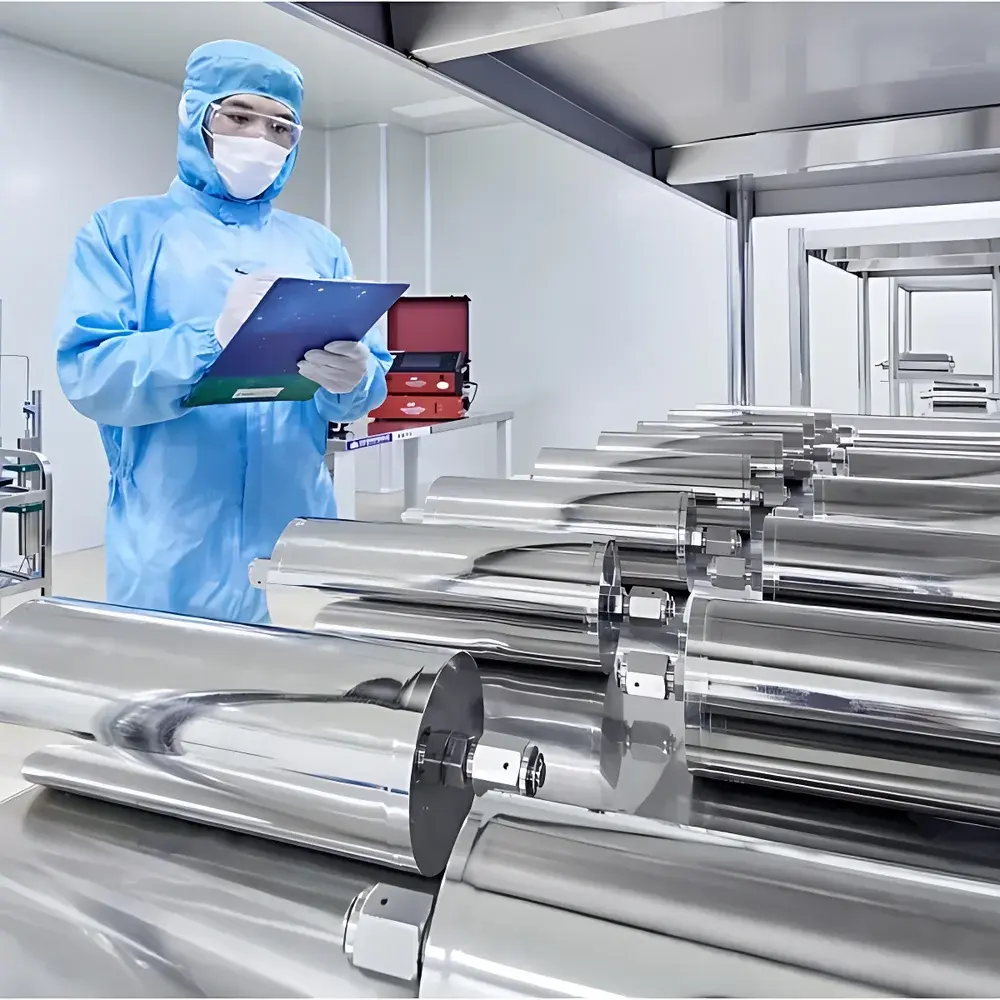
- 316L electropolished (EP) stainless steel adsorption tubes with Ra ≤ 0.3 µm surface finish, passivated per ASTM A967 and certified to ASME BPE-2022 standards.
- Inline 0.003 µm (3 nm) sintered 316L particulate filter upstream of the outlet, preventing downstream contamination and meeting ISO 8573-1 Class 0 particle requirements.
- Modular, field-replaceable cartridge design enabling rapid maintenance without system venting or tooling—critical for high-uptime gas distribution networks.
- Factory-certified performance validation: each unit undergoes helium leak testing (<1×10⁻⁹ mbar·L/s), pressure decay verification, and trace impurity challenge testing using calibrated GC-TCD/FID and cavity ring-down spectroscopy (CRDS) instrumentation.
- Robust mechanical construction with welded joints, zero elastomer seals in wetted paths, and temperature-stable mounting for vibration-resistant operation in fab environments.
Sample Compatibility & Compliance
The HPC-Q9-10-WY is validated for use with nitrous oxide (N₂O) and seven additional high-purity specialty gases: dimethylamine (C₂H₇N), hydrazine (C₂H₈N₂), monosilane (SiH₄), germane (GeH₄), hexamethyldisilane (CSiH₆), sulfur hexafluoride (SF₆), and monomethylsilane (CH₃SiH₃). All wetted materials are fully compatible with these chemistries under ambient operating conditions (15–30°C). The purifier meets material compatibility requirements per SEMI C12-0219 (Materials Compatibility Testing) and supports compliance with ISO/IEC 17025-accredited gas analysis laboratories. While not intrinsically rated for hazardous area use, it may be installed in ventilated gas cabinets meeting NFPA 55 and IEC 60079-10-1 standards when integrated into engineered gas delivery systems.
Software & Data Management
This is a hardware-only purification module with no embedded firmware or digital interface. All operational parameters—including inlet/outlet pressure differentials, cumulative flow time, and service interval tracking—are documented in the Certificate of Conformance (CoC) supplied with each unit. For integration into automated gas management systems, analog pressure transducer outputs (4–20 mA) and optional digital I/O signals (dry contact alarm for cartridge saturation) can be added via factory-configurable options. Traceability is maintained through unique serial-numbered CoCs, batch-certified adsorbent/catalyst lot documentation, and full audit trails aligned with GLP and GMP Annex 11 principles where applicable.
Applications
- Semiconductor manufacturing: N₂O supply lines for gate oxide growth, plasma etch processes, and chamber cleaning cycles requiring <1 ppbV O₂ and H₂O.
- Calibration gas blending: production of primary standard mixtures for EPA Method TO-15, ASTM D6420, and ISO 16000-6 environmental monitoring instruments.
- Research-grade gas chromatography: carrier and make-up gas purification for ECD, PDD, and FTIR detectors demanding ultra-low background interference.
- Photovoltaic thin-film deposition: high-purity N₂O feed for silicon nitride passivation layers in PERC and TOPCon cell production.
- Medical gas infrastructure: supplemental purification stage for USP-grade nitrous oxide prior to anesthesia delivery systems (requires additional validation per ISO 8573-7).
FAQ
What is the expected service life of the adsorption cartridges under nominal flow conditions?
Cartridge lifetime is flow- and impurity-concentration dependent; typical service intervals range from 6 to 18 months at 20 slpm with inlet impurities ≤1 ppmV. Full replacement schedules are provided in the Operations Manual based on real-time pressure differential monitoring.
Can this purifier be used for hydrogen or oxygen service?
No. The HPC-Q9-10-WY is not rated for H₂ or O₂ as primary process gases due to catalyst formulation and material compatibility constraints. Dedicated purifiers (e.g., HPC-H2 series) are available for those applications.
Is third-party certification (e.g., ISO 17025 or SGS) available upon request?
Yes. Pre-shipment validation reports—including CRDS-based impurity verification, helium leak test records, and surface roughness certificates—can be issued under accredited third-party oversight at customer request.
Does the unit include pressure regulation or flow control?
No. The HPC-Q9-10-WY is a passive purification module. Upstream pressure regulation and downstream flow metering must be provided externally per system design specifications.
How is regeneration or disposal of spent cartridges handled?
Cartridges are single-use, non-regenerable components. Spent units must be returned to HPC or disposed of per local hazardous waste regulations—adsorbents may contain chemisorbed oxides and trace metal compounds requiring controlled handling.







