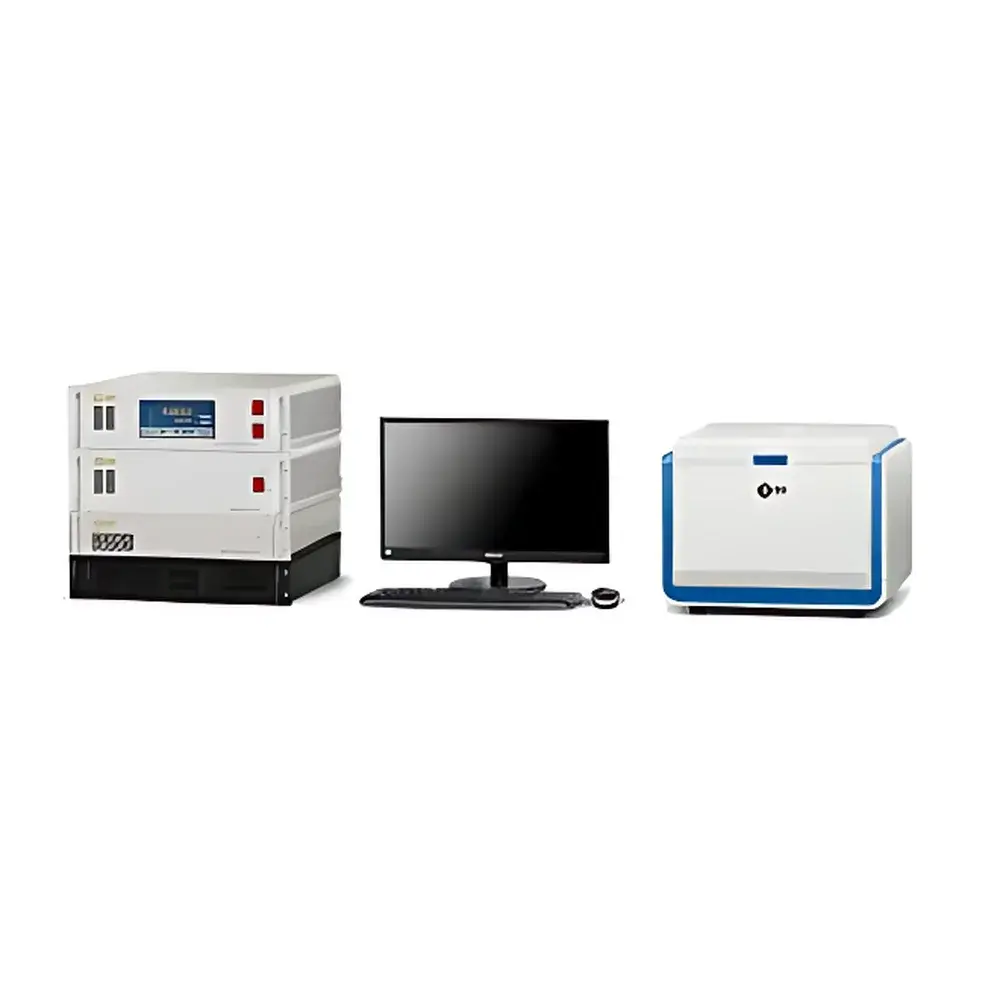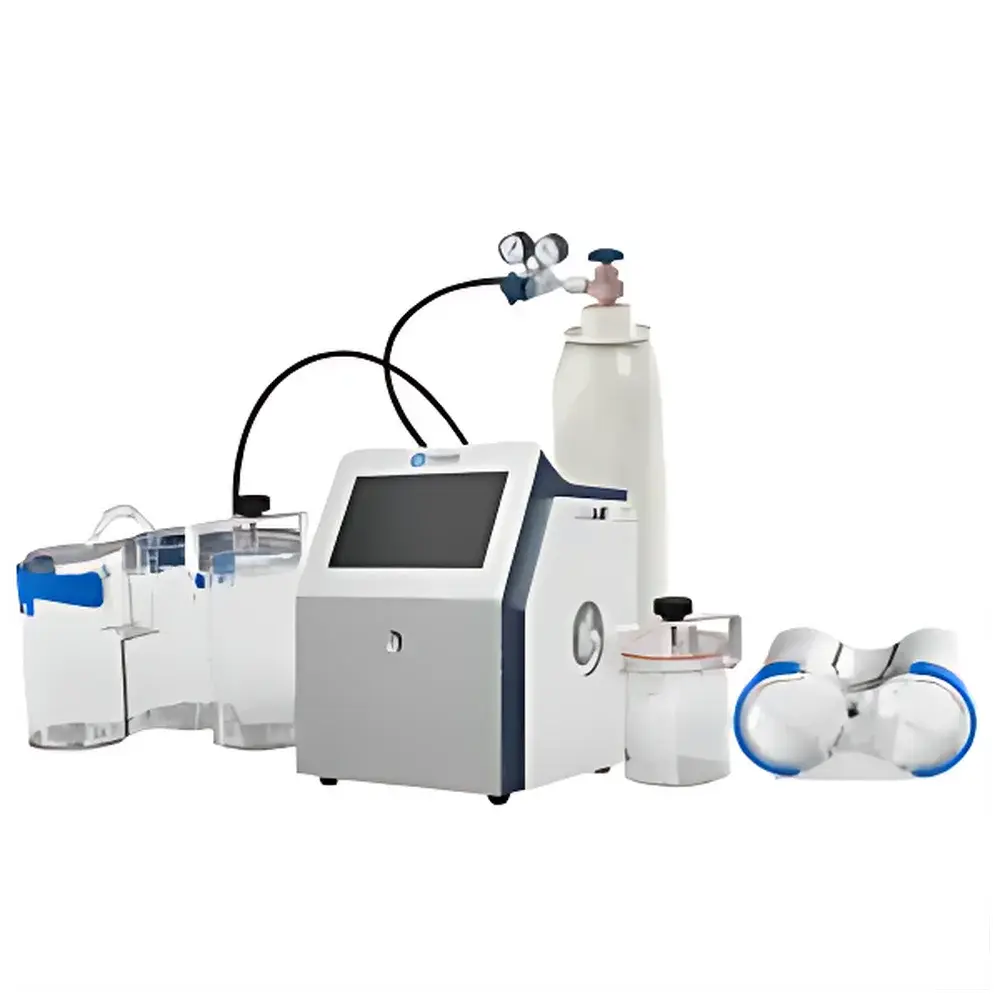
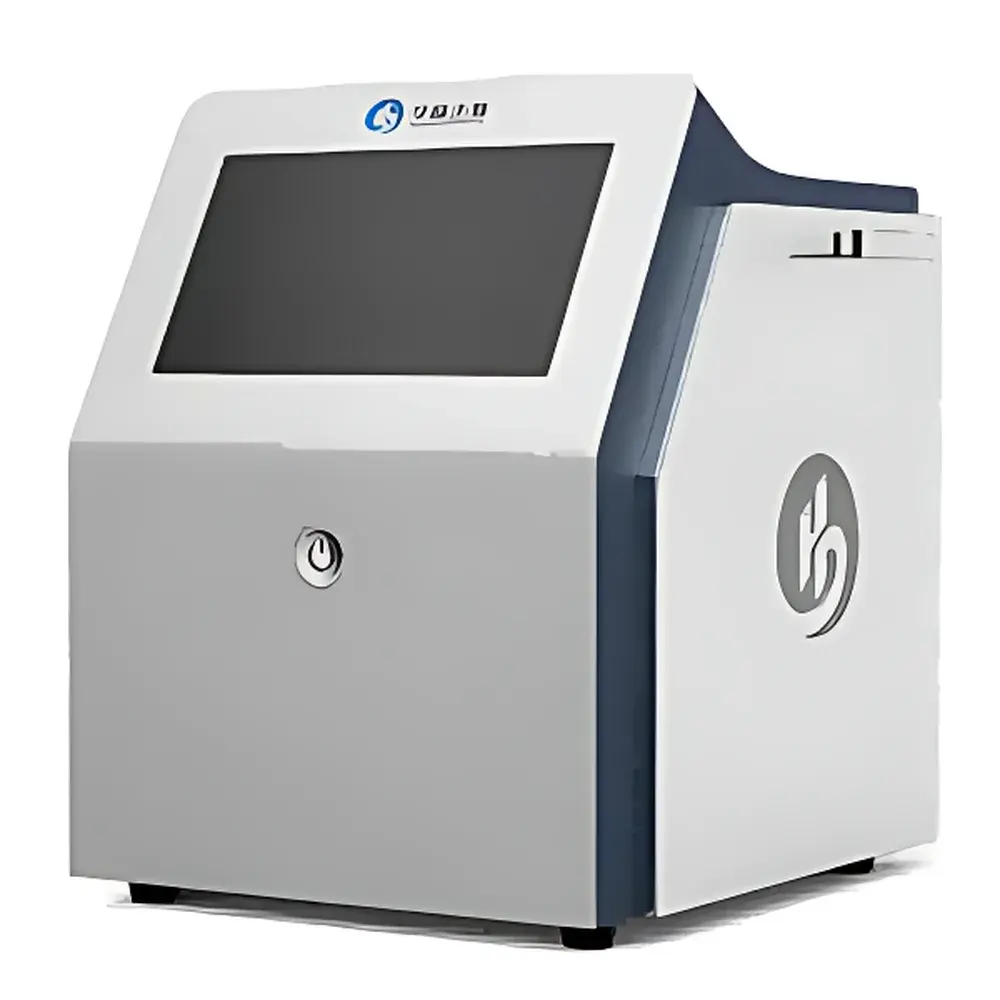
HuaDuanBio HD-AN300 Intelligent Anaerobic & Microaerophilic Microbial Culture System
| Brand | HuaDuanBio |
|---|---|
| Origin | Zhejiang, China |
| Manufacturer Type | Original Equipment Manufacturer (OEM) |
| Product Category | Domestic |
| Model | HD-AN300 |
| Pricing | Upon Request |
Overview
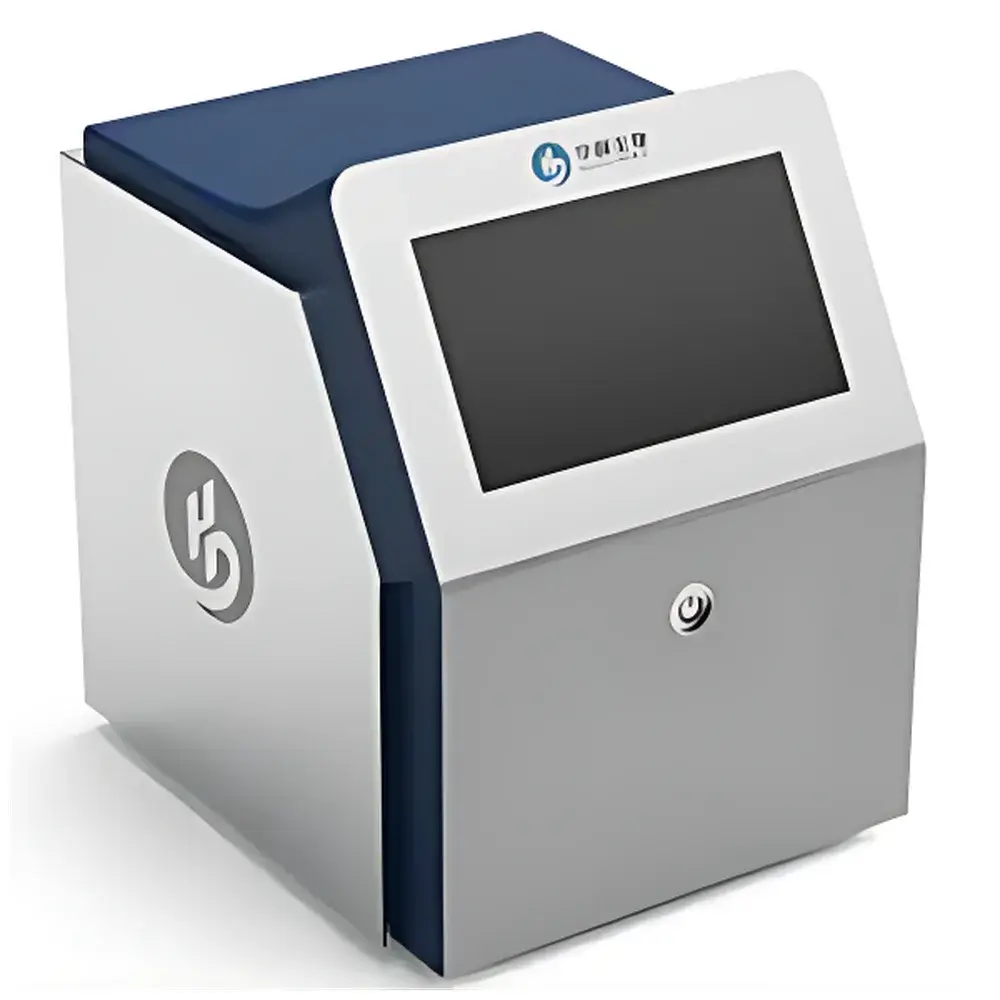
The HuaDuanBio HD-AN300 Intelligent Anaerobic & Microaerophilic Microbial Culture System is an engineered platform for precise, reproducible generation and maintenance of controlled low-oxygen atmospheres—specifically anaerobic (0% O₂), microaerophilic (6% O₂), and tunable hypoxic environments (0.1–18% O₂). It operates on vacuum displacement gas exchange principles: sequential evacuation and re-filling with calibrated gas mixtures (e.g., N₂/CO₂/H₂ or N₂/CO₂/O₂ blends), enabling rapid, quantitative modulation of partial pressure gradients within sealed culture vessels. Designed for clinical microbiology laboratories operating under ISO 15189, CLIA, and CAP-accredited workflows, the system supports standardized isolation and cultivation of fastidious organisms mandated by national food safety standards (e.g., GB 4789 series), including Campylobacter jejuni, Streptococcus hemolyticus, Bifidobacterium spp., lactic acid bacteria, Shigella spp., and Clostridium perfringens. Its architecture integrates real-time environmental validation, multi-vessel parallel operation, and passive catalyst-assisted O₂ scavenging—eliminating reliance on disposable chemical sachets and reducing operational waste.
Key Features
- Vacuum-displacement gas control engine with auto-calibration to local barometric pressure at startup—ensuring accurate O₂ setpoint delivery across geographic altitudes.
- Intuitive 7-inch color capacitive touchscreen interface with contextual color-coding, real-time ambient pressure readout, and zero-button presets for anaerobic, microaerophilic, and C. jejuni-optimized protocols.
- Multi-channel independent control supporting simultaneous conditioning of up to six culture vessels—minimizing throughput bottlenecks in high-volume diagnostic labs.
- Integrated exhaust neutralization module with catalytic carbon filtration, compliant with laboratory fume management guidelines (ANSI/AIHA Z9.5).
- Comprehensive pre-cycle integrity verification: five-point automated diagnostics covering gas supply pressure, tubing continuity, vessel seal integrity, lid compression force, and palladium-based catalyst activity (graded 1–5).
- High-efficiency gas utilization: ≤2 L gas per 12 × 90 mm Petri dishes (microaerophilic mode); ≤7 L per 12 dishes (anaerobic mode).
- Modular expandability—supports incremental addition of vessel types, auxiliary gas cylinders, and firmware-upgradable control logic for evolving workflow demands.
Sample Compatibility & Compliance
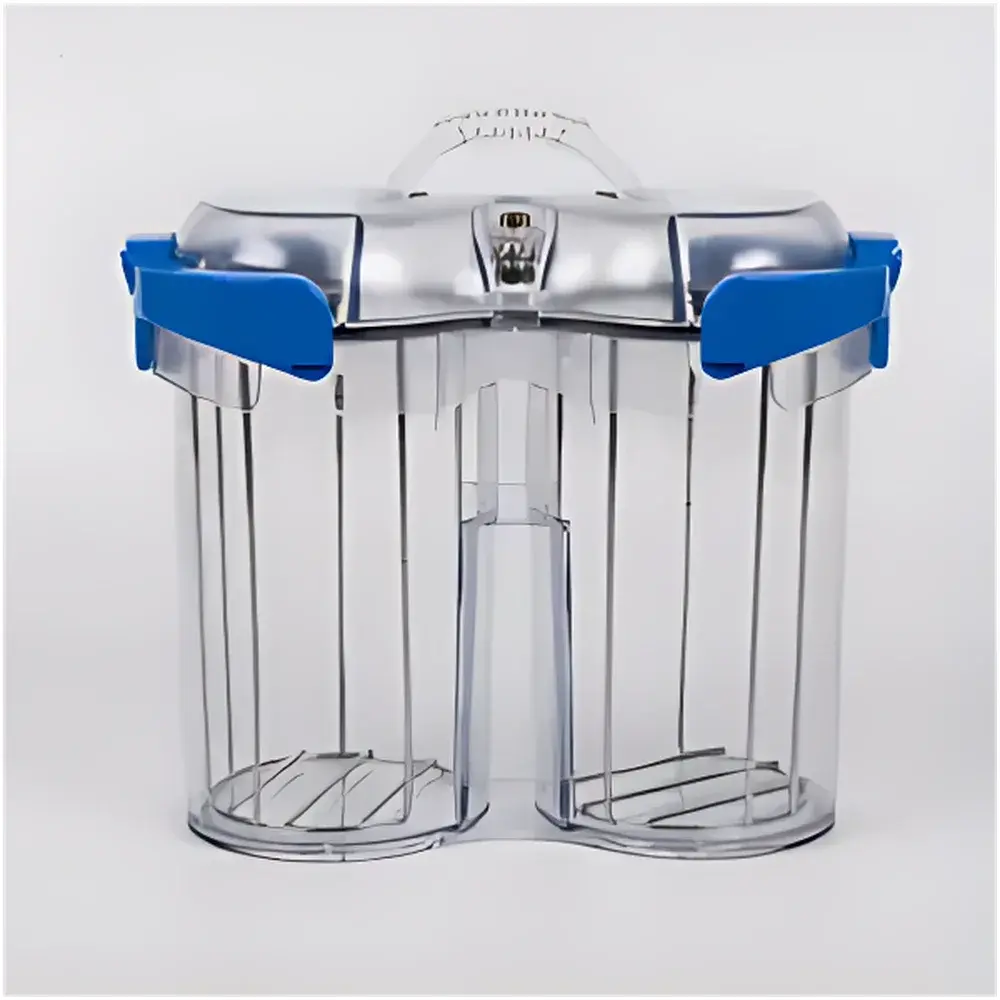
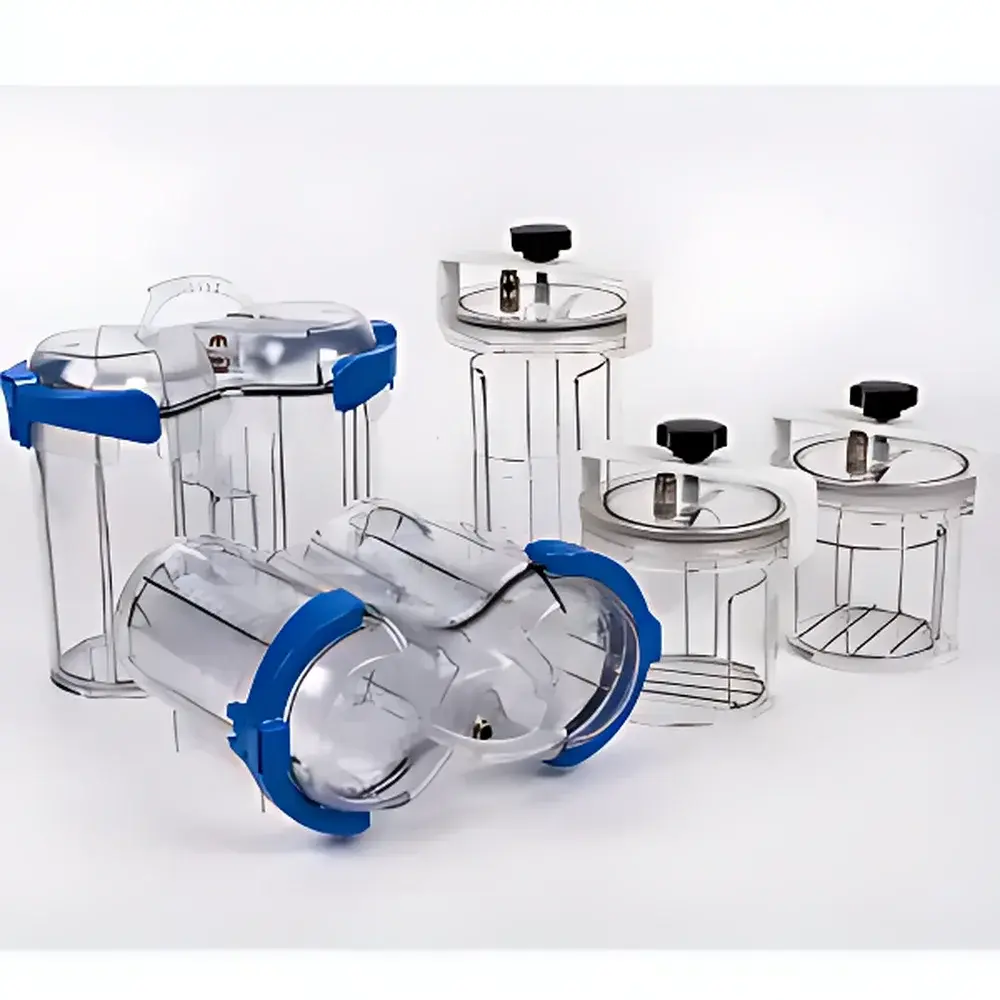
The HD-AN300 accommodates a validated range of ≥7 vessel configurations—including small (6×90 mm plates), medium (12×90 mm), dual-chamber (24×90 mm), C. jejuni-specific dual-well plates + enrichment tubes, enzymatic identification trays (4×96-well format), Shigella-optimized sterile pouches (10 units), and large-capacity vessels (36×90 mm plates / 4×250 mL flasks / 8×stomacher bags). All vessels feature optical-grade transparent polycarbonate for non-invasive colony observation and thermal stability across standard incubation temperatures (35–37°C). The system meets functional requirements of ISO 11133:2014 (microbiological culture media preparation), ASTM E2612-20 (anaerobic chamber performance testing), and aligns with USP <61>/<62> microbial enumeration and isolation guidance. Catalyst cartridges are reusable for ≥50 cycles without chemical residue generation—supporting green lab initiatives and reducing consumables cost per test.
Software & Data Management
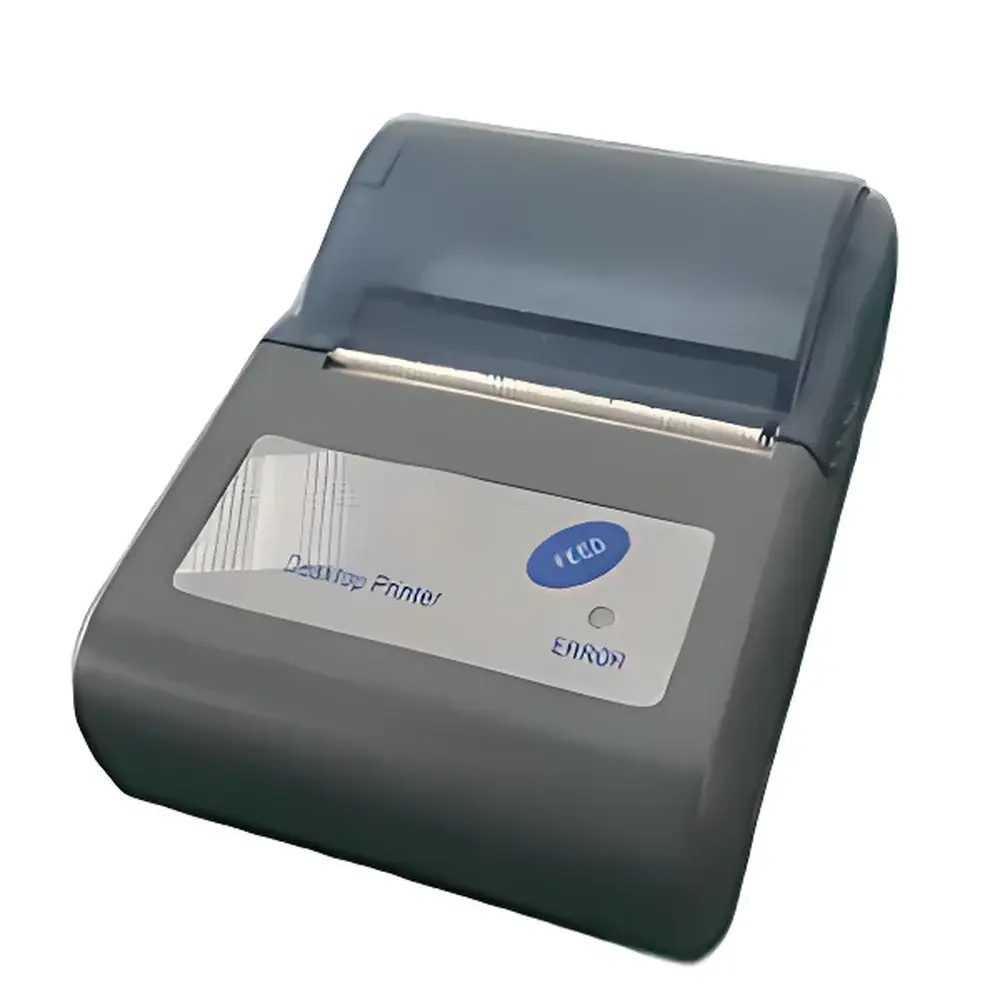
Embedded firmware includes GLP-compliant audit trail functionality with timestamped event logging (gas cycle initiation, O₂ setpoint changes, diagnostic pass/fail results, user login/logout). The optional wireless O₂ sensor (miniaturized, 12 mm diameter) transmits real-time O₂, temperature, and relative humidity data via Bluetooth 5.0 to the host unit; all parameters are stored internally (≥30-day buffer) and exportable as CSV or PDF reports via USB or network interface. Print output—configurable via onboard menu—includes cycle ID, operator ID, vessel ID, target O₂%, actual measured O₂%, duration, and QC pass status. Software architecture supports FDA 21 CFR Part 11-compliant electronic signatures when deployed with external authentication servers.
Applications
- Routine isolation of obligate anaerobes (Clostridium, Bacteroides) and microaerophiles (Campylobacter, Helicobacter) per GB 4789.8, GB 4789.34, and ISO 10272-1.
- Quality control of probiotic formulations (lactobacilli, bifidobacteria) under oxygen-limited conditions simulating gastrointestinal transit.
- Regulatory testing of bottled natural mineral water for C. perfringens using membrane filtration and anaerobic incubation.
- Antibiotic susceptibility testing (AST) of fastidious pathogens requiring defined O₂ tension for expression of resistance markers.
- Cell culture support for oxygen-sensitive primary isolates (e.g., gut organoids, stem cell co-cultures) where physiological hypoxia (1–5% O₂) must be maintained.
FAQ
What gas mixtures are compatible with the HD-AN300 system?
The system accepts standard compressed gas cylinders containing certified anaerobic mix (85% N₂ / 10% CO₂ / 5% H₂) or custom microaerophilic blends (e.g., 85% N₂ / 10% CO₂ / 5% O₂); all gases must meet ISO 8573-1 Class 2 purity specifications.
Does the system require external incubators?
No—the HD-AN300 is a gas environment generator only; vessels must be placed inside a temperature-controlled incubator (35–37°C) post-conditioning. Vessel thermal mass ensures stable O₂ retention during transfer.
How is catalyst activity verified during operation?
The system performs automatic catalyst efficacy assessment prior to each cycle using a proprietary H₂-sensitivity assay; results are displayed numerically (1–5 grade) and logged in the audit trail.
Can the wireless O₂ sensor be sterilized and reused?
Yes—the sensor housing is autoclavable at 121°C for 15 minutes (max 5 cycles); calibration drift is compensated via factory-traceable reference curves stored in firmware.
Is remote monitoring supported?
Basic remote status viewing (cycle completion, error codes) is available via Ethernet-connected LAN; full telemetry requires integration with third-party LIMS via Modbus TCP protocol (optional license).