
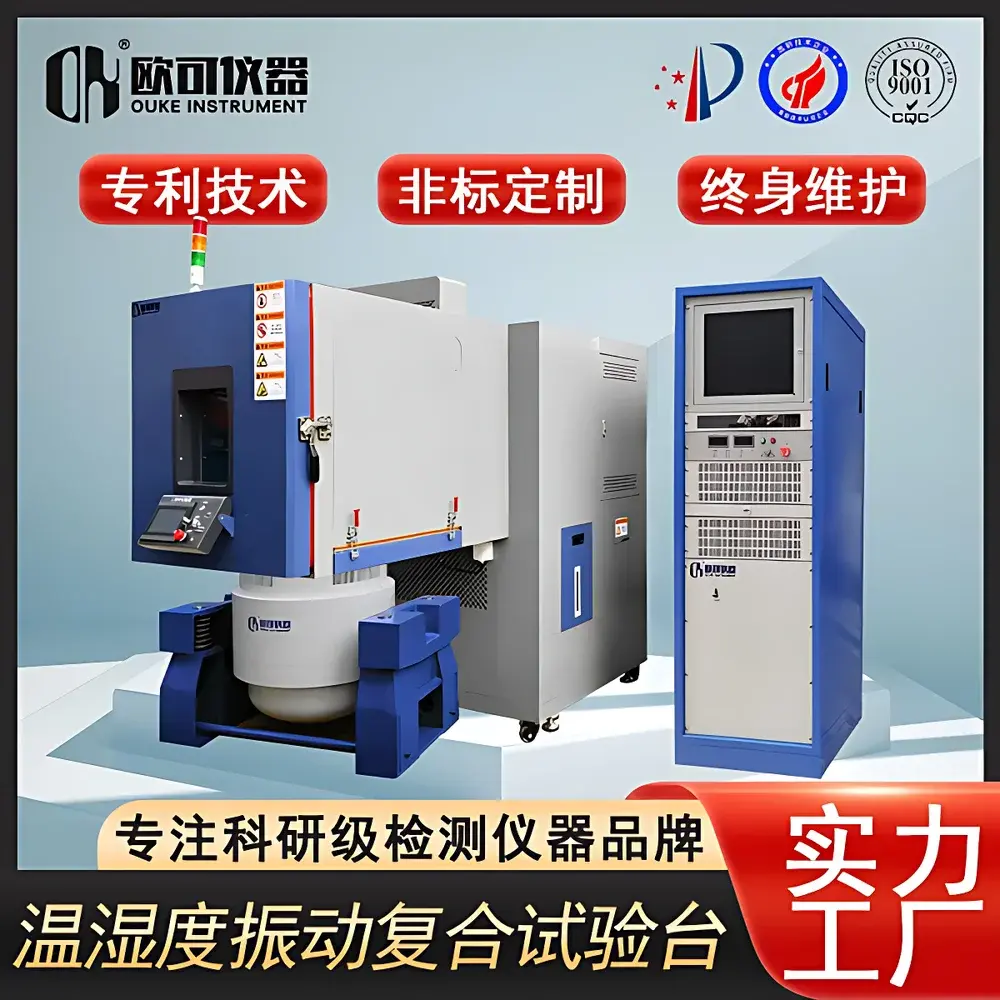
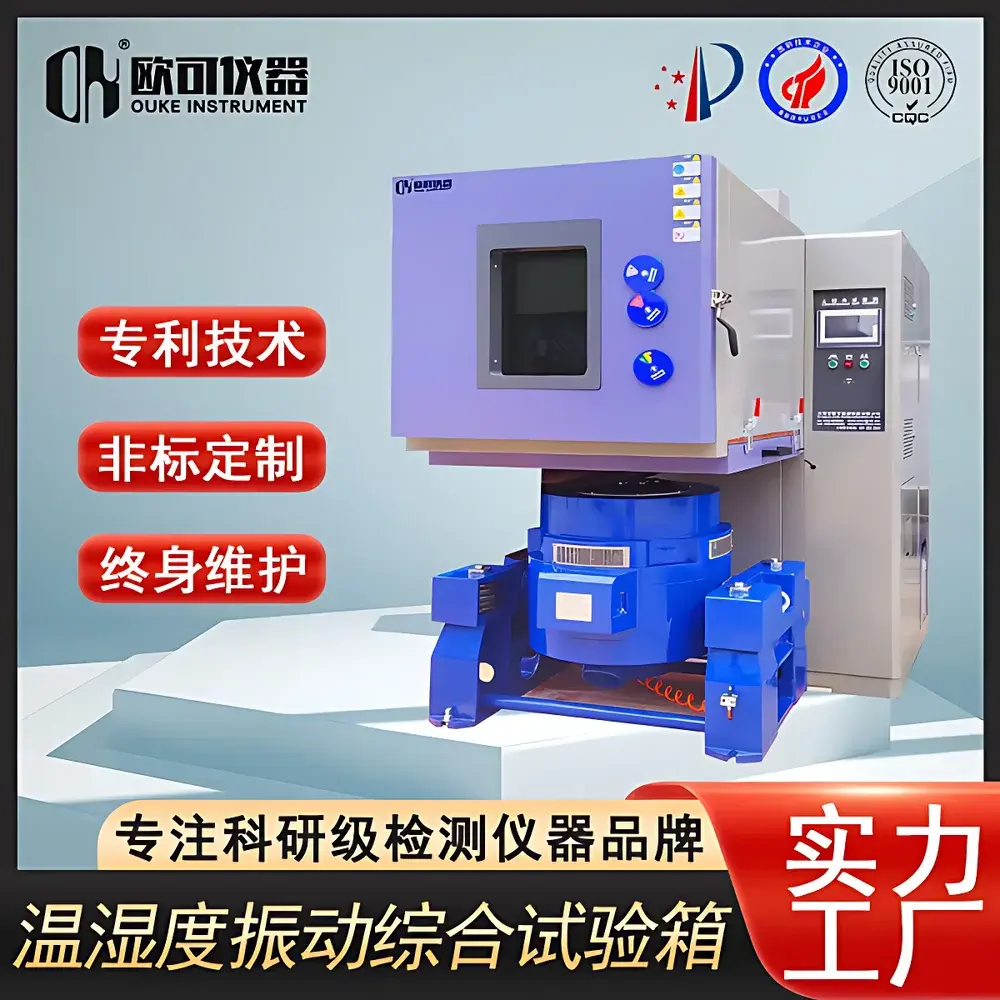
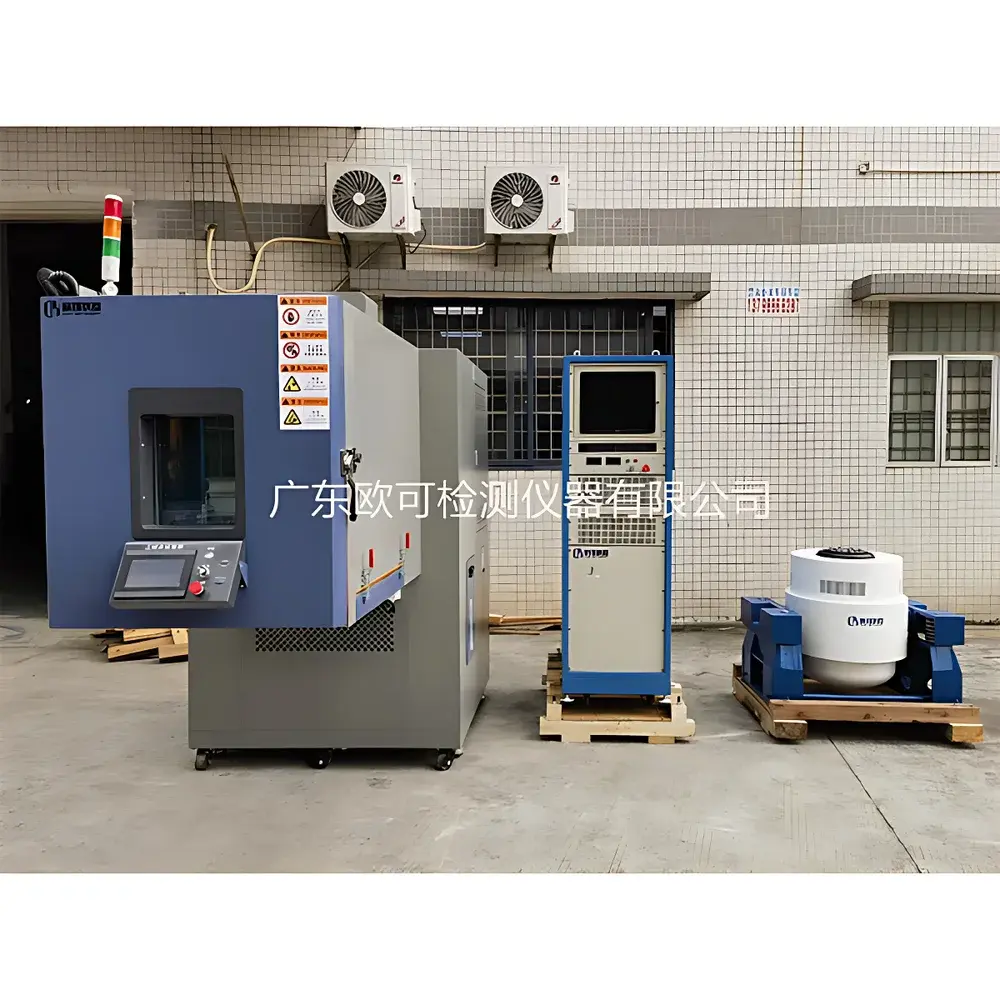
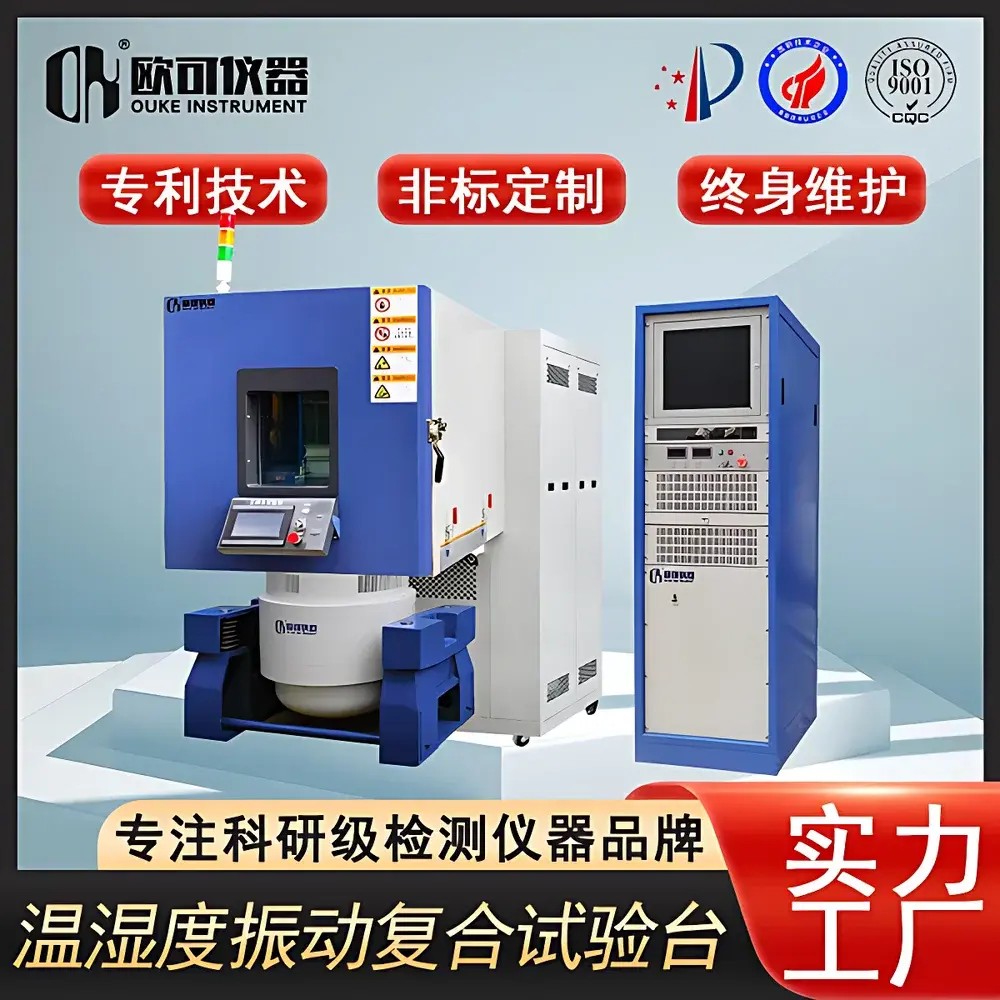
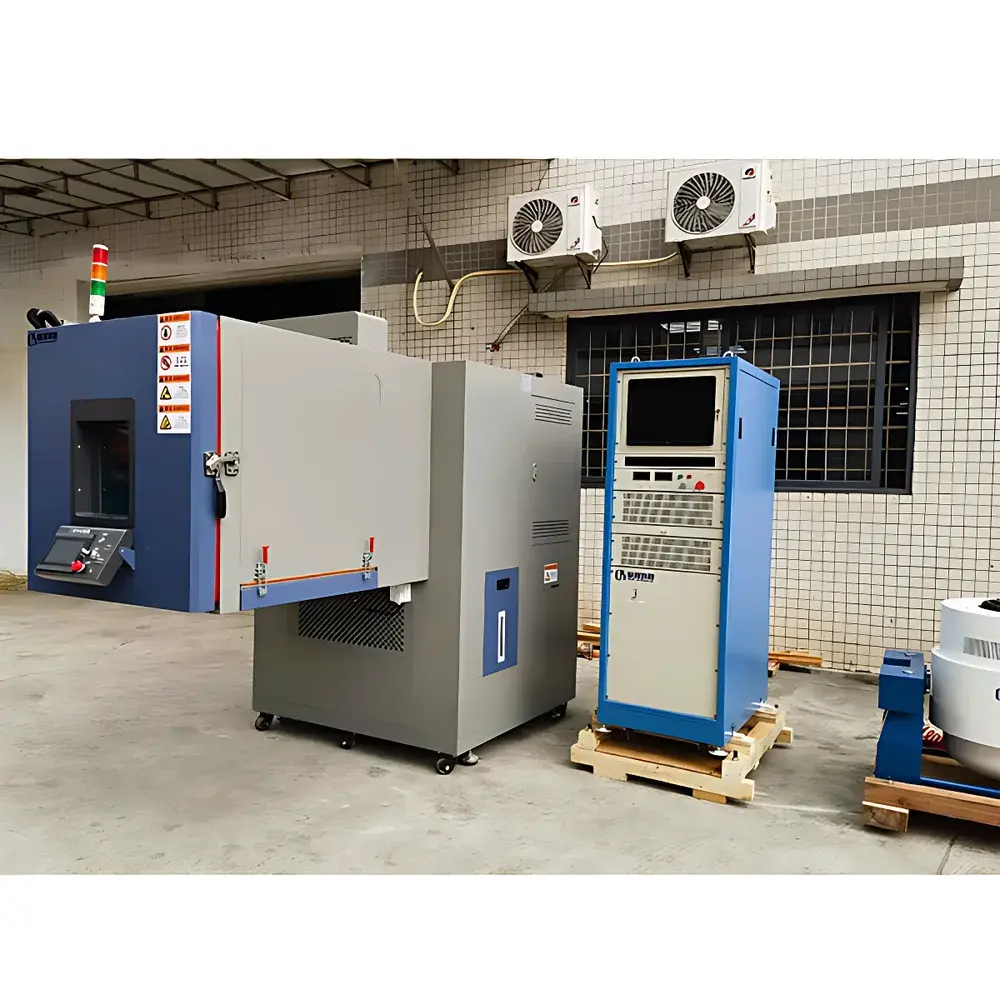
OK Instruments OK-ZTH-516 Combined Temperature-Humidity-Vibration Test System
| Brand | OK Instruments |
|---|---|
| Origin | Guangdong, China |
| Manufacturer Type | Direct Manufacturer |
| Product Origin | Domestic (China) |
| Model | OK-ZTH-516 |
| Temperature Range | −70 °C to +150 °C |
| Humidity Range | 20–98 %RH at 20–85 °C |
| Temperature Ramp Rate | 5 / 10 / 15 °C/min |
| Temperature Uniformity | ≤ ±0.5 °C |
| Standard Load Capacity | 15 kg aluminum mass (350 W thermal dissipation) |
Overview
The OK Instruments OK-ZTH-516 Combined Temperature-Humidity-Vibration Test System is an engineered platform for simultaneous application of thermal, hygric, and mechanical (vibrational) stress profiles—designed to replicate real-world operational and transport environments in laboratory settings. It operates on the principle of multi-stress synergy: rather than sequential or isolated exposure, it subjects test specimens to co-occurring temperature gradients, controlled relative humidity, and programmable vibration spectra—including sine, random, and transient waveforms—within a single, hermetically sealed chamber. This integrated approach addresses a fundamental limitation of single-factor testing: the inability to reproduce coupled failure mechanisms that dominate field failures. For example, thermally induced microcrack propagation may be accelerated by moisture ingress into interfacial defects, while concurrent vibration promotes crack tip mobility and electrolyte migration—leading to premature electrical shorting or structural fatigue unobservable under standalone thermal cycling or humidity soak tests. The system conforms to core environmental reliability engineering paradigms, serving as a primary tool for qualification per MIL-STD-810H Method 520.4 (Combined Environments), IEC 60068-2-68 (Combined Temperature/Humidity/Vibration), and ISO 16750-4 (Road Vehicles – Environmental Conditions).
Key Features
- Triple-stress synchronization engine: Independent yet coordinated control of temperature, humidity, and vibration via a unified real-time embedded controller with sub-second time alignment accuracy.
- Structurally reinforced chamber: Stainless steel inner chamber with high-strength aluminum alloy frame; vibration-isolated mounting base; dynamic sealing at door gaskets and cable feedthroughs rated for ≥10⁶ cycles at 50 g peak acceleration.
- Down-mounted electrodynamic shaker integration: 15 kg payload capacity shaker mounted beneath the chamber floor, with extended platen penetrating through a thermally insulated, leak-tight aperture—minimizing thermal cross-talk and preserving humidity stability during vibration.
- Wide-range environmental performance: Achieves −70 °C to +150 °C with ramp rates up to 15 °C/min; maintains 20–98 %RH across 20–85 °C; temperature uniformity ≤ ±0.5 °C at steady state (per IEC 60068-3-5).
- Shaker-environment compatibility: Voice coil assembly, suspension components, and signal cabling are constructed from low-outgassing, wide-temperature-range materials (e.g., polyimide-insulated wiring, ceramic-coated bearings) certified for continuous operation from −70 °C to +150 °C.
Sample Compatibility & Compliance
The OK-ZTH-516 accommodates DUTs (Devices Under Test) up to 15 kg mass with maximum envelope dimensions of 500 × 500 × 500 mm (W × D × H). It supports standard mounting interfaces (ISO 10816-3 compliant flange patterns) and optional instrumentation ports for in-situ monitoring (e.g., thermocouple feeds, voltage taps, strain gauge terminations). All environmental control subsystems meet traceable calibration requirements per ISO/IEC 17025:2017. The system architecture enables full audit trail logging compliant with FDA 21 CFR Part 11 when paired with validated software modules. It satisfies functional safety requirements outlined in IEC 61508 SIL2 for test equipment used in safety-critical product validation.
Software & Data Management
The system ships with OK-TestSuite™ v4.2—a Windows-based test sequencing and data acquisition platform supporting IEC 61131-3 structured text programming for complex profile definition. Users can define nested loops, conditional triggers (e.g., “initiate random vibration upon reaching 85 °C and 85 %RH”), and multi-segment ramp-hold-vibrate cycles. All sensor inputs (chamber temp/RH, shaker acceleration, DUT surface temperature, analog voltage outputs) are sampled synchronously at ≥1 kHz and stored in HDF5 format with embedded metadata (timestamp, setpoint deviation, alarm status). Export options include CSV, MATLAB .mat, and ASAM MDF4 for post-processing in MATLAB, Python (Pandas/SciPy), or commercial FEA tools. Audit logs record operator actions, parameter changes, and calibration events with digital signature verification.
Applications
- Automotive electronics: Validation of ADAS ECUs under combined desert heat (+85 °C, 85 %RH) and road-induced vibration (0.1–2 kHz random PSD).
- Aerospace avionics: Full-mission simulation including ground hold (25 °C/60 %RH), climb (−40 °C, 20 %RH), cruise turbulence (−55 °C, 10 %RH + broadband shake), and descent.
- Medical device packaging: Accelerated aging of sterile barrier systems under cold-chain transport conditions (2 °C/95 %RH + 5–500 Hz sinusoidal vibration).
- Consumer electronics: Reliability screening of smartphones subjected to body-heat-level temperature (35 °C), perspiration-level humidity (70 %RH), and walking-induced vibration (1–10 Hz).
- Industrial sensors: Qualification of pressure transducers exposed to refinery ambient conditions (60 °C/90 %RH) plus pipeline resonance frequencies (120–250 Hz).
FAQ
What standards does the OK-ZTH-516 support for combined environment testing?
It natively supports test method definitions from MIL-STD-810H Method 520.4, IEC 60068-2-68, ISO 16750-4, and GB/T 2423.35–2019.
Can the system perform HALT-style overstress testing?
No—it is designed for environment-representative, specification-compliant testing—not accelerated life testing. HALT requires higher ramp rates (>50 °C/min), wider vibration bandwidths, and non-controlled humidity; those capabilities require dedicated HALT chambers.
Is remote monitoring and control supported?
Yes, via secure HTTPS-based web interface with role-based access control (RBAC), enabling real-time viewing of chamber parameters, shaker status, and live waveform plots from any networked workstation.
What maintenance intervals are recommended for long-term reliability?
Compressor oil and refrigerant checks every 12 months; shaker armature alignment verification every 2,000 operating hours; humidity sensor recalibration every 6 months or after 500 humidity cycles.
Does the system support third-party data acquisition hardware?
Yes—via IEEE 1588 Precision Time Protocol (PTP) synchronized Ethernet ports and standard USB 3.0/RS-485 interfaces for integration with external DAQ systems (e.g., National Instruments PXI, Dewesoft X).



